

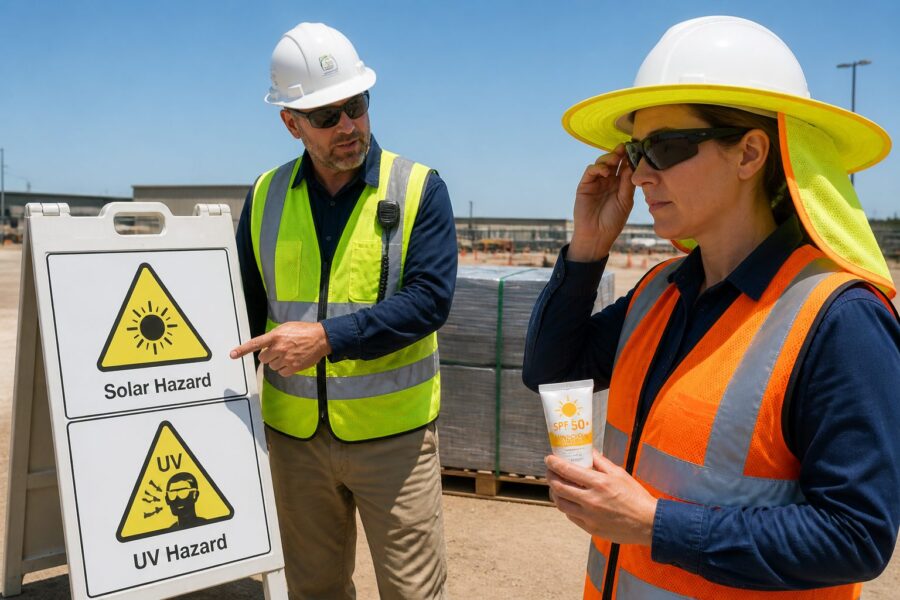
Despite its significant implications for long-term health, UV radiation is often overlooked as a workplace hazard, especially among outdoor workers. Many individuals engaged in outdoor professions remain blissfully unaware of the serious dangers posed by prolonged sun exposure, which makes it all the more crucial to raise awareness about this pressing issue and its potential consequences.
UV radiation can lead to severe health problems that can have lasting effects, including skin cancer, premature aging of the skin, and eye damage such as cataracts. Recognizing this risk is not just beneficial but vital for ensuring the safety and well-being of workers who spend long hours outdoors under the sun’s harsh rays.
Why UV Radiation Is an Underrecognized Occupational Hazard
While workplace safety regulations regarding various hazards have improved significantly over the years, UV radiation remains a lesser-known and often underestimated threat to workers, particularly those in outdoor settings. Many individuals do not readily associate sun exposure with occupational hazards, leading to inadequate protective measures being implemented in workplaces where UV exposure is a constant concern.
The lack of awareness surrounding the dangers of UV radiation can result in serious health consequences, especially for those laboring in industries such as construction, agriculture, and landscaping, where outdoor work is a fundamental aspect of their daily routines. Understanding the risks associated with UV radiation is therefore essential for effectively protecting outdoor workers from potential harm and ensuring their long-term health.
Education and training on UV hazards should be an integral part of comprehensive workplace safety programs, emphasizing the importance of sun safety for all employees. Employers must prioritize the implementation of protective measures, such as providing adequate shade and promoting the use of sun protective clothing, to safeguard their employees against harmful UV exposure.
Regular health screenings and skin checks can play a crucial role in helping to identify early signs of UV damage, allowing for timely intervention and treatment. Furthermore, promoting sun safety practices, such as applying sunscreen and wearing protective clothing, can significantly reduce the incidence of UV-related health issues among outdoor workers over time.
ISO 7010 and OSHA Guidance on UV Hazard Symbols
ISO 7010 provides a standardized set of safety signs and symbols that serve to communicate hazards effectively in various workplace environments, which is particularly important in settings where UV radiation is a concern. Understanding these symbols is essential for promoting awareness about the risks associated with UV radiation among outdoor workers, ensuring that they recognize the importance of protecting themselves.
OSHA also emphasizes the critical importance of using clear and recognizable warning signs, including those that specifically denote UV radiation hazards. These visual cues are crucial for reminding workers of the potential dangers they face from sun exposure, reinforcing the need for proactive sun safety measures during their workday.
Employers should ensure that these symbols are prominently displayed in areas where outdoor work is conducted, such as job sites and break areas, to help reinforce the message of UV safety. By making these symbols highly visible, employers can encourage workers to take necessary precautions and prioritize their own sun safety while working outdoors.
Regular training sessions can help familiarize workers with the meaning of these symbols, ensuring that they know exactly what actions to take in response to UV warnings. By understanding what the UV radiation warning symbol represents, workers can take proactive measures to protect themselves from overexposure to harmful rays.
Sunscreen and Skin Protection Requirement Pictograms
One effective way to promote sun safety in outdoor work environments is through the use of sunscreen and skin protection requirement pictograms, which serve as visual reminders of the importance of sun protection. These visuals can remind outdoor workers to apply sunscreen regularly, thereby minimizing their risk of UV exposure throughout the workday.
Implementing these pictograms within the workplace can significantly enhance awareness and compliance with sun safety protocols among employees. Workers should also be thoroughly educated on the importance of using sunscreen with a high SPF to ensure maximum protection against harmful UV radiation when they are working outdoors.
| Col A | Col B | Col C |
|---|---|---|
| Sunscreen Application | SPF 30+ | Apply every 2 hours |
| Reapply After Swimming | Water-Resistant | Use liberally |
| Skin Checks | Monthly | Report any changes |
| Protective Clothing | Long Sleeves | Lightweight Fabrics |
Shade and Break Area Signs for Outdoor Work Sites
Providing shaded areas for breaks can significantly reduce UV exposure among outdoor workers, allowing them to rest and recuperate without the harmful effects of direct sunlight. Shade and break area signs are essential tools for guiding workers toward safe and comfortable resting spots during their shifts, ensuring they have access to relief from the sun.
Signage should clearly indicate the locations of shaded areas to encourage workers to take breaks and utilize these spaces effectively. This simple yet effective strategy can help mitigate the risks associated with sun exposure during long work hours, especially during the peak intensity of the sun.
Employers should ensure that these shaded areas are not only comfortable but also easily accessible for all workers. Offering additional amenities, such as seating and hydration stations, can further enhance the effectiveness of these break areas, making them inviting spaces for employees to utilize during their time off.
Regular reminders about the importance of seeking shade during peak sun hours can also contribute to overall worker safety and well-being. By fostering a culture of sun safety and making shade a priority, employers can significantly reduce UV-related health risks and promote a healthier working environment for outdoor workers.
Eye Protection Pictograms Specific to UV and Welding Flash Exposure
Protecting the eyes from UV radiation is crucial, particularly in industries where welding is prevalent and workers are exposed to intense light and UV rays. Eye protection pictograms specific to UV and welding flash exposure serve as vital reminders for workers to utilize the appropriate protective equipment to safeguard their eyesight from potential harm.
Employers should ensure that these pictograms are prominently displayed in areas where welding takes place, such as workshops and job sites. Providing appropriate protective eyewear that meets safety standards can help prevent serious eye injuries caused by excessive UV radiation during welding and other outdoor activities.
Regular training on the importance of eye protection can enhance compliance among workers, ensuring that they understand the risks associated with UV exposure. Understanding these risks will encourage workers to use protective gear consistently and make informed choices about their eye health while on the job.
Employers should also conduct periodic assessments of eye protection effectiveness to ensure that workers have access to the best protective equipment available. This commitment to safety not only protects employees but also fosters a culture of responsibility and vigilance in the workplace.
UV Index Display Signs: Communicating Daily Radiation Levels to Workers
Displaying the UV index daily is a proactive measure that can significantly inform outdoor workers about current radiation levels they may face during their workday. UV index display signs serve as informative tools that can help workers make informed decisions regarding sun safety and necessary precautions based on the day’s UV intensity.
By providing real-time information about the UV index, these signs can encourage workers to take appropriate precautions, such as seeking shade or applying sunscreen, based on the current conditions. Workers can adjust their schedules and protective measures accordingly, contributing to a safer working environment.
- Real-time UV index updates to enhance awareness
- Encouragement for sun safety practices among employees
- Visibility of signs for all workers to see and understand
- Adjustable work hours based on UV levels to prioritize health
- Educational opportunities to improve understanding of UV risks
Tanning Bed and UV Curing Equipment Warning Pictograms in Facilities
In addition to outdoor work environments, indoor facilities that utilize tanning beds and UV curing equipment also pose significant UV risks that must be addressed. Warning pictograms should be displayed prominently in these areas to alert users to the potential dangers associated with overexposure to UV radiation.
These warning signs must clearly indicate the risks associated with UV exposure, ensuring that individuals using tanning beds and UV curing equipment understand the importance of following safety protocols. Education on safe usage practices for these devices is essential for minimizing health risks and protecting users from harmful effects.
Regular training sessions can help users understand the importance of adhering to safety guidelines, ensuring that they are well-informed about the risks involved. This proactive approach can help in significantly reducing the number of UV-related health issues that may arise from improper usage of tanning beds and UV equipment.
Employers should also provide protective eyewear for individuals using tanning beds to further safeguard their eye health. This additional precaution can significantly reduce the risk of eye damage and other associated health issues, ensuring that users remain safe while enjoying these services.
Placement Strategies for Solar Hazard Pictograms in Open-Air Facilities
Effective placement of solar hazard pictograms is crucial for maximizing their visibility and impact on workers’ safety. These signs should be strategically positioned in high-traffic areas to ensure that outdoor workers are consistently aware of the UV risks they face while performing their duties.
Additionally, signs should be strategically placed near workstations where workers are most likely to be exposed to direct sunlight, such as construction sites or agricultural fields. This ensures that workers receive timely reminders about sun safety and encourages them to take necessary precautions to protect themselves.
Employers should also consider the height and angle of the signs for optimal visibility and readability, ensuring that they are easily seen and understood by all workers. Clear and legible signage is essential to convey the necessary information effectively, allowing workers to make informed choices about their sun safety.
Regular assessments of sign placement can help identify any necessary adjustments that might improve visibility and effectiveness. By continuously improving the placement and visibility of solar UV hazard pictograms, employers can enhance worker safety and promote a culture of awareness regarding UV risks.
Refreshing UV Hazard Awareness Through Seasonal Pictogram Campaigns
Seasonal pictogram campaigns can be an effective way to refresh awareness about UV hazards, ensuring that the message remains relevant and top-of-mind for outdoor workers. By regularly updating signage and campaigns, employers can keep sun safety at the forefront of outdoor workers’ minds, empowering them to take responsibility for their health.
These campaigns can coincide with peak sun exposure months, such as summer, to maximize their impact and effectiveness. Engaging workers through interactive training sessions and discussions can also enhance the effectiveness of these initiatives while fostering a sense of community around sun safety.
Employers should consider incorporating feedback from workers to tailor campaigns to their specific needs, ensuring that the information provided is relevant and useful. This approach not only fosters a culture of safety but also encourages workers to take personal responsibility for their UV protection, resulting in a more health-conscious workplace.
Ultimately, continuous education and awareness are key components of an effective UV safety program in any organization. By refreshing awareness through seasonal campaigns, employers can help protect the health and safety of outdoor workers while promoting a culture of vigilance and responsibility regarding UV radiation exposure.