
Occupational hazards are a significant concern in various industries, especially when it comes to vibration exposure, which can have catastrophic consequences if not managed properly. Understanding the risks associated with hand-arm and whole-body vibration is crucial for ensuring workplace safety and compliance with international standards, which is something that every responsible organization must prioritize.
Vibrations from tools and machinery can lead to severe health issues, including musculoskeletal disorders that can affect workers’ quality of life and ability to perform their jobs. As such, it is essential to recognize vibration ergonomic hazard pictograms and implement appropriate safety measures to minimize risk, ensuring that employees are protected from the potential dangers of vibration exposure.
In this article, we will explore the importance of vibration-related safety symbols and their role in effective communication within the workplace. By understanding these symbols, employers and employees can work together to create a safer working environment where everyone is aware of the risks and knows how to mitigate them.
Understanding Hand-Arm and Whole-Body Vibration as an Occupational Hazard
Hand-arm vibration primarily affects workers who use handheld tools, while whole-body vibration impacts those operating heavy machinery, both of which can lead to debilitating conditions. Both types of vibration can lead to serious health complications, including nerve damage and circulation issues, which can severely limit a worker’s ability to perform their duties effectively.
Recognizing the symptoms of vibration exposure is crucial for early intervention and prevention of long-term health issues. Workers must be educated on how to identify signs of discomfort and report them immediately to supervisors, ensuring that any necessary actions can be taken swiftly to protect their health.
Regulations and guidelines, such as those from the ISO, provide a framework for managing these risks and ensuring compliance with safety standards. Understanding these regulations is vital for maintaining compliance and ensuring worker safety, as they outline the responsibilities of both employers and employees in creating a safe working environment.
Employers should conduct regular assessments of tools and machinery to determine their vibration levels and implement necessary modifications if needed. Implementing routine monitoring can help reduce the risks associated with exposure, contributing to a safer workplace where employees can perform their tasks without unnecessary risk to their health.
Furthermore, providing adequate training to employees on the dangers of vibration exposure is essential for creating a culture of safety. This knowledge can empower workers to take proactive steps in protecting their health, ensuring they feel equipped to handle their responsibilities safely and effectively.
ISO Pictograms for Vibration-Generating Tools and Machinery
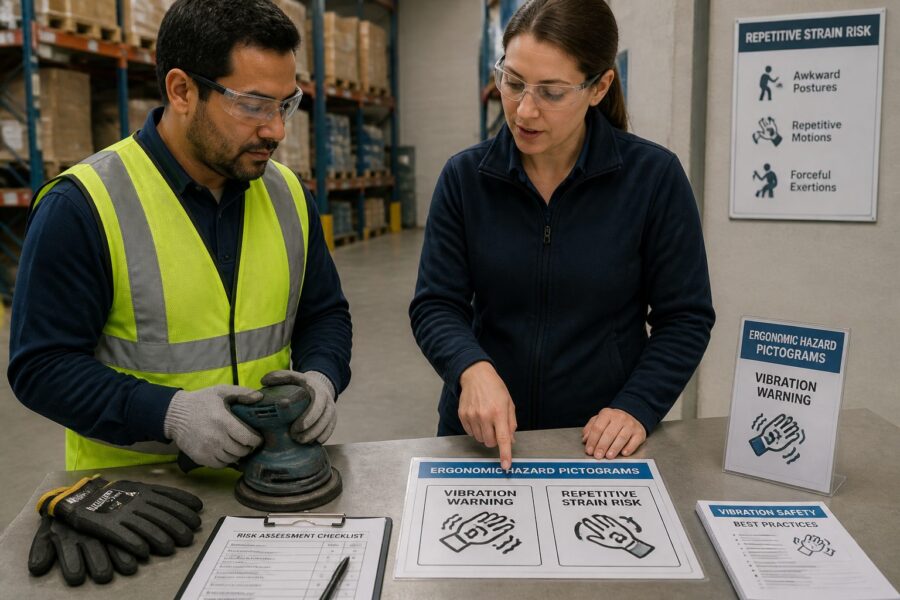
ISO pictograms play a crucial role in signaling the presence of vibration-generating tools and machinery, serving as a visual language that transcends linguistic barriers. These symbols help workers quickly identify potential hazards in their work environment, allowing them to take appropriate precautions before beginning their tasks.
For example, the hand-arm vibration pictogram indicates tools that may cause excessive vibration exposure, alerting workers to the need for caution. Familiarity with these symbols can significantly enhance hazard awareness among employees, making them more vigilant and proactive in their approach to safety.
Incorporating ISO pictograms into safety programs ensures compliance with international standards that govern workplace safety. This approach not only protects workers but also reduces liability for employers, as they demonstrate their commitment to following established safety protocols.
Employers should ensure that all vibration-generating equipment is clearly labeled with appropriate ISO pictograms to maintain consistent safety practices across the board. This labeling serves as a constant reminder to workers about the potential risks associated with their tools, reinforcing the importance of safety in the workplace.
By integrating these symbols into training sessions, employers can reinforce the importance of vibration awareness and the measures that can be taken to minimize risks. This strategy encourages a culture of safety within the workplace, where everyone feels responsible for their own well-being and that of their colleagues.
Ergonomic Lifting Hazard Symbols for Manual Handling Zones
Manual handling can pose significant health risks, especially when lifting heavy objects that can strain the body and lead to injuries. Ergonomic lifting hazard symbols are vital for alerting workers to potential dangers in manual handling zones, ensuring they are aware of the risks before engaging in such activities.
These symbols serve as visual cues that remind employees to follow proper lifting techniques, which can make all the difference in preventing injuries. By adhering to these guidelines, workers can minimize the risk of injury, thus safeguarding their health and enhancing overall productivity.
Employers should incorporate ergonomic lifting hazard symbols in training and workplace signage to create a visually rich safety culture. This practice reinforces the importance of safe lifting practices among employees, ensuring that they take the necessary precautions to protect themselves.
Furthermore, these symbols can be used to designate areas where lifting assistance, like forklifts or hoists, is available for employees who may need it. This ensures that employees are aware of safer options for moving heavy loads, which can significantly reduce the risk of injury in manual handling operations.
By promoting ergonomic lifting practices, companies can reduce workplace injuries related to manual handling, fostering a more efficient work environment. This commitment to safety ultimately improves productivity and employee morale by demonstrating that the organization values the health and well-being of its workers.
Repetitive Motion Warning Signs for Assembly Line Environments
Assembly line environments often require workers to perform repetitive tasks, which can lead to the risk of repetitive strain injuries that may affect their long-term health. Repetitive motion warning signs are essential for alerting workers to the potential hazards associated with their tasks, serving as a reminder of the risks involved in their daily routines.
These signs help to remind employees to take breaks and practice proper ergonomics while working, which is crucial for maintaining their health and productivity. Regular breaks are essential in preventing fatigue and reducing the risk of injury, allowing employees to recharge and return to their tasks with renewed focus.
| Task Type | Risk Level | Recommended Action |
|---|---|---|
| Wrist Movements | High | Frequent breaks |
| Repetitive Lifting | Moderate | Use lifting aids |
| Hand Tools Use | High | Alternate tasks |
| Assembly Tasks | Moderate | Posture checks |
Employers should ensure that repetitive motion warning symbols are prominently displayed in work areas, making them visible to all employees. This visibility reinforces the importance of safety and encourages workers to remain vigilant about their movements, creating a culture of awareness and proactive safety practices.
By fostering an awareness of repetitive strain injuries, employers can contribute to a healthier workplace that prioritizes employee well-being. This proactive approach ultimately leads to increased productivity and job satisfaction as workers feel supported and valued in their roles.
Using Pictograms to Communicate Exposure Time Limits for Vibrating Tools
Communicating exposure time limits for vibrating tools is essential for worker safety and health, as prolonged exposure can lead to serious complications. Pictograms can effectively convey critical information regarding the maximum allowable exposure time, allowing workers to manage their usage appropriately.
These symbols serve as visual reminders for workers to monitor their time spent using vibrating tools, helping them to stay within safe usage limits. This practice helps to reduce the risk of vibration-related health issues that could otherwise impact their long-term well-being.
- Identify exposure limits
- Communicate effectively
- Ensure visibility
- Educate employees
- Encourage breaks
Employers should integrate these pictograms into training sessions and safety protocols, ensuring that all employees are informed about the importance of adhering to exposure limits for vibrating tools. This integration reinforces the importance of safety and health in the workplace, ultimately cultivating a culture of awareness and responsibility.
By prioritizing exposure time limits, companies demonstrate their commitment to employee health and safety, showing that they value their workers’ well-being above all else. This proactive approach can lead to a more engaged workforce that feels empowered to take care of their health while performing their duties.
Anti-Vibration Glove Requirement Pictograms on Equipment Labels
Anti-vibration gloves play a crucial role in protecting workers from the adverse effects of vibration exposure, which can lead to various health complications over time. Pictograms indicating the requirement for these gloves on equipment labels are essential for ensuring compliance and safety, serving as a visual cue to remind workers of their protective gear.
These symbols alert workers to the necessity of wearing protective gear when operating vibrating tools, which can drastically reduce the risk of injury and health complications. This awareness helps to minimize the risk that employees face while performing their tasks, ultimately contributing to a safer work environment.
Employers should make it a priority to label all equipment with anti-vibration glove requirement pictograms to ensure consistent safety practices. This labeling serves as a constant reminder to workers about the importance of protective gear, reinforcing a culture of safety and accountability within the organization.
Incorporating these symbols into training programs enhances employees’ understanding of their importance and the impact of vibration exposure on their health. This knowledge empowers workers to make informed choices regarding their safety, leading to a more conscientious and safety-focused workforce.
By prioritizing the use of anti-vibration gloves, companies can reduce workplace injuries related to vibration exposure, demonstrating their commitment to employee safety and well-being. This commitment to safety ultimately fosters a more productive work environment, where employees feel secure and valued in their roles.
Posture and Seated Work Ergonomic Pictograms for Office and Factory
Maintaining proper posture is essential for preventing musculoskeletal disorders in both office and factory settings, where workers often spend prolonged periods in less-than-ideal positions. Ergonomic pictograms related to posture and seated work provide visual guidance for employees, reminding them of the importance of maintaining healthy body mechanics while they work.
These symbols help to remind workers about the importance of proper ergonomics while seated or standing, which can significantly impact their comfort and efficiency. By following these guidelines, employees can reduce the risk of injury and discomfort, leading to a more enjoyable and productive work experience.
Employers should display posture and seated work ergonomic pictograms prominently in work areas, ensuring that they are easily visible to all staff members. This visibility reinforces the importance of maintaining proper posture throughout the workday, ultimately contributing to a healthier workplace culture.
Additionally, training programs should incorporate information about these pictograms and their significance, ensuring that employees understand how to apply ergonomic principles in their daily tasks. Educating employees on proper posture can lead to a healthier, more productive workforce, where individuals feel empowered to take care of their physical well-being.
By fostering an ergonomic workplace culture, companies can reduce the incidence of musculoskeletal disorders, which can otherwise lead to significant downtime and healthcare costs. This commitment to employee health ultimately benefits the organization as a whole, enhancing overall efficiency and productivity.
Combining Text and Icons to Create Effective Ergonomic Risk Notices
Combining text and icons in ergonomic risk notices enhances communication and understanding among employees, ensuring that critical information is conveyed clearly and effectively. This approach ensures that important safety information is accessible to everyone, regardless of their language skills or familiarity with technical jargon.
Effective ergonomic risk signs should be easily understood by all employees, regardless of language proficiency, which promotes inclusivity and helps to eliminate confusion. This inclusivity fosters a safer work environment for everyone, as all workers feel informed and capable of adhering to safety protocols.
Employers should invest in creating high-quality ergonomic risk notices that feature both text and pictograms, reflecting a commitment to employee safety and well-being. This investment demonstrates a proactive approach to workplace safety, making it clear that the organization values the health and welfare of its workers.
By utilizing a combination of text and icons, companies can improve hazard recognition among workers, making it easier for them to identify and respond to potential risks. This proactive approach can lead to a significant reduction in workplace injuries, which ultimately benefits both employees and the organization as a whole.
Ultimately, clear communication of ergonomic risks is essential for maintaining a safe and healthy workplace, which can enhance overall employee satisfaction and engagement. This focus on safety not only benefits employees but also enhances overall productivity, creating a more positive work environment for everyone involved.
Ergonomic Pictogram Reviews as Part of Annual Workplace Health Audits
Regular reviews of ergonomic pictograms are essential for maintaining workplace safety standards and ensuring that all employees are aware of the risks they face. Incorporating these reviews into annual health audits ensures compliance with safety regulations, allowing organizations to stay ahead of potential hazards and mitigate risks effectively.
Employers should assess the effectiveness of their current pictograms and make necessary adjustments based on feedback and changing workplace conditions. This ongoing evaluation is crucial for addressing new hazards and improving safety protocols, ensuring that the organization remains proactive in its approach to workplace safety.
By prioritizing ergonomic pictogram reviews, companies demonstrate their commitment to health and safety, showing that they take their responsibilities seriously. This dedication not only protects employees but also enhances organizational performance by fostering a culture of safety and accountability.
Additionally, engaging employees in the review process can foster a culture of safety and collaboration, where workers feel empowered to contribute to their own well-being and that of their colleagues. This involvement can lead to increased ownership of safety practices, ensuring that everyone is invested in maintaining a safe work environment.
Ultimately, regular assessments of ergonomic pictograms help create a safer work environment for all, reinforcing the organization’s commitment to employee health and safety. This proactive approach supports a sustainable workplace culture focused on health and safety, laying the foundation for long-term success and employee satisfaction.