
In the realm of safety and logistics, clear and immediate communication is paramount. High-visibility labels play a crucial role in conveying essential information, ensuring that warnings, instructions, and identifications are easily noticed and understood. The effectiveness of these labels hinges significantly on the materials used in their construction.
Selecting the right high visibility label materials is not merely about aesthetics; it’s about ensuring the longevity, readability, and overall impact of the message. This article will examine the critical aspects of choosing label materials for optimal impact and safety in various environments.
We will explore the different types of materials available, the factors to consider when making your selection, and the best printing techniques to maximize visibility. By understanding these elements, you can make informed decisions that enhance safety and efficiency in your operations.
Why High-Visibility Labels Matter
High-visibility labels are more than just colorful stickers; they are critical tools for preventing accidents and ensuring compliance. In industries ranging from manufacturing to transportation, these labels serve as immediate reminders of potential hazards or important procedures.
Think of a construction site where heavy machinery is in operation or a chemical plant where hazardous substances are handled. In these environments, a well-placed, easily readable high visibility label can be the difference between safety and disaster.
These labels provide instant recognition of potential dangers, guiding workers to take necessary precautions. They also help to maintain order and organization, ensuring that materials and equipment are properly identified and stored.
Moreover, high-visibility labels play a crucial role in regulatory compliance. Many industries are governed by strict safety standards that mandate the use of specific labels and warnings. Failure to comply with these regulations can result in hefty fines and, more importantly, compromise the safety of personnel and the public.
Consider the impact of a clearly marked emergency exit in a crowded building. Or the benefit of a well-placed warning label on a piece of machinery. These small details contribute significantly to a safer environment.
Effective high-visibility labels are not just about bright colors; they also involve clear, concise messaging and appropriate placement. The goal is to grab attention quickly and convey information effectively.
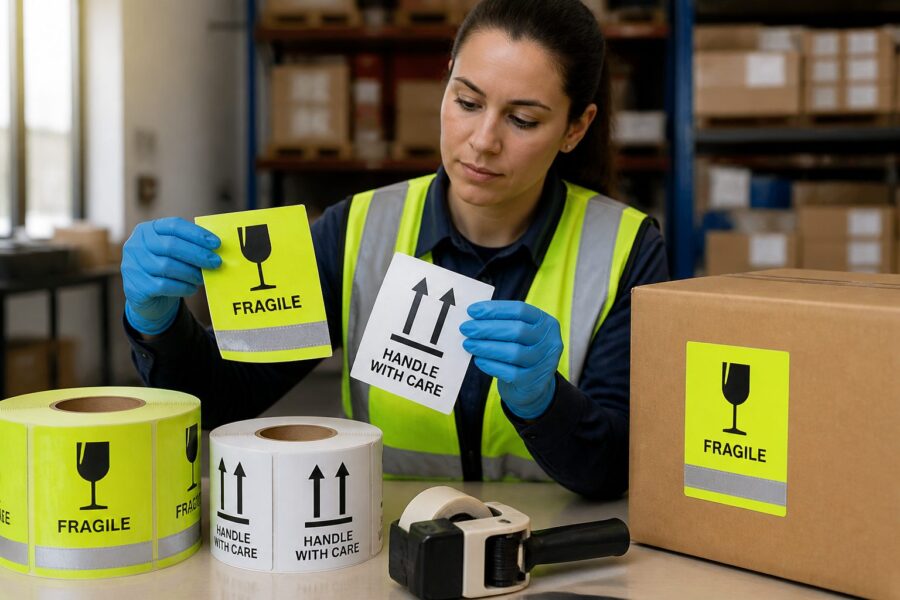
In warehouses, high-visibility labels help identify storage locations and ensure efficient retrieval of goods. This reduces the risk of errors and speeds up operations.
In hospitals, these labels are essential for identifying medications and ensuring correct dosages. This is critical for patient safety and preventing potentially life-threatening errors.
Ultimately, the purpose of high-visibility labels is to communicate vital information quickly and effectively. They are a fundamental element of any safety program and contribute to a culture of awareness and prevention.
Therefore, understanding their importance and selecting the appropriate materials is vital for maximizing their impact and ensuring a safer environment for everyone.
Types of High-Visibility Label Materials
The market offers a diverse range of label materials, each with unique properties that make them suitable for different applications. Understanding these materials is essential for selecting the right one for your specific needs.
Let’s explore some of the most common high visibility label materials and their characteristics.
Polyester is a popular choice due to its durability and resistance to chemicals, solvents, and extreme temperatures. It’s an excellent option for labels that need to withstand harsh conditions, such as those found in industrial settings.
Vinyl offers flexibility and good adhesion, making it suitable for curved or irregular surfaces. It is also water-resistant, making it a good choice for outdoor applications where moisture is a concern.
Polypropylene is a cost-effective option that offers good resistance to moisture and tearing. It’s commonly used for labels on packaging and products that require basic durability.
Paper labels are the most economical option, but they offer limited durability and resistance to environmental factors. They are best suited for indoor applications where they won’t be exposed to moisture or abrasion.
Beyond these common materials, there are also specialized options like tamper-evident labels, which are designed to show if a product has been opened or altered. These are often used in the pharmaceutical and food industries to ensure product safety and integrity.
Reflective materials are another specialized option that enhances visibility in low-light conditions. These labels are often used on safety vests, traffic signs, and emergency equipment.
The choice of material also depends on the adhesive used. Some adhesives are designed for permanent adhesion, while others are removable or repositionable.
Consider the surface to which the label will be applied when selecting an adhesive. Some adhesives work better on smooth surfaces, while others are better suited for textured or porous surfaces.
Ultimately, the best label material for your needs will depend on a combination of factors, including the environment, the surface, the required durability, and the desired aesthetic.
Material Comparison Table
Choosing the correct label material is essential for ensuring the longevity and effectiveness of your labels. Each material has unique properties that make it suitable for different environments and applications.
Here’s a comparison table to help you evaluate the options.
| Material | Durability | Resistance | Adhesion |
|---|---|---|---|
| Polyester | High | Chemicals, Solvents, Temperature | Good |
| Vinyl | Medium | Water, UV | Excellent |
| Polypropylene | Medium | Moisture, Tears | Good |
| Paper | Low | Limited | Fair |
This table provides a general overview of the key characteristics of each material. However, it’s important to note that specific properties can vary depending on the manufacturer and the specific grade of material.
For example, some polyester labels are designed to withstand even harsher chemicals and higher temperatures than others. Similarly, some vinyl labels are more resistant to UV radiation than others.
When selecting a label material, it’s always best to consult with a label supplier to discuss your specific requirements and ensure that you choose the most appropriate material for your application.
Consider the cost of each material as well. While paper labels are the most economical, they may not be the best choice if you need a label that will last for a long time or withstand harsh conditions.
Investing in a more durable material like polyester or vinyl may be more cost-effective in the long run, as you won’t need to replace the labels as frequently.
Also, consider the printability of each material. Some materials are easier to print on than others, and some require special inks or printing techniques.
Work with a reputable label printer who has experience printing on the materials you are considering. They can advise you on the best printing methods and inks to use to achieve the desired results.
By carefully considering all of these factors, you can choose a label material that will meet your needs and provide long-lasting performance.
Considerations for Choosing the Right Material
Selecting the appropriate label material requires careful consideration of several factors. The environment in which the label will be used is a primary concern.
Will it be exposed to sunlight, moisture, chemicals, or extreme temperatures? The answer to these questions will help narrow down your options.
Another critical factor is the surface to which the label will be applied. Is it smooth or textured, flat or curved? Some materials adhere better to certain surfaces than others.
For instance, vinyl is often preferred for curved surfaces due to its flexibility, while polyester works well on smooth, flat surfaces. Consider the level of abrasion the label will endure.
Labels in high-traffic areas or on equipment that is frequently handled will need to be more durable. Chemical resistance is also a key consideration in many industrial settings.
If the label will be exposed to solvents, acids, or other chemicals, you’ll need a material that can withstand these substances without deteriorating.
The expected lifespan of the label is another important consideration. If you need a label that will last for several years, you’ll need a more durable material than if you only need it for a few months.
Consider the cost of the label material as well. Paper labels are the most economical, but they are not as durable as other materials.
Think about the printing method you will be using. Some materials are better suited for certain printing methods than others.
For example, thermal transfer printing works well with polyester and vinyl labels, while inkjet printing is often used for paper labels.
Finally, consider any regulatory requirements that may apply to your labels. Some industries have specific requirements for label materials and adhesives.
By carefully considering all of these factors, you can choose the right label material for your specific needs and ensure that your labels are effective and compliant.
Durability and Environmental Factors
Durability is a critical attribute of high-visibility labels, especially in demanding environments. The ability of a label to withstand wear and tear, exposure to the elements, and other forms of stress directly impacts its effectiveness and longevity.
A label that fades, peels, or becomes illegible quickly loses its value, potentially compromising safety and efficiency.
Environmental factors play a significant role in determining the durability of label materials. Exposure to sunlight, particularly UV radiation, can cause some materials to fade or become brittle over time.
Moisture can also be detrimental, causing labels to peel or the adhesive to fail. Extreme temperatures, both hot and cold, can affect the flexibility and adhesion of label materials.
Consider the specific environmental conditions in which your labels will be used when selecting a material. For outdoor applications, UV-resistant and waterproof materials are essential.
In environments with extreme temperatures, materials that can withstand these conditions without degrading are necessary.
Abrasion resistance is another important factor to consider, especially for labels that will be exposed to friction or rubbing. Labels on equipment or in high-traffic areas should be made from materials that can withstand abrasion without losing their legibility.
Chemical resistance is also crucial in many industrial settings. Labels that will be exposed to solvents, acids, or other chemicals should be made from materials that are resistant to these substances.
The adhesive used on the label also plays a role in its durability. Some adhesives are designed for permanent adhesion, while others are removable or repositionable. Choose an adhesive that is appropriate for the surface to which the label will be applied and the environmental conditions to which it will be exposed.
Consider using a protective overlaminate to further enhance the durability of your labels. Overlaminates can protect the label from UV radiation, moisture, abrasion, and chemicals.
By carefully considering these environmental factors and selecting the appropriate materials and adhesives, you can ensure that your high-visibility labels remain effective and legible for a long time.
Printing Techniques for High-Visibility Labels
The effectiveness of high-visibility labels also depends on the printing techniques used. The right printing method can enhance the clarity, durability, and overall impact of the label.
Conversely, a poor printing choice can render even the best material ineffective.
Digital printing offers flexibility and the ability to produce short runs with variable data. It’s a good choice for labels that require customization or frequent updates.
Screen printing is known for its vibrant colors and durability, making it suitable for labels that need to withstand harsh conditions. It can produce thick, opaque layers of ink that are highly resistant to fading and abrasion.
Thermal transfer printing is a cost-effective option for producing durable labels with sharp, clear text and barcodes. It’s commonly used for asset tracking and inventory management.
Consider the specific requirements of your labels when choosing a printing technique. If you need vibrant colors and exceptional durability, screen printing may be the best choice. If you need variable data and short runs, digital printing may be more appropriate.
Flexographic printing is a cost-effective option for large print runs. It uses flexible printing plates and is suitable for a wide range of materials.
UV printing uses ultraviolet light to cure the ink, resulting in a durable and vibrant finish. It is often used for labels that require high resistance to chemicals and abrasion.
Dye sublimation printing is a technique that uses heat to transfer dye onto the label material. It produces high-resolution images with excellent color saturation.
The choice of ink is also important. Use inks that are resistant to fading, smudging, and chemicals. UV-resistant inks are essential for outdoor applications.
Consider the finish of the label. A glossy finish can enhance the visibility of the colors, while a matte finish can reduce glare. A textured finish can provide a better grip.
Work with a reputable label printer who has experience printing on the materials you are considering. They can advise you on the best printing techniques and inks to use to achieve the desired results.
Key Considerations for Printing
When selecting a printing technique, consider these factors. The color of the label is important for high visibility.
Bright, contrasting colors are more easily noticed and read. The resolution of the print affects the clarity of the text and images.
- Use bold, contrasting colors
- Ensure high resolution for clarity
- Choose weather-resistant inks
- Consider UV protection
- Test adhesion after printing
Elaborating on the listed considerations, the choice of colors should be deliberate and based on established safety standards. For example, yellow is often used to indicate caution, while red is used to indicate danger.
High resolution printing is essential for ensuring that the text and symbols on the label are clear and legible, even at a distance. Choose a printing technique that can produce sharp, crisp images.
Weather-resistant inks are crucial for labels that will be exposed to the elements. These inks are designed to withstand moisture, sunlight, and extreme temperatures without fading or smudging.
UV protection is particularly important for labels that will be used outdoors. UV radiation can cause inks to fade and materials to degrade over time.
Testing the adhesion of the label after printing is essential to ensure that it will stay in place. Apply the label to the surface to which it will be used and check to see if it peels or bubbles.
Also consider the size of the label. The text and symbols should be large enough to be easily read from a distance.
The font you use should be clear and easy to read. Avoid using decorative fonts that can be difficult to decipher.
Consider adding a border around the label to make it stand out. A contrasting border can help to draw attention to the label.
Finally, make sure that the label is properly aligned and positioned. A crooked or poorly placed label can be difficult to read and may not be effective.
Applications of High-Visibility Labels
High-visibility labels find applications across a wide range of industries and settings. Their versatility and effectiveness make them indispensable tools for safety, organization, and compliance.
Let’s explore some common applications of these labels.
In manufacturing, high-visibility labels are used to identify hazardous materials, mark safety zones, and provide instructions for operating machinery. They help prevent accidents and ensure that workers follow proper procedures.
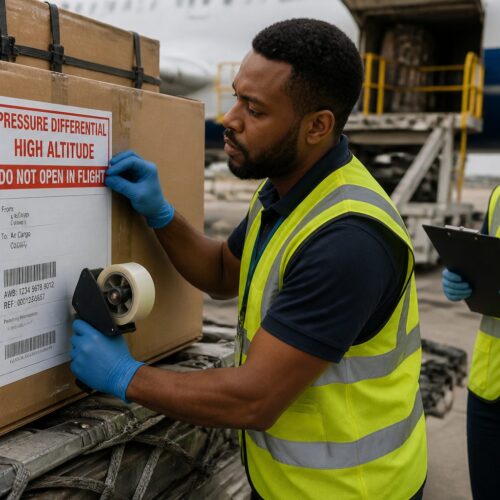
In the transportation industry, these labels are crucial for identifying hazardous cargo, marking loading zones, and providing safety information to drivers and handlers. They help prevent accidents during transit and ensure compliance with regulations.
In healthcare, high-visibility labels are used to identify medications, mark biohazard containers, and provide instructions for patient care. They help prevent medical errors and ensure patient safety.
In construction, these labels are used to mark hazards, identify equipment, and provide safety instructions to workers. They help prevent accidents and ensure a safe working environment.
In retail, high-visibility labels are used for promotional purposes, such as marking sale items or highlighting new products. They can also be used for inventory management and product identification.
In offices, high-visibility labels can be used to organize files, label equipment, and provide instructions for using office machines. They can help to improve efficiency and reduce errors.
In schools, high-visibility labels can be used to identify classrooms, label equipment, and provide safety instructions to students. They can help to create a safe and organized learning environment.
In homes, high-visibility labels can be used to organize storage containers, label electrical cords, and provide safety instructions for using household appliances. They can help to improve safety and organization in the home.
The specific applications of high-visibility labels are virtually limitless. They can be used in any situation where it is important to communicate information quickly and effectively.
The Future of High-Visibility Label Materials
Innovation in label materials continues to evolve. New technologies promise even greater durability and functionality.
Smart labels with embedded sensors can monitor environmental conditions. These labels can then alert personnel to potential hazards.
Sustainable materials are also gaining traction. Biodegradable and recyclable options reduce environmental impact.
Self-healing coatings extend the lifespan of labels. This minimizes the need for frequent replacements.
Nanomaterials are being explored to enhance the properties of label materials. These materials can improve durability, resistance to chemicals, and visibility.
3D printing is also being used to create custom labels with unique shapes and features. This technology allows for greater design flexibility and can be used to create labels that are tailored to specific applications.
Interactive labels with QR codes or NFC tags are becoming increasingly popular. These labels can provide access to additional information, such as safety data sheets or product instructions.
The use of augmented reality (AR) is also being explored. AR labels can overlay digital information onto the physical label, providing users with a more immersive and interactive experience.
The future of high-visibility label materials is bright. As technology continues to advance, we can expect to see even more innovative and functional labels that enhance safety, efficiency, and communication.
These advancements will undoubtedly play a crucial role in creating safer and more efficient workplaces and communities.
Conclusion
Choosing the right high visibility label materials is a critical decision that impacts safety, efficiency, and compliance. By understanding the different types of materials available, the factors to consider when making your selection, and the best printing techniques to use, you can ensure that your labels are effective and long-lasting.
Investing in high-quality label materials is an investment in the safety and success of your operations. Don’t underestimate the power of a well-placed, easily readable label.
Remember to consider the specific environment in which the label will be used. This includes factors such as temperature, humidity, and exposure to chemicals.
Also, think about the surface to which the label will be applied. Some materials adhere better to certain surfaces than others.
Choose a printing technique that is appropriate for the material and the desired level of detail. Work with a reputable label printer who can advise you on the best options.
Regularly inspect your labels to ensure that they are still legible and securely attached. Replace any labels that are damaged or faded.
By following these guidelines, you can ensure that your high-visibility labels are effective in communicating important information and promoting safety in your workplace or community.
Ultimately, the goal is to create a culture of awareness and prevention. High-visibility labels are an essential tool in achieving this goal.
So, take the time to choose the right materials and printing techniques. Your efforts will be rewarded with a safer and more efficient environment.