
The world of product safety can be confusing, especially when trying to decipher the various symbols and labels found on electrical and electronic devices. Among these, the UL Certification Label Guide stands out as a mark of assurance, signifying that a product has undergone rigorous testing and meets specific safety standards. But what does this label really mean, and why is it so important for both consumers and manufacturers?
This article provides a comprehensive UL Certification Label Guide, breaking down the complexities of UL labels, their significance, and how to identify them. Understanding these labels can empower you to make informed decisions, ensuring the safety and reliability of the products you use every day.
From recognizing the different types of UL marks to understanding the benefits of UL certification, this guide aims to equip you with the knowledge necessary to navigate the world of product safety with confidence. Whether you’re a consumer looking to protect your family or a business aiming to uphold the highest standards, understanding UL labels is essential.
What is UL Certification?
UL certification, short for Underwriters Laboratories certification, is a globally recognized mark of product safety and quality. It signifies that a product has been tested and evaluated by UL, an independent, third-party organization with over a century of experience in safety science.
This testing ensures that the product meets specific UL standards, which are developed to minimize risks such as fire, electric shock, and other potential hazards. The UL Certification Label Guide indicates that the product adheres to these rigorous safety requirements, giving consumers and businesses confidence in its safe operation.
The process of obtaining UL certification involves comprehensive testing and evaluation of the product’s design, materials, and manufacturing processes. UL engineers meticulously assess the product to ensure it complies with the relevant safety standards, which can vary depending on the product type and intended use.
Once a product passes these tests, it is eligible to bear the UL mark, a symbol that assures consumers that the product has met nationally recognized safety standards. This mark is not just a label; it represents a commitment to safety and quality, backed by UL’s reputation for thoroughness and impartiality.
Types of UL Marks and Their Significance
There are several types of UL labels, each with its own specific meaning and application. The most common UL marks include the UL Listed Mark, the UL Recognized Component Mark, and the UL Classified Mark, each serving a distinct purpose in indicating product compliance.
Understanding these different UL labels is crucial for accurately assessing a product’s safety and intended use. The UL Certification Label Guide ensures that the appropriate mark is applied to each product, reflecting the specific testing and evaluation it has undergone.
The UL Listed Mark is one of the most widely recognized UL labels, indicating that a product has been tested to UL’s safety standards for a specific category of products. This means the product has been evaluated for foreseeable safety hazards, such as fire, electric shock, and mechanical hazards.
The UL Recognized Component Mark, on the other hand, is used for components that are intended to be part of a larger product. This mark signifies that the component has been evaluated for use in a specific application and is intended to be installed in a complete product that will then be subject to its own UL certification.
Lastly, the UL Classified Mark indicates that a product has been tested for specific properties or characteristics, rather than overall safety. This mark is often used for products that have specific performance requirements, such as fire resistance or energy efficiency, providing consumers with targeted information about the product’s capabilities.
How to Identify a Genuine UL Label
Ensuring the authenticity of a UL label is crucial to verify that a product has indeed undergone the necessary safety testing. Counterfeit UL labels can be misleading and potentially dangerous, as they falsely represent a product’s safety and compliance.
Therefore, it’s essential to know how to identify a genuine UL label and to be aware of the common signs of fraudulent marks. The UL Certification Label Guide provides resources and tips to help consumers and businesses distinguish between authentic and fake UL labels.
| Feature | Genuine UL Label | Counterfeit UL Label |
|---|---|---|
| UL Logo | Clear and precise, with correct font and proportions | Blurry, distorted, or with incorrect font and proportions |
| Control Number | Unique alphanumeric code that can be verified with UL | Missing, duplicated, or unverifiable |
| Product Information | Accurate and consistent with the product’s specifications | Inaccurate, inconsistent, or missing |
| Hologram | May include a hologram for added security | Absent or of poor quality |
One of the first things to check is the quality of the UL logo itself. A genuine UL label will have a clear and precise logo, with the correct font and proportions, while a counterfeit label may have a blurry or distorted logo.
Another important aspect to verify is the control number, a unique alphanumeric code that is assigned to each certified product. This number can be used to verify the authenticity of the UL label by contacting UL directly or using their online certification database.
The Benefits of UL Certification
UL certification offers numerous benefits to both consumers and manufacturers, making it a valuable investment in product safety and quality. For consumers, UL certification provides assurance that a product has been tested to meet nationally recognized safety standards, reducing the risk of hazards such as fire, electric shock, and injury.
The UL Certification Label Guide ensures that products bearing the UL mark have undergone rigorous testing and evaluation, giving consumers peace of mind when making purchasing decisions. This trust can lead to increased consumer confidence and satisfaction, as they know they are investing in safe and reliable products.
For manufacturers, UL certification can enhance their brand reputation and market access. The UL mark is recognized and respected worldwide, signaling a commitment to safety and quality that can differentiate a product from its competitors.
Moreover, UL certification can help manufacturers meet regulatory requirements and gain access to new markets. Many jurisdictions require or prefer UL-certified products, making UL certification a valuable tool for expanding business opportunities and ensuring compliance with local laws and regulations.
Additionally, UL certification can streamline the product development process by providing manufacturers with clear guidelines and standards to follow. This can help reduce the risk of costly recalls and product liability issues, saving time and resources in the long run.
Finding UL-Certified Products
Locating UL-certified products is generally straightforward, as the UL mark is typically prominently displayed on the product itself or its packaging. However, it’s important to know where to look and how to verify the authenticity of the UL label to ensure you’re purchasing a genuinely certified product.
The UL Certification Label Guide can assist you in identifying the correct placement of the UL mark and understanding the specific information it contains. This knowledge can empower you to make informed purchasing decisions and avoid counterfeit products.
- Check the product itself for the UL mark
- Examine the product packaging for the UL mark
- Look for the UL mark on the product’s website
- Verify the UL certification using UL’s online database
- Consult with a qualified electrician or product safety expert
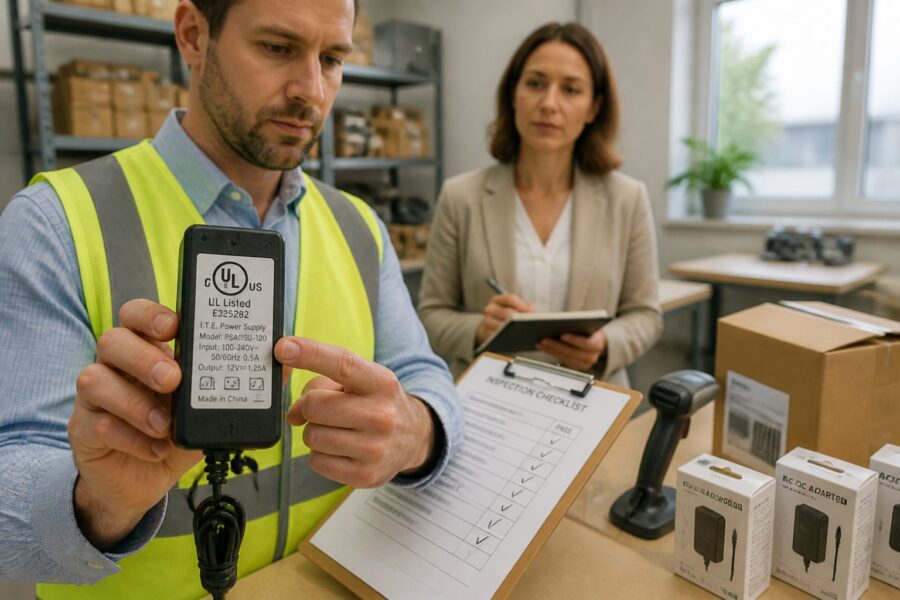
One of the easiest ways to find UL-certified products is to simply check the product itself for the UL mark. The mark is usually located on the product’s nameplate or label, and it may be accompanied by other information, such as the product’s model number and electrical ratings.
If you can’t find the UL mark on the product itself, you can also check the product packaging. Many manufacturers include the UL mark on their packaging to indicate that the product has been certified.
Understanding UL Standards
UL standards are the backbone of UL certification, providing a comprehensive framework for evaluating product safety and performance. These standards are developed through a rigorous consensus-based process, involving experts from industry, government, and consumer groups.
The UL Certification Label Guide relies on these standards to ensure that certified products meet the highest levels of safety and quality. Understanding the basics of UL standards can help you appreciate the depth and breadth of the UL certification process.
UL standards cover a wide range of product categories, from electrical appliances and electronics to fire protection equipment and building materials. Each standard specifies the testing and evaluation criteria that a product must meet to be UL-certified, addressing potential hazards such as fire, electric shock, and mechanical failure.
These standards are regularly updated to reflect the latest technological advancements and safety concerns. This ensures that UL-certified products remain at the forefront of safety and performance.
The development of UL standards involves a collaborative effort, with input from various stakeholders to ensure that the standards are both technically sound and practical to implement. This collaborative approach helps to create standards that are widely accepted and respected, contributing to their effectiveness in promoting product safety.
The Role of UL in Global Safety
UL plays a significant role in promoting global safety by providing independent testing and certification services to manufacturers worldwide. Its standards and certifications are recognized and respected in numerous countries, helping to ensure that products sold globally meet consistent safety and performance requirements.
The UL Certification Label Guide is a valuable resource for understanding how UL’s global presence contributes to a safer marketplace for consumers and businesses alike. UL’s commitment to safety extends beyond national borders, making it a key player in the international arena.
UL works with regulatory agencies and standards organizations around the world to harmonize safety standards and promote best practices. This collaboration helps to reduce trade barriers and facilitate the global flow of safe and reliable products.
Through its network of testing laboratories and certification facilities, UL provides manufacturers with access to global markets. This enables them to demonstrate compliance with local safety requirements and gain a competitive edge in the international marketplace.
UL’s global safety initiatives also include education and training programs, designed to raise awareness of safety issues and promote safe practices. These programs help to empower consumers and businesses to make informed decisions and create a safer environment for everyone.
Staying Informed About UL Updates
UL standards and certification processes are constantly evolving to keep pace with technological advancements and emerging safety concerns. Staying informed about these updates is essential for both consumers and manufacturers to ensure that products meet the latest safety requirements.
The UL Certification Label Guide provides resources and links to help you stay up-to-date on the latest UL news and developments. By staying informed, you can make better decisions and contribute to a safer environment.
One of the best ways to stay informed about UL updates is to subscribe to UL’s newsletters and alerts. These publications provide timely information about changes to UL standards, new certification programs, and other important news.
You can also follow UL on social media platforms such as LinkedIn and Twitter. This will allow you to receive real-time updates and engage with UL experts and other industry professionals.
Additionally, UL offers a variety of training programs and webinars to help you understand the latest UL standards and certification requirements. These programs are designed to provide you with the knowledge and skills you need to ensure that your products meet the highest levels of safety and quality.
Common Misconceptions About UL Certification
There are several common misconceptions about UL certification that can lead to confusion and misinformed decisions. One common misconception is that UL certification is a government requirement, when in fact, it is a voluntary certification provided by an independent, third-party organization.
The UL Certification Label Guide aims to dispel these misconceptions and provide accurate information about the scope and significance of UL certification. Understanding the truth about UL certification can help you make informed choices and avoid potential pitfalls.
Another misconception is that UL certification is a one-time event, when in reality, it requires ongoing compliance and periodic audits. Manufacturers must maintain their compliance with UL standards and undergo regular inspections to ensure that their products continue to meet the required safety and performance levels.
Some people also mistakenly believe that UL certification covers all aspects of a product, when in fact, it primarily focuses on safety. While UL certification does address certain performance characteristics, its main objective is to ensure that a product is safe to use and does not pose a risk of fire, electric shock, or other hazards.
Finally, it’s important to understand that UL certification is not a substitute for proper installation and maintenance. Even a UL-certified product can be dangerous if it is not installed or used correctly. Always follow the manufacturer’s instructions and consult with a qualified professional if you have any questions or concerns.
Conclusion
Understanding UL certification and the meaning behind UL labels is crucial for ensuring product safety and making informed purchasing decisions. The UL Certification Label Guide serves as a valuable resource for navigating the complexities of product safety and identifying products that meet rigorous safety standards.
By recognizing the different types of UL marks, verifying their authenticity, and staying informed about UL updates, you can protect yourself and your family from potential hazards. UL certification is a testament to a manufacturer’s commitment to safety and quality, providing consumers with peace of mind and confidence in their purchases.
Whether you’re a consumer, a business owner, or a manufacturer, understanding UL standards and certifications is essential for creating a safer and more reliable marketplace. Embrace the knowledge provided in this guide and make informed choices that prioritize safety and quality in all your product-related decisions.