

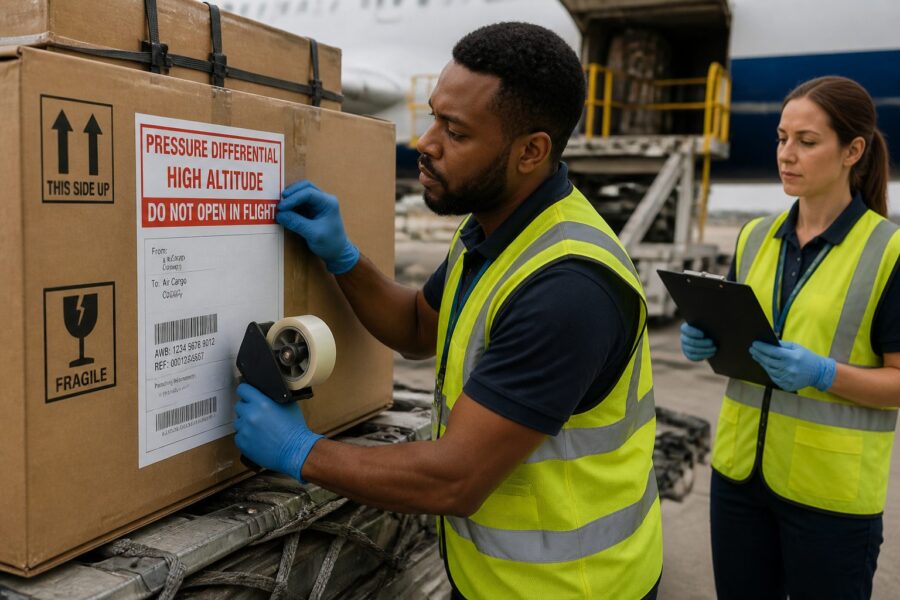
Air cargo operates under specific conditions that can significantly affect the safety and integrity of goods during transit, especially given the unique challenges that arise as packages ascend to high altitudes. Understanding the unique labeling needs stemming from pressure changes at high altitudes is crucial for ensuring compliance with regulations and preventing potential damage to sensitive items being shipped across distances.
As cargo ascends to higher altitudes, the pressure differential can lead to various complications for sensitive goods, including alterations in their physical properties and chemical compositions. This reality necessitates precise labeling to effectively communicate the potential risks associated with air transport and ensure that all parties involved are aware of the specific handling requirements.
Why Air Cargo Pressure Changes Create Unique Labeling Needs
The pressure changes encountered during air cargo transport can impact the stability of various items, particularly those that are sensitive to changes in atmospheric conditions like temperature and pressure. Goods that are pressure-sensitive, such as certain pharmaceuticals and electronics, require specific labels to alert handlers and recipients of the potential hazards associated with their transport, thereby enhancing safety measures.
For example, items such as pharmaceuticals, electronics, and fragile materials may experience alterations in their physical state due to pressure fluctuations, which could lead to spoilage, malfunction, or breakage. Without proper labeling, these items could be subjected to conditions that lead to significant financial losses or safety risks, highlighting the importance of effective communication through labeling.
Air cargo pressure warning labels play an essential role in communicating these risks by ensuring that everyone involved in the shipping process understands the precautions necessary for handling such cargo. These labels are not just informational; they are vital tools that help prevent accidents and ensure that handlers take the necessary steps to protect the integrity of the goods being shipped.
The International Air Transport Association (IATA) provides guidelines to help shippers comply with air cargo regulations, which are designed to mitigate risks associated with pressure changes. Adhering to these standards can significantly reduce the risk of accidents and product loss, thereby promoting a safer shipping environment for all involved in air freight logistics.
By integrating high-altitude shipping labels into their logistics processes, shippers can effectively mitigate risks and enhance the safety of their operations. This proactive approach not only protects the cargo but also boosts the reliability of air freight services, ensuring that goods reach their destinations in optimal condition.
IATA Packing Instructions That Require Pressure Differential Warnings
The IATA outlines specific packing instructions for cargo that may be affected by pressure differentials during flight, which are crucial for ensuring the safety of sensitive goods. These instructions serve as a guideline for shippers to ensure that proper warnings are included on their shipments, thus minimizing the chances of mishaps during transit.
When packing goods that are sensitive to air pressure changes, it is essential to follow these guidelines closely in order to enhance the overall safety of the cargo. Compliance not only helps prevent damage to the items being shipped but also ensures safety throughout the entire shipping process, lowering the risk of incidents that could affect the supply chain.
Shippers must be aware of the various IATA packing instructions that mandate pressure differential warnings, as these regulations are designed to safeguard against potential hazards. This awareness is crucial for effectively labeling goods that could be adversely affected by altitude changes, ensuring that all necessary precautions are taken during handling and transport.
Items such as aerosols, batteries, and certain pharmaceuticals require specific labeling to prevent mishaps and ensure safe transit. Failure to adhere to these instructions can result in severe consequences, including product loss, safety hazards, and potential legal ramifications for the shipper.
By integrating these IATA packing instructions into their shipping processes, companies can improve compliance and enhance the safety of their operations. This commitment to safety is vital in today’s competitive air cargo environment, where even minor oversights can lead to significant problems.
Required Label Text and Symbols for Pressure-Sensitive Goods
When labeling pressure-sensitive goods, it is imperative to include specific text and symbols as outlined by IATA guidelines, which are designed to provide clear communication regarding the nature of the cargo. These requirements ensure that handlers are aware of the risks associated with pressure changes during transport, thereby enhancing the overall safety of the shipping process.
Common elements of required label text include explicit warnings about pressure differentials, handling instructions, and any other relevant safety information. Incorporating recognized symbols can further enhance communication and understanding among handlers, making it easier for them to take the necessary precautions.
Some critical symbols include the high-altitude shipping labels air cargo and the air cargo pressure warning label, which are essential for conveying the risks involved. These visual cues serve to quickly convey the necessary precautions to all parties involved in the shipping process, thereby reducing the likelihood of accidents and mishandling.
Additionally, the IATA altitude packaging mark should be prominently displayed, as this mark indicates that the package contains items that may be sensitive to altitude changes. Proper visibility of these labels is crucial, as it ensures that handlers are consistently reminded of the special handling requirements necessary for safe transport.
Incorporating all required label text and symbols is not just a matter of compliance; it is also a matter of safety that can significantly impact the outcome of air cargo shipments. Proper labeling can prevent damage to goods, ensure a smoother shipping process, and ultimately save companies from incurring costly losses due to mishaps.
Positioning Altitude Warning Labels on Outer Cartons
The strategic placement of altitude warning labels on outer cartons is vital for effective communication throughout the shipping process. Labels should be positioned where they are clearly visible and easy to identify by handlers, ensuring that they are noticed during critical stages of handling and transport.
Typically, these labels should be affixed on the top and sides of the carton to maximize visibility. This placement helps ensure that the warning is noticed during handling, loading, and unloading processes, reducing the chances of mishandling sensitive cargo.
It is also essential to ensure that labels are not covered or obscured by other shipping labels or markings that could distract handlers from the warnings. Clear visibility of altitude warnings will help prevent mishandling and potential damage to sensitive goods, thereby enhancing the safety of air cargo operations.
Furthermore, ensuring that labels are durable and resistant to wear is crucial, as the shipping process can be rough on packaging. High-quality labels will withstand the rigors of the shipping process and maintain their legibility, further contributing to the safety of the cargo.
Ultimately, proper positioning of altitude warning labels can significantly enhance the safety and efficacy of air cargo transport, as it ensures that handlers can easily access the information they need to handle the goods appropriately. Adhering to these best practices will contribute to a more reliable shipping process, ultimately benefiting both shippers and recipients.
Comparing Cargo-Only vs. Passenger Aircraft Hold Label Requirements
Understanding the differences between cargo-only and passenger aircraft hold label requirements is essential for compliance in the air cargo industry. Each type of aircraft has specific regulations that must be adhered to for safe transport of goods, and recognizing these distinctions can help shippers tailor their practices accordingly.
In cargo-only aircraft, the focus is solely on freight, which may lead to different labeling requirements compared to passenger aircraft where the presence of people necessitates stricter safety protocols. These distinctions can significantly impact how goods are packaged and labeled, as shippers must account for the unique conditions and risks associated with each type of aircraft.
For instance, cargo holds in passenger aircraft must accommodate both passengers and cargo, leading to stricter regulations regarding the labeling of hazardous materials. Labels must clearly indicate any hazardous materials or items that require special handling, ensuring that safety is prioritized throughout the transport process.
Conversely, cargo-only aircraft may have more flexible labeling requirements due to the absence of passengers, but safety remains a priority regardless of the aircraft type. Labels still need to communicate the necessary information effectively to ensure proper handling, and failure to do so can have serious consequences.
Comparing these requirements allows shippers to tailor their labeling strategies effectively, ensuring that they meet all necessary regulations for their specific shipping circumstances. A thorough understanding of aircraft hold label requirements is crucial for successful air cargo logistics and can help prevent costly mistakes that could jeopardize shipments.
Dry Ice and Liquid Nitrogen Labels for Air Freight Shipments
When shipping goods that require dry ice or liquid nitrogen, specific labeling is essential to ensure the safety of all involved in the transport process. These substances can pose significant risks, necessitating clear and precise labels to inform handlers of the associated dangers and ensure they take the appropriate precautions.
Shippers must use labels that comply with IATA regulations for dry ice and liquid nitrogen, as these guidelines are designed to mitigate risks associated with these hazardous materials. These labels should prominently feature the appropriate hazard symbols, handling instructions, and any other relevant safety information that handlers need to be aware of.
- Dry Ice Hazard Label
- Liquid Nitrogen Hazard Label
- Temperature Control Instructions
- Handling Precautions
- Emergency Contact Information
Providing this information ensures that handlers are fully aware of the risks involved and can take the necessary precautions to handle these materials safely. Proper labeling enhances safety and compliance during air freight shipments involving these hazardous substances, thereby protecting both the cargo and the individuals handling it.
Electronic Device Labels for Cargo Holds: IATA Packing Instruction 966 and 967
Shippers must follow IATA Packing Instructions 966 and 967 when transporting electronic devices via air, which are specially designed to address the unique challenges posed by lithium batteries and other electronic components. These instructions outline specific labeling requirements to ensure the safe transport of these items, which can be prone to hazards if not handled correctly.
Proper labels must indicate the presence of lithium batteries, along with any necessary handling instructions to mitigate potential risks. These precautions are critical for preventing accidents and ensuring the safety of the cargo hold, as electronic devices can pose significant risks if they are not appropriately managed during transit.
| Label Type | Required Information | Handling Instructions |
|---|---|---|
| Lithium Battery Label | Must include watt-hour rating | Do not expose to extreme temperatures |
| General Cargo Label | Identify contents clearly | Handle with care |
| Emergency Response Label | Contact information for emergencies | Follow emergency protocols |
| Transport Label | Indicate transport mode and destination | Verify prior to loading |
Adhering to these labeling guidelines not only ensures compliance with IATA regulations but also promotes safety throughout the entire shipping process. Properly labeled electronic devices are less likely to cause incidents during transit, thereby safeguarding both the cargo and the integrity of the air transport system.
Temperature and Pressure Recorder Labels for Sensitive Goods in Air Transit
Temperature and pressure recorder labels are crucial for monitoring sensitive goods during air transit, especially for items that require strict adherence to specific environmental conditions. They help ensure that items remain within safe limits throughout the shipping process, thereby minimizing the risk of spoilage or damage.
These labels should clearly communicate the operating parameters for temperature and pressure, providing handlers with the necessary information to take immediate action if any deviations occur during transit. This information is vital for ensuring that sensitive goods are maintained within their required environmental conditions, ultimately protecting their quality and integrity.
Implementing these labels provides an additional layer of safety for pressure-sensitive goods, as they allow for real-time monitoring of the conditions experienced by the cargo. Accurate monitoring can mitigate risks and prevent damage during air freight operations, thereby enhancing the reliability of the shipping process.
Using temperature and pressure recorder labels improves the overall reliability of air cargo shipments, providing peace of mind for shippers and recipients alike. Shippers can ensure that their goods arrive in optimal condition by closely monitoring these factors, reducing the likelihood of disputes or claims arising from damaged or spoiled items.
Ultimately, these labels play a vital role in safeguarding sensitive cargo during air transit, as they serve to enhance the overall safety and compliance of the shipping process. Proper implementation of temperature and pressure recorder labels contributes to a successful and compliant shipping process, benefiting all parties involved.
Airline and IATA Acceptance Check: What Handlers Verify on Your Labels
The acceptance check performed by airlines and IATA handlers is a critical step in the air cargo process, serving as a final safeguard to ensure that shipments are compliant with all necessary regulations. Handlers verify that all labels meet the required standards before accepting shipments for transport, thereby reducing the likelihood of issues arising during transit.
Key elements of the acceptance check include reviewing the accuracy of label information, ensuring compliance with IATA regulations, and verifying that all necessary warning labels are present. This thorough examination helps prevent issues during transit, ensuring safety for both the cargo and the individuals handling it.
Handlers will typically check for the presence of required warning labels, including altitude and pressure-sensitive markings, which are essential for proper handling. Compliance with these requirements is essential for the safe handling of air cargo, as it ensures that all parties are aware of the necessary precautions.
Additionally, verification of special handling instructions is crucial for certain types of cargo that may require specific care. Ensuring that all labels are correctly positioned, legible, and accessible is also part of the acceptance check process, as proper visibility is key to effective communication.
In conclusion, understanding the airline and IATA acceptance check is vital for shippers and handlers alike, as it plays a significant role in maintaining the safety and integrity of air cargo shipments. Proper labeling not only enhances compliance but also ensures the safe and successful transport of goods, ultimately benefiting the entire logistics chain.