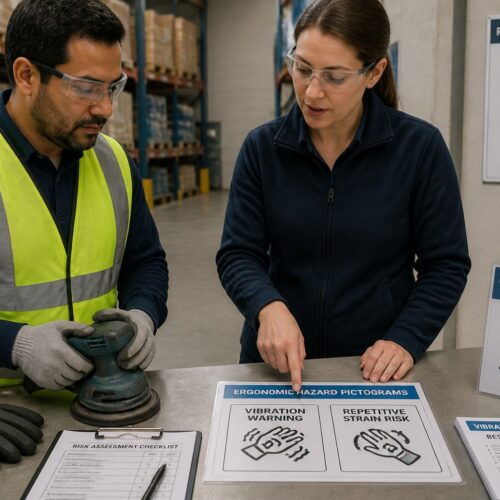


While ISO standards provide a strong foundation for pharmaceutical handling pictograms, local health authorities like the FDA in the US or the EMA in Europe might introduce additional guidelines. Companies must ensure their labeling strategies satisfy both global best practices and specific national mandates. This dual compliance often requires careful planning.
One significant challenge involves ensuring consistent application of these symbols across a vast and varied supply chain. Manufacturers often work with multiple logistics partners, each operating in different jurisdictions with varying levels of training and oversight. Maintaining uniformity in labeling practices is a continuous effort.
The sheer volume and diversity of pharmaceutical products also add to the complexity. From bulk raw materials to finished dosage forms, each item may have unique handling requirements that need clear pictogram representation. Developing comprehensive labeling matrices is essential for managing this diversity.
Counterfeit products pose another serious threat, and while not directly related to pictogram design, compliant labeling helps differentiate legitimate products. Authentic pharmaceutical handling pictograms, correctly applied, are part of a larger security strategy to combat illicit trade. They contribute to product traceability and authenticity verification.
Technological advancements also introduce new considerations, such as the integration of digital labeling or QR codes that link to more detailed handling instructions. Ensuring these digital elements complement and reinforce physical pictograms is a developing area of compliance. The future of labeling involves both physical and digital components.
Companies must invest in robust quality management systems to monitor and verify the correct use of pharmaceutical handling pictograms. Regular audits and inspections are necessary to identify and rectify any deviations from established standards. This vigilance protects both product integrity and patient safety.
Ultimately, successful global pharmaceutical distribution hinges on a proactive and adaptive approach to labeling compliance. Overcoming these challenges requires a deep understanding of international standards and local regulations, coupled with a commitment to continuous improvement. The integrity of the supply chain depends on it.
The Impact of Proper Pictogram Implementation in Warehouses
Warehouses are critical hubs in the pharmaceutical supply chain, and the proper implementation of pharmaceutical handling pictograms within these facilities has a profound impact. Clear and consistent symbols directly influence operational efficiency, safety, and regulatory adherence. A well-organized warehouse relies heavily on this visual communication.
In a bustling pharmaceutical warehouse, goods are constantly moving, being stored, picked, and packed. Pictograms on packaging provide immediate guidance to staff, ensuring that temperature-sensitive items are quickly moved to cold storage or fragile goods are handled with extra care. This prevents costly errors and product damage.
Effective symbol placement on shelving, storage bins, and even floor markings reinforces proper handling procedures. For example, a “do not stack” pictogram on a pallet or storage area prevents crushing of delicate medical devices. This visual reinforcement minimizes manual handling mistakes.
Proper pictogram use also aids in inventory management and stock rotation, especially for products with limited shelf lives or specific storage conditions. Clear “use by” or “expiration date” symbols, alongside handling instructions, ensure that products are managed effectively. This reduces waste and ensures product freshness.
Furthermore, these symbols are crucial for maintaining compliance with Good Storage Practices (GSP) and Good Distribution Practices (GDP), which are mandatory in the pharmaceutical industry. Regulatory bodies frequently audit warehouses for adherence to these guidelines, including proper labeling. Non-compliance can lead to severe penalties.
The visual nature of pharmaceutical handling pictograms helps bridge language barriers among a diverse warehouse workforce. This is particularly important in large international logistics centers where employees may speak various native languages. Universal symbols ensure everyone understands critical instructions.
Implementing these pictograms effectively contributes to a safer working environment for warehouse personnel. By clearly indicating hazards or special handling needs, they reduce the risk of accidents, injuries, and exposure to hazardous materials. This proactive safety measure benefits everyone.
Ultimately, a warehouse that meticulously implements and enforces the use of pharmaceutical handling pictograms operates more smoothly, safely, and compliantly. These symbols are essential tools for maintaining the quality and integrity of pharmaceutical products from storage to dispatch. They are truly indispensable for modern pharmaceutical logistics.
Training and Education for Effective Symbol Recognition
The effectiveness of pharmaceutical handling pictograms hinges entirely on the ability of personnel to correctly recognize and interpret them. Comprehensive training and ongoing education are therefore paramount for anyone involved in the pharmaceutical supply chain. Without proper understanding, even the clearest symbols become meaningless.
Training programs should cover the specific meaning of each relevant pictogram, its application, and the consequences of misinterpretation. It is not enough to simply show a symbol; employees must understand the rationale behind each handling instruction. This deeper understanding fosters a culture of compliance and safety.
Educational materials should be accessible and engaging, using visual aids, quizzes, and practical exercises to reinforce learning. Hands-on training with actual pharmaceutical packaging can significantly improve retention and application skills. Real-world scenarios help solidify knowledge.
Regular refresher courses are also crucial, especially as new pharmaceutical handling pictograms are introduced or existing standards are updated. The dynamic nature of global logistics and regulatory requirements means that training cannot be a one-time event. Continuous learning ensures ongoing proficiency.
Companies should integrate pictogram recognition into their onboarding processes for all new employees in logistics, warehousing, and quality control departments. This ensures that everyone starts with a foundational understanding of critical safety and handling protocols. Early education sets the stage for consistent adherence.
Furthermore, training should address the importance of reporting unclear or damaged labeling. Employees must understand their role in maintaining the integrity of the visual communication system. This empowers them to act as additional safeguards within the supply chain.
The investment in robust training programs for pharmaceutical handling pictograms yields significant returns in terms of reduced errors, improved safety, and enhanced efficiency. It minimizes the risk of product spoilage, recalls, and regulatory non-compliance. This commitment to education is a strategic advantage.
Ultimately, a well-trained workforce is the strongest defense against mishandling and preventable damage to pharmaceutical products. Effective symbol recognition is a cornerstone of responsible pharmaceutical logistics and a testament to an organization’s dedication to patient safety. Education truly drives compliance.
The Future of Pharmaceutical Symbology and Digital Integration
The landscape of pharmaceutical handling pictograms is continuously evolving, with digital integration poised to play an increasingly significant role. While physical symbols remain indispensable, technological advancements offer exciting opportunities to enhance and complement traditional labeling methods. The future promises even greater precision and accessibility.
One key trend is the integration of scannable codes, such as QR codes or DataMatrix codes, alongside traditional pictograms on pharmaceutical packaging. These codes can link to detailed digital information, including multilingual handling instructions, batch-specific data, and real-time temperature logs. This provides a richer layer of information.
Such digital enhancements can provide dynamic instructions that adapt to specific conditions, like changes in transit routes or unexpected temperature excursions. This allows for more responsive and intelligent handling throughout the logistics chain. It moves beyond static information to interactive guidance.
The development of augmented reality (AR) applications for warehouse and logistics personnel is another promising frontier. Imagine scanning a package with a tablet and seeing overlayed digital pictograms and instructions, guiding correct placement or handling. This can revolutionize training and operational efficiency.
Standardization bodies like ISO are actively exploring how to integrate these digital elements into existing frameworks for pharmaceutical handling pictograms. The goal is to ensure that digital information remains consistent, reliable, and universally accessible. Harmonization between physical and digital is essential.
Blockchain technology also holds potential for enhancing traceability and verifying the authenticity of handling instructions linked to pharmaceutical products. This could provide an immutable record of all handling events and associated pictograms, increasing transparency and trust. It adds another layer of security.
As the pharmaceutical supply chain becomes even more globalized and complex, the need for robust and adaptable symbology will only grow. The blend of clear physical pharmaceutical handling pictograms with intelligent digital overlays represents a powerful future for logistics and safety. This hybrid approach offers the best of both worlds.
Ultimately, the continuous innovation in pharmaceutical symbology aims to further reduce errors, enhance product integrity, and ensure patient safety on a global scale. By embracing these advancements while upholding established standards, the industry can build an even more resilient and efficient supply chain. The journey towards perfect communication continues.
The commitment to using appropriate pharmaceutical handling pictograms reflects an organization’s dedication to quality and regulatory compliance. These symbols are more than just pictures; they are a critical component of a comprehensive risk management strategy. They actively contribute to maintaining the cold chain and other specific storage conditions required for many medications.
Understanding and applying these pictograms correctly is a fundamental skill for anyone working with medical products. Training programs often emphasize the importance of these visual cues for maintaining product quality and preventing costly mistakes. The reliability of the pharmaceutical supply chain is directly linked to the clarity of its labeling.
Ultimately, the proper use of pharmaceutical handling pictograms ensures that patients receive safe and effective treatments. These symbols are a testament to the industry’s collective effort to standardize safety measures globally. They embody a commitment to precision in every aspect of pharmaceutical distribution.
Understanding the Universal Language of Symbols
The concept of a universal language for handling instructions is not new, but its application in the pharmaceutical sector holds particular significance. Symbols offer an immediate, unambiguous message that words often cannot convey across different languages. This visual shorthand is essential for rapid comprehension in fast-paced logistics environments.
These symbols are designed to be intuitive, often depicting the action or condition they represent in a simplified graphic form. For instance, a snowflake symbol immediately suggests “keep frozen” or “do not freeze.” Such clarity reduces the need for extensive textual explanations and prevents misinterpretations.
The power of symbols lies in their ability to transcend literacy levels and cultural backgrounds. A worker in a remote warehouse understands “fragile” just as readily as a customs agent in a busy port. This universality is a cornerstone of effective international logistics and safety protocols.
Standardization bodies like the International Organization for Standardization (ISO) play a pivotal role in developing and maintaining these globally recognized symbols. Their rigorous processes ensure that each pictogram is tested for clarity and effectiveness across diverse populations. This commitment to consistency ensures reliable communication.
When we talk about pharmaceutical handling pictograms, we are referring to a specific subset of these universal symbols tailored to medical products. These often include instructions related to temperature control, protection from light, or careful handling due to fragility. Each symbol carries a specific, critical instruction.
The consistent appearance and meaning of these symbols prevent confusion and streamline operations. Imagine the chaos if every country or company used different symbols for the same instruction; errors would become inevitable. Standardized symbols are a global agreement on how to communicate vital information.
This universal language is not static; it evolves as new handling requirements or risks emerge for pharmaceutical products. Experts continually review and update symbol sets to ensure they remain relevant and effective. This dynamic approach guarantees ongoing safety and efficiency.
Ultimately, embracing this universal language of symbols empowers supply chain professionals to make informed decisions quickly and accurately. It builds a foundation of trust and reliability in the handling of sensitive pharmaceutical goods. The clarity provided by these pictograms is an invaluable asset.
ISO Standards Driving Pharmaceutical Labeling
International Standards Organization (ISO) standards are the bedrock upon which effective pharmaceutical labeling and logistics are built. These critical guidelines ensure that pharmaceutical handling pictograms are consistent, clear, and universally understood. Adhering to these standards is not optional; it is a fundamental requirement for global trade and patient safety.
ISO develops and publishes standards that provide a common framework for various industries, including healthcare and logistics. For pharmaceutical products, several key ISO standards directly influence the design and application of handling symbols. These standards help bridge communication gaps across diverse supply chains.
| ISO Standard | Primary Focus | Relevance to Pharmaceuticals |
|---|---|---|
| ISO 780 | Packaging Pictorial Markings for Handling of Goods | General handling instructions (e.g., fragile, keep dry, this way up) for all cargo, including medical supplies. |
| ISO 15223-1 | Medical Devices – Symbols to be Used with Medical Device Labels, Labeling and Information to be Supplied – Part 1: General Requirements | Specific symbols for medical devices, many of which are relevant to pharmaceutical packaging, such as “do not reuse” or “sterile.” |
| ISO 7000 | Graphical Symbols for Use on Equipment – Registered Symbols | A comprehensive database of universally understood graphical symbols, some of which are adapted for pharmaceutical equipment or packaging. |
| ISO 13485 | Medical Devices – Quality Management Systems – Requirements for Regulatory Purposes | While not directly about symbols, it mandates quality management systems that ensure correct labeling and symbol use for medical devices and related products. |
| ISO 22000 | Food Safety Management Systems – Requirements for Any Organization in the Food Chain | Though focused on food, its principles for clear labeling and handling can influence pharmaceutical packaging where cross-contamination or specific storage is critical. |
Enhancing Safety Across the Supply Chain
The integration of pharmaceutical handling pictograms significantly enhances safety at every stage of the supply chain. From manufacturing facilities to distribution centers and ultimately to healthcare providers, these symbols provide immediate visual alerts that prevent mishandling. This proactive approach to safety is critical for sensitive medical products.
Consider the potential for catastrophic errors if temperature-sensitive vaccines are stored incorrectly due to a lack of clear labeling. Pictograms like “keep refrigerated” or “protect from light” are not merely suggestions; they are non-negotiable instructions. These symbols are vital for maintaining the efficacy and safety of medications.
In a busy warehouse environment, where speed and accuracy are paramount, text-heavy labels can be easily overlooked or misunderstood. Pharmaceutical handling pictograms cut through the noise, delivering essential information at a glance. They act as a universal language for safety, ensuring compliance even with diverse workforces.
These symbols also play a crucial role during transit, particularly in international shipping where packages might pass through multiple jurisdictions. Customs officials, freight forwarders, and delivery drivers rely on these visual cues to understand special handling requirements. This consistent communication prevents delays and damage.
The consequences of compromised pharmaceutical products extend beyond financial losses; they directly impact patient health outcomes. Incorrect storage or handling can render medications ineffective, or worse, toxic. Therefore, robust labeling with standardized symbols is a direct investment in public health.
Implementing a comprehensive system for using pharmaceutical handling pictograms also aids in regulatory compliance with bodies like the FDA and EMA. These agencies often mandate clear and unambiguous labeling to ensure product safety and traceability. Adherence to these guidelines is non-negotiable for market access.
Training personnel on the correct interpretation and application of these symbols is an ongoing safety imperative. Regular refreshers ensure that all staff remain proficient in understanding these critical visual instructions. This continuous education reinforces a culture of safety throughout the organization.
Ultimately, the widespread adoption and correct use of pharmaceutical handling pictograms create a safer, more reliable supply chain for medications. They are a simple yet powerful tool in the complex mission of delivering vital healthcare products. These symbols are truly indispensable for global pharmaceutical safety.
Logistics Efficiency Through Standardized Symbols
Beyond safety, standardized pharmaceutical handling pictograms are powerful drivers of efficiency within logistics operations. The ability to quickly and accurately identify handling requirements significantly streamlines warehousing, transportation, and distribution processes. This visual efficiency translates directly into faster turnaround times and reduced operational costs.
Imagine a large distribution center processing thousands of diverse pharmaceutical shipments daily. If each package required a detailed textual review of its handling instructions, the process would be incredibly slow and prone to errors. Pictograms allow for instant recognition and sorting, speeding up the entire workflow.
These symbols facilitate rapid decision-making for forklift operators, packers, and inventory managers. They can quickly determine where a particular shipment needs to go, how it should be stacked, and what environmental controls are necessary. This immediate visual cue reduces bottlenecks and improves throughput.
Standardized labeling also simplifies training for new logistics personnel. Instead of memorizing complex textual instructions for countless products, they learn a universal set of symbols that apply across the board. This reduces training time and increases the speed at which new employees become productive.
Furthermore, the clarity provided by pharmaceutical handling pictograms minimizes product damage during transit and storage. Fewer damaged goods mean less waste, fewer returns, and lower replacement costs. This directly impacts the bottom line for pharmaceutical companies and their logistics partners.
In a globalized supply chain, where goods cross numerous borders, standardized symbols ensure consistent handling instructions regardless of the local language. This eliminates the need for multilingual labels on every package, saving space and printing costs. This global understanding is a huge logistical advantage.
The adoption of ISO standards for these symbols ensures interoperability across different logistics systems and companies. A symbol applied in one country will be understood in another, fostering seamless international trade. This common visual language underpins efficient global pharmaceutical distribution.
Ultimately, investing in clear, standardized pharmaceutical handling pictograms is an investment in operational excellence. These symbols are not just about compliance; they are about optimizing every facet of the pharmaceutical logistics process. They represent a smart approach to complex global challenges.
Common Pharmaceutical Handling Pictograms Explained
Understanding the most common pharmaceutical handling pictograms is essential for anyone involved in the storage and transport of medical products. These symbols convey critical instructions that ensure product integrity and patient safety. Familiarity with these visual cues is a fundamental requirement in pharmaceutical logistics.
The symbols are typically derived from international standards like ISO 780 and ISO 15223-1, ensuring their universal recognition and consistent meaning. We will explore some frequently encountered examples and their specific implications for pharmaceutical handling. Each pictogram serves a unique and vital purpose.
- **Fragile / Handle with Care:** A broken glass icon, indicating the contents are delicate and require careful handling to prevent damage.
- **This Way Up:** Two upward-pointing arrows on a line, specifying the correct orientation for upright storage and transport to prevent leakage or shifting.
- **Keep Dry:** An umbrella with raindrops, signifying that the package must be protected from moisture and stored in a dry environment.
- **Protect from Sunlight:** A sun icon with a diagonal line through it, instructing to keep the product away from direct sunlight to prevent degradation.
- **Temperature Range:** A thermometer with a specified range (e.g., 2°C – 8°C), indicating the required storage temperature to maintain stability.
- **Do Not Stack:** A crossed-out stacking symbol (often two boxes with a cross), warning against placing other items on top of the package.
- **Keep Refrigerated:** A snowflake or a refrigerator icon, denoting a requirement for cold storage conditions.
- **Do Not Reuse:** A “2” with a diagonal line through it or a similar symbol, common for single-use medical devices and preventing contamination.
- **Sterile:** A “STERILE” text or a specific sterilization method symbol, indicating the product has been sterilized and must maintain aseptic conditions.
Challenges and Compliance in Global Pharmaceutical Distribution
Navigating the complexities of global pharmaceutical distribution presents numerous challenges, with compliance being a constant concern. Different countries and regions may have specific regulatory requirements for labeling, even when adhering to international standards. This intricate web of regulations demands meticulous attention to detail from pharmaceutical companies.
While ISO standards provide a strong foundation for pharmaceutical handling pictograms, local health authorities like the FDA in the US or the EMA in Europe might introduce additional guidelines. Companies must ensure their labeling strategies satisfy both global best practices and specific national mandates. This dual compliance often requires careful planning.
One significant challenge involves ensuring consistent application of these symbols across a vast and varied supply chain. Manufacturers often work with multiple logistics partners, each operating in different jurisdictions with varying levels of training and oversight. Maintaining uniformity in labeling practices is a continuous effort.
The sheer volume and diversity of pharmaceutical products also add to the complexity. From bulk raw materials to finished dosage forms, each item may have unique handling requirements that need clear pictogram representation. Developing comprehensive labeling matrices is essential for managing this diversity.
Counterfeit products pose another serious threat, and while not directly related to pictogram design, compliant labeling helps differentiate legitimate products. Authentic pharmaceutical handling pictograms, correctly applied, are part of a larger security strategy to combat illicit trade. They contribute to product traceability and authenticity verification.
Technological advancements also introduce new considerations, such as the integration of digital labeling or QR codes that link to more detailed handling instructions. Ensuring these digital elements complement and reinforce physical pictograms is a developing area of compliance. The future of labeling involves both physical and digital components.
Companies must invest in robust quality management systems to monitor and verify the correct use of pharmaceutical handling pictograms. Regular audits and inspections are necessary to identify and rectify any deviations from established standards. This vigilance protects both product integrity and patient safety.
Ultimately, successful global pharmaceutical distribution hinges on a proactive and adaptive approach to labeling compliance. Overcoming these challenges requires a deep understanding of international standards and local regulations, coupled with a commitment to continuous improvement. The integrity of the supply chain depends on it.
The Impact of Proper Pictogram Implementation in Warehouses
Warehouses are critical hubs in the pharmaceutical supply chain, and the proper implementation of pharmaceutical handling pictograms within these facilities has a profound impact. Clear and consistent symbols directly influence operational efficiency, safety, and regulatory adherence. A well-organized warehouse relies heavily on this visual communication.
In a bustling pharmaceutical warehouse, goods are constantly moving, being stored, picked, and packed. Pictograms on packaging provide immediate guidance to staff, ensuring that temperature-sensitive items are quickly moved to cold storage or fragile goods are handled with extra care. This prevents costly errors and product damage.
Effective symbol placement on shelving, storage bins, and even floor markings reinforces proper handling procedures. For example, a “do not stack” pictogram on a pallet or storage area prevents crushing of delicate medical devices. This visual reinforcement minimizes manual handling mistakes.
Proper pictogram use also aids in inventory management and stock rotation, especially for products with limited shelf lives or specific storage conditions. Clear “use by” or “expiration date” symbols, alongside handling instructions, ensure that products are managed effectively. This reduces waste and ensures product freshness.
Furthermore, these symbols are crucial for maintaining compliance with Good Storage Practices (GSP) and Good Distribution Practices (GDP), which are mandatory in the pharmaceutical industry. Regulatory bodies frequently audit warehouses for adherence to these guidelines, including proper labeling. Non-compliance can lead to severe penalties.
The visual nature of pharmaceutical handling pictograms helps bridge language barriers among a diverse warehouse workforce. This is particularly important in large international logistics centers where employees may speak various native languages. Universal symbols ensure everyone understands critical instructions.
Implementing these pictograms effectively contributes to a safer working environment for warehouse personnel. By clearly indicating hazards or special handling needs, they reduce the risk of accidents, injuries, and exposure to hazardous materials. This proactive safety measure benefits everyone.
Ultimately, a warehouse that meticulously implements and enforces the use of pharmaceutical handling pictograms operates more smoothly, safely, and compliantly. These symbols are essential tools for maintaining the quality and integrity of pharmaceutical products from storage to dispatch. They are truly indispensable for modern pharmaceutical logistics.
Training and Education for Effective Symbol Recognition
The effectiveness of pharmaceutical handling pictograms hinges entirely on the ability of personnel to correctly recognize and interpret them. Comprehensive training and ongoing education are therefore paramount for anyone involved in the pharmaceutical supply chain. Without proper understanding, even the clearest symbols become meaningless.
Training programs should cover the specific meaning of each relevant pictogram, its application, and the consequences of misinterpretation. It is not enough to simply show a symbol; employees must understand the rationale behind each handling instruction. This deeper understanding fosters a culture of compliance and safety.
Educational materials should be accessible and engaging, using visual aids, quizzes, and practical exercises to reinforce learning. Hands-on training with actual pharmaceutical packaging can significantly improve retention and application skills. Real-world scenarios help solidify knowledge.
Regular refresher courses are also crucial, especially as new pharmaceutical handling pictograms are introduced or existing standards are updated. The dynamic nature of global logistics and regulatory requirements means that training cannot be a one-time event. Continuous learning ensures ongoing proficiency.
Companies should integrate pictogram recognition into their onboarding processes for all new employees in logistics, warehousing, and quality control departments. This ensures that everyone starts with a foundational understanding of critical safety and handling protocols. Early education sets the stage for consistent adherence.
Furthermore, training should address the importance of reporting unclear or damaged labeling. Employees must understand their role in maintaining the integrity of the visual communication system. This empowers them to act as additional safeguards within the supply chain.
The investment in robust training programs for pharmaceutical handling pictograms yields significant returns in terms of reduced errors, improved safety, and enhanced efficiency. It minimizes the risk of product spoilage, recalls, and regulatory non-compliance. This commitment to education is a strategic advantage.
Ultimately, a well-trained workforce is the strongest defense against mishandling and preventable damage to pharmaceutical products. Effective symbol recognition is a cornerstone of responsible pharmaceutical logistics and a testament to an organization’s dedication to patient safety. Education truly drives compliance.
The Future of Pharmaceutical Symbology and Digital Integration
The landscape of pharmaceutical handling pictograms is continuously evolving, with digital integration poised to play an increasingly significant role. While physical symbols remain indispensable, technological advancements offer exciting opportunities to enhance and complement traditional labeling methods. The future promises even greater precision and accessibility.
One key trend is the integration of scannable codes, such as QR codes or DataMatrix codes, alongside traditional pictograms on pharmaceutical packaging. These codes can link to detailed digital information, including multilingual handling instructions, batch-specific data, and real-time temperature logs. This provides a richer layer of information.
Such digital enhancements can provide dynamic instructions that adapt to specific conditions, like changes in transit routes or unexpected temperature excursions. This allows for more responsive and intelligent handling throughout the logistics chain. It moves beyond static information to interactive guidance.
The development of augmented reality (AR) applications for warehouse and logistics personnel is another promising frontier. Imagine scanning a package with a tablet and seeing overlayed digital pictograms and instructions, guiding correct placement or handling. This can revolutionize training and operational efficiency.
Standardization bodies like ISO are actively exploring how to integrate these digital elements into existing frameworks for pharmaceutical handling pictograms. The goal is to ensure that digital information remains consistent, reliable, and universally accessible. Harmonization between physical and digital is essential.
Blockchain technology also holds potential for enhancing traceability and verifying the authenticity of handling instructions linked to pharmaceutical products. This could provide an immutable record of all handling events and associated pictograms, increasing transparency and trust. It adds another layer of security.
As the pharmaceutical supply chain becomes even more globalized and complex, the need for robust and adaptable symbology will only grow. The blend of clear physical pharmaceutical handling pictograms with intelligent digital overlays represents a powerful future for logistics and safety. This hybrid approach offers the best of both worlds.
Ultimately, the continuous innovation in pharmaceutical symbology aims to further reduce errors, enhance product integrity, and ensure patient safety on a global scale. By embracing these advancements while upholding established standards, the industry can build an even more resilient and efficient supply chain. The journey towards perfect communication continues.
The commitment to using appropriate pharmaceutical handling pictograms reflects an organization’s dedication to quality and regulatory compliance. These symbols are more than just pictures; they are a critical component of a comprehensive risk management strategy. They actively contribute to maintaining the cold chain and other specific storage conditions required for many medications.
Understanding and applying these pictograms correctly is a fundamental skill for anyone working with medical products. Training programs often emphasize the importance of these visual cues for maintaining product quality and preventing costly mistakes. The reliability of the pharmaceutical supply chain is directly linked to the clarity of its labeling.
Ultimately, the proper use of pharmaceutical handling pictograms ensures that patients receive safe and effective treatments. These symbols are a testament to the industry’s collective effort to standardize safety measures globally. They embody a commitment to precision in every aspect of pharmaceutical distribution.
Understanding the Universal Language of Symbols
The concept of a universal language for handling instructions is not new, but its application in the pharmaceutical sector holds particular significance. Symbols offer an immediate, unambiguous message that words often cannot convey across different languages. This visual shorthand is essential for rapid comprehension in fast-paced logistics environments.
These symbols are designed to be intuitive, often depicting the action or condition they represent in a simplified graphic form. For instance, a snowflake symbol immediately suggests “keep frozen” or “do not freeze.” Such clarity reduces the need for extensive textual explanations and prevents misinterpretations.
The power of symbols lies in their ability to transcend literacy levels and cultural backgrounds. A worker in a remote warehouse understands “fragile” just as readily as a customs agent in a busy port. This universality is a cornerstone of effective international logistics and safety protocols.
Standardization bodies like the International Organization for Standardization (ISO) play a pivotal role in developing and maintaining these globally recognized symbols. Their rigorous processes ensure that each pictogram is tested for clarity and effectiveness across diverse populations. This commitment to consistency ensures reliable communication.
When we talk about pharmaceutical handling pictograms, we are referring to a specific subset of these universal symbols tailored to medical products. These often include instructions related to temperature control, protection from light, or careful handling due to fragility. Each symbol carries a specific, critical instruction.
The consistent appearance and meaning of these symbols prevent confusion and streamline operations. Imagine the chaos if every country or company used different symbols for the same instruction; errors would become inevitable. Standardized symbols are a global agreement on how to communicate vital information.
This universal language is not static; it evolves as new handling requirements or risks emerge for pharmaceutical products. Experts continually review and update symbol sets to ensure they remain relevant and effective. This dynamic approach guarantees ongoing safety and efficiency.
Ultimately, embracing this universal language of symbols empowers supply chain professionals to make informed decisions quickly and accurately. It builds a foundation of trust and reliability in the handling of sensitive pharmaceutical goods. The clarity provided by these pictograms is an invaluable asset.
ISO Standards Driving Pharmaceutical Labeling
International Standards Organization (ISO) standards are the bedrock upon which effective pharmaceutical labeling and logistics are built. These critical guidelines ensure that pharmaceutical handling pictograms are consistent, clear, and universally understood. Adhering to these standards is not optional; it is a fundamental requirement for global trade and patient safety.
ISO develops and publishes standards that provide a common framework for various industries, including healthcare and logistics. For pharmaceutical products, several key ISO standards directly influence the design and application of handling symbols. These standards help bridge communication gaps across diverse supply chains.
| ISO Standard | Primary Focus | Relevance to Pharmaceuticals |
|---|---|---|
| ISO 780 | Packaging Pictorial Markings for Handling of Goods | General handling instructions (e.g., fragile, keep dry, this way up) for all cargo, including medical supplies. |
| ISO 15223-1 | Medical Devices – Symbols to be Used with Medical Device Labels, Labeling and Information to be Supplied – Part 1: General Requirements | Specific symbols for medical devices, many of which are relevant to pharmaceutical packaging, such as “do not reuse” or “sterile.” |
| ISO 7000 | Graphical Symbols for Use on Equipment – Registered Symbols | A comprehensive database of universally understood graphical symbols, some of which are adapted for pharmaceutical equipment or packaging. |
| ISO 13485 | Medical Devices – Quality Management Systems – Requirements for Regulatory Purposes | While not directly about symbols, it mandates quality management systems that ensure correct labeling and symbol use for medical devices and related products. |
| ISO 22000 | Food Safety Management Systems – Requirements for Any Organization in the Food Chain | Though focused on food, its principles for clear labeling and handling can influence pharmaceutical packaging where cross-contamination or specific storage is critical. |
Enhancing Safety Across the Supply Chain
The integration of pharmaceutical handling pictograms significantly enhances safety at every stage of the supply chain. From manufacturing facilities to distribution centers and ultimately to healthcare providers, these symbols provide immediate visual alerts that prevent mishandling. This proactive approach to safety is critical for sensitive medical products.
Consider the potential for catastrophic errors if temperature-sensitive vaccines are stored incorrectly due to a lack of clear labeling. Pictograms like “keep refrigerated” or “protect from light” are not merely suggestions; they are non-negotiable instructions. These symbols are vital for maintaining the efficacy and safety of medications.
In a busy warehouse environment, where speed and accuracy are paramount, text-heavy labels can be easily overlooked or misunderstood. Pharmaceutical handling pictograms cut through the noise, delivering essential information at a glance. They act as a universal language for safety, ensuring compliance even with diverse workforces.
These symbols also play a crucial role during transit, particularly in international shipping where packages might pass through multiple jurisdictions. Customs officials, freight forwarders, and delivery drivers rely on these visual cues to understand special handling requirements. This consistent communication prevents delays and damage.
The consequences of compromised pharmaceutical products extend beyond financial losses; they directly impact patient health outcomes. Incorrect storage or handling can render medications ineffective, or worse, toxic. Therefore, robust labeling with standardized symbols is a direct investment in public health.
Implementing a comprehensive system for using pharmaceutical handling pictograms also aids in regulatory compliance with bodies like the FDA and EMA. These agencies often mandate clear and unambiguous labeling to ensure product safety and traceability. Adherence to these guidelines is non-negotiable for market access.
Training personnel on the correct interpretation and application of these symbols is an ongoing safety imperative. Regular refreshers ensure that all staff remain proficient in understanding these critical visual instructions. This continuous education reinforces a culture of safety throughout the organization.
Ultimately, the widespread adoption and correct use of pharmaceutical handling pictograms create a safer, more reliable supply chain for medications. They are a simple yet powerful tool in the complex mission of delivering vital healthcare products. These symbols are truly indispensable for global pharmaceutical safety.
Logistics Efficiency Through Standardized Symbols
Beyond safety, standardized pharmaceutical handling pictograms are powerful drivers of efficiency within logistics operations. The ability to quickly and accurately identify handling requirements significantly streamlines warehousing, transportation, and distribution processes. This visual efficiency translates directly into faster turnaround times and reduced operational costs.
Imagine a large distribution center processing thousands of diverse pharmaceutical shipments daily. If each package required a detailed textual review of its handling instructions, the process would be incredibly slow and prone to errors. Pictograms allow for instant recognition and sorting, speeding up the entire workflow.
These symbols facilitate rapid decision-making for forklift operators, packers, and inventory managers. They can quickly determine where a particular shipment needs to go, how it should be stacked, and what environmental controls are necessary. This immediate visual cue reduces bottlenecks and improves throughput.
Standardized labeling also simplifies training for new logistics personnel. Instead of memorizing complex textual instructions for countless products, they learn a universal set of symbols that apply across the board. This reduces training time and increases the speed at which new employees become productive.
Furthermore, the clarity provided by pharmaceutical handling pictograms minimizes product damage during transit and storage. Fewer damaged goods mean less waste, fewer returns, and lower replacement costs. This directly impacts the bottom line for pharmaceutical companies and their logistics partners.
In a globalized supply chain, where goods cross numerous borders, standardized symbols ensure consistent handling instructions regardless of the local language. This eliminates the need for multilingual labels on every package, saving space and printing costs. This global understanding is a huge logistical advantage.
The adoption of ISO standards for these symbols ensures interoperability across different logistics systems and companies. A symbol applied in one country will be understood in another, fostering seamless international trade. This common visual language underpins efficient global pharmaceutical distribution.
Ultimately, investing in clear, standardized pharmaceutical handling pictograms is an investment in operational excellence. These symbols are not just about compliance; they are about optimizing every facet of the pharmaceutical logistics process. They represent a smart approach to complex global challenges.
Common Pharmaceutical Handling Pictograms Explained
Understanding the most common pharmaceutical handling pictograms is essential for anyone involved in the storage and transport of medical products. These symbols convey critical instructions that ensure product integrity and patient safety. Familiarity with these visual cues is a fundamental requirement in pharmaceutical logistics.
The symbols are typically derived from international standards like ISO 780 and ISO 15223-1, ensuring their universal recognition and consistent meaning. We will explore some frequently encountered examples and their specific implications for pharmaceutical handling. Each pictogram serves a unique and vital purpose.
- **Fragile / Handle with Care:** A broken glass icon, indicating the contents are delicate and require careful handling to prevent damage.
- **This Way Up:** Two upward-pointing arrows on a line, specifying the correct orientation for upright storage and transport to prevent leakage or shifting.
- **Keep Dry:** An umbrella with raindrops, signifying that the package must be protected from moisture and stored in a dry environment.
- **Protect from Sunlight:** A sun icon with a diagonal line through it, instructing to keep the product away from direct sunlight to prevent degradation.
- **Temperature Range:** A thermometer with a specified range (e.g., 2°C – 8°C), indicating the required storage temperature to maintain stability.
- **Do Not Stack:** A crossed-out stacking symbol (often two boxes with a cross), warning against placing other items on top of the package.
- **Keep Refrigerated:** A snowflake or a refrigerator icon, denoting a requirement for cold storage conditions.
- **Do Not Reuse:** A “2” with a diagonal line through it or a similar symbol, common for single-use medical devices and preventing contamination.
- **Sterile:** A “STERILE” text or a specific sterilization method symbol, indicating the product has been sterilized and must maintain aseptic conditions.
Challenges and Compliance in Global Pharmaceutical Distribution
Navigating the complexities of global pharmaceutical distribution presents numerous challenges, with compliance being a constant concern. Different countries and regions may have specific regulatory requirements for labeling, even when adhering to international standards. This intricate web of regulations demands meticulous attention to detail from pharmaceutical companies.
While ISO standards provide a strong foundation for pharmaceutical handling pictograms, local health authorities like the FDA in the US or the EMA in Europe might introduce additional guidelines. Companies must ensure their labeling strategies satisfy both global best practices and specific national mandates. This dual compliance often requires careful planning.
One significant challenge involves ensuring consistent application of these symbols across a vast and varied supply chain. Manufacturers often work with multiple logistics partners, each operating in different jurisdictions with varying levels of training and oversight. Maintaining uniformity in labeling practices is a continuous effort.
The sheer volume and diversity of pharmaceutical products also add to the complexity. From bulk raw materials to finished dosage forms, each item may have unique handling requirements that need clear pictogram representation. Developing comprehensive labeling matrices is essential for managing this diversity.
Counterfeit products pose another serious threat, and while not directly related to pictogram design, compliant labeling helps differentiate legitimate products. Authentic pharmaceutical handling pictograms, correctly applied, are part of a larger security strategy to combat illicit trade. They contribute to product traceability and authenticity verification.
Technological advancements also introduce new considerations, such as the integration of digital labeling or QR codes that link to more detailed handling instructions. Ensuring these digital elements complement and reinforce physical pictograms is a developing area of compliance. The future of labeling involves both physical and digital components.
Companies must invest in robust quality management systems to monitor and verify the correct use of pharmaceutical handling pictograms. Regular audits and inspections are necessary to identify and rectify any deviations from established standards. This vigilance protects both product integrity and patient safety.
Ultimately, successful global pharmaceutical distribution hinges on a proactive and adaptive approach to labeling compliance. Overcoming these challenges requires a deep understanding of international standards and local regulations, coupled with a commitment to continuous improvement. The integrity of the supply chain depends on it.
The Impact of Proper Pictogram Implementation in Warehouses
Warehouses are critical hubs in the pharmaceutical supply chain, and the proper implementation of pharmaceutical handling pictograms within these facilities has a profound impact. Clear and consistent symbols directly influence operational efficiency, safety, and regulatory adherence. A well-organized warehouse relies heavily on this visual communication.
In a bustling pharmaceutical warehouse, goods are constantly moving, being stored, picked, and packed. Pictograms on packaging provide immediate guidance to staff, ensuring that temperature-sensitive items are quickly moved to cold storage or fragile goods are handled with extra care. This prevents costly errors and product damage.
Effective symbol placement on shelving, storage bins, and even floor markings reinforces proper handling procedures. For example, a “do not stack” pictogram on a pallet or storage area prevents crushing of delicate medical devices. This visual reinforcement minimizes manual handling mistakes.
Proper pictogram use also aids in inventory management and stock rotation, especially for products with limited shelf lives or specific storage conditions. Clear “use by” or “expiration date” symbols, alongside handling instructions, ensure that products are managed effectively. This reduces waste and ensures product freshness.
Furthermore, these symbols are crucial for maintaining compliance with Good Storage Practices (GSP) and Good Distribution Practices (GDP), which are mandatory in the pharmaceutical industry. Regulatory bodies frequently audit warehouses for adherence to these guidelines, including proper labeling. Non-compliance can lead to severe penalties.
The visual nature of pharmaceutical handling pictograms helps bridge language barriers among a diverse warehouse workforce. This is particularly important in large international logistics centers where employees may speak various native languages. Universal symbols ensure everyone understands critical instructions.
Implementing these pictograms effectively contributes to a safer working environment for warehouse personnel. By clearly indicating hazards or special handling needs, they reduce the risk of accidents, injuries, and exposure to hazardous materials. This proactive safety measure benefits everyone.
Ultimately, a warehouse that meticulously implements and enforces the use of pharmaceutical handling pictograms operates more smoothly, safely, and compliantly. These symbols are essential tools for maintaining the quality and integrity of pharmaceutical products from storage to dispatch. They are truly indispensable for modern pharmaceutical logistics.
Training and Education for Effective Symbol Recognition
The effectiveness of pharmaceutical handling pictograms hinges entirely on the ability of personnel to correctly recognize and interpret them. Comprehensive training and ongoing education are therefore paramount for anyone involved in the pharmaceutical supply chain. Without proper understanding, even the clearest symbols become meaningless.
Training programs should cover the specific meaning of each relevant pictogram, its application, and the consequences of misinterpretation. It is not enough to simply show a symbol; employees must understand the rationale behind each handling instruction. This deeper understanding fosters a culture of compliance and safety.
Educational materials should be accessible and engaging, using visual aids, quizzes, and practical exercises to reinforce learning. Hands-on training with actual pharmaceutical packaging can significantly improve retention and application skills. Real-world scenarios help solidify knowledge.
Regular refresher courses are also crucial, especially as new pharmaceutical handling pictograms are introduced or existing standards are updated. The dynamic nature of global logistics and regulatory requirements means that training cannot be a one-time event. Continuous learning ensures ongoing proficiency.
Companies should integrate pictogram recognition into their onboarding processes for all new employees in logistics, warehousing, and quality control departments. This ensures that everyone starts with a foundational understanding of critical safety and handling protocols. Early education sets the stage for consistent adherence.
Furthermore, training should address the importance of reporting unclear or damaged labeling. Employees must understand their role in maintaining the integrity of the visual communication system. This empowers them to act as additional safeguards within the supply chain.
The investment in robust training programs for pharmaceutical handling pictograms yields significant returns in terms of reduced errors, improved safety, and enhanced efficiency. It minimizes the risk of product spoilage, recalls, and regulatory non-compliance. This commitment to education is a strategic advantage.
Ultimately, a well-trained workforce is the strongest defense against mishandling and preventable damage to pharmaceutical products. Effective symbol recognition is a cornerstone of responsible pharmaceutical logistics and a testament to an organization’s dedication to patient safety. Education truly drives compliance.
The Future of Pharmaceutical Symbology and Digital Integration
The landscape of pharmaceutical handling pictograms is continuously evolving, with digital integration poised to play an increasingly significant role. While physical symbols remain indispensable, technological advancements offer exciting opportunities to enhance and complement traditional labeling methods. The future promises even greater precision and accessibility.
One key trend is the integration of scannable codes, such as QR codes or DataMatrix codes, alongside traditional pictograms on pharmaceutical packaging. These codes can link to detailed digital information, including multilingual handling instructions, batch-specific data, and real-time temperature logs. This provides a richer layer of information.
Such digital enhancements can provide dynamic instructions that adapt to specific conditions, like changes in transit routes or unexpected temperature excursions. This allows for more responsive and intelligent handling throughout the logistics chain. It moves beyond static information to interactive guidance.
The development of augmented reality (AR) applications for warehouse and logistics personnel is another promising frontier. Imagine scanning a package with a tablet and seeing overlayed digital pictograms and instructions, guiding correct placement or handling. This can revolutionize training and operational efficiency.
Standardization bodies like ISO are actively exploring how to integrate these digital elements into existing frameworks for pharmaceutical handling pictograms. The goal is to ensure that digital information remains consistent, reliable, and universally accessible. Harmonization between physical and digital is essential.
Blockchain technology also holds potential for enhancing traceability and verifying the authenticity of handling instructions linked to pharmaceutical products. This could provide an immutable record of all handling events and associated pictograms, increasing transparency and trust. It adds another layer of security.
As the pharmaceutical supply chain becomes even more globalized and complex, the need for robust and adaptable symbology will only grow. The blend of clear physical pharmaceutical handling pictograms with intelligent digital overlays represents a powerful future for logistics and safety. This hybrid approach offers the best of both worlds.
Ultimately, the continuous innovation in pharmaceutical symbology aims to further reduce errors, enhance product integrity, and ensure patient safety on a global scale. By embracing these advancements while upholding established standards, the industry can build an even more resilient and efficient supply chain. The journey towards perfect communication continues.
The global pharmaceutical supply chain is a marvel of modern logistics, moving life-saving medications and medical products across continents daily. Ensuring these sensitive items arrive safely and maintain their efficacy requires an unwavering commitment to clarity and precision at every step. This is where standardized pharmaceutical handling pictograms become absolutely indispensable.
These universally recognized symbols transcend language barriers, providing critical instructions for storage, transport, and use. Without clear, consistent labeling, the risks of damage, spoilage, or misuse of vital medical supplies escalate dramatically. Our focus today is on understanding the profound impact of these visual cues on safety and efficiency within the pharmaceutical sector.
Proper application of these pictograms is not just a best practice; it is a fundamental requirement for compliance and patient safety. We will explore how these symbols are developed, implemented, and maintained to uphold the highest standards in pharmaceutical logistics. The integrity of every dose depends on this visual language.
The Critical Role of Pharmaceutical Handling Pictograms
Pharmaceutical handling pictograms serve as silent guardians for medications and medical products throughout their journey from manufacturer to patient. These concise visual instructions communicate vital information about how a product should be stored, transported, and managed. Their primary function is to prevent errors and ensure product integrity, which is paramount in healthcare.
Consider the vulnerability of many pharmaceutical products to temperature fluctuations, light exposure, or physical shock. Without explicit symbols, warehouse personnel or transport providers might unknowingly compromise a product’s stability. Standardized labeling provides immediate, actionable guidance to everyone involved in the logistics chain.
The absence of clear pharmaceutical handling pictograms can lead to significant safety risks, including reduced drug efficacy or even harm to patients. Misinterpretation of handling instructions due to language barriers becomes a non-issue with universal symbols. This global understanding is a cornerstone of international pharmaceutical trade and patient safety.
Every stakeholder, from factory workers to pharmacists, relies on these symbols for quick and accurate decision-making. These pictograms are particularly vital in complex supply chains involving multiple countries and diverse workforces. They ensure that critical safety protocols are followed consistently, regardless of geographical location or native language.
Implementing a robust system of standardized symbols minimizes the potential for human error, which is a leading cause of product damage and recalls. This proactive approach to safety not only protects patients but also safeguards the reputation of pharmaceutical companies. Effective logistics hinges on this visual communication.
The commitment to using appropriate pharmaceutical handling pictograms reflects an organization’s dedication to quality and regulatory compliance. These symbols are more than just pictures; they are a critical component of a comprehensive risk management strategy. They actively contribute to maintaining the cold chain and other specific storage conditions required for many medications.
Understanding and applying these pictograms correctly is a fundamental skill for anyone working with medical products. Training programs often emphasize the importance of these visual cues for maintaining product quality and preventing costly mistakes. The reliability of the pharmaceutical supply chain is directly linked to the clarity of its labeling.
Ultimately, the proper use of pharmaceutical handling pictograms ensures that patients receive safe and effective treatments. These symbols are a testament to the industry’s collective effort to standardize safety measures globally. They embody a commitment to precision in every aspect of pharmaceutical distribution.
Understanding the Universal Language of Symbols
The concept of a universal language for handling instructions is not new, but its application in the pharmaceutical sector holds particular significance. Symbols offer an immediate, unambiguous message that words often cannot convey across different languages. This visual shorthand is essential for rapid comprehension in fast-paced logistics environments.
These symbols are designed to be intuitive, often depicting the action or condition they represent in a simplified graphic form. For instance, a snowflake symbol immediately suggests “keep frozen” or “do not freeze.” Such clarity reduces the need for extensive textual explanations and prevents misinterpretations.
The power of symbols lies in their ability to transcend literacy levels and cultural backgrounds. A worker in a remote warehouse understands “fragile” just as readily as a customs agent in a busy port. This universality is a cornerstone of effective international logistics and safety protocols.
Standardization bodies like the International Organization for Standardization (ISO) play a pivotal role in developing and maintaining these globally recognized symbols. Their rigorous processes ensure that each pictogram is tested for clarity and effectiveness across diverse populations. This commitment to consistency ensures reliable communication.
When we talk about pharmaceutical handling pictograms, we are referring to a specific subset of these universal symbols tailored to medical products. These often include instructions related to temperature control, protection from light, or careful handling due to fragility. Each symbol carries a specific, critical instruction.
The consistent appearance and meaning of these symbols prevent confusion and streamline operations. Imagine the chaos if every country or company used different symbols for the same instruction; errors would become inevitable. Standardized symbols are a global agreement on how to communicate vital information.
This universal language is not static; it evolves as new handling requirements or risks emerge for pharmaceutical products. Experts continually review and update symbol sets to ensure they remain relevant and effective. This dynamic approach guarantees ongoing safety and efficiency.
Ultimately, embracing this universal language of symbols empowers supply chain professionals to make informed decisions quickly and accurately. It builds a foundation of trust and reliability in the handling of sensitive pharmaceutical goods. The clarity provided by these pictograms is an invaluable asset.
ISO Standards Driving Pharmaceutical Labeling
International Standards Organization (ISO) standards are the bedrock upon which effective pharmaceutical labeling and logistics are built. These critical guidelines ensure that pharmaceutical handling pictograms are consistent, clear, and universally understood. Adhering to these standards is not optional; it is a fundamental requirement for global trade and patient safety.
ISO develops and publishes standards that provide a common framework for various industries, including healthcare and logistics. For pharmaceutical products, several key ISO standards directly influence the design and application of handling symbols. These standards help bridge communication gaps across diverse supply chains.
| ISO Standard | Primary Focus | Relevance to Pharmaceuticals |
|---|---|---|
| ISO 780 | Packaging Pictorial Markings for Handling of Goods | General handling instructions (e.g., fragile, keep dry, this way up) for all cargo, including medical supplies. |
| ISO 15223-1 | Medical Devices – Symbols to be Used with Medical Device Labels, Labeling and Information to be Supplied – Part 1: General Requirements | Specific symbols for medical devices, many of which are relevant to pharmaceutical packaging, such as “do not reuse” or “sterile.” |
| ISO 7000 | Graphical Symbols for Use on Equipment – Registered Symbols | A comprehensive database of universally understood graphical symbols, some of which are adapted for pharmaceutical equipment or packaging. |
| ISO 13485 | Medical Devices – Quality Management Systems – Requirements for Regulatory Purposes | While not directly about symbols, it mandates quality management systems that ensure correct labeling and symbol use for medical devices and related products. |
| ISO 22000 | Food Safety Management Systems – Requirements for Any Organization in the Food Chain | Though focused on food, its principles for clear labeling and handling can influence pharmaceutical packaging where cross-contamination or specific storage is critical. |
Enhancing Safety Across the Supply Chain
The integration of pharmaceutical handling pictograms significantly enhances safety at every stage of the supply chain. From manufacturing facilities to distribution centers and ultimately to healthcare providers, these symbols provide immediate visual alerts that prevent mishandling. This proactive approach to safety is critical for sensitive medical products.
Consider the potential for catastrophic errors if temperature-sensitive vaccines are stored incorrectly due to a lack of clear labeling. Pictograms like “keep refrigerated” or “protect from light” are not merely suggestions; they are non-negotiable instructions. These symbols are vital for maintaining the efficacy and safety of medications.
In a busy warehouse environment, where speed and accuracy are paramount, text-heavy labels can be easily overlooked or misunderstood. Pharmaceutical handling pictograms cut through the noise, delivering essential information at a glance. They act as a universal language for safety, ensuring compliance even with diverse workforces.
These symbols also play a crucial role during transit, particularly in international shipping where packages might pass through multiple jurisdictions. Customs officials, freight forwarders, and delivery drivers rely on these visual cues to understand special handling requirements. This consistent communication prevents delays and damage.
The consequences of compromised pharmaceutical products extend beyond financial losses; they directly impact patient health outcomes. Incorrect storage or handling can render medications ineffective, or worse, toxic. Therefore, robust labeling with standardized symbols is a direct investment in public health.
Implementing a comprehensive system for using pharmaceutical handling pictograms also aids in regulatory compliance with bodies like the FDA and EMA. These agencies often mandate clear and unambiguous labeling to ensure product safety and traceability. Adherence to these guidelines is non-negotiable for market access.
Training personnel on the correct interpretation and application of these symbols is an ongoing safety imperative. Regular refreshers ensure that all staff remain proficient in understanding these critical visual instructions. This continuous education reinforces a culture of safety throughout the organization.
Ultimately, the widespread adoption and correct use of pharmaceutical handling pictograms create a safer, more reliable supply chain for medications. They are a simple yet powerful tool in the complex mission of delivering vital healthcare products. These symbols are truly indispensable for global pharmaceutical safety.
Logistics Efficiency Through Standardized Symbols
Beyond safety, standardized pharmaceutical handling pictograms are powerful drivers of efficiency within logistics operations. The ability to quickly and accurately identify handling requirements significantly streamlines warehousing, transportation, and distribution processes. This visual efficiency translates directly into faster turnaround times and reduced operational costs.
Imagine a large distribution center processing thousands of diverse pharmaceutical shipments daily. If each package required a detailed textual review of its handling instructions, the process would be incredibly slow and prone to errors. Pictograms allow for instant recognition and sorting, speeding up the entire workflow.
These symbols facilitate rapid decision-making for forklift operators, packers, and inventory managers. They can quickly determine where a particular shipment needs to go, how it should be stacked, and what environmental controls are necessary. This immediate visual cue reduces bottlenecks and improves throughput.
Standardized labeling also simplifies training for new logistics personnel. Instead of memorizing complex textual instructions for countless products, they learn a universal set of symbols that apply across the board. This reduces training time and increases the speed at which new employees become productive.
Furthermore, the clarity provided by pharmaceutical handling pictograms minimizes product damage during transit and storage. Fewer damaged goods mean less waste, fewer returns, and lower replacement costs. This directly impacts the bottom line for pharmaceutical companies and their logistics partners.
In a globalized supply chain, where goods cross numerous borders, standardized symbols ensure consistent handling instructions regardless of the local language. This eliminates the need for multilingual labels on every package, saving space and printing costs. This global understanding is a huge logistical advantage.
The adoption of ISO standards for these symbols ensures interoperability across different logistics systems and companies. A symbol applied in one country will be understood in another, fostering seamless international trade. This common visual language underpins efficient global pharmaceutical distribution.
Ultimately, investing in clear, standardized pharmaceutical handling pictograms is an investment in operational excellence. These symbols are not just about compliance; they are about optimizing every facet of the pharmaceutical logistics process. They represent a smart approach to complex global challenges.
Common Pharmaceutical Handling Pictograms Explained
Understanding the most common pharmaceutical handling pictograms is essential for anyone involved in the storage and transport of medical products. These symbols convey critical instructions that ensure product integrity and patient safety. Familiarity with these visual cues is a fundamental requirement in pharmaceutical logistics.
The symbols are typically derived from international standards like ISO 780 and ISO 15223-1, ensuring their universal recognition and consistent meaning. We will explore some frequently encountered examples and their specific implications for pharmaceutical handling. Each pictogram serves a unique and vital purpose.
- **Fragile / Handle with Care:** A broken glass icon, indicating the contents are delicate and require careful handling to prevent damage.
- **This Way Up:** Two upward-pointing arrows on a line, specifying the correct orientation for upright storage and transport to prevent leakage or shifting.
- **Keep Dry:** An umbrella with raindrops, signifying that the package must be protected from moisture and stored in a dry environment.
- **Protect from Sunlight:** A sun icon with a diagonal line through it, instructing to keep the product away from direct sunlight to prevent degradation.
- **Temperature Range:** A thermometer with a specified range (e.g., 2°C – 8°C), indicating the required storage temperature to maintain stability.
- **Do Not Stack:** A crossed-out stacking symbol (often two boxes with a cross), warning against placing other items on top of the package.
- **Keep Refrigerated:** A snowflake or a refrigerator icon, denoting a requirement for cold storage conditions.
- **Do Not Reuse:** A “2” with a diagonal line through it or a similar symbol, common for single-use medical devices and preventing contamination.
- **Sterile:** A “STERILE” text or a specific sterilization method symbol, indicating the product has been sterilized and must maintain aseptic conditions.
Challenges and Compliance in Global Pharmaceutical Distribution
Navigating the complexities of global pharmaceutical distribution presents numerous challenges, with compliance being a constant concern. Different countries and regions may have specific regulatory requirements for labeling, even when adhering to international standards. This intricate web of regulations demands meticulous attention to detail from pharmaceutical companies.
While ISO standards provide a strong foundation for pharmaceutical handling pictograms, local health authorities like the FDA in the US or the EMA in Europe might introduce additional guidelines. Companies must ensure their labeling strategies satisfy both global best practices and specific national mandates. This dual compliance often requires careful planning.
One significant challenge involves ensuring consistent application of these symbols across a vast and varied supply chain. Manufacturers often work with multiple logistics partners, each operating in different jurisdictions with varying levels of training and oversight. Maintaining uniformity in labeling practices is a continuous effort.
The sheer volume and diversity of pharmaceutical products also add to the complexity. From bulk raw materials to finished dosage forms, each item may have unique handling requirements that need clear pictogram representation. Developing comprehensive labeling matrices is essential for managing this diversity.
Counterfeit products pose another serious threat, and while not directly related to pictogram design, compliant labeling helps differentiate legitimate products. Authentic pharmaceutical handling pictograms, correctly applied, are part of a larger security strategy to combat illicit trade. They contribute to product traceability and authenticity verification.
Technological advancements also introduce new considerations, such as the integration of digital labeling or QR codes that link to more detailed handling instructions. Ensuring these digital elements complement and reinforce physical pictograms is a developing area of compliance. The future of labeling involves both physical and digital components.
Companies must invest in robust quality management systems to monitor and verify the correct use of pharmaceutical handling pictograms. Regular audits and inspections are necessary to identify and rectify any deviations from established standards. This vigilance protects both product integrity and patient safety.
Ultimately, successful global pharmaceutical distribution hinges on a proactive and adaptive approach to labeling compliance. Overcoming these challenges requires a deep understanding of international standards and local regulations, coupled with a commitment to continuous improvement. The integrity of the supply chain depends on it.
The Impact of Proper Pictogram Implementation in Warehouses
Warehouses are critical hubs in the pharmaceutical supply chain, and the proper implementation of pharmaceutical handling pictograms within these facilities has a profound impact. Clear and consistent symbols directly influence operational efficiency, safety, and regulatory adherence. A well-organized warehouse relies heavily on this visual communication.
In a bustling pharmaceutical warehouse, goods are constantly moving, being stored, picked, and packed. Pictograms on packaging provide immediate guidance to staff, ensuring that temperature-sensitive items are quickly moved to cold storage or fragile goods are handled with extra care. This prevents costly errors and product damage.
Effective symbol placement on shelving, storage bins, and even floor markings reinforces proper handling procedures. For example, a “do not stack” pictogram on a pallet or storage area prevents crushing of delicate medical devices. This visual reinforcement minimizes manual handling mistakes.
Proper pictogram use also aids in inventory management and stock rotation, especially for products with limited shelf lives or specific storage conditions. Clear “use by” or “expiration date” symbols, alongside handling instructions, ensure that products are managed effectively. This reduces waste and ensures product freshness.
Furthermore, these symbols are crucial for maintaining compliance with Good Storage Practices (GSP) and Good Distribution Practices (GDP), which are mandatory in the pharmaceutical industry. Regulatory bodies frequently audit warehouses for adherence to these guidelines, including proper labeling. Non-compliance can lead to severe penalties.
The visual nature of pharmaceutical handling pictograms helps bridge language barriers among a diverse warehouse workforce. This is particularly important in large international logistics centers where employees may speak various native languages. Universal symbols ensure everyone understands critical instructions.
Implementing these pictograms effectively contributes to a safer working environment for warehouse personnel. By clearly indicating hazards or special handling needs, they reduce the risk of accidents, injuries, and exposure to hazardous materials. This proactive safety measure benefits everyone.
Ultimately, a warehouse that meticulously implements and enforces the use of pharmaceutical handling pictograms operates more smoothly, safely, and compliantly. These symbols are essential tools for maintaining the quality and integrity of pharmaceutical products from storage to dispatch. They are truly indispensable for modern pharmaceutical logistics.
Training and Education for Effective Symbol Recognition
The effectiveness of pharmaceutical handling pictograms hinges entirely on the ability of personnel to correctly recognize and interpret them. Comprehensive training and ongoing education are therefore paramount for anyone involved in the pharmaceutical supply chain. Without proper understanding, even the clearest symbols become meaningless.
Training programs should cover the specific meaning of each relevant pictogram, its application, and the consequences of misinterpretation. It is not enough to simply show a symbol; employees must understand the rationale behind each handling instruction. This deeper understanding fosters a culture of compliance and safety.
Educational materials should be accessible and engaging, using visual aids, quizzes, and practical exercises to reinforce learning. Hands-on training with actual pharmaceutical packaging can significantly improve retention and application skills. Real-world scenarios help solidify knowledge.
Regular refresher courses are also crucial, especially as new pharmaceutical handling pictograms are introduced or existing standards are updated. The dynamic nature of global logistics and regulatory requirements means that training cannot be a one-time event. Continuous learning ensures ongoing proficiency.
Companies should integrate pictogram recognition into their onboarding processes for all new employees in logistics, warehousing, and quality control departments. This ensures that everyone starts with a foundational understanding of critical safety and handling protocols. Early education sets the stage for consistent adherence.
Furthermore, training should address the importance of reporting unclear or damaged labeling. Employees must understand their role in maintaining the integrity of the visual communication system. This empowers them to act as additional safeguards within the supply chain.
The investment in robust training programs for pharmaceutical handling pictograms yields significant returns in terms of reduced errors, improved safety, and enhanced efficiency. It minimizes the risk of product spoilage, recalls, and regulatory non-compliance. This commitment to education is a strategic advantage.
Ultimately, a well-trained workforce is the strongest defense against mishandling and preventable damage to pharmaceutical products. Effective symbol recognition is a cornerstone of responsible pharmaceutical logistics and a testament to an organization’s dedication to patient safety. Education truly drives compliance.
The Future of Pharmaceutical Symbology and Digital Integration
The landscape of pharmaceutical handling pictograms is continuously evolving, with digital integration poised to play an increasingly significant role. While physical symbols remain indispensable, technological advancements offer exciting opportunities to enhance and complement traditional labeling methods. The future promises even greater precision and accessibility.
One key trend is the integration of scannable codes, such as QR codes or DataMatrix codes, alongside traditional pictograms on pharmaceutical packaging. These codes can link to detailed digital information, including multilingual handling instructions, batch-specific data, and real-time temperature logs. This provides a richer layer of information.
Such digital enhancements can provide dynamic instructions that adapt to specific conditions, like changes in transit routes or unexpected temperature excursions. This allows for more responsive and intelligent handling throughout the logistics chain. It moves beyond static information to interactive guidance.
The development of augmented reality (AR) applications for warehouse and logistics personnel is another promising frontier. Imagine scanning a package with a tablet and seeing overlayed digital pictograms and instructions, guiding correct placement or handling. This can revolutionize training and operational efficiency.
Standardization bodies like ISO are actively exploring how to integrate these digital elements into existing frameworks for pharmaceutical handling pictograms. The goal is to ensure that digital information remains consistent, reliable, and universally accessible. Harmonization between physical and digital is essential.
Blockchain technology also holds potential for enhancing traceability and verifying the authenticity of handling instructions linked to pharmaceutical products. This could provide an immutable record of all handling events and associated pictograms, increasing transparency and trust. It adds another layer of security.
As the pharmaceutical supply chain becomes even more globalized and complex, the need for robust and adaptable symbology will only grow. The blend of clear physical pharmaceutical handling pictograms with intelligent digital overlays represents a powerful future for logistics and safety. This hybrid approach offers the best of both worlds.
Ultimately, the continuous innovation in pharmaceutical symbology aims to further reduce errors, enhance product integrity, and ensure patient safety on a global scale. By embracing these advancements while upholding established standards, the industry can build an even more resilient and efficient supply chain. The journey towards perfect communication continues.