
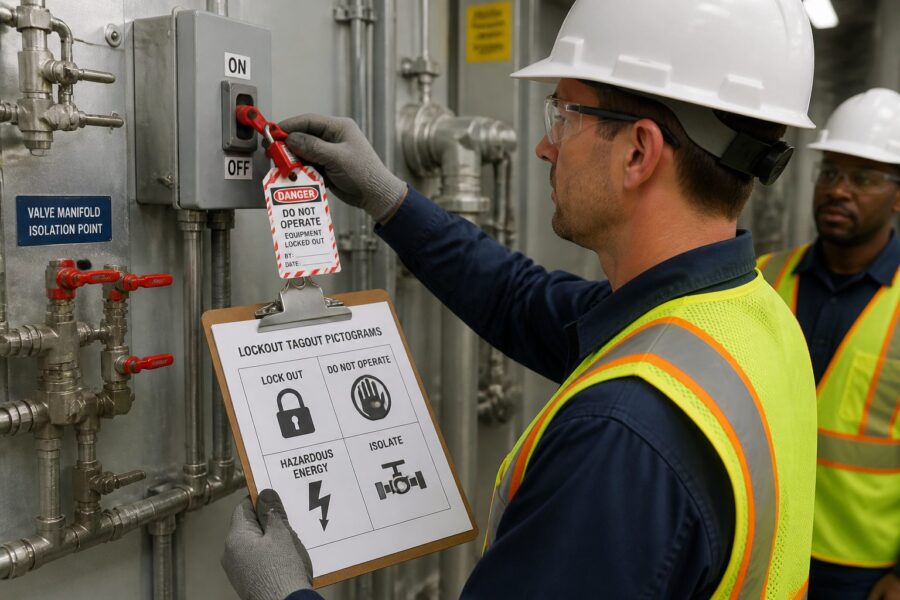
Lockout Tagout (LOTO) is a critical safety procedure designed to prevent accidental machine start-up during maintenance and servicing work. The effective implementation of LOTO can save lives and prevent injuries, making it essential to utilize visual symbols that convey important safety information quickly and clearly to all personnel involved in the work process.
Visual symbols, particularly lockout tagout pictograms, play a vital role in communicating potential hazards and energy isolation requirements to workers. By using universally understood imagery, workers can effectively recognize and respond to safety protocols, significantly reducing the risk of accidents and injuries on the job site.
Understanding the importance of LOTO and the role of pictograms is crucial for compliance with industry regulations and standards. This article delves into the necessary components of an effective LOTO program, emphasizing the significance of energy isolation pictograms and how they contribute to creating a safer work environment.
What Lockout Tagout Is and Why Visual Symbols Are Critical
Lockout Tagout is a safety procedure enforced to ensure that machines are properly shut off and not able to be started up again prior to the completion of maintenance or servicing work on equipment. The visual symbols associated with LOTO, such as machine lockout signs, are critical in conveying the significance of these safety measures to all employees who may interact with the machinery.
These symbols help workers quickly identify the presence of hazardous energy and the necessary steps to isolate it before commencing work. This not only enhances overall safety but also fosters a culture of awareness and responsibility among all personnel on-site, ensuring that everyone understands the importance of adhering to safety protocols.
Effective LOTO procedures require a combination of training, proper signage, and consistent reinforcement to be successful in preventing accidents. Implementing visual symbols within the workplace ensures that every worker understands the potential risks associated with machinery and the critical importance of following established safety protocols at all times.
Moreover, visual symbols serve as constant reminders of safety practices that must be upheld during maintenance and servicing activities. This is especially important in environments with high turnover rates or where multiple shifts are in operation, as new or temporary workers may not be fully familiar with all safety protocols.
In summary, LOTO is an essential practice to ensure worker safety during maintenance procedures across various industries. The use of clear and effective visual symbols is vital in reinforcing these safety measures and ensuring compliance throughout different work environments where machinery is utilized.
OSHA 29 CFR 1910.147 and the Role of Pictograms in LOTO Programs
The Occupational Safety and Health Administration (OSHA) has established regulations under 29 CFR 1910.147 that govern the control of hazardous energy during servicing and maintenance activities in the workplace. Compliance with these regulations is imperative for all employers, and pictograms play a significant role in ensuring that workers understand and adhere to LOTO procedures effectively.
According to OSHA, employers are required to implement a LOTO program that includes training and the use of visual aids like pictograms to communicate essential safety information. These pictograms serve as a quick reference to convey critical information regarding energy isolation and the necessary steps to ensure safety during maintenance tasks.
Effective LOTO programs leverage pictograms to indicate the types of energy sources present and the specific lockout procedures required for each situation. By integrating these symbols into the workplace, employers can enhance the effectiveness of their safety training and compliance efforts, leading to a safer work environment for all employees.
Additionally, the role of pictograms in LOTO programs extends beyond compliance with regulations; they also promote a culture of safety among workers. When visual symbols are consistently used throughout the facility, they reinforce safety messages and help to ensure that all employees are on the same page regarding LOTO practices and procedures.
In conclusion, OSHA’s regulations underscore the importance of implementing effective LOTO programs with the use of pictograms that facilitate communication. These visual cues are not only essential for compliance but also play a critical role in fostering a safer work environment, which ultimately benefits both workers and employers alike.
Standard Pictogram Elements for Lockout Tagout Signage
Standard pictogram elements for lockout tagout signage include symbols representing specific hazards, lockout procedures, and various energy sources that workers may encounter. These elements are designed to be easily recognizable, ensuring quick understanding among workers and minimizing the time needed to identify safety protocols.
Key components of effective LOTO pictograms often include clear imagery, contrasting colors, and concise text that communicates the necessary information. This combination aids in quickly conveying the message to workers and enhances the visibility of the safety symbols, making them more effective in preventing accidents.
| Col A | Col B | Col C |
|---|---|---|
| Hazard Symbol | Lockout Procedure | Energy Source |
| Electrical Hazard | Lock Power Source | Electrical |
| Pneumatic Hazard | Release Pressure | Pneumatic |
| Hydraulic Hazard | Drain Fluids | Hydraulic |
Incorporating these standard elements into LOTO signage not only aids in compliance with OSHA regulations but also enhances the overall effectiveness of safety training initiatives. Workers who are familiar with these symbols will be better prepared to identify and respond to potential hazards that may arise during maintenance activities.
Ultimately, the standardization of pictogram elements creates a cohesive and effective communication strategy across various work environments, which is crucial for maintaining high safety standards in energy isolation practices. This consistency is essential for ensuring that all employees receive the same messages regarding safety protocols and procedures, regardless of their specific job functions.
Energy Type Pictograms: Electrical, Pneumatic, Hydraulic and Thermal
Energy type pictograms are essential for conveying specific hazards associated with different energy sources, such as electrical, pneumatic, hydraulic, and thermal energy that can be present in industrial settings. Each pictogram is designed to provide workers with immediate recognition of the type of energy that requires isolation during maintenance activities, facilitating safer work practices.
For instance, electrical energy pictograms often feature a lightning bolt symbol, which is widely recognized as a warning of electrical hazards. Meanwhile, pneumatic energy symbols may showcase pressurized gas imagery, enabling workers to quickly assess the potential risks and implement appropriate lockout tagout procedures before beginning any work.
Hydraulic symbols typically include fluid flow graphics that clearly indicate the presence of hydraulic energy, drawing attention to the need for careful energy isolation. Meanwhile, thermal energy pictograms may represent heat sources, alerting workers to the risks associated with high temperatures that can lead to burns or other injuries if not properly managed.
Understanding these energy type pictograms is crucial for ensuring proper isolation and protection during maintenance tasks, as they provide essential information at a glance. The use of clear and recognizable imagery enhances communication among workers and promotes adherence to safety protocols, ultimately contributing to a safer work environment.
In summary, energy type pictograms serve a vital function in LOTO programs by providing immediate recognition of potential hazards that workers may face. Their effective use can significantly reduce the likelihood of accidents during maintenance and servicing activities, ensuring that all personnel remain safe while performing their duties.
Using Multi-Energy Pictogram Panels at Complex Machine Points
In complex machine environments, the use of multi-energy pictogram panels becomes essential for ensuring comprehensive safety and effective communication of potential hazards. These panels provide a consolidated view of all potential energy sources at a given location, helping workers to understand the risks involved before beginning any maintenance or servicing activities.
By utilizing multi-energy pictogram panels, employers can effectively communicate the presence of multiple energy types, such as electrical, hydraulic, and pneumatic energy, that may require isolation. This holistic approach ensures that workers are fully aware of all potential hazards before beginning maintenance tasks, allowing them to take all necessary precautions to mitigate risks.
Moreover, multi-energy pictogram panels can enhance training efforts by providing workers with a single reference point for understanding safety protocols related to energy isolation. This reduces confusion and ensures that all personnel are aligned in their understanding of energy isolation measures, which is crucial for maintaining a safe working environment.
In addition, these panels can be designed to fit the specific needs of different machines or areas within a facility, allowing for customization to improve effectiveness. Customization options may include adding unique symbols, color schemes, or additional information that aligns with company branding while still adhering to safety standards and best practices.
Overall, multi-energy pictogram panels are invaluable in complex machine environments, as they facilitate effective communication of safety protocols. By ensuring that all workers are aware of the necessary precautions before engaging with machinery, employers can significantly enhance safety outcomes and reduce the likelihood of accidents.
Color and Shape Conventions for LOTO Warning Signs
Color and shape conventions play a significant role in the effectiveness of lockout tagout warning signs, as they help convey important safety messages at a glance. The consistent use of specific colors and shapes helps workers quickly recognize the nature of a hazard, allowing them to respond appropriately and take necessary actions to ensure their safety.
For example, red is typically associated with danger and is often used in LOTO signs to indicate a critical safety issue that must be addressed immediately. Yellow may signify caution, while green can represent safe conditions, further enhancing the clarity of the messaging and the actions required by workers.
- Red for danger and critical issues
- Yellow for caution and potential hazards
- Green for safe conditions and actions
- Blue for mandatory actions that must be taken
- Orange for warning signs that indicate a serious risk
Shapes also contribute to the immediate recognition of safety messages, with circles often indicating mandatory actions that must be followed and triangles denoting warnings about potential hazards. By adhering to these conventions, employers can enhance the overall safety culture within the workplace and ensure that all employees are aware of the necessary precautions they must take.
In conclusion, understanding and implementing color and shape conventions in LOTO signage is essential for effective communication of safety messages. These visual cues are vital in ensuring that workers can quickly identify hazards and take appropriate action to maintain safety during maintenance and servicing activities.
Placement of Pictograms on Equipment vs. at Facility Entrances
The strategic placement of pictograms is crucial for maximizing their effectiveness in promoting safety across various work environments. Pictograms should be located both on equipment and at facility entrances to ensure that workers encounter them at critical points where they need to be reminded of safety protocols.
On equipment, lockout tagout pictograms serve as immediate reminders of safety protocols that must be followed before maintenance begins, ensuring that workers do not overlook necessary precautions. Meanwhile, placing these symbols at facility entrances provides a broader reminder of safety practices as workers enter the workspace, emphasizing the importance of safety compliance from the moment they arrive.
This dual placement strategy effectively reinforces the importance of LOTO procedures and reminds workers to be vigilant about safety at all times. It ensures that safety messages are consistently conveyed throughout the facility, regardless of where a worker is within the space, and helps to instill a culture of safety among all employees.
Furthermore, clear visibility is essential for the effectiveness of pictograms; therefore, they should be positioned at eye level and in well-lit areas to enhance recognition. This ensures that workers cannot overlook these vital safety symbols, which play a critical role in preventing accidents and ensuring compliance with safety protocols.
In summary, the placement of pictograms is a key factor in their effectiveness in communicating safety information. Proper positioning on equipment and at entrances can significantly enhance safety awareness and compliance in the workplace, contributing to a safer environment for all personnel.
Customizing LOTO Pictograms for Non-English Speaking Workforces
Customizing lockout tagout pictograms for non-English speaking workforces is essential for ensuring safety across diverse employee groups that may have different levels of language proficiency. Visual symbols should transcend language barriers to effectively communicate critical safety information that all workers must understand to ensure their safety and the safety of their colleagues.
Employers can achieve this by incorporating universally recognized symbols along with translations in multiple languages, which helps to ensure that all workers, regardless of their primary language, can understand and follow safety protocols without confusion. This approach not only promotes inclusivity but also enhances the overall effectiveness of safety training initiatives by making safety information accessible to everyone.
Additionally, utilizing images that are culturally relevant can enhance the effectiveness of safety messaging for non-English speaking workers. Engaging these workers in the development of customized pictograms can also foster a sense of ownership and responsibility towards safety, leading to improved overall safety outcomes in the workplace.
Furthermore, training sessions should reinforce the understanding of these customized pictograms, ensuring that all employees are familiar with the symbols used. By ensuring that all personnel are comfortable with the safety symbols, companies can enhance comprehension and adherence to LOTO procedures, which is vital for maintaining a safe working environment.
In conclusion, customizing LOTO pictograms for non-English speaking workers is a vital step in promoting workplace safety and ensuring that all employees can engage with safety protocols effectively. This effort ensures that safety information is communicated clearly and comprehensively, regardless of language background, thus contributing to a safer and more inclusive work environment.
Reviewing Pictogram Compliance During LOTO Program Audits
Regular audits of pictogram compliance are crucial for maintaining an effective lockout tagout program that aligns with safety standards and regulations. These audits help to ensure that all safety symbols are up-to-date, visible, and properly utilized across the facility to maximize their effectiveness in promoting workplace safety.
During LOTO program audits, employers should assess the placement, condition, and clarity of all pictograms to identify any gaps or areas for improvement in safety communication. This review process allows for the identification of issues that may hinder the effectiveness of safety protocols and enables employers to take corrective actions to address them.
Furthermore, involving employees in the audit process can provide valuable insights into the effectiveness of pictograms and foster a culture of accountability. Workers can offer firsthand feedback on their experiences with the pictograms and suggest necessary changes that would enhance safety communication within the workplace.
By regularly reviewing pictogram compliance, companies can adapt to changing regulations and continuously enhance their overall safety culture. This proactive approach ensures that lockout tagout procedures remain effective and relevant, ultimately contributing to a safer work environment for all employees.
In summary, conducting thorough audits of pictogram compliance is essential for effective LOTO program management. These audits ensure that safety communication is clear, consistent, and continuously improving, which is critical for maintaining a strong commitment to workplace safety.