

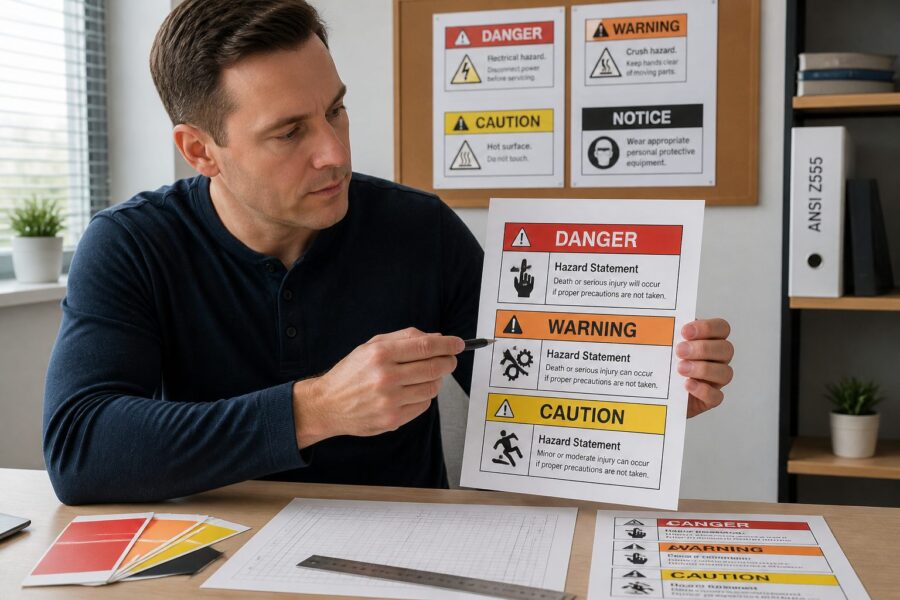
Understanding ANSI Z535 standards is crucial for anyone involved in safety and logistics, as these standards serve as a foundation for effective safety communication. These essential guidelines provide a framework for creating safety labels that effectively communicate hazards, ensuring that individuals are well-informed and can take appropriate actions to protect themselves and others.
The ANSI Z535 standard applies to a wide range of industries, ensuring that workplace safety is recognized as a universal priority across various sectors. It governs the design, use of color, and language employed in safety labels and signs, making it a vital element in promoting a safe working environment.
By adhering to ANSI Z535, organizations can effectively convey critical safety information, significantly reducing the risk of accidents and enhancing overall workplace safety. This standard is particularly important for manufacturers, safety professionals, facility managers, and any individuals responsible for maintaining safety in their work environments.
What ANSI Z535 Is and Who It Applies To
ANSI Z535 is a comprehensive set of standards focused on safety signs and symbols, providing a uniform approach to safety communication. It helps ensure that safety communication is consistent, recognizable, and effective across various settings and industries, thereby promoting a culture of safety.
This standard includes detailed guidelines on signal words, colors, and symbols that are vital for conveying safety messages effectively. Various industries, including manufacturing, construction, and healthcare, must comply with these standards to maintain safety and protect employees from potential hazards.
The application of ANSI Z535 extends to product labels, facility signs, and even instructional materials, emphasizing the importance of clear safety communication in all aspects of operations. Organizations must be familiar with these standards to maintain compliance and ensure safety in the workplace, as well as to foster a proactive approach to hazard recognition.
Incorporating ANSI Z535 standards into daily operations can enhance the overall safety culture within an organization. It fosters an environment where safety is prioritized and effectively communicated, leading to fewer accidents and a more informed workforce.
Organizations that fail to comply with ANSI Z535 may face legal liability and increased risk of accidents, which can have significant repercussions. Therefore, understanding these standards is essential for all stakeholders, as it equips them with the knowledge to create a safer work environment.
Signal Words: Danger, Warning, Caution and Notice Compared
The ANSI Z535 standard categorizes signal words into four distinct levels: Danger, Warning, Caution, and Notice, each serving a specific purpose in conveying the severity of a hazard. Each signal word is designed to communicate the level of risk associated with a particular situation, helping individuals understand the urgency of the message.
“Danger” indicates an immediate hazard that could result in severe injury or even death, serving as a critical warning that should not be ignored. In contrast, “Warning” signifies a potentially hazardous situation that could lead to serious injury, prompting individuals to exercise caution and be aware of their surroundings.
“Caution” is used for situations that may cause minor or moderate injury, signaling that while the risk is lower, individuals should still remain vigilant. Meanwhile, “Notice” communicates information that is not directly related to personal injury but is still important for overall safety and awareness in the environment.
Understanding these signal words is essential for effective safety label design, as they provide a clear indication of the level of risk present. Proper use of safety label signal words can significantly enhance the clarity of safety communications, allowing individuals to respond appropriately to various situations.
Organizations must carefully choose the appropriate signal word based on the nature of the hazard and the potential consequences of inaction. This careful selection helps in mitigating risks and ensuring the safety of all individuals involved in the workplace.
Color Assignments and Why They Cannot Be Changed Arbitrarily
Color assignments in ANSI Z535 safety label design play a crucial role in conveying information quickly and effectively, as colors can evoke immediate recognition and understanding. Each color corresponds to a specific level of hazard and must be used consistently across all safety labels to avoid confusion among employees and visitors.
For instance, red is strongly associated with “Danger,” while orange signifies “Warning,” creating a visual hierarchy of risk. Yellow is designated for “Caution,” and blue is used for “Notice,” each color serving a specific purpose and helping individuals quickly identify the nature of the hazard they may face.
| Color | Signal Word | Meaning |
|---|---|---|
| Red | Danger | Immediate hazard |
| Orange | Warning | Potential hazard |
| Yellow | Caution | Minor hazard |
| Blue | Notice | Informational |
These color assignments cannot be altered arbitrarily, as doing so would undermine their effectiveness and lead to confusion in interpreting safety information. Consistency in color usage is vital for quick recognition and comprehension of safety information, ensuring that employees can respond appropriately to hazards.
Organizations should invest in training programs to ensure that employees recognize and understand these color codes and their associated meanings. This knowledge can significantly enhance workplace safety and reduce the risk of accidents, as individuals will be better equipped to recognize hazards and respond appropriately.
Panel Layout: Combining Safety Symbols, Signal Words and Message Text
Effective panel layout is crucial for ANSI Z535 safety label design, as it determines how well safety information is communicated to the audience. Combining safety symbols, signal words, and message text in a clear and organized manner enhances understanding and ensures that critical information is conveyed effectively.
The layout should prioritize readability, ensuring that all elements are easily distinguishable and can be processed quickly by individuals in the area. Proper spacing and alignment contribute to a professional appearance and facilitate quick comprehension, making it easier for individuals to absorb important safety messages.
Safety symbols should be prominently displayed, as they often convey information faster than text and can transcend language barriers. Signal words must be positioned near the top of the label to grab attention immediately, ensuring that individuals quickly recognize the level of risk present.
Message text should be concise, directly related to the hazard, and free from unnecessary jargon or distractions. This ensures that readers can quickly grasp the essential information without becoming overwhelmed by extraneous details, which can detract from the main message.
By adhering to these layout principles, organizations can create effective safety labels that significantly improve hazard communication throughout the workplace. A well-designed label not only informs but also promotes a culture of safety, encouraging individuals to take the necessary precautions to protect themselves and others.
Font Requirements and Text Size Minimums for Readable Labels
Font requirements and text size minimums are critical components of the ANSI Z535 standards, as they ensure that safety messages are legible and clear to all individuals. Ensuring that text is easily readable is essential for effective communication of safety information, as it can directly influence how individuals respond to hazards.
The minimum text size varies depending on the distance from which the label will be viewed, with larger text recommended for labels meant to be viewed from a distance. For instance, labels placed in high-traffic areas or those that need to be seen from afar must have larger text to ensure that the message is easily discernible.
Choosing appropriate fonts is also vital; sans-serif fonts are generally preferred for safety labels due to their clean lines and simplicity. These fonts are easier to read and can be recognized quickly, even at a distance, making them an ideal choice for conveying critical safety information.
Organizations should consider using bold text to emphasize critical information and key safety messages. This helps guide the reader’s attention to the most important aspects of the safety message, ensuring that they do not overlook vital information that could affect their safety.
Implementing these font and text size guidelines ensures that safety labels are not only compliant with ANSI standards but also effective in conveying important safety messages. Clear visibility of safety messages can greatly reduce the likelihood of accidents in the workplace, as individuals are better equipped to recognize and respond to hazards.
Differences Between ANSI Z535.4 Product Labels and Z535.2 Facility Signs
Understanding the differences between ANSI Z535.4 product labels and Z535.2 facility signs is essential for compliance and effective safety communication. Product labels are typically found on items and packaging, providing information about specific hazards related to the product, while facility signs are used throughout a workplace to convey general safety information.
ANSI Z535.4 focuses on labels that communicate hazards associated with products, ensuring that consumers and users are aware of potential risks. In contrast, ANSI Z535.2 emphasizes signs that convey safety information relevant to the environment, such as emergency exits, hazardous areas, and general safety rules.
- Product labels focus on specific hazards that are directly related to the product.
- Facility signs address general safety issues that apply to the entire workplace.
- Label design often includes product-specific symbols that are pertinent to the item being labeled.
- Facility signs may use broader safety symbols that apply to a variety of situations.
- Compliance is required for both types of communication to ensure safety.
Organizations must ensure that both product labels and facility signs comply with their respective ANSI standards to maintain safety and effectiveness. This dual compliance fosters a comprehensive safety culture within the workplace, as it addresses both specific product hazards and general safety guidelines.
By understanding these differences, stakeholders can better manage safety communications and ensure that appropriate measures are taken to mitigate risks. This knowledge is vital for reducing risks and enhancing overall workplace safety, as it allows organizations to develop targeted safety strategies.
Multilingual Label Requirements Under ANSI Z535
Multilingual label requirements are an essential aspect of ANSI Z535 compliance, as they ensure that all employees can understand safety information, regardless of their language proficiency. Providing safety information in multiple languages is critical in diverse workplaces, as it helps eliminate barriers to understanding hazards and promotes a safer environment.
When creating multilingual labels, organizations must ensure that translations are accurate and culturally appropriate. This attention to detail prevents miscommunication and ensures that safety messages remain clear and effective, allowing all individuals to respond appropriately to potential hazards.
Incorporating visuals, such as symbols and pictograms, can further enhance understanding of safety messages in a multilingual context. These visual elements transcend language barriers and communicate hazards effectively, making it easier for individuals to recognize and comprehend risks.
Organizations should also consider the literacy levels of their workforce when designing multilingual labels, as not all employees may have the same reading proficiency. Tailoring messages to the audience can improve comprehension and safety, ensuring that all individuals are equipped with the knowledge they need to stay safe.
By adhering to multilingual label requirements, organizations can foster an inclusive safety culture that values diversity and effective communication. This approach not only enhances understanding among employees but also promotes a sense of belonging and empowerment, contributing to a more harmonious workplace.
When to Use Supplementary Directives and Pictograms
Supplementary directives and pictograms play a vital role in enhancing the effectiveness of safety labels, as they provide additional context and clarification for complex hazards. These elements are particularly useful in situations where a simple message may not adequately convey the risks involved, helping to ensure that individuals fully understand the safety implications.
Organizations should use supplementary directives when the primary message requires further explanation to provide clarity. This additional information helps ensure that readers fully grasp the significance of the safety message and the actions they need to take to mitigate risks.
Pictograms are particularly useful in conveying information quickly, as they can communicate essential safety messages without relying solely on text. This visual approach caters to diverse audiences, including those with varying literacy levels or language backgrounds, enhancing overall comprehension.
When designing safety labels, consider incorporating pictograms that align with the message to reinforce understanding. This visual representation can capture attention and enhance understanding, making it more likely that individuals will recognize and respond to potential hazards.
By using supplementary directives and pictograms, organizations can significantly improve hazard communication and ensure that critical safety information is conveyed effectively. This strategy contributes to a safer workplace and promotes a culture of safety awareness, encouraging individuals to prioritize their well-being and that of their colleagues.
Auditing Existing Labels for ANSI Z535 Compliance
Regular auditing of existing labels for ANSI Z535 compliance is essential for maintaining safety standards and ensuring that safety communication remains effective. Organizations must review their labels periodically to ensure they meet current regulations and guidelines, identifying any areas that may need updates or revisions.
Auditing helps identify labels that may be outdated, unclear, or no longer compliant with ANSI Z535 standards. This proactive approach allows organizations to make necessary updates and enhance safety communications, ensuring that employees are always informed of potential hazards.
During an audit, organizations should check for proper use of signal words, colors, and symbols, as well as the clarity of message text. Ensuring all elements align with ANSI Z535 standards is crucial for effective hazard communication and helps maintain a consistent safety culture.
Engaging employees in the auditing process can provide valuable insights, as feedback from users can highlight areas for improvement and enhance label effectiveness. Involving staff in this process reinforces the importance of safety and encourages a collective effort toward maintaining a safe work environment.
By conducting regular audits, organizations can foster a culture of safety and compliance that permeates the entire workplace. This not only protects employees by ensuring they are informed of potential hazards but also demonstrates a commitment to safety excellence and continuous improvement.
Digital Resources and Official Sources for ANSI Z535 Standards
Organizations seeking to understand ANSI Z535 standards can access a wealth of digital resources that provide valuable information and guidance. Official sources offer comprehensive guidelines, updates, and best practices for compliance, ensuring that organizations remain informed about the latest developments in safety communication.
The ANSI website serves as a primary resource for obtaining the latest standards and documents related to safety signage and labeling. Additionally, industry associations often provide guidance, educational materials, and training programs designed to assist organizations in achieving ANSI compliance and enhancing their safety practices.
Online training programs can also enhance understanding of ANSI Z535 standards, equipping employees with the knowledge needed to implement effective safety label practices. These programs help individuals comprehend the nuances of safety communication and the importance of adhering to established standards.
Utilizing these digital resources ensures that organizations remain informed about ANSI Z535 compliance and best practices for safety communication. Staying updated on standards helps maintain safety within the workplace, as it allows organizations to adapt to changes and continuously improve their safety protocols.
By leveraging official sources, organizations can foster a culture of continuous improvement in safety label design and communication strategies. This commitment to excellence can significantly reduce workplace hazards and enhance the overall safety and well-being of all employees.