
Confined spaces pose unique challenges to safety and health, requiring stringent measures to protect workers effectively. Understanding the limitations of pictograms is essential, as they cannot convey the full extent of hazards present in these complex environments, often leading to misunderstandings and potential risks.
While pictograms serve as a useful visual shorthand for warning of dangers, they must be supplemented with comprehensive training and clear communication strategies tailored to the specific workplace. The role of confined space pictograms and entry permit symbols is critical in ensuring that all personnel clearly understand and recognize the specific risks involved in these hazardous situations.
In the realm of occupational safety, regulatory bodies like OSHA and ISO provide crucial guidelines for effectively using symbols in workplace environments. This article will explore the essential aspects of confined space safety, focusing on pictograms and their effectiveness, while emphasizing the importance of a comprehensive safety culture.
Defining Confined Spaces and Why Pictograms Alone Are Not Enough
A confined space is defined as an area that is not designed for continuous occupancy, has limited means of entry and exit, and may contain hazardous conditions that can pose serious risks to workers. These spaces can include tanks, silos, and tunnels where atmospheric hazards, such as toxic gases or low oxygen levels, are prevalent, necessitating specific safety measures and precautions.
Understanding the complexities of confined spaces is essential for effective safety management and risk mitigation. Pictograms alone cannot replace the need for thorough training, established protocols, and heightened situational awareness in these potentially dangerous environments where the stakes are incredibly high.
Workers may interpret pictograms differently based on their prior experiences, training, and personal perceptions, which can lead to dangerous assumptions. Therefore, relying solely on confined space hazard symbols without further context could lead to misunderstandings and significantly increase the risk of accidents and injuries among personnel.
Furthermore, specific hazards vary significantly from one confined space to another, making it imperative to provide detailed information beyond simple visual cues alone. Additional context, such as the nature of the hazard, the potential consequences of exposure, and the required precautions, must accompany pictograms to ensure comprehensive safety and awareness among workers.
Incorporating text explanations alongside pictograms can significantly enhance understanding and retention of vital safety information among all team members. This multifaceted approach ensures that everyone recognizes the critical importance of adhering to established safety protocols while working in confined spaces.
OSHA and ISO Symbols for Permit-Required Confined Space Entries
The Occupational Safety and Health Administration (OSHA) and the International Organization for Standardization (ISO) have established universally recognized symbols specifically for permit-required confined space entries to enhance safety. These symbols serve as vital visual cues to indicate the need for specific safety measures and protocols that must be adhered to before any entry is made into these hazardous environments.
These symbols often include the permit-required space pictogram, which clearly communicates the necessity of obtaining a formal permit before entry. Ensuring that all personnel are familiar with these symbols is not just beneficial but crucial for maintaining compliance with safety regulations and ensuring overall workplace safety.
The OSHA standard outlines specific requirements for training and signage, emphasizing the need for clear communication regarding confined space hazards and the responsibilities that come with them. ISO standards complement these regulations by providing a cohesive framework for international safety practices, thereby enabling organizations to align their safety protocols with globally recognized benchmarks.
Employers must ensure that all employees understand the implications of these symbols and how they relate to their safety protocols and procedures. This understanding reinforces the importance of following established procedures for safe entry into confined spaces, ultimately enhancing the overall safety of the work environment.
Incorporating OSHA and ISO symbols into training materials, safety briefings, and everyday practices can further enhance awareness and compliance among workers. The consistent use of these symbols helps to create a safer work environment for all employees by ensuring that everyone is on the same page regarding potential hazards.
Atmospheric Hazard Pictograms: Oxygen Deficiency, Flammable Gas and Toxic Vapor
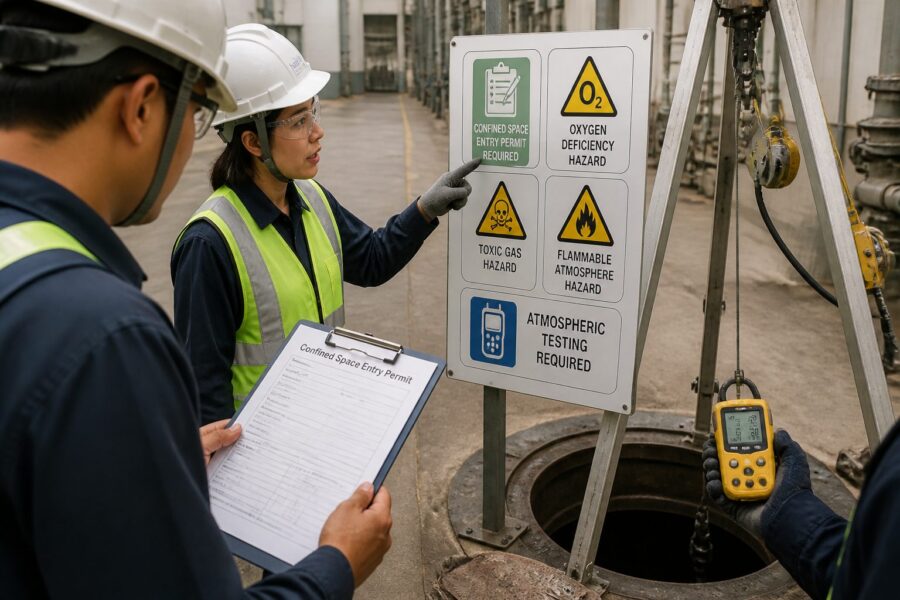
Atmospheric hazards in confined spaces can pose serious risks to workers’ health and safety, making it essential to use specific pictograms to effectively represent these dangers. Common atmospheric hazards include oxygen deficiency, flammable gas, and toxic vapor, each requiring distinct warning symbols to alert workers to the potential risks they may face.
Recognizing these atmospheric hazard icons is crucial for workers entering confined spaces, as it empowers them to take the necessary precautions before proceeding into these potentially dangerous areas. Understanding the implications of these pictograms can significantly reduce the risk of accidents and injuries, ultimately preserving the well-being of all personnel involved.
| Hazard Type | Pictogram | Description |
|---|---|---|
| Oxygen Deficiency | O2 Icon | Indicates low oxygen levels |
| Flammable Gas | Flame Icon | Indicates presence of flammable gases |
| Toxic Vapor | Skull Icon | Indicates toxic vapors present |
| General Hazard | Warning Triangle | Indicates general hazards in the area |
By understanding the significance of these atmospheric hazard pictograms, workers can take the necessary precautions before entering confined spaces, thereby safeguarding their health and safety. Training programs should emphasize the importance of recognizing and responding to these hazards swiftly and effectively to mitigate risks.
Mandatory Sign Placement at Confined Space Openings
Proper signage placement is critical at confined space openings to ensure that all workers are aware of potential hazards before they proceed. Signs must be visibly posted and strategically positioned at all access points to provide clear warnings and information about the specific dangers present.
These mandatory signs should incorporate confined space pictograms and relevant text to convey the necessary information succinctly and effectively. This combination allows for quick recognition and understanding of the risks involved, enabling workers to make informed decisions about their safety.
Sign placement should be consistent across all sites to foster familiarity and recognition among workers, helping to reinforce a culture of safety. Creating an environment where safety is prioritized helps to instill a sense of responsibility and awareness among all employees regarding confined space hazards.
Employers should regularly inspect and maintain signage to ensure it remains visible, legible, and relevant to current hazards and conditions. This proactive approach can help prevent accidents and enhance the overall safety culture within the organization.
Incorporating visual elements like bright colors and reflective materials can improve sign visibility in low-light conditions, which is often the case in confined spaces. Ensuring that signs are easily recognizable is essential for maintaining safety as it provides clear guidance to workers navigating these hazardous environments.
Combining Text and Pictograms on Confined Space Warning Signs
Combining text and pictograms on confined space warning signs greatly enhances the communication of hazards and risks involved in these areas. This dual approach ensures that all workers, regardless of their literacy levels or language proficiency, can comprehend the potential dangers and act accordingly to protect themselves.
Text should be concise, clearly explaining the risks associated with entering the confined space, while also providing guidance on necessary precautions. This information, when paired with visual symbols, reinforces the message and aids in risk recognition, ultimately promoting safer practices among workers.
- Clear hazard descriptions that are easy to understand
- Simple, easy-to-understand language that avoids technical jargon
- Consistent use of symbols to avoid confusion
- High-contrast colors to improve visibility
- Durable materials for longevity in harsh environments
Regular updates to the text and symbols ensure that they remain relevant and clear, which is crucial in maintaining effective communication about hazards. This ongoing process is essential for maintaining safety standards and keeping all workers informed about the latest risks and protocols.
Utilizing a combination of text and pictograms can significantly improve the overall effectiveness of safety signage in confined spaces, ensuring that crucial information is easily accessible. This approach promotes awareness and understanding of confined space hazards among all employees, fostering a culture of safety and responsibility.
Rescue and Retrieval Equipment Pictograms Near Entry Points
Having visible pictograms for rescue and retrieval equipment near entry points is vital for ensuring emergency preparedness in confined spaces. These symbols guide workers on the location and availability of essential rescue tools, enabling them to respond quickly and effectively in case of an emergency.
Effective signage can help minimize response times during emergencies, ensuring that workers can receive assistance quickly when it is most crucial. This rapid access to rescue equipment is especially critical in confined space situations where every second counts in ensuring the safety of workers.
- Rescue harness to safely extract workers
- Tripod and winch for vertical rescues
- First aid kit for immediate medical assistance
- Emergency oxygen supply for those exposed to hazardous atmospheres
- Communication devices to maintain contact with rescuers
Regular training on using rescue equipment, combined with clear pictograms, enhances worker readiness and confidence during emergencies. Workers must know how to utilize these tools effectively in case of an emergency, which can be the difference between life and death in confined spaces.
Incorporating these pictograms into safety protocols reinforces the importance of preparedness in confined spaces, highlighting the need for constant vigilance and readiness. This proactive approach can save lives and prevent accidents when unforeseen incidents occur.
Communication and Attendant Role Symbols in Confined Space Programs
Communication plays a critical role in confined space safety, and specific symbols can help designate roles and responsibilities among team members. Pictograms that indicate attendant roles can facilitate effective communication among team members, ensuring that everyone knows their specific responsibilities during confined space operations.
These symbols should clearly outline the duties of attendants, such as monitoring the atmosphere, maintaining communication with workers inside the confined space, and coordinating rescue efforts if necessary. Clearly defined roles ensure that safety protocols are followed consistently, which is essential for minimizing risks and enhancing safety.
Effective communication strategies, combined with clearly defined roles, enhance the overall safety of confined space operations by fostering teamwork and collaboration. Workers must feel empowered to communicate hazards, raise concerns, and request assistance when necessary to maintain a safe working environment.
Training programs should emphasize the importance of communication in confined space scenarios to ensure that all team members understand their roles and responsibilities. This comprehensive training approach enables workers to respond effectively to emergencies and collaborate efficiently in hazardous situations.
By integrating communication and attendant role symbols into confined space programs, employers can create a safer work environment that prioritizes the well-being of all employees. This proactive strategy minimizes risks and enhances the overall safety culture within the organization, reinforcing the importance of teamwork and vigilance.
Inspection and Refresh Cycles for Confined Space Pictogram Installations
Regular inspections of confined space pictogram installations are essential for maintaining safety and compliance with established regulations. These inspections ensure that all signs remain visible, legible, and relevant to current hazards and conditions, effectively communicating the risks to workers.
Establishing a refresh cycle for updating pictograms is equally important to keep safety information current and meaningful. Outdated signs can lead to confusion and a false sense of security, increasing the risk of accidents in confined spaces where hazards can change rapidly.
Employers should schedule regular audits of confined space signage to identify any needed updates or replacements, ensuring the information remains accurate and effective. This proactive approach fosters a culture of safety and encourages continuous improvement in safety practices among all personnel.
By integrating inspection and refresh cycles into safety protocols, organizations can enhance their overall safety performance and reduce the likelihood of incidents. Consistent monitoring of signage effectiveness is key to reducing confined space incidents and promoting a safer working environment for all employees.
Ultimately, maintaining clear and up-to-date confined space pictograms is crucial for protecting workers and ensuring their safety. This ongoing commitment to safety and adherence to best practices ensures a safer working environment for everyone involved, reinforcing the importance of vigilance and awareness in confined spaces.
Case Examples: What Happens When Confined Space Pictograms Are Missing
Neglecting to display confined space pictograms can lead to severe consequences, including accidents, injuries, and even fatalities. Case studies reveal that missing signage often correlates with a lack of awareness and increased risk among workers, highlighting the dire importance of proper safety measures in confined spaces.
For instance, one incident involved workers entering a confined space without fully understanding the atmospheric hazards present, which led to a catastrophic event. The absence of proper pictograms and signage led to a tragic accident, emphasizing the critical need for clear safety signage and effective training.
In another case, workers failed to recognize the importance of readily available rescue equipment due to inadequate signage, resulting in a delayed response during an emergency. This oversight heightened the risk during a critical situation, showcasing the necessity of clear communication symbols and the potential consequences of neglecting safety protocols.
These stark examples illustrate how crucial it is to implement effective safety measures in confined spaces, particularly in terms of signage and communication. Employers must take the necessary steps to ensure that all confined space pictograms are prominently displayed, well-maintained, and understood by all personnel.
By prioritizing the use of confined space hazard symbols and reinforcing their significance through training and communication, organizations can significantly reduce the likelihood of accidents and injuries. This proactive approach not only protects workers but also fosters a culture of safety and responsibility in the workplace, ultimately benefiting everyone involved.