
In the ever-evolving landscape of pharmaceuticals, ensuring safety and traceability is paramount for maintaining public health. Drug serialization has become a vital component in this regard, enabling regulators and businesses alike to safeguard public health by tracking medications throughout the supply chain, thereby providing transparency and accountability in the distribution of pharmaceutical products.
Serialization involves assigning a unique identifier to each saleable unit of a drug, which plays a crucial role in the drug supply chain. This process not only meets stringent regulatory requirements but also acts as a powerful deterrent against counterfeit products from entering the market, thereby protecting consumers and ensuring the integrity of pharmaceutical products.
As the demand for transparency in the drug supply chain continues to grow, understanding serialization becomes essential for pharmaceutical companies striving to maintain compliance. This blog will delve into the importance of pharmaceutical serialization labels, their key components, and the regulatory implications that come with them, providing a comprehensive overview of this critical aspect of the industry.
What Drug Serialization Means and Why Regulators Require It
Drug serialization refers to the systematic process of assigning a unique identifier to each individual drug package, which serves as a crucial element in ensuring drug safety. Regulators require this form of identification to improve drug traceability throughout the supply chain, thereby enhancing patient safety and minimizing the risks associated with counterfeit and substandard medications.
The main goal of serialization is to create a secure and transparent supply chain that can effectively monitor and track drugs from manufacturers to end-users. This capability not only reduces the risk of counterfeit medications infiltrating the market but also fosters trust among healthcare professionals and patients regarding the authenticity and safety of the drugs they consume.
By implementing serialization practices, companies can also streamline their inventory management processes, leading to a more efficient system overall. This capability results in better supply chain efficiencies, a reduction in the likelihood of errors, and greater accuracy in tracking pharmaceutical products as they move through various distribution channels.
Regulatory bodies like the FDA and EMA enforce serialization standards to ensure public health and safety is prioritized at all times. Compliance with these regulations not only protects consumers from potential harm but also enhances the reputation of pharmaceutical companies, demonstrating their commitment to quality and safety in their products.
Ultimately, drug serialization is a crucial measure in the ongoing battle against counterfeit drugs and substandard medications. It serves as an essential part of maintaining integrity throughout the pharmaceutical supply chain, ensuring that medications are safe, effective, and trustworthy for patients and healthcare professionals alike.
Key Data Elements Every Pharmaceutical Serialization Label Must Carry
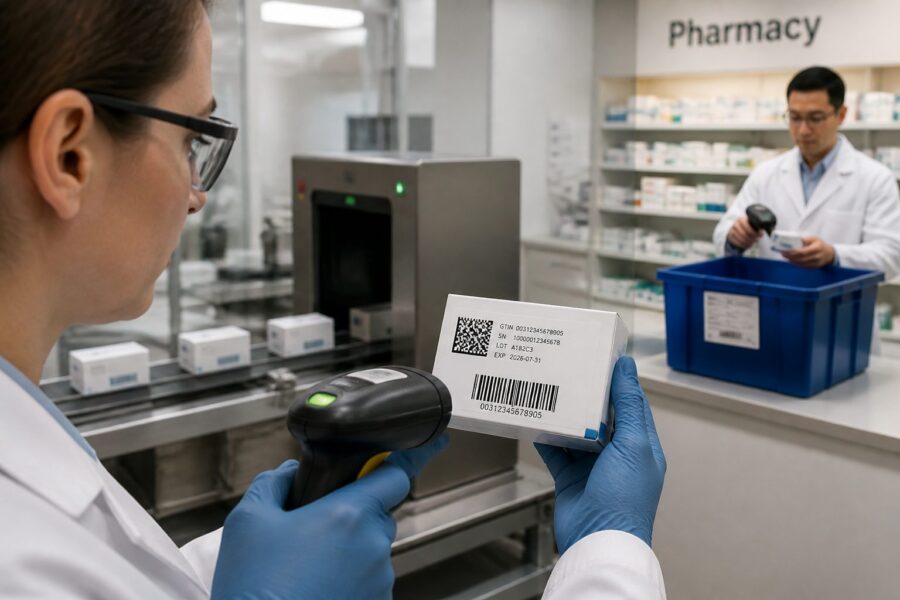
Serialization labels must include several key data elements to comply with regulatory standards and facilitate effective tracking. These elements are crucial for effective tracking and tracing of pharmaceuticals, ensuring that each package can be easily identified and monitored throughout its journey.
First and foremost, each label should feature a unique serial number that distinguishes each package from others in the supply chain. This unique identifier is vital for ensuring that each unit can be tracked throughout its journey from the manufacturer to the end user, providing a clear record of its movement and handling.
In addition to the serial number, the National Drug Code (NDC) is essential for identifying the specific drug and its associated details. This code helps in the accurate identification of the medication, including its manufacturer, formulation, and packaging, making it easier for healthcare providers and pharmacists to dispense the correct product.
Furthermore, expiration dates must also be printed on serialization labels to ensure that consumers receive safe and effective medications. This information is critical for maintaining the safety and efficacy of pharmaceutical products, as expired medications can pose significant health risks to patients.
Finally, the lot number provides essential traceability in case of recalls or quality control issues that may arise. Together, these elements create a comprehensive drug track and trace label that meets regulatory requirements, ensuring that all necessary information is available to stakeholders throughout the supply chain.
2D DataMatrix Barcodes vs. QR Codes for Drug Labels
When it comes to drug serialization, choosing the right barcode format is crucial for effective tracking and compliance. Two popular options in the industry are 2D DataMatrix barcodes and QR codes, each with its unique advantages and potential applications in the pharmaceutical sector.
2D DataMatrix barcodes are specifically designed for tracking pharmaceuticals and can store a significant amount of data in a compact format. This makes them ideal for serialization, as they can include all necessary data elements—such as serial numbers, lot numbers, and expiration dates—within a small space, ensuring that all critical information is readily accessible during scanning.
| Feature | DataMatrix Barcodes | QR Codes |
|---|---|---|
| Data Capacity | High | Moderate |
| Size | Smaller | Larger |
| Industry Standard | Pharmaceutical | General Use |
| Scanning Speed | Fast | Moderate |
On the other hand, QR codes are more commonly recognized by consumers and have gained popularity in various marketing and educational contexts. While they serve well in consumer-facing applications, for focused applications within the pharmaceutical sector, 2D DataMatrix barcodes are generally preferred due to their superior data capacity and specific design for tracking pharmaceuticals.
Ultimately, the choice between these barcode formats depends on the specific needs and objectives of the pharmaceutical company. Understanding the differences between 2D DataMatrix barcodes and QR codes can help in selecting the most appropriate and effective drug serialization labels to meet regulatory demands and enhance product traceability.
DSCSA Requirements in the United States Explained Simply
The Drug Supply Chain Security Act (DSCSA) outlines specific requirements for drug serialization in the United States, serving as a critical framework for enhancing the security of the drug supply chain. Its primary aim is to prevent counterfeit drugs from entering the market and to ensure that consumers receive safe and authentic medications.
Under the DSCSA, manufacturers are required to serialize prescription drugs with a unique identifier that must be prominently placed on the DSCSA serialization label for tracking purposes. This unique identifier allows for the monitoring and tracing of drug products as they move through the supply chain, providing crucial information to stakeholders at every level.
Additionally, the DSCSA mandates that trading partners must exchange certain critical information when drugs are transferred between entities. This includes essential data such as the product’s serial number, lot number, and expiration date, which are all vital for maintaining the integrity of the supply chain.
Furthermore, the law establishes a comprehensive system for verifying the legitimacy of drug products before they reach consumers. This verification process ensures that only safe and authentic medications are available on the market, helping to build trust among healthcare providers and patients alike.
By adhering strictly to DSCSA requirements, pharmaceutical companies can contribute significantly to a safer healthcare system. This compliance not only demonstrates a commitment to quality and patient safety but also positions companies favorably in an increasingly competitive marketplace.
EU FMD Falsified Medicines Directive Label Requirements
The EU Falsified Medicines Directive (FMD) sets forth strict serialization requirements for pharmaceutical products across Europe, acting as a robust framework to combat the presence of falsified medicines in the supply chain. Its goal is to enhance patient safety by ensuring that only genuine medications reach consumers, thereby maintaining public trust in the pharmaceutical industry.
Under the FMD, each pharmaceutical product must carry a unique identifier along with an anti-tampering device that provides an added layer of security. This crucial measure ensures that any tampering with the product is immediately evident, allowing for swift action to be taken if discrepancies arise during handling or distribution.
Moreover, the FMD requires that serialization labels include a 2D DataMatrix barcode that contains the unique identifier, lot number, and expiration date. This comprehensive labeling approach enhances traceability and bolsters consumer confidence in pharmaceutical products, ensuring that they can verify the authenticity of what they are purchasing.
These stringent requirements are aimed at enhancing the overall safety and integrity of the pharmaceutical supply chain throughout Europe. By adhering to the FMD, companies can effectively prevent counterfeit drugs from reaching the market, thereby protecting consumers and upholding the standards of the industry.
Compliance with the EU FMD is essential for any pharmaceutical company operating within Europe, as it sets the foundation for a safe and secure marketplace. It not only protects consumers but also upholds the integrity of the pharmaceutical industry, ensuring that all products distributed within the region meet the highest safety and quality standards.
Integrating Serialization Labels into Existing Packaging Lines
Integrating serialization labels into existing packaging lines can be a complex process that requires careful planning and execution. However, it is essential for meeting regulatory requirements and ensuring product safety throughout the entire supply chain, ultimately benefiting consumers and the industry as a whole.
To begin the integration process, companies must conduct a thorough assessment of their current packaging systems and processes. This evaluation will determine the necessary upgrades and adjustments needed to accommodate serialization labels effectively, ensuring that the new system aligns with regulatory demands.
The integration process should include several key steps to ensure a smooth transition to serialization. Companies should assess current packaging technology, identify necessary software upgrades, train staff on new systems, test serialization processes, and implement quality control measures to maintain compliance and accuracy.
Once the necessary adjustments are made, companies can streamline their packaging operations, leading to improved efficiency and compliance with serialization regulations. This increased efficiency not only enhances productivity but also allows for quicker responses to market demands and customer needs.
Moreover, effective integration helps to minimize disruptions in production, ensuring that the manufacturing process runs smoothly and efficiently. This is crucial for maintaining supply chain integrity and meeting customer demand consistently, as any delays can impact both revenue and consumer trust.
Aggregation Labels: Linking Unit-Level to Case and Pallet Levels
Aggregation labels play a vital role in linking unit-level products to case and pallet levels, providing a comprehensive view of the product hierarchy within the supply chain. This process enhances visibility throughout the supply chain, allowing stakeholders to track not just individual units but also larger wholesale packages effectively.
By utilizing aggregation, companies can track the journey of their products from the point of manufacture all the way to the end user. This capability is essential for effective drug track and trace label usage, as it ensures that all products can be traced from their origin to their final destination, thereby enhancing accountability.
Aggregation labels provide a comprehensive view of the product hierarchy, allowing for better inventory management and reducing the risk of errors during distribution. This streamlined tracking process simplifies the management of pharmaceutical products at all levels of the supply chain, from individual units to larger cases and pallets.
Furthermore, effective use of aggregation labels contributes to a safer healthcare environment by ensuring that all products are accounted for and compliant with serialization mandates. By maintaining thorough records and clear visibility into the supply chain, companies can better protect consumers and uphold industry standards.
Ultimately, the integration of aggregation labels into serialization processes not only enhances operational efficiency but also reinforces consumer safety. Companies can ensure that all products are tracked accurately, reducing the likelihood of counterfeit drugs entering the market and fostering trust among healthcare providers and patients.
Avoiding Common Serialization Label Defects That Trigger Recalls
Serialization label defects can lead to serious consequences, including product recalls that can damage a company’s reputation and financial standing. It is essential for companies to be aware of common defects to avoid these costly issues and maintain consumer trust.
Common defects include incorrect serial numbers, unreadable barcodes, and missing data elements that can hinder the tracking and tracing process. Addressing these issues proactively can help maintain compliance with regulatory standards and ensure consumer safety by preventing counterfeit and substandard products from reaching the market.
Implementing rigorous quality control measures is crucial in preventing label defects from occurring in the first place. Regular audits and checks of serialization processes can help identify issues before they escalate into larger problems, ensuring that all labels meet the required standards.
Moreover, staff training on serialization requirements can significantly reduce errors and improve overall accuracy in labeling. Ensuring that employees understand the importance of accurate labeling fosters a culture of quality within the organization, leading to better compliance and fewer mistakes.
By prioritizing the accuracy of serialization labels and actively working to avoid defects, companies can enhance their reputation and minimize the risk of costly recalls. This commitment to quality ultimately benefits consumers and the industry as a whole by ensuring that safe and effective medications are always available.
Verifying Serialization Data Before Products Leave the Facility
Verifying serialization data before products leave the facility is critical for ensuring compliance and maintaining the safety of pharmaceutical products. This essential step ensures that all necessary data elements are accurate, complete, and ready for tracking throughout the supply chain.
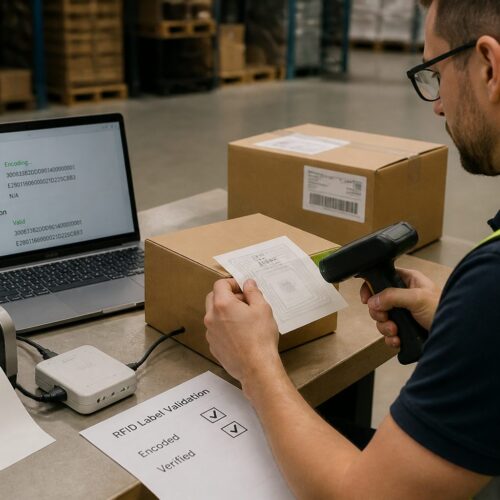
To verify data effectively, companies should implement robust verification procedures that include scanning barcodes and checking serial numbers against a comprehensive database. This process helps to confirm that all information is correct and that each product is accurately documented before it is shipped out.
Additionally, establishing a clear protocol for data verification can help streamline the process and reduce the likelihood of errors occurring. This structured approach will minimize mistakes and enhance overall efficiency in the handling and distribution of pharmaceutical products.
Furthermore, involving multiple team members in the verification process can provide additional layers of security and accountability. This collaborative approach fosters a sense of responsibility within the organization, ensuring that all staff members are invested in maintaining high standards of quality and accuracy.
Ultimately, thorough verification of serialization data protects consumers and upholds industry standards by ensuring that only safe, effective medications reach the market. It is a vital step in ensuring that pharmaceutical products are not only compliant with regulations but also trustworthy for patients relying on them for their health and well-being.