
CDC and WHO pictograms are specifically designed to convey critical information regarding infection control measures and protective equipment, ensuring that personnel are properly equipped to handle potentially dangerous situations safely. Their use ensures that everyone involved is aware of the necessary protocols and procedures, thereby reducing the likelihood of accidents and infections.
Additionally, these pictograms often include information about quarantine protocols and waste disposal practices, providing a comprehensive approach to safety during outbreaks. This comprehensive approach helps reduce the risk of further transmission during outbreaks, ultimately safeguarding public health and safety.
Regular training on the interpretation and application of CDC and WHO pictograms is crucial for all personnel involved in outbreak response, as it prepares staff to act swiftly and effectively in high-stress environments. This training not only enhances individual preparedness but also fosters a sense of teamwork and collaboration among staff members, which is vital during crisis situations.
By integrating these guidelines into laboratory practices, facilities can significantly enhance their response capabilities during outbreaks, ensuring that they are ready to address public health emergencies. This level of preparedness is vital for safeguarding public health and safety, demonstrating a commitment to excellence in biosafety practices.
Reviewing and Updating Biological Hazard Pictograms in Research Facilities
Regular reviews and updates of biological hazard pictograms are essential for maintaining safety in research facilities, as they help ensure that the information being conveyed is accurate and relevant. As new research emerges and regulations evolve, so too must the symbols and signage used to denote biological hazards, reflecting the latest understanding of safety practices.
Institutions should establish a routine schedule for evaluating the effectiveness and clarity of their pictograms, allowing for timely adjustments as necessary. This proactive measure helps ensure that the visual communication of hazards remains clear and relevant, making it easier for personnel to understand and respond appropriately to potential risks.
Engaging staff in this review process can provide valuable insights into the practical use and understanding of biological hazard pictograms, helping to identify any areas where improvements may be needed. This collaborative approach fosters a culture of safety and accountability within research environments, where everyone plays a role in promoting safe practices.
Additionally, incorporating feedback from personnel can lead to the development of more effective signage that resonates with staff and enhances safety awareness. This ongoing dialogue between management and staff is crucial for refining safety practices and ensuring that everyone is on the same page regarding biosafety protocols.
Ultimately, the goal of reviewing and updating biological hazard pictograms is to enhance safety and compliance in research facilities, thereby protecting both personnel and the integrity of their research. By prioritizing clear communication and responsiveness to emerging challenges, institutions can foster a safer working environment that supports scientific advancement and public health initiatives.
For instance, laboratories working with pathogens like HIV or COVID-19 may display additional signage detailing the specific risks and necessary precautions that must be taken. This targeted communication enhances awareness and promotes safe handling practices, ultimately contributing to a culture of safety within the laboratory environment.
Furthermore, these signs should include clear instructions on what to do in case of exposure or spills, ensuring that personnel are prepared to respond effectively to potential incidents. This proactive approach not only helps mitigate risks but also fosters a sense of readiness among staff when faced with potential emergencies.
Regular reviews of pathogen-specific warning signs help ensure their accuracy and relevance, as the landscape of biological hazards is constantly evolving. This continuous assessment is vital for adapting to new challenges and ensuring that safety practices remain up-to-date and effective.
By maintaining up-to-date warning signs, laboratories can foster a culture of safety and awareness among their personnel, reinforcing the importance of vigilance and compliance. This diligence is essential for minimizing the risks associated with infectious agents and protecting both employees and the broader community.
CDC and WHO Pictogram Guidance for Outbreak Response Environments
During biological outbreaks, adherence to guidelines set by organizations like the CDC and WHO is essential for ensuring the safety of personnel and the public. These organizations provide pictogram guidance to enhance safety in outbreak response environments, offering critical information that can help mitigate the risks associated with infectious diseases.
CDC and WHO pictograms are specifically designed to convey critical information regarding infection control measures and protective equipment, ensuring that personnel are properly equipped to handle potentially dangerous situations safely. Their use ensures that everyone involved is aware of the necessary protocols and procedures, thereby reducing the likelihood of accidents and infections.
Additionally, these pictograms often include information about quarantine protocols and waste disposal practices, providing a comprehensive approach to safety during outbreaks. This comprehensive approach helps reduce the risk of further transmission during outbreaks, ultimately safeguarding public health and safety.
Regular training on the interpretation and application of CDC and WHO pictograms is crucial for all personnel involved in outbreak response, as it prepares staff to act swiftly and effectively in high-stress environments. This training not only enhances individual preparedness but also fosters a sense of teamwork and collaboration among staff members, which is vital during crisis situations.
By integrating these guidelines into laboratory practices, facilities can significantly enhance their response capabilities during outbreaks, ensuring that they are ready to address public health emergencies. This level of preparedness is vital for safeguarding public health and safety, demonstrating a commitment to excellence in biosafety practices.
Reviewing and Updating Biological Hazard Pictograms in Research Facilities
Regular reviews and updates of biological hazard pictograms are essential for maintaining safety in research facilities, as they help ensure that the information being conveyed is accurate and relevant. As new research emerges and regulations evolve, so too must the symbols and signage used to denote biological hazards, reflecting the latest understanding of safety practices.
Institutions should establish a routine schedule for evaluating the effectiveness and clarity of their pictograms, allowing for timely adjustments as necessary. This proactive measure helps ensure that the visual communication of hazards remains clear and relevant, making it easier for personnel to understand and respond appropriately to potential risks.
Engaging staff in this review process can provide valuable insights into the practical use and understanding of biological hazard pictograms, helping to identify any areas where improvements may be needed. This collaborative approach fosters a culture of safety and accountability within research environments, where everyone plays a role in promoting safe practices.
Additionally, incorporating feedback from personnel can lead to the development of more effective signage that resonates with staff and enhances safety awareness. This ongoing dialogue between management and staff is crucial for refining safety practices and ensuring that everyone is on the same page regarding biosafety protocols.
Ultimately, the goal of reviewing and updating biological hazard pictograms is to enhance safety and compliance in research facilities, thereby protecting both personnel and the integrity of their research. By prioritizing clear communication and responsiveness to emerging challenges, institutions can foster a safer working environment that supports scientific advancement and public health initiatives.
These pictograms typically illustrate the necessary equipment, such as gloves, masks, and gowns, that personnel must wear before entering the lab, providing visual guidance that is easy to understand. This visual guidance minimizes the risk of exposure to hazardous materials, as it reinforces the importance of proper PPE usage among all individuals working in laboratory settings.
In addition to pictograms, comprehensive training programs should be in place to educate staff on the importance of appropriate PPE usage and the specific requirements for different laboratory environments. This ensures that all personnel understand their responsibilities in maintaining safety within the laboratory environment and are well-equipped to protect themselves and their colleagues.
Regular assessments of PPE compliance can further enhance safety measures, allowing laboratories to identify potential gaps in adherence to safety protocols. By fostering a culture of accountability, laboratories can significantly reduce the risk of accidents and exposure to biohazardous agents, ultimately promoting a safer and more productive workplace.
Ultimately, the effectiveness of PPE requirement pictograms relies on consistent enforcement and adherence to safety protocols, which is essential for maintaining a high standard of safety in laboratories. This commitment to safety not only protects both personnel and the integrity of laboratory operations but also contributes to the overall success of scientific research and public health initiatives.
Pathogen-Specific Warning Signs Beyond the Universal Biohazard Symbol
While the universal biohazard symbol is widely recognized, specific pathogens may require additional warning signs to effectively communicate risks. These pathogen-specific warning signs provide crucial information about the dangers associated with handling particular infectious agents, helping to ensure that personnel are fully informed of the potential hazards they may encounter.
For instance, laboratories working with pathogens like HIV or COVID-19 may display additional signage detailing the specific risks and necessary precautions that must be taken. This targeted communication enhances awareness and promotes safe handling practices, ultimately contributing to a culture of safety within the laboratory environment.
Furthermore, these signs should include clear instructions on what to do in case of exposure or spills, ensuring that personnel are prepared to respond effectively to potential incidents. This proactive approach not only helps mitigate risks but also fosters a sense of readiness among staff when faced with potential emergencies.
Regular reviews of pathogen-specific warning signs help ensure their accuracy and relevance, as the landscape of biological hazards is constantly evolving. This continuous assessment is vital for adapting to new challenges and ensuring that safety practices remain up-to-date and effective.
By maintaining up-to-date warning signs, laboratories can foster a culture of safety and awareness among their personnel, reinforcing the importance of vigilance and compliance. This diligence is essential for minimizing the risks associated with infectious agents and protecting both employees and the broader community.
CDC and WHO Pictogram Guidance for Outbreak Response Environments
During biological outbreaks, adherence to guidelines set by organizations like the CDC and WHO is essential for ensuring the safety of personnel and the public. These organizations provide pictogram guidance to enhance safety in outbreak response environments, offering critical information that can help mitigate the risks associated with infectious diseases.
CDC and WHO pictograms are specifically designed to convey critical information regarding infection control measures and protective equipment, ensuring that personnel are properly equipped to handle potentially dangerous situations safely. Their use ensures that everyone involved is aware of the necessary protocols and procedures, thereby reducing the likelihood of accidents and infections.
Additionally, these pictograms often include information about quarantine protocols and waste disposal practices, providing a comprehensive approach to safety during outbreaks. This comprehensive approach helps reduce the risk of further transmission during outbreaks, ultimately safeguarding public health and safety.
Regular training on the interpretation and application of CDC and WHO pictograms is crucial for all personnel involved in outbreak response, as it prepares staff to act swiftly and effectively in high-stress environments. This training not only enhances individual preparedness but also fosters a sense of teamwork and collaboration among staff members, which is vital during crisis situations.
By integrating these guidelines into laboratory practices, facilities can significantly enhance their response capabilities during outbreaks, ensuring that they are ready to address public health emergencies. This level of preparedness is vital for safeguarding public health and safety, demonstrating a commitment to excellence in biosafety practices.
Reviewing and Updating Biological Hazard Pictograms in Research Facilities
Regular reviews and updates of biological hazard pictograms are essential for maintaining safety in research facilities, as they help ensure that the information being conveyed is accurate and relevant. As new research emerges and regulations evolve, so too must the symbols and signage used to denote biological hazards, reflecting the latest understanding of safety practices.
Institutions should establish a routine schedule for evaluating the effectiveness and clarity of their pictograms, allowing for timely adjustments as necessary. This proactive measure helps ensure that the visual communication of hazards remains clear and relevant, making it easier for personnel to understand and respond appropriately to potential risks.
Engaging staff in this review process can provide valuable insights into the practical use and understanding of biological hazard pictograms, helping to identify any areas where improvements may be needed. This collaborative approach fosters a culture of safety and accountability within research environments, where everyone plays a role in promoting safe practices.
Additionally, incorporating feedback from personnel can lead to the development of more effective signage that resonates with staff and enhances safety awareness. This ongoing dialogue between management and staff is crucial for refining safety practices and ensuring that everyone is on the same page regarding biosafety protocols.
Ultimately, the goal of reviewing and updating biological hazard pictograms is to enhance safety and compliance in research facilities, thereby protecting both personnel and the integrity of their research. By prioritizing clear communication and responsiveness to emerging challenges, institutions can foster a safer working environment that supports scientific advancement and public health initiatives.
Autoclave pictograms typically display images of the autoclave machine along with the biohazard symbol, indicating the need for sterilization and the associated risks. This signage ensures that personnel are aware of the procedures necessary to eliminate potential hazards, thereby promoting a culture of safety in the laboratory.
- Autoclave usage instructions
- Temperature and pressure settings
- Duration of sterilization
- Post-sterilization handling
- Emergency procedures
By clearly displaying these pictograms, laboratories can enhance compliance with decontamination protocols, which is crucial for maintaining a safe and effective working environment. This attention to detail not only helps protect personnel but also ensures that laboratory operations run smoothly without interruptions due to safety incidents.
Moreover, training personnel on the importance of autoclave and decontamination pictograms fosters a culture of safety, encouraging individuals to take their responsibilities seriously. This awareness is pivotal in reducing the risks associated with biohazardous materials, ultimately contributing to a safer laboratory environment for all.
PPE Requirement Pictograms at Laboratory Entry Points
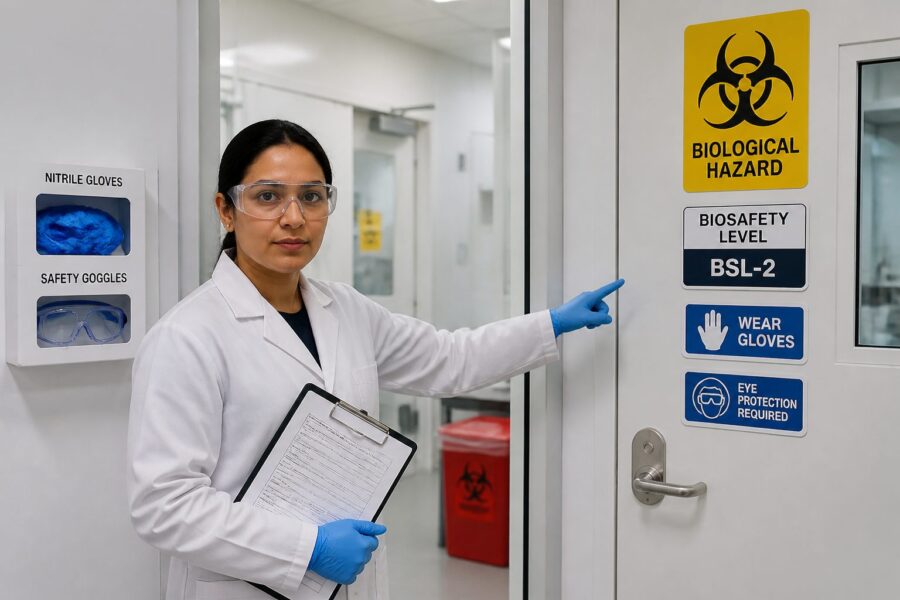
Personal protective equipment (PPE) is a critical line of defense against biological hazards in laboratories, serving to protect personnel from potential exposure to infectious agents. Pictograms indicating PPE requirements must be prominently displayed at laboratory entry points to ensure compliance and remind staff of the necessary safety measures they must take.
These pictograms typically illustrate the necessary equipment, such as gloves, masks, and gowns, that personnel must wear before entering the lab, providing visual guidance that is easy to understand. This visual guidance minimizes the risk of exposure to hazardous materials, as it reinforces the importance of proper PPE usage among all individuals working in laboratory settings.
In addition to pictograms, comprehensive training programs should be in place to educate staff on the importance of appropriate PPE usage and the specific requirements for different laboratory environments. This ensures that all personnel understand their responsibilities in maintaining safety within the laboratory environment and are well-equipped to protect themselves and their colleagues.
Regular assessments of PPE compliance can further enhance safety measures, allowing laboratories to identify potential gaps in adherence to safety protocols. By fostering a culture of accountability, laboratories can significantly reduce the risk of accidents and exposure to biohazardous agents, ultimately promoting a safer and more productive workplace.
Ultimately, the effectiveness of PPE requirement pictograms relies on consistent enforcement and adherence to safety protocols, which is essential for maintaining a high standard of safety in laboratories. This commitment to safety not only protects both personnel and the integrity of laboratory operations but also contributes to the overall success of scientific research and public health initiatives.
Pathogen-Specific Warning Signs Beyond the Universal Biohazard Symbol
While the universal biohazard symbol is widely recognized, specific pathogens may require additional warning signs to effectively communicate risks. These pathogen-specific warning signs provide crucial information about the dangers associated with handling particular infectious agents, helping to ensure that personnel are fully informed of the potential hazards they may encounter.
For instance, laboratories working with pathogens like HIV or COVID-19 may display additional signage detailing the specific risks and necessary precautions that must be taken. This targeted communication enhances awareness and promotes safe handling practices, ultimately contributing to a culture of safety within the laboratory environment.
Furthermore, these signs should include clear instructions on what to do in case of exposure or spills, ensuring that personnel are prepared to respond effectively to potential incidents. This proactive approach not only helps mitigate risks but also fosters a sense of readiness among staff when faced with potential emergencies.
Regular reviews of pathogen-specific warning signs help ensure their accuracy and relevance, as the landscape of biological hazards is constantly evolving. This continuous assessment is vital for adapting to new challenges and ensuring that safety practices remain up-to-date and effective.
By maintaining up-to-date warning signs, laboratories can foster a culture of safety and awareness among their personnel, reinforcing the importance of vigilance and compliance. This diligence is essential for minimizing the risks associated with infectious agents and protecting both employees and the broader community.
CDC and WHO Pictogram Guidance for Outbreak Response Environments
During biological outbreaks, adherence to guidelines set by organizations like the CDC and WHO is essential for ensuring the safety of personnel and the public. These organizations provide pictogram guidance to enhance safety in outbreak response environments, offering critical information that can help mitigate the risks associated with infectious diseases.
CDC and WHO pictograms are specifically designed to convey critical information regarding infection control measures and protective equipment, ensuring that personnel are properly equipped to handle potentially dangerous situations safely. Their use ensures that everyone involved is aware of the necessary protocols and procedures, thereby reducing the likelihood of accidents and infections.
Additionally, these pictograms often include information about quarantine protocols and waste disposal practices, providing a comprehensive approach to safety during outbreaks. This comprehensive approach helps reduce the risk of further transmission during outbreaks, ultimately safeguarding public health and safety.
Regular training on the interpretation and application of CDC and WHO pictograms is crucial for all personnel involved in outbreak response, as it prepares staff to act swiftly and effectively in high-stress environments. This training not only enhances individual preparedness but also fosters a sense of teamwork and collaboration among staff members, which is vital during crisis situations.
By integrating these guidelines into laboratory practices, facilities can significantly enhance their response capabilities during outbreaks, ensuring that they are ready to address public health emergencies. This level of preparedness is vital for safeguarding public health and safety, demonstrating a commitment to excellence in biosafety practices.
Reviewing and Updating Biological Hazard Pictograms in Research Facilities
Regular reviews and updates of biological hazard pictograms are essential for maintaining safety in research facilities, as they help ensure that the information being conveyed is accurate and relevant. As new research emerges and regulations evolve, so too must the symbols and signage used to denote biological hazards, reflecting the latest understanding of safety practices.
Institutions should establish a routine schedule for evaluating the effectiveness and clarity of their pictograms, allowing for timely adjustments as necessary. This proactive measure helps ensure that the visual communication of hazards remains clear and relevant, making it easier for personnel to understand and respond appropriately to potential risks.
Engaging staff in this review process can provide valuable insights into the practical use and understanding of biological hazard pictograms, helping to identify any areas where improvements may be needed. This collaborative approach fosters a culture of safety and accountability within research environments, where everyone plays a role in promoting safe practices.
Additionally, incorporating feedback from personnel can lead to the development of more effective signage that resonates with staff and enhances safety awareness. This ongoing dialogue between management and staff is crucial for refining safety practices and ensuring that everyone is on the same page regarding biosafety protocols.
Ultimately, the goal of reviewing and updating biological hazard pictograms is to enhance safety and compliance in research facilities, thereby protecting both personnel and the integrity of their research. By prioritizing clear communication and responsiveness to emerging challenges, institutions can foster a safer working environment that supports scientific advancement and public health initiatives.
Typically, infectious waste bags are colored red or yellow, with the biohazard symbol prominently displayed to serve as a clear visual cue for staff. This visual cue helps staff quickly identify the type of waste and handle it accordingly, reducing the chances of mishandling or cross-contamination.
Additionally, clear labeling must accompany all containers to inform users of the specific type of waste they should contain, which is essential for compliance with local waste management regulations. This reduces the risk of cross-contamination and ensures that waste is disposed of properly, safeguarding both personnel and the environment.
Proper training on the significance of color coding and symbol placement is essential for all personnel involved in waste management, equipping them with the knowledge they need to handle infectious materials safely. By understanding these protocols, staff can efficiently manage infectious waste, minimizing health risks and promoting a safer laboratory environment.
Furthermore, regular audits and inspections of waste disposal practices help maintain adherence to safety standards, ensuring that all personnel are following established protocols. This proactive approach ensures continuous improvement in laboratory safety protocols and fosters an environment where safety is a shared responsibility.
Autoclave and Decontamination Pictograms for Biohazardous Material
Decontamination procedures are essential for managing biohazardous materials effectively, as they help to eliminate the risks associated with infectious agents. The use of autoclave pictograms is critical for indicating the proper methods for sterilizing contaminated items, ensuring that all personnel are aware of the procedures they must follow.
Autoclave pictograms typically display images of the autoclave machine along with the biohazard symbol, indicating the need for sterilization and the associated risks. This signage ensures that personnel are aware of the procedures necessary to eliminate potential hazards, thereby promoting a culture of safety in the laboratory.
- Autoclave usage instructions
- Temperature and pressure settings
- Duration of sterilization
- Post-sterilization handling
- Emergency procedures
By clearly displaying these pictograms, laboratories can enhance compliance with decontamination protocols, which is crucial for maintaining a safe and effective working environment. This attention to detail not only helps protect personnel but also ensures that laboratory operations run smoothly without interruptions due to safety incidents.
Moreover, training personnel on the importance of autoclave and decontamination pictograms fosters a culture of safety, encouraging individuals to take their responsibilities seriously. This awareness is pivotal in reducing the risks associated with biohazardous materials, ultimately contributing to a safer laboratory environment for all.
PPE Requirement Pictograms at Laboratory Entry Points
Personal protective equipment (PPE) is a critical line of defense against biological hazards in laboratories, serving to protect personnel from potential exposure to infectious agents. Pictograms indicating PPE requirements must be prominently displayed at laboratory entry points to ensure compliance and remind staff of the necessary safety measures they must take.
These pictograms typically illustrate the necessary equipment, such as gloves, masks, and gowns, that personnel must wear before entering the lab, providing visual guidance that is easy to understand. This visual guidance minimizes the risk of exposure to hazardous materials, as it reinforces the importance of proper PPE usage among all individuals working in laboratory settings.
In addition to pictograms, comprehensive training programs should be in place to educate staff on the importance of appropriate PPE usage and the specific requirements for different laboratory environments. This ensures that all personnel understand their responsibilities in maintaining safety within the laboratory environment and are well-equipped to protect themselves and their colleagues.
Regular assessments of PPE compliance can further enhance safety measures, allowing laboratories to identify potential gaps in adherence to safety protocols. By fostering a culture of accountability, laboratories can significantly reduce the risk of accidents and exposure to biohazardous agents, ultimately promoting a safer and more productive workplace.
Ultimately, the effectiveness of PPE requirement pictograms relies on consistent enforcement and adherence to safety protocols, which is essential for maintaining a high standard of safety in laboratories. This commitment to safety not only protects both personnel and the integrity of laboratory operations but also contributes to the overall success of scientific research and public health initiatives.
Pathogen-Specific Warning Signs Beyond the Universal Biohazard Symbol
While the universal biohazard symbol is widely recognized, specific pathogens may require additional warning signs to effectively communicate risks. These pathogen-specific warning signs provide crucial information about the dangers associated with handling particular infectious agents, helping to ensure that personnel are fully informed of the potential hazards they may encounter.
For instance, laboratories working with pathogens like HIV or COVID-19 may display additional signage detailing the specific risks and necessary precautions that must be taken. This targeted communication enhances awareness and promotes safe handling practices, ultimately contributing to a culture of safety within the laboratory environment.
Furthermore, these signs should include clear instructions on what to do in case of exposure or spills, ensuring that personnel are prepared to respond effectively to potential incidents. This proactive approach not only helps mitigate risks but also fosters a sense of readiness among staff when faced with potential emergencies.
Regular reviews of pathogen-specific warning signs help ensure their accuracy and relevance, as the landscape of biological hazards is constantly evolving. This continuous assessment is vital for adapting to new challenges and ensuring that safety practices remain up-to-date and effective.
By maintaining up-to-date warning signs, laboratories can foster a culture of safety and awareness among their personnel, reinforcing the importance of vigilance and compliance. This diligence is essential for minimizing the risks associated with infectious agents and protecting both employees and the broader community.
CDC and WHO Pictogram Guidance for Outbreak Response Environments
During biological outbreaks, adherence to guidelines set by organizations like the CDC and WHO is essential for ensuring the safety of personnel and the public. These organizations provide pictogram guidance to enhance safety in outbreak response environments, offering critical information that can help mitigate the risks associated with infectious diseases.
CDC and WHO pictograms are specifically designed to convey critical information regarding infection control measures and protective equipment, ensuring that personnel are properly equipped to handle potentially dangerous situations safely. Their use ensures that everyone involved is aware of the necessary protocols and procedures, thereby reducing the likelihood of accidents and infections.
Additionally, these pictograms often include information about quarantine protocols and waste disposal practices, providing a comprehensive approach to safety during outbreaks. This comprehensive approach helps reduce the risk of further transmission during outbreaks, ultimately safeguarding public health and safety.
Regular training on the interpretation and application of CDC and WHO pictograms is crucial for all personnel involved in outbreak response, as it prepares staff to act swiftly and effectively in high-stress environments. This training not only enhances individual preparedness but also fosters a sense of teamwork and collaboration among staff members, which is vital during crisis situations.
By integrating these guidelines into laboratory practices, facilities can significantly enhance their response capabilities during outbreaks, ensuring that they are ready to address public health emergencies. This level of preparedness is vital for safeguarding public health and safety, demonstrating a commitment to excellence in biosafety practices.
Reviewing and Updating Biological Hazard Pictograms in Research Facilities
Regular reviews and updates of biological hazard pictograms are essential for maintaining safety in research facilities, as they help ensure that the information being conveyed is accurate and relevant. As new research emerges and regulations evolve, so too must the symbols and signage used to denote biological hazards, reflecting the latest understanding of safety practices.
Institutions should establish a routine schedule for evaluating the effectiveness and clarity of their pictograms, allowing for timely adjustments as necessary. This proactive measure helps ensure that the visual communication of hazards remains clear and relevant, making it easier for personnel to understand and respond appropriately to potential risks.
Engaging staff in this review process can provide valuable insights into the practical use and understanding of biological hazard pictograms, helping to identify any areas where improvements may be needed. This collaborative approach fosters a culture of safety and accountability within research environments, where everyone plays a role in promoting safe practices.
Additionally, incorporating feedback from personnel can lead to the development of more effective signage that resonates with staff and enhances safety awareness. This ongoing dialogue between management and staff is crucial for refining safety practices and ensuring that everyone is on the same page regarding biosafety protocols.
Ultimately, the goal of reviewing and updating biological hazard pictograms is to enhance safety and compliance in research facilities, thereby protecting both personnel and the integrity of their research. By prioritizing clear communication and responsiveness to emerging challenges, institutions can foster a safer working environment that supports scientific advancement and public health initiatives.
These pictograms typically depict a needle, blade, or other sharp object with a clear ‘do not touch’ message, which serves as a visual reminder of the potential dangers associated with improper disposal. This labeling helps ensure that all personnel understand the risks associated with sharps disposal and the importance of using designated containers, thereby minimizing the potential for accidents.
| Container Type | Label Color | Pictogram Description |
|---|---|---|
| Needle Disposal | Red | Needle with a slash |
| Blade Disposal | Yellow | Scalpel with a slash |
| General Sharps | Orange | Multiple sharp objects |
| Broken Glass | Green | Glass shards |
Proper labeling of sharps containers not only promotes safety but also reinforces compliance with local and federal regulations, which are designed to protect both workers and the public. By adhering to these protocols, laboratories can significantly reduce the risk of accidents and exposure to biohazardous materials, leading to a safer and more efficient working environment.
Laboratory personnel are trained to recognize these pictograms and respond appropriately when handling sharps, which is essential for maintaining a safe working environment. This level of awareness is crucial in fostering a culture of safety, where individuals take responsibility for their actions and the well-being of their colleagues.
Infectious Waste Bags and Containers: Symbol Placement and Color Coding
Infectious waste management is a pivotal aspect of laboratory safety protocols, as improper handling can lead to serious health risks and environmental contamination. The use of color-coded bags and containers, along with appropriate symbol placement, is vital for effective waste segregation and disposal, helping to streamline the process and enhance safety.
Typically, infectious waste bags are colored red or yellow, with the biohazard symbol prominently displayed to serve as a clear visual cue for staff. This visual cue helps staff quickly identify the type of waste and handle it accordingly, reducing the chances of mishandling or cross-contamination.
Additionally, clear labeling must accompany all containers to inform users of the specific type of waste they should contain, which is essential for compliance with local waste management regulations. This reduces the risk of cross-contamination and ensures that waste is disposed of properly, safeguarding both personnel and the environment.
Proper training on the significance of color coding and symbol placement is essential for all personnel involved in waste management, equipping them with the knowledge they need to handle infectious materials safely. By understanding these protocols, staff can efficiently manage infectious waste, minimizing health risks and promoting a safer laboratory environment.
Furthermore, regular audits and inspections of waste disposal practices help maintain adherence to safety standards, ensuring that all personnel are following established protocols. This proactive approach ensures continuous improvement in laboratory safety protocols and fosters an environment where safety is a shared responsibility.
Autoclave and Decontamination Pictograms for Biohazardous Material
Decontamination procedures are essential for managing biohazardous materials effectively, as they help to eliminate the risks associated with infectious agents. The use of autoclave pictograms is critical for indicating the proper methods for sterilizing contaminated items, ensuring that all personnel are aware of the procedures they must follow.
Autoclave pictograms typically display images of the autoclave machine along with the biohazard symbol, indicating the need for sterilization and the associated risks. This signage ensures that personnel are aware of the procedures necessary to eliminate potential hazards, thereby promoting a culture of safety in the laboratory.
- Autoclave usage instructions
- Temperature and pressure settings
- Duration of sterilization
- Post-sterilization handling
- Emergency procedures
By clearly displaying these pictograms, laboratories can enhance compliance with decontamination protocols, which is crucial for maintaining a safe and effective working environment. This attention to detail not only helps protect personnel but also ensures that laboratory operations run smoothly without interruptions due to safety incidents.
Moreover, training personnel on the importance of autoclave and decontamination pictograms fosters a culture of safety, encouraging individuals to take their responsibilities seriously. This awareness is pivotal in reducing the risks associated with biohazardous materials, ultimately contributing to a safer laboratory environment for all.
PPE Requirement Pictograms at Laboratory Entry Points
Personal protective equipment (PPE) is a critical line of defense against biological hazards in laboratories, serving to protect personnel from potential exposure to infectious agents. Pictograms indicating PPE requirements must be prominently displayed at laboratory entry points to ensure compliance and remind staff of the necessary safety measures they must take.
These pictograms typically illustrate the necessary equipment, such as gloves, masks, and gowns, that personnel must wear before entering the lab, providing visual guidance that is easy to understand. This visual guidance minimizes the risk of exposure to hazardous materials, as it reinforces the importance of proper PPE usage among all individuals working in laboratory settings.
In addition to pictograms, comprehensive training programs should be in place to educate staff on the importance of appropriate PPE usage and the specific requirements for different laboratory environments. This ensures that all personnel understand their responsibilities in maintaining safety within the laboratory environment and are well-equipped to protect themselves and their colleagues.
Regular assessments of PPE compliance can further enhance safety measures, allowing laboratories to identify potential gaps in adherence to safety protocols. By fostering a culture of accountability, laboratories can significantly reduce the risk of accidents and exposure to biohazardous agents, ultimately promoting a safer and more productive workplace.
Ultimately, the effectiveness of PPE requirement pictograms relies on consistent enforcement and adherence to safety protocols, which is essential for maintaining a high standard of safety in laboratories. This commitment to safety not only protects both personnel and the integrity of laboratory operations but also contributes to the overall success of scientific research and public health initiatives.
Pathogen-Specific Warning Signs Beyond the Universal Biohazard Symbol
While the universal biohazard symbol is widely recognized, specific pathogens may require additional warning signs to effectively communicate risks. These pathogen-specific warning signs provide crucial information about the dangers associated with handling particular infectious agents, helping to ensure that personnel are fully informed of the potential hazards they may encounter.
For instance, laboratories working with pathogens like HIV or COVID-19 may display additional signage detailing the specific risks and necessary precautions that must be taken. This targeted communication enhances awareness and promotes safe handling practices, ultimately contributing to a culture of safety within the laboratory environment.
Furthermore, these signs should include clear instructions on what to do in case of exposure or spills, ensuring that personnel are prepared to respond effectively to potential incidents. This proactive approach not only helps mitigate risks but also fosters a sense of readiness among staff when faced with potential emergencies.
Regular reviews of pathogen-specific warning signs help ensure their accuracy and relevance, as the landscape of biological hazards is constantly evolving. This continuous assessment is vital for adapting to new challenges and ensuring that safety practices remain up-to-date and effective.
By maintaining up-to-date warning signs, laboratories can foster a culture of safety and awareness among their personnel, reinforcing the importance of vigilance and compliance. This diligence is essential for minimizing the risks associated with infectious agents and protecting both employees and the broader community.
CDC and WHO Pictogram Guidance for Outbreak Response Environments
During biological outbreaks, adherence to guidelines set by organizations like the CDC and WHO is essential for ensuring the safety of personnel and the public. These organizations provide pictogram guidance to enhance safety in outbreak response environments, offering critical information that can help mitigate the risks associated with infectious diseases.
CDC and WHO pictograms are specifically designed to convey critical information regarding infection control measures and protective equipment, ensuring that personnel are properly equipped to handle potentially dangerous situations safely. Their use ensures that everyone involved is aware of the necessary protocols and procedures, thereby reducing the likelihood of accidents and infections.
Additionally, these pictograms often include information about quarantine protocols and waste disposal practices, providing a comprehensive approach to safety during outbreaks. This comprehensive approach helps reduce the risk of further transmission during outbreaks, ultimately safeguarding public health and safety.
Regular training on the interpretation and application of CDC and WHO pictograms is crucial for all personnel involved in outbreak response, as it prepares staff to act swiftly and effectively in high-stress environments. This training not only enhances individual preparedness but also fosters a sense of teamwork and collaboration among staff members, which is vital during crisis situations.
By integrating these guidelines into laboratory practices, facilities can significantly enhance their response capabilities during outbreaks, ensuring that they are ready to address public health emergencies. This level of preparedness is vital for safeguarding public health and safety, demonstrating a commitment to excellence in biosafety practices.
Reviewing and Updating Biological Hazard Pictograms in Research Facilities
Regular reviews and updates of biological hazard pictograms are essential for maintaining safety in research facilities, as they help ensure that the information being conveyed is accurate and relevant. As new research emerges and regulations evolve, so too must the symbols and signage used to denote biological hazards, reflecting the latest understanding of safety practices.
Institutions should establish a routine schedule for evaluating the effectiveness and clarity of their pictograms, allowing for timely adjustments as necessary. This proactive measure helps ensure that the visual communication of hazards remains clear and relevant, making it easier for personnel to understand and respond appropriately to potential risks.
Engaging staff in this review process can provide valuable insights into the practical use and understanding of biological hazard pictograms, helping to identify any areas where improvements may be needed. This collaborative approach fosters a culture of safety and accountability within research environments, where everyone plays a role in promoting safe practices.
Additionally, incorporating feedback from personnel can lead to the development of more effective signage that resonates with staff and enhances safety awareness. This ongoing dialogue between management and staff is crucial for refining safety practices and ensuring that everyone is on the same page regarding biosafety protocols.
Ultimately, the goal of reviewing and updating biological hazard pictograms is to enhance safety and compliance in research facilities, thereby protecting both personnel and the integrity of their research. By prioritizing clear communication and responsiveness to emerging challenges, institutions can foster a safer working environment that supports scientific advancement and public health initiatives.
In today’s world, the importance of safety in laboratories, healthcare facilities, and industrial environments cannot be overstated, as these settings often involve the handling of potentially hazardous materials. The use of biological hazard pictograms and biohazard symbols plays a crucial role in ensuring that individuals are aware of the various potential risks associated with the handling of these hazardous materials, thus promoting a culture of safety and compliance in workplaces worldwide.
Understanding the origin and meaning of these symbols is vital for compliance with safety regulations and maintaining a secure working environment, as they communicate essential information that can help prevent accidents and exposure. This article will explore various aspects of biosafety, including signage requirements, disposal methods, and pathogen-specific warnings, providing a thorough understanding of how these elements contribute to overall safety in laboratory and healthcare settings.
By delving into the details of biosafety levels and their associated pictograms, we aim to provide a comprehensive guide for labs and facilities worldwide that are striving to maintain high safety standards. Let’s begin with the universal biohazard symbol, which serves as a cornerstone in biological safety practices, providing critical information at a glance to all personnel who may come into contact with hazardous biological materials.
The Origin and Meaning of the Universal Biohazard Symbol
The universal biohazard symbol was developed in the 1960s by Charles Baldwin to denote biological hazards, a significant advancement in the field of biosafety. Its design features three interlocking circles, symbolizing the interconnectedness of the risks posed by biological agents and representing the need for a comprehensive approach to safety in environments where such agents are present.
This symbol is easily recognizable and serves as a warning to individuals about potential exposure to infectious substances, making it an essential part of any biosafety program. The color scheme typically uses black, yellow, or red to enhance visibility and promote immediate recognition, ensuring that the symbol stands out in various environments where biological hazards may be present.
Over the years, the biohazard symbol has become a standard in laboratories, hospitals, and waste disposal sites globally, reflecting its critical role in communicating hazards. Its primary purpose is to remind personnel to follow proper safety protocols when dealing with hazardous materials, thereby reducing the risk of accidents and ensuring a safer working environment for all involved.
The symbol is integral to biosafety sign systems and is often accompanied by specific biosafety level signs that provide additional context and information. This ensures that all workers are informed and prepared to manage the risks associated with their tasks, fostering an atmosphere of safety and responsibility in the workplace.
In understanding the importance of the biohazard symbol, it is essential to recognize its role in promoting safety and compliance across various sectors. This awareness helps protect healthcare workers, researchers, and the general public from exposure to harmful pathogens, thereby contributing to public health and safety on a larger scale.
Biosafety Levels 1 Through 4: Signage Requirements for Each
Biosafety levels (BSL) categorize laboratories based on the risk posed by the biological agents they handle, providing a framework for safety protocols and procedures. Each level has specific signage requirements to inform personnel of the necessary precautions and protocols to follow, ensuring that all workers are aware of the risks associated with their tasks.
Biosafety Level 1 (BSL-1) labs work with well-characterized agents that are not known to cause disease in healthy humans, making them relatively low-risk environments. The signage for BSL-1 facilities typically includes the biohazard symbol along with basic safety instructions, which serve as a reminder to maintain good laboratory practices and hygiene.
Biosafety Level 2 (BSL-2) labs handle moderate-risk agents that can cause illness but are not transmitted through the air, necessitating additional precautions. Signage for these labs must clearly display the biohazard symbol alongside additional warnings regarding safe handling practices, ensuring that personnel are informed about the specific risks they may encounter.
Biosafety Level 3 (BSL-3) labs work with pathogens that can be transmitted through inhalation and may cause serious illness, requiring stringent safety measures. The signage must be more prominent, featuring the biohazard symbol, restricted access warnings, and detailed instructions on personal protective equipment (PPE) usage, all of which are crucial for maintaining a safe working environment.
Finally, Biosafety Level 4 (BSL-4) labs deal with the most dangerous pathogens, often requiring the highest levels of containment and safety protocols. Signage for BSL-4 facilities must include multiple biohazard symbols, strict access limitations, and comprehensive emergency procedures, reflecting the serious nature of the work being conducted in these environments.
Sharps Disposal Pictograms and Container Labeling in Laboratory Settings
Sharps disposal is a critical component of laboratory safety to prevent injuries and the spread of infectious diseases, underscoring the importance of proper waste management practices. Sharps containers must be clearly labeled with specific pictograms to indicate their intended use, ensuring that all personnel understand how to dispose of hazardous sharp objects safely.
These pictograms typically depict a needle, blade, or other sharp object with a clear ‘do not touch’ message, which serves as a visual reminder of the potential dangers associated with improper disposal. This labeling helps ensure that all personnel understand the risks associated with sharps disposal and the importance of using designated containers, thereby minimizing the potential for accidents.
| Container Type | Label Color | Pictogram Description |
|---|---|---|
| Needle Disposal | Red | Needle with a slash |
| Blade Disposal | Yellow | Scalpel with a slash |
| General Sharps | Orange | Multiple sharp objects |
| Broken Glass | Green | Glass shards |
Proper labeling of sharps containers not only promotes safety but also reinforces compliance with local and federal regulations, which are designed to protect both workers and the public. By adhering to these protocols, laboratories can significantly reduce the risk of accidents and exposure to biohazardous materials, leading to a safer and more efficient working environment.
Laboratory personnel are trained to recognize these pictograms and respond appropriately when handling sharps, which is essential for maintaining a safe working environment. This level of awareness is crucial in fostering a culture of safety, where individuals take responsibility for their actions and the well-being of their colleagues.
Infectious Waste Bags and Containers: Symbol Placement and Color Coding
Infectious waste management is a pivotal aspect of laboratory safety protocols, as improper handling can lead to serious health risks and environmental contamination. The use of color-coded bags and containers, along with appropriate symbol placement, is vital for effective waste segregation and disposal, helping to streamline the process and enhance safety.
Typically, infectious waste bags are colored red or yellow, with the biohazard symbol prominently displayed to serve as a clear visual cue for staff. This visual cue helps staff quickly identify the type of waste and handle it accordingly, reducing the chances of mishandling or cross-contamination.
Additionally, clear labeling must accompany all containers to inform users of the specific type of waste they should contain, which is essential for compliance with local waste management regulations. This reduces the risk of cross-contamination and ensures that waste is disposed of properly, safeguarding both personnel and the environment.
Proper training on the significance of color coding and symbol placement is essential for all personnel involved in waste management, equipping them with the knowledge they need to handle infectious materials safely. By understanding these protocols, staff can efficiently manage infectious waste, minimizing health risks and promoting a safer laboratory environment.
Furthermore, regular audits and inspections of waste disposal practices help maintain adherence to safety standards, ensuring that all personnel are following established protocols. This proactive approach ensures continuous improvement in laboratory safety protocols and fosters an environment where safety is a shared responsibility.
Autoclave and Decontamination Pictograms for Biohazardous Material
Decontamination procedures are essential for managing biohazardous materials effectively, as they help to eliminate the risks associated with infectious agents. The use of autoclave pictograms is critical for indicating the proper methods for sterilizing contaminated items, ensuring that all personnel are aware of the procedures they must follow.
Autoclave pictograms typically display images of the autoclave machine along with the biohazard symbol, indicating the need for sterilization and the associated risks. This signage ensures that personnel are aware of the procedures necessary to eliminate potential hazards, thereby promoting a culture of safety in the laboratory.
- Autoclave usage instructions
- Temperature and pressure settings
- Duration of sterilization
- Post-sterilization handling
- Emergency procedures
By clearly displaying these pictograms, laboratories can enhance compliance with decontamination protocols, which is crucial for maintaining a safe and effective working environment. This attention to detail not only helps protect personnel but also ensures that laboratory operations run smoothly without interruptions due to safety incidents.
Moreover, training personnel on the importance of autoclave and decontamination pictograms fosters a culture of safety, encouraging individuals to take their responsibilities seriously. This awareness is pivotal in reducing the risks associated with biohazardous materials, ultimately contributing to a safer laboratory environment for all.
PPE Requirement Pictograms at Laboratory Entry Points
Personal protective equipment (PPE) is a critical line of defense against biological hazards in laboratories, serving to protect personnel from potential exposure to infectious agents. Pictograms indicating PPE requirements must be prominently displayed at laboratory entry points to ensure compliance and remind staff of the necessary safety measures they must take.
These pictograms typically illustrate the necessary equipment, such as gloves, masks, and gowns, that personnel must wear before entering the lab, providing visual guidance that is easy to understand. This visual guidance minimizes the risk of exposure to hazardous materials, as it reinforces the importance of proper PPE usage among all individuals working in laboratory settings.
In addition to pictograms, comprehensive training programs should be in place to educate staff on the importance of appropriate PPE usage and the specific requirements for different laboratory environments. This ensures that all personnel understand their responsibilities in maintaining safety within the laboratory environment and are well-equipped to protect themselves and their colleagues.
Regular assessments of PPE compliance can further enhance safety measures, allowing laboratories to identify potential gaps in adherence to safety protocols. By fostering a culture of accountability, laboratories can significantly reduce the risk of accidents and exposure to biohazardous agents, ultimately promoting a safer and more productive workplace.
Ultimately, the effectiveness of PPE requirement pictograms relies on consistent enforcement and adherence to safety protocols, which is essential for maintaining a high standard of safety in laboratories. This commitment to safety not only protects both personnel and the integrity of laboratory operations but also contributes to the overall success of scientific research and public health initiatives.
Pathogen-Specific Warning Signs Beyond the Universal Biohazard Symbol
While the universal biohazard symbol is widely recognized, specific pathogens may require additional warning signs to effectively communicate risks. These pathogen-specific warning signs provide crucial information about the dangers associated with handling particular infectious agents, helping to ensure that personnel are fully informed of the potential hazards they may encounter.
For instance, laboratories working with pathogens like HIV or COVID-19 may display additional signage detailing the specific risks and necessary precautions that must be taken. This targeted communication enhances awareness and promotes safe handling practices, ultimately contributing to a culture of safety within the laboratory environment.
Furthermore, these signs should include clear instructions on what to do in case of exposure or spills, ensuring that personnel are prepared to respond effectively to potential incidents. This proactive approach not only helps mitigate risks but also fosters a sense of readiness among staff when faced with potential emergencies.
Regular reviews of pathogen-specific warning signs help ensure their accuracy and relevance, as the landscape of biological hazards is constantly evolving. This continuous assessment is vital for adapting to new challenges and ensuring that safety practices remain up-to-date and effective.
By maintaining up-to-date warning signs, laboratories can foster a culture of safety and awareness among their personnel, reinforcing the importance of vigilance and compliance. This diligence is essential for minimizing the risks associated with infectious agents and protecting both employees and the broader community.
CDC and WHO Pictogram Guidance for Outbreak Response Environments
During biological outbreaks, adherence to guidelines set by organizations like the CDC and WHO is essential for ensuring the safety of personnel and the public. These organizations provide pictogram guidance to enhance safety in outbreak response environments, offering critical information that can help mitigate the risks associated with infectious diseases.
CDC and WHO pictograms are specifically designed to convey critical information regarding infection control measures and protective equipment, ensuring that personnel are properly equipped to handle potentially dangerous situations safely. Their use ensures that everyone involved is aware of the necessary protocols and procedures, thereby reducing the likelihood of accidents and infections.
Additionally, these pictograms often include information about quarantine protocols and waste disposal practices, providing a comprehensive approach to safety during outbreaks. This comprehensive approach helps reduce the risk of further transmission during outbreaks, ultimately safeguarding public health and safety.
Regular training on the interpretation and application of CDC and WHO pictograms is crucial for all personnel involved in outbreak response, as it prepares staff to act swiftly and effectively in high-stress environments. This training not only enhances individual preparedness but also fosters a sense of teamwork and collaboration among staff members, which is vital during crisis situations.
By integrating these guidelines into laboratory practices, facilities can significantly enhance their response capabilities during outbreaks, ensuring that they are ready to address public health emergencies. This level of preparedness is vital for safeguarding public health and safety, demonstrating a commitment to excellence in biosafety practices.
Reviewing and Updating Biological Hazard Pictograms in Research Facilities
Regular reviews and updates of biological hazard pictograms are essential for maintaining safety in research facilities, as they help ensure that the information being conveyed is accurate and relevant. As new research emerges and regulations evolve, so too must the symbols and signage used to denote biological hazards, reflecting the latest understanding of safety practices.
Institutions should establish a routine schedule for evaluating the effectiveness and clarity of their pictograms, allowing for timely adjustments as necessary. This proactive measure helps ensure that the visual communication of hazards remains clear and relevant, making it easier for personnel to understand and respond appropriately to potential risks.
Engaging staff in this review process can provide valuable insights into the practical use and understanding of biological hazard pictograms, helping to identify any areas where improvements may be needed. This collaborative approach fosters a culture of safety and accountability within research environments, where everyone plays a role in promoting safe practices.
Additionally, incorporating feedback from personnel can lead to the development of more effective signage that resonates with staff and enhances safety awareness. This ongoing dialogue between management and staff is crucial for refining safety practices and ensuring that everyone is on the same page regarding biosafety protocols.
Ultimately, the goal of reviewing and updating biological hazard pictograms is to enhance safety and compliance in research facilities, thereby protecting both personnel and the integrity of their research. By prioritizing clear communication and responsiveness to emerging challenges, institutions can foster a safer working environment that supports scientific advancement and public health initiatives.