
- Hearing protection required
- High noise zone alerts
- Visual symbols for PPE
- Regular training on PPE usage
- Monitoring noise levels
Regular assessments of noise levels and PPE requirements are crucial for maintaining a safe working environment and ensuring compliance with safety regulations. Adjustments to signage should be made as conditions change within the sortation facility, reflecting the ongoing commitment to employee health and safety.
Ultimately, promoting awareness of noise hazards and PPE needs fosters a culture of safety that prioritizes employee well-being. This proactive approach can significantly reduce workplace injuries and health issues in automated sortation systems, creating a more secure environment for all workers.
Updating Sortation Zone Wayfinding After System Expansions or Reconfigurations
Updating sortation zone wayfinding is essential after system expansions or reconfigurations to ensure that all signage remains relevant and effective. Keeping the signage current ensures that all personnel can navigate safely through the evolving layout of the facility, which is crucial for maintaining safety and efficiency.
Regular reviews of wayfinding systems help identify necessary updates to accommodate new equipment or workflow changes, ensuring that employees are not hindered by outdated or confusing signage. This is crucial for maintaining safety and operational efficiency in automated sortation environments where every detail matters.
Incorporating employee feedback during the update process can provide valuable insights into potential issues or areas for improvement. Engaging workers in the navigation improvement process fosters a sense of ownership and responsibility, encouraging them to be active participants in their workplace safety.
Training sessions should accompany any changes to wayfinding systems to ensure all staff are informed and prepared to navigate the new layout confidently. This proactive approach facilitates a smooth transition during system updates, minimizing disruptions and enhancing overall productivity.
Ultimately, effective updates to sortation zone wayfinding improve safety and operational efficiency across the board. A well-informed workforce is better equipped to navigate automated sortation systems successfully, reducing the likelihood of accidents and ensuring a safer working environment for all employees.
By clearly displaying noise levels, employees can be aware of their surroundings and take the necessary precautions to protect themselves. This proactive approach helps to prevent hearing loss and other related health issues that could arise from prolonged exposure to high noise levels.
- Hearing protection required
- High noise zone alerts
- Visual symbols for PPE
- Regular training on PPE usage
- Monitoring noise levels
Regular assessments of noise levels and PPE requirements are crucial for maintaining a safe working environment and ensuring compliance with safety regulations. Adjustments to signage should be made as conditions change within the sortation facility, reflecting the ongoing commitment to employee health and safety.
Ultimately, promoting awareness of noise hazards and PPE needs fosters a culture of safety that prioritizes employee well-being. This proactive approach can significantly reduce workplace injuries and health issues in automated sortation systems, creating a more secure environment for all workers.
Updating Sortation Zone Wayfinding After System Expansions or Reconfigurations
Updating sortation zone wayfinding is essential after system expansions or reconfigurations to ensure that all signage remains relevant and effective. Keeping the signage current ensures that all personnel can navigate safely through the evolving layout of the facility, which is crucial for maintaining safety and efficiency.
Regular reviews of wayfinding systems help identify necessary updates to accommodate new equipment or workflow changes, ensuring that employees are not hindered by outdated or confusing signage. This is crucial for maintaining safety and operational efficiency in automated sortation environments where every detail matters.
Incorporating employee feedback during the update process can provide valuable insights into potential issues or areas for improvement. Engaging workers in the navigation improvement process fosters a sense of ownership and responsibility, encouraging them to be active participants in their workplace safety.
Training sessions should accompany any changes to wayfinding systems to ensure all staff are informed and prepared to navigate the new layout confidently. This proactive approach facilitates a smooth transition during system updates, minimizing disruptions and enhancing overall productivity.
Ultimately, effective updates to sortation zone wayfinding improve safety and operational efficiency across the board. A well-informed workforce is better equipped to navigate automated sortation systems successfully, reducing the likelihood of accidents and ensuring a safer working environment for all employees.
Strategically placed crossing signs can significantly reduce the risk of accidents in busy sortation areas where pedestrian and conveyor traffic frequently intersect. They serve as important visual reminders to navigate carefully amidst the conveyor systems, enhancing overall safety.
Incorporating bright colors and clear symbols can greatly enhance the visibility of these signs, ensuring that they capture the attention of both pedestrians and conveyor operators alike. This attention to detail is essential for promoting a culture of safety throughout the facility.
Regular evaluations of pedestrian crossings and signage effectiveness are essential to ensure they remain relevant and effective. This includes making necessary adjustments based on employee feedback, changes in traffic patterns, or modifications to the facility layout.
Promoting awareness of pedestrian crossings through training can further enhance safety in the sortation facility. An informed workforce is key to minimizing risks in automated environments where quick decision-making is often required.
Noise Level and PPE Requirement Signs Specific to Sortation Areas
Noise level and PPE requirement signs are critical for ensuring the health and safety of employees working in sortation areas, where machinery often generates significant noise. These signs inform workers about the necessary personal protective equipment required in specific zones, helping to safeguard their well-being.
By clearly displaying noise levels, employees can be aware of their surroundings and take the necessary precautions to protect themselves. This proactive approach helps to prevent hearing loss and other related health issues that could arise from prolonged exposure to high noise levels.
- Hearing protection required
- High noise zone alerts
- Visual symbols for PPE
- Regular training on PPE usage
- Monitoring noise levels
Regular assessments of noise levels and PPE requirements are crucial for maintaining a safe working environment and ensuring compliance with safety regulations. Adjustments to signage should be made as conditions change within the sortation facility, reflecting the ongoing commitment to employee health and safety.
Ultimately, promoting awareness of noise hazards and PPE needs fosters a culture of safety that prioritizes employee well-being. This proactive approach can significantly reduce workplace injuries and health issues in automated sortation systems, creating a more secure environment for all workers.
Updating Sortation Zone Wayfinding After System Expansions or Reconfigurations
Updating sortation zone wayfinding is essential after system expansions or reconfigurations to ensure that all signage remains relevant and effective. Keeping the signage current ensures that all personnel can navigate safely through the evolving layout of the facility, which is crucial for maintaining safety and efficiency.
Regular reviews of wayfinding systems help identify necessary updates to accommodate new equipment or workflow changes, ensuring that employees are not hindered by outdated or confusing signage. This is crucial for maintaining safety and operational efficiency in automated sortation environments where every detail matters.
Incorporating employee feedback during the update process can provide valuable insights into potential issues or areas for improvement. Engaging workers in the navigation improvement process fosters a sense of ownership and responsibility, encouraging them to be active participants in their workplace safety.
Training sessions should accompany any changes to wayfinding systems to ensure all staff are informed and prepared to navigate the new layout confidently. This proactive approach facilitates a smooth transition during system updates, minimizing disruptions and enhancing overall productivity.
Ultimately, effective updates to sortation zone wayfinding improve safety and operational efficiency across the board. A well-informed workforce is better equipped to navigate automated sortation systems successfully, reducing the likelihood of accidents and ensuring a safer working environment for all employees.
Effective overhead signs help direct traffic flows and inform personnel of important areas such as exits, emergency routes, and zone boundaries. This is essential for enhancing safety and efficiency in automated sortation systems, ensuring that everyone is aware of their surroundings.
Since workers may be focused on their tasks and the machinery around them, placing signs at eye level can mitigate the risk of overlooking critical information. Elevating the signage ensures it captures attention and conveys vital navigation instructions that are necessary for safety.
Regular assessments of overhead sign placement and visibility should be conducted to ensure effectiveness and relevance. This includes evaluating the need for additional signs as operations expand, change, or evolve over time, adapting to the facility’s dynamics.
By creating a clear and intuitive overhead signage system, companies can significantly improve overall safety within the sortation facility. This is particularly important in environments with high volumes of pedestrian and conveyor interactions, where the potential for accidents is increased.
Emergency Stop and Isolation Point Directional Markers
Emergency stop and isolation point directional markers are essential for ensuring a rapid and effective response in automated sortation environments during emergencies. These markers guide employees to critical safety equipment, such as emergency stops and isolation switches, ensuring quick access when every second counts.
Clear and visible markers help reduce panic and confusion during high-stress situations, providing vital information that can make a difference in emergency response times. It is vital that these markers are placed strategically throughout the facility for maximum effectiveness and visibility, ensuring they are easy to locate.
- Bright colors for visibility
- Consistent symbols across facilities
- Regular inspection of markers
- Feedback mechanisms for staff
- Easy access to emergency equipment
Training employees on the importance of these markers and their locations enhances overall safety within the facility. Regular drills can also familiarize staff with emergency procedures and the locations of isolation points, ensuring they can act swiftly in case of an emergency.
Ultimately, having well-placed emergency stop and isolation point markers contributes to a culture of preparedness and vigilance among employees. This proactive approach can save lives and reduce injuries in the event of emergencies, creating a safer workplace for everyone.
Pedestrian Crossing Signs at Conveyor System Intersection Points
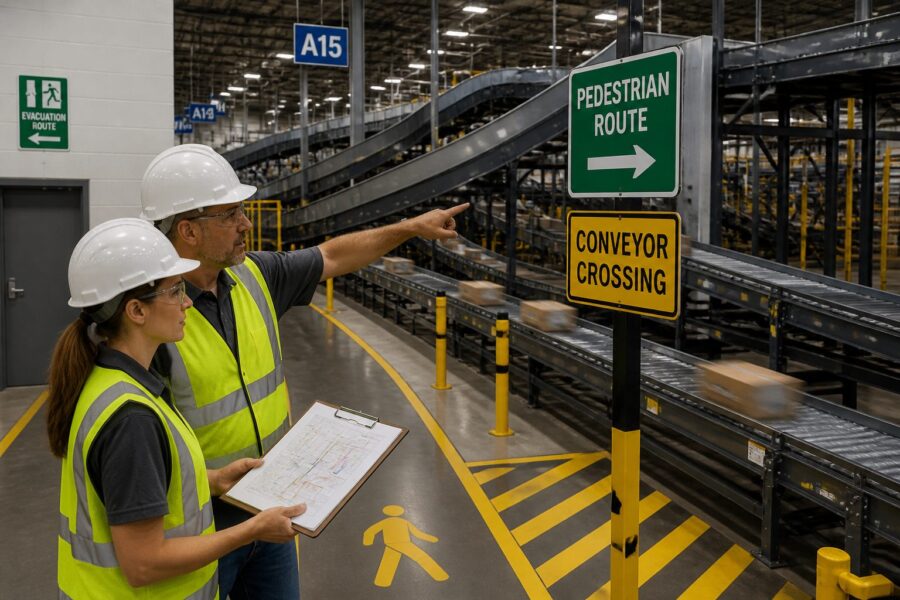
Pedestrian crossing signs are vital at conveyor system intersection points to ensure the safety of employees navigating through busy sortation areas. These signs alert workers to the presence of pedestrian traffic and the need to exercise caution when crossing conveyor lines.
Strategically placed crossing signs can significantly reduce the risk of accidents in busy sortation areas where pedestrian and conveyor traffic frequently intersect. They serve as important visual reminders to navigate carefully amidst the conveyor systems, enhancing overall safety.
Incorporating bright colors and clear symbols can greatly enhance the visibility of these signs, ensuring that they capture the attention of both pedestrians and conveyor operators alike. This attention to detail is essential for promoting a culture of safety throughout the facility.
Regular evaluations of pedestrian crossings and signage effectiveness are essential to ensure they remain relevant and effective. This includes making necessary adjustments based on employee feedback, changes in traffic patterns, or modifications to the facility layout.
Promoting awareness of pedestrian crossings through training can further enhance safety in the sortation facility. An informed workforce is key to minimizing risks in automated environments where quick decision-making is often required.
Noise Level and PPE Requirement Signs Specific to Sortation Areas
Noise level and PPE requirement signs are critical for ensuring the health and safety of employees working in sortation areas, where machinery often generates significant noise. These signs inform workers about the necessary personal protective equipment required in specific zones, helping to safeguard their well-being.
By clearly displaying noise levels, employees can be aware of their surroundings and take the necessary precautions to protect themselves. This proactive approach helps to prevent hearing loss and other related health issues that could arise from prolonged exposure to high noise levels.
- Hearing protection required
- High noise zone alerts
- Visual symbols for PPE
- Regular training on PPE usage
- Monitoring noise levels
Regular assessments of noise levels and PPE requirements are crucial for maintaining a safe working environment and ensuring compliance with safety regulations. Adjustments to signage should be made as conditions change within the sortation facility, reflecting the ongoing commitment to employee health and safety.
Ultimately, promoting awareness of noise hazards and PPE needs fosters a culture of safety that prioritizes employee well-being. This proactive approach can significantly reduce workplace injuries and health issues in automated sortation systems, creating a more secure environment for all workers.
Updating Sortation Zone Wayfinding After System Expansions or Reconfigurations
Updating sortation zone wayfinding is essential after system expansions or reconfigurations to ensure that all signage remains relevant and effective. Keeping the signage current ensures that all personnel can navigate safely through the evolving layout of the facility, which is crucial for maintaining safety and efficiency.
Regular reviews of wayfinding systems help identify necessary updates to accommodate new equipment or workflow changes, ensuring that employees are not hindered by outdated or confusing signage. This is crucial for maintaining safety and operational efficiency in automated sortation environments where every detail matters.
Incorporating employee feedback during the update process can provide valuable insights into potential issues or areas for improvement. Engaging workers in the navigation improvement process fosters a sense of ownership and responsibility, encouraging them to be active participants in their workplace safety.
Training sessions should accompany any changes to wayfinding systems to ensure all staff are informed and prepared to navigate the new layout confidently. This proactive approach facilitates a smooth transition during system updates, minimizing disruptions and enhancing overall productivity.
Ultimately, effective updates to sortation zone wayfinding improve safety and operational efficiency across the board. A well-informed workforce is better equipped to navigate automated sortation systems successfully, reducing the likelihood of accidents and ensuring a safer working environment for all employees.
Labeling these points reduces confusion and enhances sortation facility navigation for employees by providing clear instructions on where to place materials. Properly marked areas help streamline processes and minimize the risk of errors during manual operations, leading to increased efficiency and safety.
| Induction Points | Discharge Points | Notes |
|---|---|---|
| Location A | Location X | High traffic area |
| Location B | Location Y | Requires manual handling |
| Location C | Location Z | Check for obstructions |
| Location D | Location W | Monitor flow rate |
Regular checks on the visibility and clarity of these labels ensure they remain effective and serve their intended purpose. Incorporating feedback from staff regarding any issues they encounter can help identify necessary improvements, further enhancing safety and efficiency.
Ultimately, effective labeling of induction and discharge points contributes significantly to the overall safety and efficiency of sortation systems. Clear communication in these zones helps avoid accidents and ensures that operations run smoothly and effectively.
Overhead Signs Visible Above Conveyor Infrastructure
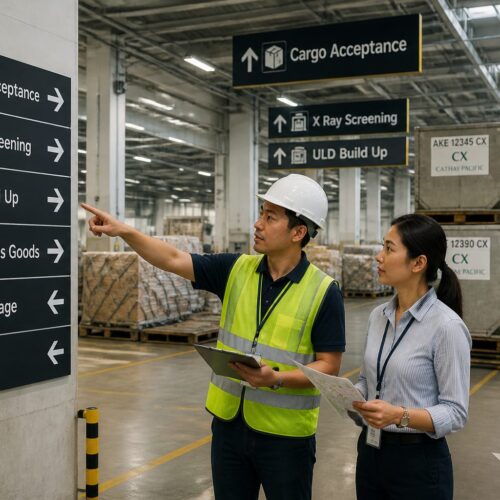
Overhead signage is crucial for providing guidance and information in the often crowded and busy environments of sortation facilities. These signs must be strategically placed above conveyor infrastructure to ensure they remain visible and accessible to all employees navigating the area.
Effective overhead signs help direct traffic flows and inform personnel of important areas such as exits, emergency routes, and zone boundaries. This is essential for enhancing safety and efficiency in automated sortation systems, ensuring that everyone is aware of their surroundings.
Since workers may be focused on their tasks and the machinery around them, placing signs at eye level can mitigate the risk of overlooking critical information. Elevating the signage ensures it captures attention and conveys vital navigation instructions that are necessary for safety.
Regular assessments of overhead sign placement and visibility should be conducted to ensure effectiveness and relevance. This includes evaluating the need for additional signs as operations expand, change, or evolve over time, adapting to the facility’s dynamics.
By creating a clear and intuitive overhead signage system, companies can significantly improve overall safety within the sortation facility. This is particularly important in environments with high volumes of pedestrian and conveyor interactions, where the potential for accidents is increased.
Emergency Stop and Isolation Point Directional Markers
Emergency stop and isolation point directional markers are essential for ensuring a rapid and effective response in automated sortation environments during emergencies. These markers guide employees to critical safety equipment, such as emergency stops and isolation switches, ensuring quick access when every second counts.
Clear and visible markers help reduce panic and confusion during high-stress situations, providing vital information that can make a difference in emergency response times. It is vital that these markers are placed strategically throughout the facility for maximum effectiveness and visibility, ensuring they are easy to locate.
- Bright colors for visibility
- Consistent symbols across facilities
- Regular inspection of markers
- Feedback mechanisms for staff
- Easy access to emergency equipment
Training employees on the importance of these markers and their locations enhances overall safety within the facility. Regular drills can also familiarize staff with emergency procedures and the locations of isolation points, ensuring they can act swiftly in case of an emergency.
Ultimately, having well-placed emergency stop and isolation point markers contributes to a culture of preparedness and vigilance among employees. This proactive approach can save lives and reduce injuries in the event of emergencies, creating a safer workplace for everyone.
Pedestrian Crossing Signs at Conveyor System Intersection Points
Pedestrian crossing signs are vital at conveyor system intersection points to ensure the safety of employees navigating through busy sortation areas. These signs alert workers to the presence of pedestrian traffic and the need to exercise caution when crossing conveyor lines.
Strategically placed crossing signs can significantly reduce the risk of accidents in busy sortation areas where pedestrian and conveyor traffic frequently intersect. They serve as important visual reminders to navigate carefully amidst the conveyor systems, enhancing overall safety.
Incorporating bright colors and clear symbols can greatly enhance the visibility of these signs, ensuring that they capture the attention of both pedestrians and conveyor operators alike. This attention to detail is essential for promoting a culture of safety throughout the facility.
Regular evaluations of pedestrian crossings and signage effectiveness are essential to ensure they remain relevant and effective. This includes making necessary adjustments based on employee feedback, changes in traffic patterns, or modifications to the facility layout.
Promoting awareness of pedestrian crossings through training can further enhance safety in the sortation facility. An informed workforce is key to minimizing risks in automated environments where quick decision-making is often required.
Noise Level and PPE Requirement Signs Specific to Sortation Areas
Noise level and PPE requirement signs are critical for ensuring the health and safety of employees working in sortation areas, where machinery often generates significant noise. These signs inform workers about the necessary personal protective equipment required in specific zones, helping to safeguard their well-being.
By clearly displaying noise levels, employees can be aware of their surroundings and take the necessary precautions to protect themselves. This proactive approach helps to prevent hearing loss and other related health issues that could arise from prolonged exposure to high noise levels.
- Hearing protection required
- High noise zone alerts
- Visual symbols for PPE
- Regular training on PPE usage
- Monitoring noise levels
Regular assessments of noise levels and PPE requirements are crucial for maintaining a safe working environment and ensuring compliance with safety regulations. Adjustments to signage should be made as conditions change within the sortation facility, reflecting the ongoing commitment to employee health and safety.
Ultimately, promoting awareness of noise hazards and PPE needs fosters a culture of safety that prioritizes employee well-being. This proactive approach can significantly reduce workplace injuries and health issues in automated sortation systems, creating a more secure environment for all workers.
Updating Sortation Zone Wayfinding After System Expansions or Reconfigurations
Updating sortation zone wayfinding is essential after system expansions or reconfigurations to ensure that all signage remains relevant and effective. Keeping the signage current ensures that all personnel can navigate safely through the evolving layout of the facility, which is crucial for maintaining safety and efficiency.
Regular reviews of wayfinding systems help identify necessary updates to accommodate new equipment or workflow changes, ensuring that employees are not hindered by outdated or confusing signage. This is crucial for maintaining safety and operational efficiency in automated sortation environments where every detail matters.
Incorporating employee feedback during the update process can provide valuable insights into potential issues or areas for improvement. Engaging workers in the navigation improvement process fosters a sense of ownership and responsibility, encouraging them to be active participants in their workplace safety.
Training sessions should accompany any changes to wayfinding systems to ensure all staff are informed and prepared to navigate the new layout confidently. This proactive approach facilitates a smooth transition during system updates, minimizing disruptions and enhancing overall productivity.
Ultimately, effective updates to sortation zone wayfinding improve safety and operational efficiency across the board. A well-informed workforce is better equipped to navigate automated sortation systems successfully, reducing the likelihood of accidents and ensuring a safer working environment for all employees.
Labeling these points reduces confusion and enhances sortation facility navigation for employees by providing clear instructions on where to place materials. Properly marked areas help streamline processes and minimize the risk of errors during manual operations, leading to increased efficiency and safety.
| Induction Points | Discharge Points | Notes |
|---|---|---|
| Location A | Location X | High traffic area |
| Location B | Location Y | Requires manual handling |
| Location C | Location Z | Check for obstructions |
| Location D | Location W | Monitor flow rate |
Regular checks on the visibility and clarity of these labels ensure they remain effective and serve their intended purpose. Incorporating feedback from staff regarding any issues they encounter can help identify necessary improvements, further enhancing safety and efficiency.
Ultimately, effective labeling of induction and discharge points contributes significantly to the overall safety and efficiency of sortation systems. Clear communication in these zones helps avoid accidents and ensures that operations run smoothly and effectively.
Overhead Signs Visible Above Conveyor Infrastructure
Overhead signage is crucial for providing guidance and information in the often crowded and busy environments of sortation facilities. These signs must be strategically placed above conveyor infrastructure to ensure they remain visible and accessible to all employees navigating the area.
Effective overhead signs help direct traffic flows and inform personnel of important areas such as exits, emergency routes, and zone boundaries. This is essential for enhancing safety and efficiency in automated sortation systems, ensuring that everyone is aware of their surroundings.
Since workers may be focused on their tasks and the machinery around them, placing signs at eye level can mitigate the risk of overlooking critical information. Elevating the signage ensures it captures attention and conveys vital navigation instructions that are necessary for safety.
Regular assessments of overhead sign placement and visibility should be conducted to ensure effectiveness and relevance. This includes evaluating the need for additional signs as operations expand, change, or evolve over time, adapting to the facility’s dynamics.
By creating a clear and intuitive overhead signage system, companies can significantly improve overall safety within the sortation facility. This is particularly important in environments with high volumes of pedestrian and conveyor interactions, where the potential for accidents is increased.
Emergency Stop and Isolation Point Directional Markers
Emergency stop and isolation point directional markers are essential for ensuring a rapid and effective response in automated sortation environments during emergencies. These markers guide employees to critical safety equipment, such as emergency stops and isolation switches, ensuring quick access when every second counts.
Clear and visible markers help reduce panic and confusion during high-stress situations, providing vital information that can make a difference in emergency response times. It is vital that these markers are placed strategically throughout the facility for maximum effectiveness and visibility, ensuring they are easy to locate.
- Bright colors for visibility
- Consistent symbols across facilities
- Regular inspection of markers
- Feedback mechanisms for staff
- Easy access to emergency equipment
Training employees on the importance of these markers and their locations enhances overall safety within the facility. Regular drills can also familiarize staff with emergency procedures and the locations of isolation points, ensuring they can act swiftly in case of an emergency.
Ultimately, having well-placed emergency stop and isolation point markers contributes to a culture of preparedness and vigilance among employees. This proactive approach can save lives and reduce injuries in the event of emergencies, creating a safer workplace for everyone.
Pedestrian Crossing Signs at Conveyor System Intersection Points
Pedestrian crossing signs are vital at conveyor system intersection points to ensure the safety of employees navigating through busy sortation areas. These signs alert workers to the presence of pedestrian traffic and the need to exercise caution when crossing conveyor lines.
Strategically placed crossing signs can significantly reduce the risk of accidents in busy sortation areas where pedestrian and conveyor traffic frequently intersect. They serve as important visual reminders to navigate carefully amidst the conveyor systems, enhancing overall safety.
Incorporating bright colors and clear symbols can greatly enhance the visibility of these signs, ensuring that they capture the attention of both pedestrians and conveyor operators alike. This attention to detail is essential for promoting a culture of safety throughout the facility.
Regular evaluations of pedestrian crossings and signage effectiveness are essential to ensure they remain relevant and effective. This includes making necessary adjustments based on employee feedback, changes in traffic patterns, or modifications to the facility layout.
Promoting awareness of pedestrian crossings through training can further enhance safety in the sortation facility. An informed workforce is key to minimizing risks in automated environments where quick decision-making is often required.
Noise Level and PPE Requirement Signs Specific to Sortation Areas
Noise level and PPE requirement signs are critical for ensuring the health and safety of employees working in sortation areas, where machinery often generates significant noise. These signs inform workers about the necessary personal protective equipment required in specific zones, helping to safeguard their well-being.
By clearly displaying noise levels, employees can be aware of their surroundings and take the necessary precautions to protect themselves. This proactive approach helps to prevent hearing loss and other related health issues that could arise from prolonged exposure to high noise levels.
- Hearing protection required
- High noise zone alerts
- Visual symbols for PPE
- Regular training on PPE usage
- Monitoring noise levels
Regular assessments of noise levels and PPE requirements are crucial for maintaining a safe working environment and ensuring compliance with safety regulations. Adjustments to signage should be made as conditions change within the sortation facility, reflecting the ongoing commitment to employee health and safety.
Ultimately, promoting awareness of noise hazards and PPE needs fosters a culture of safety that prioritizes employee well-being. This proactive approach can significantly reduce workplace injuries and health issues in automated sortation systems, creating a more secure environment for all workers.
Updating Sortation Zone Wayfinding After System Expansions or Reconfigurations
Updating sortation zone wayfinding is essential after system expansions or reconfigurations to ensure that all signage remains relevant and effective. Keeping the signage current ensures that all personnel can navigate safely through the evolving layout of the facility, which is crucial for maintaining safety and efficiency.
Regular reviews of wayfinding systems help identify necessary updates to accommodate new equipment or workflow changes, ensuring that employees are not hindered by outdated or confusing signage. This is crucial for maintaining safety and operational efficiency in automated sortation environments where every detail matters.
Incorporating employee feedback during the update process can provide valuable insights into potential issues or areas for improvement. Engaging workers in the navigation improvement process fosters a sense of ownership and responsibility, encouraging them to be active participants in their workplace safety.
Training sessions should accompany any changes to wayfinding systems to ensure all staff are informed and prepared to navigate the new layout confidently. This proactive approach facilitates a smooth transition during system updates, minimizing disruptions and enhancing overall productivity.
Ultimately, effective updates to sortation zone wayfinding improve safety and operational efficiency across the board. A well-informed workforce is better equipped to navigate automated sortation systems successfully, reducing the likelihood of accidents and ensuring a safer working environment for all employees.
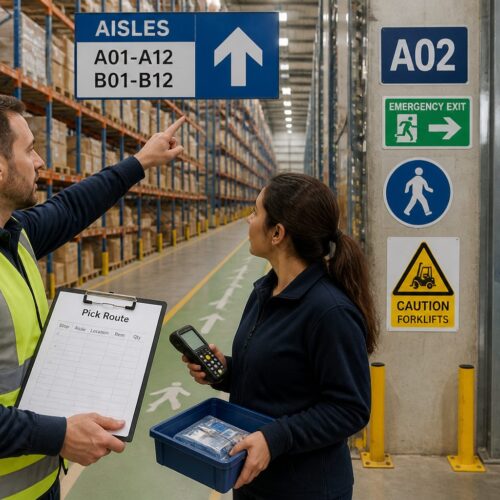
In modern logistics, the safety and efficiency of automated sortation systems are crucial for optimal operations and overall workflow productivity. Navigating these complex environments poses unique risks that require clear signage and effective wayfinding strategies to ensure the safety of all personnel involved.
Properly implemented safety signs and navigation systems not only enhance operational efficiency but also protect employees and visitors within the facility. This article will explore essential signs and symbols that improve sortation facility navigation, creating a safer working environment for everyone.
From exclusion zones to emergency markers, understanding these critical elements is vital for anyone working in or around automated sortation systems. Let’s delve deeper into the key aspects of safety and navigation in these complex environments to better appreciate their importance.
Unique Navigation Risks in Automated Sortation Environments
Automated sortation environments present unique navigation risks that stem from their inherent complexity and high-speed operations, which can be overwhelming for employees. These risks can lead to accidents and injuries if proper signage and protocols are not in place to guide workers effectively through the facility.
Employees must be acutely aware of their surroundings and understand the flow of materials and personnel to avoid potential collisions and mishaps. Enhanced wayfinding systems are essential in guiding personnel safely through these bustling environments, reducing the likelihood of accidents occurring.
Confusion can easily arise from overlapping pedestrian and conveyor traffic, which significantly increases the likelihood of incidents in busy sortation facilities. Therefore, clear and concise automated warehouse pedestrian signs are necessary to mitigate risks and promote a safer workplace culture.
Moreover, the speed of automated systems can greatly impair visibility, making it much harder for workers to react in time to potential hazards. Strategic placement of signs can help alleviate these challenges by directing attention where it’s needed most, ensuring that employees remain vigilant and informed.
Regular training and updates about navigation risks must accompany signage efforts to reinforce the importance of safety protocols among all staff members. This combination of awareness and proactive measures is crucial for maintaining a safe and efficient automated sortation environment.
Exclusion Zone Signs Around Active Sortation Equipment
Exclusion zone signs are critical in identifying specific areas around active sortation equipment where unauthorized access is strictly prohibited. These signs serve as constant reminders to employees to maintain a safe distance from potentially dangerous machinery, thereby reducing the risk of injury.
Clear visual cues help prevent accidents in high-traffic areas where machinery operates at high speeds, creating a more secure environment for all workers. Utilizing bold colors and universally understood symbols can significantly enhance the effectiveness of these signs, ensuring they capture the attention of everyone in the vicinity.
Regular maintenance and checks on these exclusion signs ensure they remain visible and effective over time, contributing to an overall safer workplace. This proactive approach not only enhances safety but also fosters a culture of responsibility and awareness among employees.
Incorporating feedback from employees regarding the placement and visibility of these signs can improve their functionality and effectiveness. An engaged workforce that feels valued and heard is crucial for maintaining an effective safety culture in any automated sortation facility.
Ultimately, exclusion zone signs are a fundamental part of an overall strategy to enhance safety and navigation in sortation facilities. Their role cannot be understated in preventing accidents and ensuring operational efficiency across the board.
Authorized Personnel Only Signage at System Entry Points
Authorized personnel only signage is essential at entry points to automated sortation systems, serving as a critical barrier to unauthorized access. These signs protect both personnel and equipment by clearly marking restricted areas that should be accessed only by trained individuals.
By clearly identifying these restricted areas, companies can effectively control who enters sensitive zones, thereby significantly reducing the risk of accidents and injuries. This is especially important in environments where heavy machinery operates continuously, necessitating caution and vigilance.
Effective signage includes clear language and symbols that are easily understood by all employees, ensuring that everyone is aware of the restrictions and the importance of adhering to them. This clarity helps prevent unauthorized access and reinforces the overall safety protocols within the facility.
Regular audits of entry points and signage effectiveness help maintain compliance with safety protocols, ensuring that all signage remains up to date and relevant. Keeping these signs updated is crucial as personnel changes and systems evolve over time, reflecting the current operational landscape.
Incorporating training sessions focused on the significance of these signs can enhance awareness among employees, making them more vigilant regarding access restrictions. This proactive approach fosters a culture of safety and responsibility within the sortation facility, empowering workers to prioritize safety.
Induction and Discharge Point Labels for Manual Feed Zones
Induction and discharge point labels play a vital role in guiding the flow of materials in automated sortation systems, ensuring that processes run smoothly and efficiently. These labels ensure that manual feed zones are clearly indicated, minimizing confusion and enhancing sortation facility navigation for all employees.
Labeling these points reduces confusion and enhances sortation facility navigation for employees by providing clear instructions on where to place materials. Properly marked areas help streamline processes and minimize the risk of errors during manual operations, leading to increased efficiency and safety.
| Induction Points | Discharge Points | Notes |
|---|---|---|
| Location A | Location X | High traffic area |
| Location B | Location Y | Requires manual handling |
| Location C | Location Z | Check for obstructions |
| Location D | Location W | Monitor flow rate |
Regular checks on the visibility and clarity of these labels ensure they remain effective and serve their intended purpose. Incorporating feedback from staff regarding any issues they encounter can help identify necessary improvements, further enhancing safety and efficiency.
Ultimately, effective labeling of induction and discharge points contributes significantly to the overall safety and efficiency of sortation systems. Clear communication in these zones helps avoid accidents and ensures that operations run smoothly and effectively.
Overhead Signs Visible Above Conveyor Infrastructure
Overhead signage is crucial for providing guidance and information in the often crowded and busy environments of sortation facilities. These signs must be strategically placed above conveyor infrastructure to ensure they remain visible and accessible to all employees navigating the area.
Effective overhead signs help direct traffic flows and inform personnel of important areas such as exits, emergency routes, and zone boundaries. This is essential for enhancing safety and efficiency in automated sortation systems, ensuring that everyone is aware of their surroundings.
Since workers may be focused on their tasks and the machinery around them, placing signs at eye level can mitigate the risk of overlooking critical information. Elevating the signage ensures it captures attention and conveys vital navigation instructions that are necessary for safety.
Regular assessments of overhead sign placement and visibility should be conducted to ensure effectiveness and relevance. This includes evaluating the need for additional signs as operations expand, change, or evolve over time, adapting to the facility’s dynamics.
By creating a clear and intuitive overhead signage system, companies can significantly improve overall safety within the sortation facility. This is particularly important in environments with high volumes of pedestrian and conveyor interactions, where the potential for accidents is increased.
Emergency Stop and Isolation Point Directional Markers
Emergency stop and isolation point directional markers are essential for ensuring a rapid and effective response in automated sortation environments during emergencies. These markers guide employees to critical safety equipment, such as emergency stops and isolation switches, ensuring quick access when every second counts.
Clear and visible markers help reduce panic and confusion during high-stress situations, providing vital information that can make a difference in emergency response times. It is vital that these markers are placed strategically throughout the facility for maximum effectiveness and visibility, ensuring they are easy to locate.
- Bright colors for visibility
- Consistent symbols across facilities
- Regular inspection of markers
- Feedback mechanisms for staff
- Easy access to emergency equipment
Training employees on the importance of these markers and their locations enhances overall safety within the facility. Regular drills can also familiarize staff with emergency procedures and the locations of isolation points, ensuring they can act swiftly in case of an emergency.
Ultimately, having well-placed emergency stop and isolation point markers contributes to a culture of preparedness and vigilance among employees. This proactive approach can save lives and reduce injuries in the event of emergencies, creating a safer workplace for everyone.
Pedestrian Crossing Signs at Conveyor System Intersection Points
Pedestrian crossing signs are vital at conveyor system intersection points to ensure the safety of employees navigating through busy sortation areas. These signs alert workers to the presence of pedestrian traffic and the need to exercise caution when crossing conveyor lines.
Strategically placed crossing signs can significantly reduce the risk of accidents in busy sortation areas where pedestrian and conveyor traffic frequently intersect. They serve as important visual reminders to navigate carefully amidst the conveyor systems, enhancing overall safety.
Incorporating bright colors and clear symbols can greatly enhance the visibility of these signs, ensuring that they capture the attention of both pedestrians and conveyor operators alike. This attention to detail is essential for promoting a culture of safety throughout the facility.
Regular evaluations of pedestrian crossings and signage effectiveness are essential to ensure they remain relevant and effective. This includes making necessary adjustments based on employee feedback, changes in traffic patterns, or modifications to the facility layout.
Promoting awareness of pedestrian crossings through training can further enhance safety in the sortation facility. An informed workforce is key to minimizing risks in automated environments where quick decision-making is often required.
Noise Level and PPE Requirement Signs Specific to Sortation Areas
Noise level and PPE requirement signs are critical for ensuring the health and safety of employees working in sortation areas, where machinery often generates significant noise. These signs inform workers about the necessary personal protective equipment required in specific zones, helping to safeguard their well-being.
By clearly displaying noise levels, employees can be aware of their surroundings and take the necessary precautions to protect themselves. This proactive approach helps to prevent hearing loss and other related health issues that could arise from prolonged exposure to high noise levels.
- Hearing protection required
- High noise zone alerts
- Visual symbols for PPE
- Regular training on PPE usage
- Monitoring noise levels
Regular assessments of noise levels and PPE requirements are crucial for maintaining a safe working environment and ensuring compliance with safety regulations. Adjustments to signage should be made as conditions change within the sortation facility, reflecting the ongoing commitment to employee health and safety.
Ultimately, promoting awareness of noise hazards and PPE needs fosters a culture of safety that prioritizes employee well-being. This proactive approach can significantly reduce workplace injuries and health issues in automated sortation systems, creating a more secure environment for all workers.
Updating Sortation Zone Wayfinding After System Expansions or Reconfigurations
Updating sortation zone wayfinding is essential after system expansions or reconfigurations to ensure that all signage remains relevant and effective. Keeping the signage current ensures that all personnel can navigate safely through the evolving layout of the facility, which is crucial for maintaining safety and efficiency.
Regular reviews of wayfinding systems help identify necessary updates to accommodate new equipment or workflow changes, ensuring that employees are not hindered by outdated or confusing signage. This is crucial for maintaining safety and operational efficiency in automated sortation environments where every detail matters.
Incorporating employee feedback during the update process can provide valuable insights into potential issues or areas for improvement. Engaging workers in the navigation improvement process fosters a sense of ownership and responsibility, encouraging them to be active participants in their workplace safety.
Training sessions should accompany any changes to wayfinding systems to ensure all staff are informed and prepared to navigate the new layout confidently. This proactive approach facilitates a smooth transition during system updates, minimizing disruptions and enhancing overall productivity.
Ultimately, effective updates to sortation zone wayfinding improve safety and operational efficiency across the board. A well-informed workforce is better equipped to navigate automated sortation systems successfully, reducing the likelihood of accidents and ensuring a safer working environment for all employees.