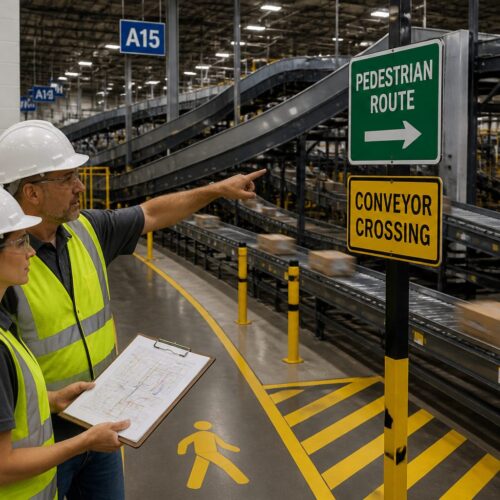

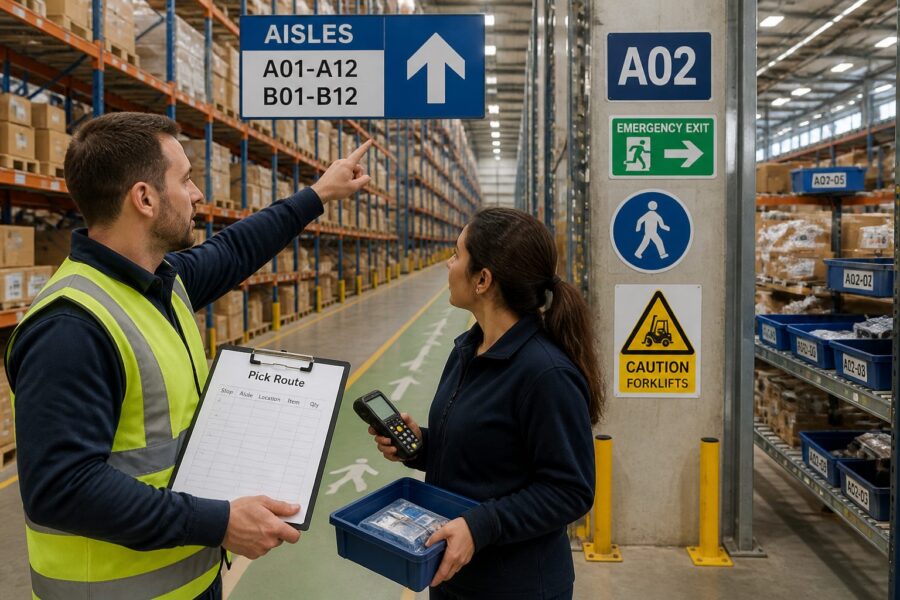
These signs can provide essential information about safety protocols, operational procedures, and navigation tips, which are crucial for helping new employees acclimate to the fast-paced environment of fulfillment centers. By offering clear guidance, companies can minimize the learning curve for new employees, allowing them to become productive team members more quickly.
Incorporating interactive elements, such as QR codes linking to training videos and additional resources, can further enhance the onboarding experience for new hires. This modern approach not only engages new employees effectively but also reinforces key operational principles that are critical for success in the fulfillment process.
Ultimately, effective training bay signage lays the groundwork for a skilled workforce that is well-prepared to meet the demands of e-commerce fulfillment. A well-trained team contributes to improved accuracy and speed in order fulfillment operations, which in turn leads to enhanced customer satisfaction and loyalty.
Dynamic Zone Labeling Strategies for Seasonal Volume Fluctuations
Dynamic zone labeling strategies are essential for adapting to seasonal volume fluctuations in e-commerce, as they provide the flexibility needed to respond to changing demands. These strategies involve updating signage based on changing inventory levels and order demands, which is crucial for maintaining efficiency throughout the year.
By utilizing flexible signage solutions, fulfillment centers can effectively manage high seasons without compromising operational efficiency or accuracy. This adaptability ensures that workers can locate items quickly, regardless of seasonal changes, allowing for a seamless transition between different volumes of orders.
Moreover, seasonal labeling can help highlight promotions or new product launches, guiding workers to prioritize certain SKUs based on their relevance during peak shopping times. A proactive approach to signage can lead to a more responsive and agile fulfillment process, ultimately benefiting both the business and its customers.
Ultimately, implementing dynamic zone labeling strategies can enhance overall operational flexibility and efficiency within fulfillment centers. With the right signage in place, fulfillment centers can navigate seasonal demands with confidence and efficiency, ensuring that they meet customer expectations for timely and accurate order fulfillment.
By clearly marking induction points, fulfillment centers can optimize their picking operations while simultaneously reducing sorting errors that can arise from misdirected items. This leads to faster processing times and significantly improves overall warehouse efficiency, which is vital in meeting customer expectations for prompt deliveries.
Additionally, providing visual indicators for each conveyor belt can help workers make quick decisions during busy periods, which is particularly important in high-throughput environments where every second counts. This attention to detail ensures that items are sorted correctly and efficiently, minimizing the risk of delays and errors.
Effective signage at induction points contributes to a smoother workflow and enhances the overall speed of operations within the fulfillment center. As a result, e-commerce fulfillment centers can meet customer expectations for timely deliveries, thereby reinforcing customer loyalty and satisfaction.
Training Bay and Onboarding Zone Signs for New Employee Navigation
Training new employees is vital for maintaining efficiency in e-commerce fulfillment centers, as it lays the foundation for a skilled and knowledgeable workforce. Clear signage in training bays and onboarding zones helps guide new hires through their initial days, ensuring they understand their roles and responsibilities effectively.
These signs can provide essential information about safety protocols, operational procedures, and navigation tips, which are crucial for helping new employees acclimate to the fast-paced environment of fulfillment centers. By offering clear guidance, companies can minimize the learning curve for new employees, allowing them to become productive team members more quickly.
Incorporating interactive elements, such as QR codes linking to training videos and additional resources, can further enhance the onboarding experience for new hires. This modern approach not only engages new employees effectively but also reinforces key operational principles that are critical for success in the fulfillment process.
Ultimately, effective training bay signage lays the groundwork for a skilled workforce that is well-prepared to meet the demands of e-commerce fulfillment. A well-trained team contributes to improved accuracy and speed in order fulfillment operations, which in turn leads to enhanced customer satisfaction and loyalty.
Dynamic Zone Labeling Strategies for Seasonal Volume Fluctuations
Dynamic zone labeling strategies are essential for adapting to seasonal volume fluctuations in e-commerce, as they provide the flexibility needed to respond to changing demands. These strategies involve updating signage based on changing inventory levels and order demands, which is crucial for maintaining efficiency throughout the year.
By utilizing flexible signage solutions, fulfillment centers can effectively manage high seasons without compromising operational efficiency or accuracy. This adaptability ensures that workers can locate items quickly, regardless of seasonal changes, allowing for a seamless transition between different volumes of orders.
Moreover, seasonal labeling can help highlight promotions or new product launches, guiding workers to prioritize certain SKUs based on their relevance during peak shopping times. A proactive approach to signage can lead to a more responsive and agile fulfillment process, ultimately benefiting both the business and its customers.
Ultimately, implementing dynamic zone labeling strategies can enhance overall operational flexibility and efficiency within fulfillment centers. With the right signage in place, fulfillment centers can navigate seasonal demands with confidence and efficiency, ensuring that they meet customer expectations for timely and accurate order fulfillment.
By implementing a clear numbering system for packing stations, workers can avoid bottlenecks and maintain a steady workflow, which is crucial in a fast-paced fulfillment environment. This streamlined approach not only saves time but also ensures that orders are packed accurately and shipped out promptly, meeting customer expectations for timely delivery.
- Clear numbering systems that are easy to read and understand
- Color-coded stations to quickly identify different order types
- Visual aids that provide information about order types and packing requirements
- Access to packing materials that are organized and readily available
- Regular audits of packing stations to ensure compliance and efficiency
Furthermore, integrating technology with packing station signs can streamline processes even further, providing workers with essential information at their fingertips. For instance, digital displays can provide real-time updates on order statuses, ensuring that workers are always informed and prepared to handle the next order efficiently.
Conveyor Induction Point Directional Signs for Pick-to-Belt Operations
In pick-to-belt operations, conveyor induction points are crucial for directing products to the right locations within the warehouse. Properly placed directional signs at these points ensure that items are loaded onto the correct conveyor belts, which is essential for maintaining an efficient workflow in the fulfillment process.
By clearly marking induction points, fulfillment centers can optimize their picking operations while simultaneously reducing sorting errors that can arise from misdirected items. This leads to faster processing times and significantly improves overall warehouse efficiency, which is vital in meeting customer expectations for prompt deliveries.
Additionally, providing visual indicators for each conveyor belt can help workers make quick decisions during busy periods, which is particularly important in high-throughput environments where every second counts. This attention to detail ensures that items are sorted correctly and efficiently, minimizing the risk of delays and errors.
Effective signage at induction points contributes to a smoother workflow and enhances the overall speed of operations within the fulfillment center. As a result, e-commerce fulfillment centers can meet customer expectations for timely deliveries, thereby reinforcing customer loyalty and satisfaction.
Training Bay and Onboarding Zone Signs for New Employee Navigation
Training new employees is vital for maintaining efficiency in e-commerce fulfillment centers, as it lays the foundation for a skilled and knowledgeable workforce. Clear signage in training bays and onboarding zones helps guide new hires through their initial days, ensuring they understand their roles and responsibilities effectively.
These signs can provide essential information about safety protocols, operational procedures, and navigation tips, which are crucial for helping new employees acclimate to the fast-paced environment of fulfillment centers. By offering clear guidance, companies can minimize the learning curve for new employees, allowing them to become productive team members more quickly.
Incorporating interactive elements, such as QR codes linking to training videos and additional resources, can further enhance the onboarding experience for new hires. This modern approach not only engages new employees effectively but also reinforces key operational principles that are critical for success in the fulfillment process.
Ultimately, effective training bay signage lays the groundwork for a skilled workforce that is well-prepared to meet the demands of e-commerce fulfillment. A well-trained team contributes to improved accuracy and speed in order fulfillment operations, which in turn leads to enhanced customer satisfaction and loyalty.
Dynamic Zone Labeling Strategies for Seasonal Volume Fluctuations
Dynamic zone labeling strategies are essential for adapting to seasonal volume fluctuations in e-commerce, as they provide the flexibility needed to respond to changing demands. These strategies involve updating signage based on changing inventory levels and order demands, which is crucial for maintaining efficiency throughout the year.
By utilizing flexible signage solutions, fulfillment centers can effectively manage high seasons without compromising operational efficiency or accuracy. This adaptability ensures that workers can locate items quickly, regardless of seasonal changes, allowing for a seamless transition between different volumes of orders.
Moreover, seasonal labeling can help highlight promotions or new product launches, guiding workers to prioritize certain SKUs based on their relevance during peak shopping times. A proactive approach to signage can lead to a more responsive and agile fulfillment process, ultimately benefiting both the business and its customers.
Ultimately, implementing dynamic zone labeling strategies can enhance overall operational flexibility and efficiency within fulfillment centers. With the right signage in place, fulfillment centers can navigate seasonal demands with confidence and efficiency, ensuring that they meet customer expectations for timely and accurate order fulfillment.
By effectively streamlining the returns process, fulfillment centers can not only minimize delays but also improve overall customer satisfaction with the service provided. Effective returns processing area routing signs can guide workers to sort and handle returns swiftly and accurately, ensuring that returned items are processed in a timely manner.
Incorporating visual cues and color-coding can make it easier for employees to navigate these zones, thereby reducing confusion and increasing operational efficiency. Clear signage reduces the chances of misrouted returns, which can lead to increased operational costs and customer dissatisfaction, ultimately affecting the company’s reputation.
Additionally, periodic training on returns processing can complement the effectiveness of these signs, as it ensures that all employees are aware of the best practices for handling returns. When workers understand the importance of the routing signs, they can navigate the reverse logistics zones more effectively and contribute to a smoother workflow.
Packing Station Numbering and Identification Signs for Sorter Integration
Packing stations are critical points in the e-commerce fulfillment process where orders are prepared for shipment, making clear signage at these stations vital for operational efficiency. Numbering and identification signs at these stations help workers quickly identify which packing stations are designated for specific orders, thereby enhancing overall operational efficiency and reducing the potential for errors.
By implementing a clear numbering system for packing stations, workers can avoid bottlenecks and maintain a steady workflow, which is crucial in a fast-paced fulfillment environment. This streamlined approach not only saves time but also ensures that orders are packed accurately and shipped out promptly, meeting customer expectations for timely delivery.
- Clear numbering systems that are easy to read and understand
- Color-coded stations to quickly identify different order types
- Visual aids that provide information about order types and packing requirements
- Access to packing materials that are organized and readily available
- Regular audits of packing stations to ensure compliance and efficiency
Furthermore, integrating technology with packing station signs can streamline processes even further, providing workers with essential information at their fingertips. For instance, digital displays can provide real-time updates on order statuses, ensuring that workers are always informed and prepared to handle the next order efficiently.
Conveyor Induction Point Directional Signs for Pick-to-Belt Operations
In pick-to-belt operations, conveyor induction points are crucial for directing products to the right locations within the warehouse. Properly placed directional signs at these points ensure that items are loaded onto the correct conveyor belts, which is essential for maintaining an efficient workflow in the fulfillment process.
By clearly marking induction points, fulfillment centers can optimize their picking operations while simultaneously reducing sorting errors that can arise from misdirected items. This leads to faster processing times and significantly improves overall warehouse efficiency, which is vital in meeting customer expectations for prompt deliveries.
Additionally, providing visual indicators for each conveyor belt can help workers make quick decisions during busy periods, which is particularly important in high-throughput environments where every second counts. This attention to detail ensures that items are sorted correctly and efficiently, minimizing the risk of delays and errors.
Effective signage at induction points contributes to a smoother workflow and enhances the overall speed of operations within the fulfillment center. As a result, e-commerce fulfillment centers can meet customer expectations for timely deliveries, thereby reinforcing customer loyalty and satisfaction.
Training Bay and Onboarding Zone Signs for New Employee Navigation
Training new employees is vital for maintaining efficiency in e-commerce fulfillment centers, as it lays the foundation for a skilled and knowledgeable workforce. Clear signage in training bays and onboarding zones helps guide new hires through their initial days, ensuring they understand their roles and responsibilities effectively.
These signs can provide essential information about safety protocols, operational procedures, and navigation tips, which are crucial for helping new employees acclimate to the fast-paced environment of fulfillment centers. By offering clear guidance, companies can minimize the learning curve for new employees, allowing them to become productive team members more quickly.
Incorporating interactive elements, such as QR codes linking to training videos and additional resources, can further enhance the onboarding experience for new hires. This modern approach not only engages new employees effectively but also reinforces key operational principles that are critical for success in the fulfillment process.
Ultimately, effective training bay signage lays the groundwork for a skilled workforce that is well-prepared to meet the demands of e-commerce fulfillment. A well-trained team contributes to improved accuracy and speed in order fulfillment operations, which in turn leads to enhanced customer satisfaction and loyalty.
Dynamic Zone Labeling Strategies for Seasonal Volume Fluctuations
Dynamic zone labeling strategies are essential for adapting to seasonal volume fluctuations in e-commerce, as they provide the flexibility needed to respond to changing demands. These strategies involve updating signage based on changing inventory levels and order demands, which is crucial for maintaining efficiency throughout the year.
By utilizing flexible signage solutions, fulfillment centers can effectively manage high seasons without compromising operational efficiency or accuracy. This adaptability ensures that workers can locate items quickly, regardless of seasonal changes, allowing for a seamless transition between different volumes of orders.
Moreover, seasonal labeling can help highlight promotions or new product launches, guiding workers to prioritize certain SKUs based on their relevance during peak shopping times. A proactive approach to signage can lead to a more responsive and agile fulfillment process, ultimately benefiting both the business and its customers.
Ultimately, implementing dynamic zone labeling strategies can enhance overall operational flexibility and efficiency within fulfillment centers. With the right signage in place, fulfillment centers can navigate seasonal demands with confidence and efficiency, ensuring that they meet customer expectations for timely and accurate order fulfillment.
In the fast-paced world of e-commerce, speed and accuracy in navigation within fulfillment centers are paramount to success. These crucial factors directly impact fulfillment metrics, influencing everything from order accuracy to overall customer satisfaction, which is essential for maintaining a competitive edge in the market.
Effective wayfinding in an e-commerce fulfillment center can significantly streamline pick operations, thereby reducing travel time and enhancing overall operational efficiency. Without a clear and well-structured navigation system, fulfillment warehouse navigation can quickly become chaotic and inefficient, leading to unnecessary delays and costly errors during order fulfillment.
Why Speed and Accuracy in Navigation Directly Affect E-Commerce Fulfillment Metrics
Accurate navigation systems ensure that workers can locate items quickly and efficiently, which is crucial in high-throughput environments where time is of the essence. By minimizing the time spent searching for products, fulfillment centers can significantly boost their overall productivity and reduce operational costs, ultimately leading to a more profitable business model.
Moreover, errors in navigation can lead to incorrect orders being shipped, which adversely affects customer trust and overall satisfaction with the service provided. Therefore, implementing robust wayfinding strategies is essential for maintaining high e-commerce fulfillment metrics and ensuring that customers receive their orders correctly and on time.
One effective way to enhance navigation within a fulfillment center is through the use of slotting zone identification signs, which serve to categorize different areas based on item characteristics. These signs can differentiate between fast-moving and slow-moving SKUs, directing workers to the most efficient paths based on item velocity, which facilitates a more organized approach to inventory management.
By clearly marking the zones where different types of products are located, workers can quickly adapt their picking strategies to optimize their performance, leading to improved accuracy and speed in order fulfillment. This targeted approach ensures that the right items are accessible when needed, thereby optimizing the entire fulfillment process from start to finish.
Slotting Zone Identification Signs for Fast-Moving vs. Slow-Moving SKUs
Slotting zone identification is critical for managing inventory effectively within e-commerce fulfillment centers, as it allows for a more strategic placement of products. Fast-moving SKUs should ideally be located near packing and shipping areas to reduce travel time for workers who are picking items for orders, thereby increasing the overall efficiency of the operation.
Conversely, slow-moving SKUs can be strategically placed in more remote areas of the warehouse, allowing workers to focus their efforts on high-demand items that contribute more significantly to the bottom line. Identifying these zones through clear signage is essential for optimizing pick operations, ensuring that the workflow remains smooth and efficient.
Effective slotting may also involve analyzing sales data to determine which SKUs should be prioritized based on their sales velocity and seasonality. This data-driven approach can lead to better inventory management practices and faster order fulfillment, which are critical in maintaining a competitive edge in the ever-evolving e-commerce landscape.
With appropriate signs indicating the slotting zones, workers can navigate the fulfillment warehouse with greater ease and confidence, which translates to improved overall productivity. This not only speeds up the picking process but also reduces the likelihood of errors during order fulfillment, ensuring a higher level of service for customers.
Pick Path Signs That Reduce Worker Travel Distance
Pick path signs play a vital role in optimizing the routes that workers take within a fulfillment center, which directly impacts the efficiency of the operation. By clearly marking these paths, organizations can significantly reduce worker travel distance, which is a crucial factor in enhancing overall operational efficiency and productivity.
Shortening travel distances not only saves valuable time but also minimizes worker fatigue, leading to improved morale and increased productivity levels among staff. For e-commerce fulfillment centers, implementing effective pick path signage is a strategic move toward achieving operational excellence and optimizing labor resources.
In addition to reducing travel distance, well-placed signs can help workers quickly identify the most efficient routes to take when picking items for orders. This ensures that they can pick multiple items in one trip, further streamlining the fulfillment process and reducing the time it takes to get orders ready for shipping.
Incorporating color-coded signs for different zones can significantly enhance visibility and comprehension, making it easier for workers to navigate the warehouse. Workers can immediately understand their designated paths, leading to fewer mistakes and faster order processing, which ultimately benefits the entire operation.
Batch Pick Zone Boundary Signs for Multi-Order Fulfillment Carts
Batch picking is a common and efficient method used in e-commerce warehouses that allows workers to fulfill multiple orders simultaneously, increasing the speed and efficiency of the operation. Proper signage marking batch pick zone boundaries is essential for maintaining organization and efficiency during this process, as it helps workers understand where to place their multi-order fulfillment carts.
These signs help prevent confusion and minimize delays by clearly defining the areas designated for batch picking, which is crucial for maintaining a smooth workflow. By providing clear boundaries for each zone, workers can make quicker decisions during the picking process, thereby enhancing productivity and improving accuracy in order fulfillment.
| Batch Zone | SKU Type | Recommended Action |
|---|---|---|
| Zone A | Fast-Moving | Prioritize picking |
| Zone B | Slow-Moving | Pick as needed |
| Zone C | Seasonal | Monitor closely |
| Zone D | Returns | Process after picking |
By providing clear signs that delineate each zone, workers can make informed decisions during the picking process, which leads to quicker turnaround times and higher accuracy rates. This not only enhances overall productivity but also ensures that customers receive their orders as expected, further contributing to customer satisfaction and loyalty.
Returns Processing Area Routing Signs in Reverse Logistics Zones
Returns processing is a critical component of any e-commerce operation, and clear routing signs are essential in reverse logistics zones to ensure the efficient handling of returned items. These signs direct workers to the appropriate areas for processing returns, thereby streamlining the entire returns process and minimizing delays that can frustrate customers.
By effectively streamlining the returns process, fulfillment centers can not only minimize delays but also improve overall customer satisfaction with the service provided. Effective returns processing area routing signs can guide workers to sort and handle returns swiftly and accurately, ensuring that returned items are processed in a timely manner.
Incorporating visual cues and color-coding can make it easier for employees to navigate these zones, thereby reducing confusion and increasing operational efficiency. Clear signage reduces the chances of misrouted returns, which can lead to increased operational costs and customer dissatisfaction, ultimately affecting the company’s reputation.
Additionally, periodic training on returns processing can complement the effectiveness of these signs, as it ensures that all employees are aware of the best practices for handling returns. When workers understand the importance of the routing signs, they can navigate the reverse logistics zones more effectively and contribute to a smoother workflow.
Packing Station Numbering and Identification Signs for Sorter Integration
Packing stations are critical points in the e-commerce fulfillment process where orders are prepared for shipment, making clear signage at these stations vital for operational efficiency. Numbering and identification signs at these stations help workers quickly identify which packing stations are designated for specific orders, thereby enhancing overall operational efficiency and reducing the potential for errors.
By implementing a clear numbering system for packing stations, workers can avoid bottlenecks and maintain a steady workflow, which is crucial in a fast-paced fulfillment environment. This streamlined approach not only saves time but also ensures that orders are packed accurately and shipped out promptly, meeting customer expectations for timely delivery.
- Clear numbering systems that are easy to read and understand
- Color-coded stations to quickly identify different order types
- Visual aids that provide information about order types and packing requirements
- Access to packing materials that are organized and readily available
- Regular audits of packing stations to ensure compliance and efficiency
Furthermore, integrating technology with packing station signs can streamline processes even further, providing workers with essential information at their fingertips. For instance, digital displays can provide real-time updates on order statuses, ensuring that workers are always informed and prepared to handle the next order efficiently.
Conveyor Induction Point Directional Signs for Pick-to-Belt Operations
In pick-to-belt operations, conveyor induction points are crucial for directing products to the right locations within the warehouse. Properly placed directional signs at these points ensure that items are loaded onto the correct conveyor belts, which is essential for maintaining an efficient workflow in the fulfillment process.
By clearly marking induction points, fulfillment centers can optimize their picking operations while simultaneously reducing sorting errors that can arise from misdirected items. This leads to faster processing times and significantly improves overall warehouse efficiency, which is vital in meeting customer expectations for prompt deliveries.
Additionally, providing visual indicators for each conveyor belt can help workers make quick decisions during busy periods, which is particularly important in high-throughput environments where every second counts. This attention to detail ensures that items are sorted correctly and efficiently, minimizing the risk of delays and errors.
Effective signage at induction points contributes to a smoother workflow and enhances the overall speed of operations within the fulfillment center. As a result, e-commerce fulfillment centers can meet customer expectations for timely deliveries, thereby reinforcing customer loyalty and satisfaction.
Training Bay and Onboarding Zone Signs for New Employee Navigation
Training new employees is vital for maintaining efficiency in e-commerce fulfillment centers, as it lays the foundation for a skilled and knowledgeable workforce. Clear signage in training bays and onboarding zones helps guide new hires through their initial days, ensuring they understand their roles and responsibilities effectively.
These signs can provide essential information about safety protocols, operational procedures, and navigation tips, which are crucial for helping new employees acclimate to the fast-paced environment of fulfillment centers. By offering clear guidance, companies can minimize the learning curve for new employees, allowing them to become productive team members more quickly.
Incorporating interactive elements, such as QR codes linking to training videos and additional resources, can further enhance the onboarding experience for new hires. This modern approach not only engages new employees effectively but also reinforces key operational principles that are critical for success in the fulfillment process.
Ultimately, effective training bay signage lays the groundwork for a skilled workforce that is well-prepared to meet the demands of e-commerce fulfillment. A well-trained team contributes to improved accuracy and speed in order fulfillment operations, which in turn leads to enhanced customer satisfaction and loyalty.
Dynamic Zone Labeling Strategies for Seasonal Volume Fluctuations
Dynamic zone labeling strategies are essential for adapting to seasonal volume fluctuations in e-commerce, as they provide the flexibility needed to respond to changing demands. These strategies involve updating signage based on changing inventory levels and order demands, which is crucial for maintaining efficiency throughout the year.
By utilizing flexible signage solutions, fulfillment centers can effectively manage high seasons without compromising operational efficiency or accuracy. This adaptability ensures that workers can locate items quickly, regardless of seasonal changes, allowing for a seamless transition between different volumes of orders.
Moreover, seasonal labeling can help highlight promotions or new product launches, guiding workers to prioritize certain SKUs based on their relevance during peak shopping times. A proactive approach to signage can lead to a more responsive and agile fulfillment process, ultimately benefiting both the business and its customers.
Ultimately, implementing dynamic zone labeling strategies can enhance overall operational flexibility and efficiency within fulfillment centers. With the right signage in place, fulfillment centers can navigate seasonal demands with confidence and efficiency, ensuring that they meet customer expectations for timely and accurate order fulfillment.