

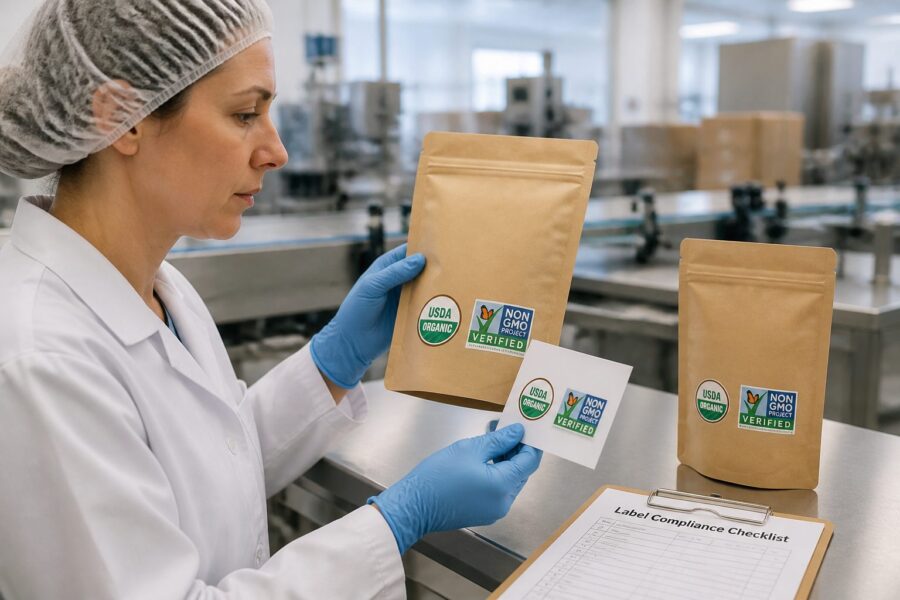
Brands must obtain a license to use the Butterfly Mark, which involves a thorough application process that includes providing documentation to demonstrate compliance with the non-GMO label requirements. This rigorous process ensures that only products that truly meet the standards are allowed to carry this trusted certification, which in turn enhances consumer confidence.
| Col A | Col B | Col C |
|---|---|---|
| License Fee | Annual Renewal | Testing Frequency |
| Varies by product | Yes, required | Every year |
| Brand Approval | Required | Yes |
| Label Size | Minimum of 1 inch | Prominent Placement |
To display the Butterfly Mark, brands must follow specific guidelines to ensure its proper use, which includes maintaining the integrity of the mark and ensuring it is not altered in any way. These guidelines are put in place to protect the mark’s value and credibility in the eyes of consumers who rely on it for assurance regarding the products they purchase.
Brands that display the Butterfly Mark can enhance consumer confidence in their products, as this certification signals a commitment to transparency, quality, and responsible sourcing in food production. In a market where consumers are increasingly concerned about what they eat, such certifications can be a significant differentiator for brands aiming to build a loyal customer base.
Third-Party Certification Logos: What Brands Must and Cannot Claim
Third-party certification logos provide assurance to consumers about the quality and safety of products, acting as a trusted sign that a product has been evaluated by an independent organization. Brands must adhere to strict guidelines regarding what they can and cannot claim when displaying these logos, as misrepresentation can lead to significant consequences.
Brands cannot make unsubstantiated claims about their products being “organic” or “non-GMO” unless they possess the appropriate certifications, ensuring that consumers are not misled about the nature of the products they purchase. Misleading claims can lead to serious legal consequences, including fines and loss of consumer trust, which can be detrimental to a brand’s reputation and bottom line.
Brands must ensure that their products meet all the necessary criteria to display third-party logos, which includes maintaining comprehensive records and being subject to audits to verify compliance with certification standards. This commitment to transparency and accountability is crucial for building trust with consumers who are increasingly aware of the importance of certified claims in their purchasing decisions.
Additionally, brands must avoid using certification logos in a way that could mislead consumers about the nature of their products, ensuring that all claims are clear and truthful. Transparency is key to maintaining credibility in the market, as consumers are more likely to support brands that are honest about their practices and products.
Adhering to these regulations helps brands build a loyal customer base that values quality and ethical sourcing, as consumers are becoming increasingly aware of the implications of their food choices. As the demand for transparency and sustainability continues to grow, brands that prioritize ethical practices and proper labeling will likely find themselves at a competitive advantage.
Percentage Claims and the Four Categories Under USDA Organic Rules
USDA organic rules define how brands can make percentage claims regarding their organic ingredients, which is critical for consumer understanding and product marketing. There are four distinct categories that determine how products can be labeled based on their organic content, and each category has specific requirements that must be met.
The first category is “100% Organic,” which means that all ingredients in the product are certified organic and have been produced according to USDA organic standards. The second category is simply labeled “Organic,” which allows for 95% of the ingredients to be organic, with the remaining 5% being non-agricultural substances that are approved by the USDA for use in organic foods.
The third category is “Made with Organic Ingredients,” which requires that at least 70% of the product’s ingredients be organic, allowing for a small percentage of non-organic ingredients. Lastly, products with less than 70% organic ingredients can only list the organic ingredients on the ingredient panel, which limits the marketing claims that can be made on the front of the package.
Brands must ensure that they accurately represent their organic content to comply with certification standards, as misrepresentation can lead to penalties and damage to a brand’s reputation. This accountability is essential for maintaining consumer trust, as shoppers rely on these claims when making choices that align with their dietary preferences and ethical considerations.
Understanding these percentage claims is essential for consumers seeking transparency in their food choices, as it empowers them to make informed decisions about the products they purchase. As consumers become more knowledgeable about organic standards, they are more likely to seek out products that genuinely meet their expectations for quality and integrity.
How to Display Multiple Certification Marks Without Confusing Consumers
Displaying multiple certification marks can enhance a product’s appeal, but it can also lead to consumer confusion if not done thoughtfully. Brands must strategize on how to showcase these certifications effectively without overwhelming the consumer, ensuring that the benefit of each certification is communicated clearly.
To avoid confusion, brands can utilize clear labeling and strategic placement of certification marks, which includes ensuring that each mark is distinct and easy to read. This careful consideration allows consumers to navigate the information without feeling overwhelmed, helping them to understand the product’s benefits at a glance.
- Use distinct spaces for each mark to create visual separation
- Maintain consistent color schemes across certifications to enhance clarity
- Prioritize key certifications that resonate with target consumers
- Avoid overcrowding the label with excessive information
- Provide a brief description of each certification to educate consumers
By following these guidelines, brands can effectively communicate their commitment to quality and ethical sourcing, fostering a sense of trust and reliability among consumers. Clear labeling not only enhances the shopping experience but also empowers consumers to make choices that align with their values.
Ultimately, the goal is to provide consumers with the necessary information to make informed choices that reflect their personal preferences and health concerns. This approach solidifies the brand’s reputation in a competitive market where transparency and authenticity are increasingly valued by consumers.
Common Labeling Violations Found During Organic Audits
Organic audits are conducted to ensure compliance with USDA organic standards, and several common labeling violations can occur that undermine the integrity of the organic certification process. These violations often stem from misrepresentation of organic content, improper use of certification seals, or failure to meet labeling requirements.
One frequent violation is the use of the organic label on products that do not meet the necessary criteria for organic certification. This can include products that contain synthetic ingredients or have not been produced in accordance with organic practices, which can mislead consumers who trust the organic label.
Another common issue is the incorrect placement of the USDA Organic Seal, which can lead to consumer confusion and challenge the credibility of the certification. Brands must ensure that the seal is displayed prominently and according to USDA guidelines, which helps maintain clarity and trust in the organic labeling system.
Misleading percentage claims regarding organic content can also result in violations, particularly when brands exaggerate the organic proportion in their products. Brands must accurately represent their organic percentages to avoid penalties and maintain their reputation in an increasingly competitive market.
Identifying and rectifying these common violations is crucial for brands to maintain credibility in the organic market, as compliance with labeling standards fosters trust and loyalty among consumers. By adhering to these regulations, brands not only protect their reputation but also contribute to the overall integrity of the organic industry.
International Equivalency: EU Organic vs. USDA Organic Label Differences
The EU Organic certification and USDA Organic certification have some similarities, but important differences exist that brands must navigate when operating in international markets. Understanding these discrepancies is essential for brands that wish to successfully market their products abroad and comply with varying regulations.
One key difference is that the EU has stricter regulations regarding animal welfare in organic farming, which means that products certified under EU standards may have different animal treatment requirements compared to USDA-certified products. This can lead to variations in how products are marketed and perceived by consumers in different regions.
Another difference is in the permissible substances used in organic farming, as the EU has a more limited list of allowed substances that can be utilized in organic production. This can affect product formulation and labeling, necessitating careful attention from brands to ensure compliance with local regulations.
Additionally, the labeling formats and terminology used in the EU may vary from those in the U.S., leading to potential misunderstandings if not addressed properly. Brands must navigate these differences to ensure compliance in each market while effectively communicating the benefits of their products to consumers.
Being aware of these international equivalency issues can help brands effectively market their products abroad, as they can tailor their messaging and labeling strategies to align with consumer expectations in different regions. This knowledge enables them to adapt their labeling strategies for different consumer preferences, which can ultimately enhance their competitive edge in the global marketplace.
Transitional Organic Labeling: What It Means and How to Mark It
Transitional organic labeling refers to products that are in the process of becoming certified organic, indicating that the producers are committed to meeting organic standards. This transitional period typically lasts for three years, during which the land must be free from prohibited substances to qualify for organic certification.
Brands can use transitional organic labeling to inform consumers about the steps they are taking toward full organic certification, which can enhance transparency and trust. This transparency helps build consumer confidence and showcases a brand’s commitment to organic farming practices, even before full certification is achieved.
Proper marking of transitional organic products includes clear labeling that indicates the product’s status as transitional. This ensures that consumers are aware of the product’s journey toward organic certification and understand the significance of the labeling.
Brands must also adhere to specific guidelines regarding the use of the term “transitional,” as misuse of this label can lead to misunderstandings and potential compliance issues. Clarity in labeling is crucial to prevent consumer confusion, which can undermine the credibility of the brand and the organic certification process.
In conclusion, transitional organic labeling plays an essential role in the organic certification process, serving as a bridge for products that are on their way to becoming fully certified organic. It demonstrates a brand’s dedication to sustainable practices while guiding consumers in their purchasing decisions, ultimately contributing to a more informed and health-conscious consumer base.
Understanding the distinctions between organic and non-GMO certification programs is essential for consumers and producers alike, as these certifications have become increasingly important in today’s health-conscious society. Both certifications serve unique purposes in the food industry, ensuring that products meet specific agricultural standards that are designed to promote sustainability, ethical farming practices, and consumer safety.
Organic certification label standards focus on how products are grown and processed, emphasizing ecological farming practices that prioritize environmental health. In contrast, non-GMO label requirements primarily address the genetic makeup of the crops used in food products, ensuring that they have not been genetically engineered in any way.
As awareness of food sourcing increases, consumers are more discerning about the labels they trust and the implications these labels have on their health and the environment. This blog will explore the different certification programs and their implications for consumers and producers, shedding light on what these labels truly mean for our food supply.
The Difference Between Organic and Non-GMO Certification Programs
The organic certification program is regulated by the USDA and requires adherence to strict agricultural practices that promote environmental stewardship and sustainability. This includes avoiding synthetic fertilizers and pesticides while promoting biodiversity, soil health, and the use of natural resources in a way that does not deplete or harm the ecosystem.
On the other hand, non-GMO certification focuses specifically on the absence of genetically modified organisms in the product, which means that the ingredients must not be derived from plants whose DNA has been altered through genetic engineering processes. This distinction is important for consumers who may have concerns about the long-term health effects of consuming genetically modified foods and want to avoid them entirely.
While both certifications promote sustainable practices, they serve different purposes in consumer education, highlighting the varying aspects of food production that consumers may wish to consider. Understanding these differences helps consumers make informed choices about the food they purchase, ensuring that their selections align with their personal values and health goals.
Organic certification often encompasses a broader range of agricultural practices than non-GMO certification, as it looks at the overall production process rather than just the genetic composition of the crops. This distinction is crucial for brands looking to market their products effectively, as it allows them to appeal to consumers who are conscious of both environmental impacts and food safety.
In summary, organic certification guarantees a specific set of farming practices that prioritize ecological health and sustainability, while non-GMO certification ensures the absence of genetic modification in food products. Both labels can coexist on products, offering consumers a comprehensive view of food quality and the choices available to them in a market that often prioritizes transparency and ethical sourcing.
USDA Organic Seal: Size, Color and Placement Rules
The USDA Organic Seal is a recognizable emblem that signifies compliance with organic standards and denotes a commitment to sustainable farming practices. It must adhere to specific size, color, and placement rules to maintain its integrity, visibility, and the trust that consumers place in it.
According to USDA guidelines, the seal must be at least 1 inch in height on product packaging to ensure that it is prominently displayed and easily recognizable by the consumer. This requirement is crucial because a visible seal helps consumers quickly identify products that meet organic standards, enabling them to make informed purchasing decisions.
The color of the seal should be green and white, which aligns with the organic branding efforts of the USDA and is designed to evoke a sense of nature, health, and environmental stewardship. This color scheme not only serves aesthetic purposes but also reinforces the message of sustainability that organic products aim to convey.
Placement rules dictate that the seal should not be placed on a background that makes it difficult to read, as clarity is vital in a marketplace filled with various product labels and claims. This ensures that the certification is visible and easily identifiable by consumers who rely on such information when making choices about their food.
Brands must also ensure that the USDA Organic Seal is not misleading or misrepresented in any way, as adherence to these guidelines helps maintain consumer trust in organic labeling. By following these regulations, brands not only comply with legal standards but also reinforce the credibility of the organic industry as a whole.
Non-GMO Project Verified Butterfly Mark: Licensing and Display Guidelines
The Non-GMO Project Verified Butterfly Mark is another important certification that consumers look for when selecting food products, as it signifies that a product has undergone rigorous testing to ensure it is free from genetically modified organisms. This mark has gained recognition and trust among consumers who prioritize transparency and safety in their food choices.
Brands must obtain a license to use the Butterfly Mark, which involves a thorough application process that includes providing documentation to demonstrate compliance with the non-GMO label requirements. This rigorous process ensures that only products that truly meet the standards are allowed to carry this trusted certification, which in turn enhances consumer confidence.
| Col A | Col B | Col C |
|---|---|---|
| License Fee | Annual Renewal | Testing Frequency |
| Varies by product | Yes, required | Every year |
| Brand Approval | Required | Yes |
| Label Size | Minimum of 1 inch | Prominent Placement |
To display the Butterfly Mark, brands must follow specific guidelines to ensure its proper use, which includes maintaining the integrity of the mark and ensuring it is not altered in any way. These guidelines are put in place to protect the mark’s value and credibility in the eyes of consumers who rely on it for assurance regarding the products they purchase.
Brands that display the Butterfly Mark can enhance consumer confidence in their products, as this certification signals a commitment to transparency, quality, and responsible sourcing in food production. In a market where consumers are increasingly concerned about what they eat, such certifications can be a significant differentiator for brands aiming to build a loyal customer base.
Third-Party Certification Logos: What Brands Must and Cannot Claim
Third-party certification logos provide assurance to consumers about the quality and safety of products, acting as a trusted sign that a product has been evaluated by an independent organization. Brands must adhere to strict guidelines regarding what they can and cannot claim when displaying these logos, as misrepresentation can lead to significant consequences.
Brands cannot make unsubstantiated claims about their products being “organic” or “non-GMO” unless they possess the appropriate certifications, ensuring that consumers are not misled about the nature of the products they purchase. Misleading claims can lead to serious legal consequences, including fines and loss of consumer trust, which can be detrimental to a brand’s reputation and bottom line.
Brands must ensure that their products meet all the necessary criteria to display third-party logos, which includes maintaining comprehensive records and being subject to audits to verify compliance with certification standards. This commitment to transparency and accountability is crucial for building trust with consumers who are increasingly aware of the importance of certified claims in their purchasing decisions.
Additionally, brands must avoid using certification logos in a way that could mislead consumers about the nature of their products, ensuring that all claims are clear and truthful. Transparency is key to maintaining credibility in the market, as consumers are more likely to support brands that are honest about their practices and products.
Adhering to these regulations helps brands build a loyal customer base that values quality and ethical sourcing, as consumers are becoming increasingly aware of the implications of their food choices. As the demand for transparency and sustainability continues to grow, brands that prioritize ethical practices and proper labeling will likely find themselves at a competitive advantage.
Percentage Claims and the Four Categories Under USDA Organic Rules
USDA organic rules define how brands can make percentage claims regarding their organic ingredients, which is critical for consumer understanding and product marketing. There are four distinct categories that determine how products can be labeled based on their organic content, and each category has specific requirements that must be met.
The first category is “100% Organic,” which means that all ingredients in the product are certified organic and have been produced according to USDA organic standards. The second category is simply labeled “Organic,” which allows for 95% of the ingredients to be organic, with the remaining 5% being non-agricultural substances that are approved by the USDA for use in organic foods.
The third category is “Made with Organic Ingredients,” which requires that at least 70% of the product’s ingredients be organic, allowing for a small percentage of non-organic ingredients. Lastly, products with less than 70% organic ingredients can only list the organic ingredients on the ingredient panel, which limits the marketing claims that can be made on the front of the package.
Brands must ensure that they accurately represent their organic content to comply with certification standards, as misrepresentation can lead to penalties and damage to a brand’s reputation. This accountability is essential for maintaining consumer trust, as shoppers rely on these claims when making choices that align with their dietary preferences and ethical considerations.
Understanding these percentage claims is essential for consumers seeking transparency in their food choices, as it empowers them to make informed decisions about the products they purchase. As consumers become more knowledgeable about organic standards, they are more likely to seek out products that genuinely meet their expectations for quality and integrity.
How to Display Multiple Certification Marks Without Confusing Consumers
Displaying multiple certification marks can enhance a product’s appeal, but it can also lead to consumer confusion if not done thoughtfully. Brands must strategize on how to showcase these certifications effectively without overwhelming the consumer, ensuring that the benefit of each certification is communicated clearly.
To avoid confusion, brands can utilize clear labeling and strategic placement of certification marks, which includes ensuring that each mark is distinct and easy to read. This careful consideration allows consumers to navigate the information without feeling overwhelmed, helping them to understand the product’s benefits at a glance.
- Use distinct spaces for each mark to create visual separation
- Maintain consistent color schemes across certifications to enhance clarity
- Prioritize key certifications that resonate with target consumers
- Avoid overcrowding the label with excessive information
- Provide a brief description of each certification to educate consumers
By following these guidelines, brands can effectively communicate their commitment to quality and ethical sourcing, fostering a sense of trust and reliability among consumers. Clear labeling not only enhances the shopping experience but also empowers consumers to make choices that align with their values.
Ultimately, the goal is to provide consumers with the necessary information to make informed choices that reflect their personal preferences and health concerns. This approach solidifies the brand’s reputation in a competitive market where transparency and authenticity are increasingly valued by consumers.
Common Labeling Violations Found During Organic Audits
Organic audits are conducted to ensure compliance with USDA organic standards, and several common labeling violations can occur that undermine the integrity of the organic certification process. These violations often stem from misrepresentation of organic content, improper use of certification seals, or failure to meet labeling requirements.
One frequent violation is the use of the organic label on products that do not meet the necessary criteria for organic certification. This can include products that contain synthetic ingredients or have not been produced in accordance with organic practices, which can mislead consumers who trust the organic label.
Another common issue is the incorrect placement of the USDA Organic Seal, which can lead to consumer confusion and challenge the credibility of the certification. Brands must ensure that the seal is displayed prominently and according to USDA guidelines, which helps maintain clarity and trust in the organic labeling system.
Misleading percentage claims regarding organic content can also result in violations, particularly when brands exaggerate the organic proportion in their products. Brands must accurately represent their organic percentages to avoid penalties and maintain their reputation in an increasingly competitive market.
Identifying and rectifying these common violations is crucial for brands to maintain credibility in the organic market, as compliance with labeling standards fosters trust and loyalty among consumers. By adhering to these regulations, brands not only protect their reputation but also contribute to the overall integrity of the organic industry.
International Equivalency: EU Organic vs. USDA Organic Label Differences
The EU Organic certification and USDA Organic certification have some similarities, but important differences exist that brands must navigate when operating in international markets. Understanding these discrepancies is essential for brands that wish to successfully market their products abroad and comply with varying regulations.
One key difference is that the EU has stricter regulations regarding animal welfare in organic farming, which means that products certified under EU standards may have different animal treatment requirements compared to USDA-certified products. This can lead to variations in how products are marketed and perceived by consumers in different regions.
Another difference is in the permissible substances used in organic farming, as the EU has a more limited list of allowed substances that can be utilized in organic production. This can affect product formulation and labeling, necessitating careful attention from brands to ensure compliance with local regulations.
Additionally, the labeling formats and terminology used in the EU may vary from those in the U.S., leading to potential misunderstandings if not addressed properly. Brands must navigate these differences to ensure compliance in each market while effectively communicating the benefits of their products to consumers.
Being aware of these international equivalency issues can help brands effectively market their products abroad, as they can tailor their messaging and labeling strategies to align with consumer expectations in different regions. This knowledge enables them to adapt their labeling strategies for different consumer preferences, which can ultimately enhance their competitive edge in the global marketplace.
Transitional Organic Labeling: What It Means and How to Mark It
Transitional organic labeling refers to products that are in the process of becoming certified organic, indicating that the producers are committed to meeting organic standards. This transitional period typically lasts for three years, during which the land must be free from prohibited substances to qualify for organic certification.
Brands can use transitional organic labeling to inform consumers about the steps they are taking toward full organic certification, which can enhance transparency and trust. This transparency helps build consumer confidence and showcases a brand’s commitment to organic farming practices, even before full certification is achieved.
Proper marking of transitional organic products includes clear labeling that indicates the product’s status as transitional. This ensures that consumers are aware of the product’s journey toward organic certification and understand the significance of the labeling.
Brands must also adhere to specific guidelines regarding the use of the term “transitional,” as misuse of this label can lead to misunderstandings and potential compliance issues. Clarity in labeling is crucial to prevent consumer confusion, which can undermine the credibility of the brand and the organic certification process.
In conclusion, transitional organic labeling plays an essential role in the organic certification process, serving as a bridge for products that are on their way to becoming fully certified organic. It demonstrates a brand’s dedication to sustainable practices while guiding consumers in their purchasing decisions, ultimately contributing to a more informed and health-conscious consumer base.