
Conclusion
Animal Handling Pictograms are indispensable tools for promoting safety and preventing accidents in diverse animal-related environments. By providing clear, concise visual cues, these symbols transcend language barriers and ensure that everyone understands essential safety information.
Familiarizing yourself with common animal handling pictograms, understanding their meanings, and implementing them strategically can significantly reduce the risk of injury and improve animal welfare. These livestock safety symbols are a key element of a safe workplace.
Remember, the effectiveness of these pictograms depends on consistent use, proper placement, and ongoing education. By prioritizing these measures, you can contribute to a safer and more responsible environment for both humans and animals, reducing the risk of zoonotic hazard pictograms becoming reality.
Investing in high-quality pictograms and providing adequate training on their meaning and application is a worthwhile investment. The benefits of a safer and more efficient animal handling environment far outweigh the costs.
By embracing the power of visual communication, we can create a culture of safety and respect for animals in all settings. This will lead to a more positive and sustainable future for both humans and animals.
Continual improvement and adaptation of pictogram usage based on feedback and incident analysis will further enhance their effectiveness. This iterative process ensures that safety measures remain relevant and responsive to evolving needs.
Animal Handling Pictograms are essential for ensuring safety and preventing accidents in various settings. From farms and zoos to research facilities and transportation, these visual aids communicate critical information quickly and effectively. Understanding and properly implementing these pictograms can significantly reduce the risk of injury and promote better animal welfare.
This guide will provide a comprehensive overview of common animal handling pictograms, their meanings, and their appropriate applications. By familiarizing yourself with these symbols, you can contribute to a safer and more responsible environment for both humans and animals.
Let’s explore how these seemingly simple images play a crucial role in promoting livestock safety symbols and preventing zoonotic diseases. We will also discuss best practices for placement and usage to maximize their impact.
The Role of Pictograms in Animal Safety
Pictograms serve as universal visual cues that transcend language barriers. In animal handling, where diverse teams and visitors may be present, this is particularly important.
These symbols quickly convey essential safety information, such as potential hazards, required protective equipment, or specific handling techniques. This immediate communication helps prevent accidents and ensures that everyone understands the necessary precautions.
Moreover, animal handling pictograms contribute to a culture of safety by reinforcing best practices and raising awareness. Consistent use of these symbols reminds individuals of the potential risks and the importance of following established protocols.
By providing clear, concise visual instructions, pictograms empower individuals to make informed decisions and take appropriate actions to protect themselves and the animals in their care. This proactive approach is far more effective than relying solely on written instructions or verbal communication, which can be easily misunderstood or forgotten.
The use of pictograms also aids in training new staff and volunteers. They provide a readily accessible and easily digestible source of information.
Regularly reviewing and updating the pictograms used in a facility is also essential. This ensures that they remain relevant and reflect the current best practices in animal handling.
Furthermore, incorporating pictograms into emergency response plans can improve the speed and effectiveness of reactions during critical situations. Clearly marked escape routes and emergency procedures can save lives in the event of a fire or other disaster.
The standardization of pictograms across different facilities and industries is also beneficial. This allows individuals who work in multiple locations to quickly understand and respond to safety information.
In addition to safety, pictograms can also be used to promote ethical treatment of animals. Symbols indicating proper feeding, watering, and handling techniques can reinforce the importance of animal welfare.
By creating a visually rich and informative environment, pictograms contribute to a more positive and responsible approach to animal handling. This ultimately benefits both the animals and the people who work with them.
Common Animal Handling Pictograms Explained
Several pictograms are commonly used in animal handling to represent various hazards and safety measures. These symbols are designed to be easily recognizable and universally understood.
Understanding the meaning of each pictogram is essential for interpreting the information they convey and responding appropriately. Here’s a breakdown of some of the most frequently encountered animal care signs.
A pictogram depicting a person being kicked by an animal indicates the risk of physical injury from kicks. This symbol is often used in areas where large animals, such as horses or cattle, are present.
Another common pictogram shows a person being bitten by an animal, warning of the potential for bites. This is particularly relevant when handling animals with strong jaws or a tendency to bite, such as dogs or pigs.
A symbol depicting a person being crushed by an animal warns of the danger of being trampled or pinned. This is important in areas where animals may move unpredictably or where there is a risk of collapse or falling objects.
Pictograms showing a person wearing protective gloves or eyewear indicate the requirement to use personal protective equipment (PPE). These symbols remind handlers to protect themselves from potential hazards such as zoonotic diseases or chemical exposure.
A pictogram showing a slippery surface near a water trough warns of the risk of slips and falls. This is especially important in areas that are frequently wet or muddy.
A symbol depicting a falling object warns of the risk of being struck by falling hay bales or other items. This is common in barns and storage areas.
A pictogram showing a person using ear protection indicates the need to protect hearing from loud animal noises. This is particularly important when working with pigs or other noisy animals.
A symbol depicting a person using a halter or lead rope correctly demonstrates proper restraint techniques. This helps ensure that animals are handled safely and humanely.
A pictogram showing a pregnant woman avoiding contact with certain animals warns of potential risks to the fetus. This is relevant for diseases like toxoplasmosis, which can be transmitted from cats to humans.
A symbol indicating the presence of electrical hazards near animal watering systems warns of the risk of electric shock. This is crucial for preventing serious injuries or fatalities.
Pictograms for Zoonotic Diseases
Zoonotic diseases, which can be transmitted from animals to humans, pose a significant risk in animal handling environments. Pictograms play a crucial role in alerting individuals to these hazards and promoting preventive measures.
These symbols often depict specific pathogens or general warnings about the risk of infection. Proper identification and response to these pictograms are essential for preventing the spread of zoonotic diseases.
| Pictogram | Description | Preventive Measures |
|---|---|---|
| A biohazard symbol | Indicates the presence of potentially infectious materials. | Use PPE, practice good hygiene, and follow specific handling protocols. |
| A symbol depicting a specific disease (e.g., rabies) | Warns of the risk of contracting that particular disease from animals. | Vaccinate animals, avoid contact with infected animals, and seek medical attention if exposed. |
| A general warning symbol with an animal | Alerts to the general risk of zoonotic diseases from animal contact. | Wash hands thoroughly after handling animals, wear appropriate PPE, and avoid close contact with sick animals. |
| A symbol showing a person wearing a mask | Indicates the requirement to wear respiratory protection to prevent airborne transmission of pathogens. | Use appropriate masks or respirators when handling animals that may carry airborne diseases. |
For example, a biohazard symbol may be used to indicate the presence of potentially infectious materials, while a symbol depicting a specific disease, such as rabies, warns of the risk of contracting that particular disease from animals. Understanding these symbols is critical.
By adhering to the preventive measures associated with each pictogram, individuals can significantly reduce their risk of infection and protect public health. These zoonotic hazard pictograms are not just decoration, they are important warnings.
Pictograms can also indicate the proper disposal methods for contaminated materials. This helps prevent the spread of pathogens through improper waste management.
Symbols depicting the importance of handwashing after animal contact are crucial for preventing the transmission of zoonotic diseases. These should be placed near sinks and hand sanitizing stations.
Pictograms can also be used to remind handlers to disinfect equipment and surfaces regularly. This helps reduce the risk of contamination and the spread of disease.
Symbols indicating the need for vaccinations for both animals and humans can help protect against specific zoonotic diseases. These reminders are particularly important for individuals who work closely with animals.
Pictograms illustrating the symptoms of common zoonotic diseases can help individuals recognize potential infections early on. This allows for prompt medical attention and reduces the risk of complications.
Symbols indicating the need to quarantine sick animals can help prevent the spread of disease to other animals and humans. This is an important measure for controlling outbreaks and protecting public health.
Pictograms for Safe Handling Techniques
Safe animal handling techniques are essential for minimizing stress and preventing injuries to both animals and handlers. Pictograms can effectively communicate these techniques, ensuring that everyone follows established protocols.
These symbols often depict specific postures, movements, or equipment used to safely manage animals. Proper implementation of these techniques can significantly improve animal welfare and reduce the risk of accidents.
A pictogram showing a person gently guiding an animal with a halter indicates the importance of using proper restraint methods. This technique helps control the animal’s movement without causing unnecessary stress or injury.
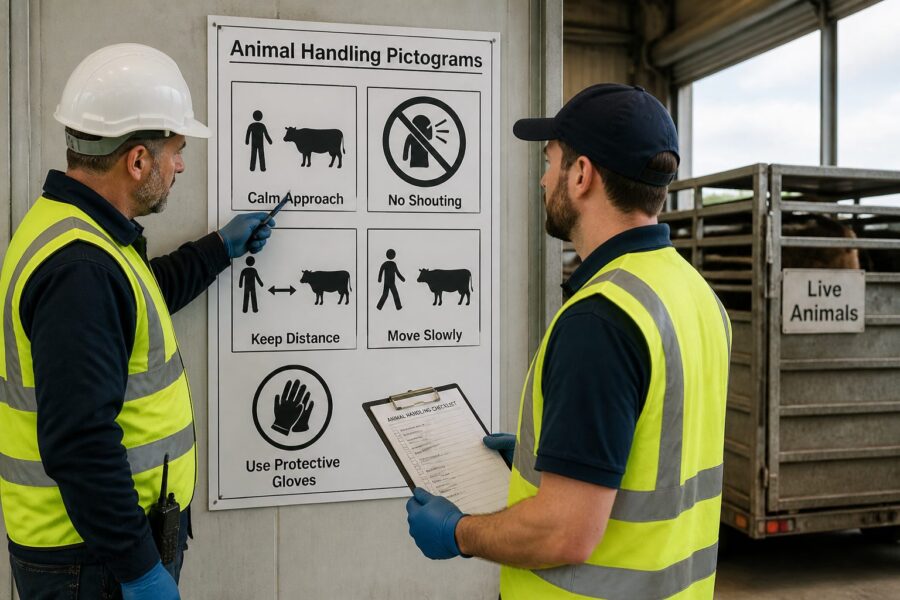
Another common pictogram depicts a person maintaining a safe distance from an animal, emphasizing the need to respect personal space. This helps prevent sudden movements or attacks from animals that may feel threatened.
A symbol showing a person using a specific tool, such as a crook or a sorting board, indicates the proper use of equipment for safe handling. These tools can help manage animals from a distance, reducing the risk of direct contact.
Pictograms illustrating the correct lifting techniques for small animals are also important. These techniques help prevent injuries to both the animal and the handler, ensuring a safe and comfortable experience for both.
A pictogram showing a person using a calm and reassuring voice when approaching an animal emphasizes the importance of reducing stress. This can help prevent the animal from becoming agitated or fearful.
Symbols depicting the proper way to approach an animal from the side rather than directly from the front can help prevent startling them. This is particularly important for animals with limited vision or those that are easily spooked.
A pictogram showing a person avoiding sudden movements or loud noises around animals reinforces the importance of creating a calm and quiet environment. This can help reduce stress and prevent accidents.
Symbols illustrating the proper way to administer medication or vaccines to animals can help ensure that these procedures are performed safely and effectively. This is crucial for maintaining animal health and preventing complications.
A pictogram showing a person using a clean needle and syringe for each injection reinforces the importance of preventing the spread of disease. This is a critical aspect of animal care and public health.
Symbols depicting the proper way to clean and disinfect animal enclosures can help prevent the buildup of pathogens and maintain a healthy environment. This is essential for promoting animal welfare and preventing the spread of disease.
Pictograms for Specific Animal Behaviors
Understanding animal behavior is crucial for anticipating potential hazards and responding appropriately. Pictograms can help communicate common animal behaviors, alerting handlers to potential risks.
These symbols often depict specific postures, vocalizations, or movements that indicate an animal’s emotional state or intentions. Recognizing these behaviors can help prevent accidents and promote safer interactions.
A pictogram showing an animal with its ears pinned back and teeth bared indicates aggression. This symbol warns handlers to approach with caution and avoid provoking the animal further.
Another common pictogram depicts an animal with its tail tucked between its legs, indicating fear or anxiety. This symbol suggests that the animal may be unpredictable and should be handled with extra care.
A symbol showing an animal pawing the ground or shaking its head may indicate agitation or discomfort. This warns handlers to address the underlying cause of the behavior and avoid escalating the situation.
Pictograms illustrating animals displaying mating behaviors can also be important, particularly during breeding season. These behaviors can sometimes lead to aggression or unpredictable movements, requiring extra caution.
A pictogram showing an animal vocalizing loudly, such as barking or hissing, can indicate distress or warning. This alerts handlers to potential problems and the need for intervention.
Symbols depicting animals exhibiting repetitive behaviors, such as pacing or head-bobbing, can indicate stress or boredom. This suggests the need for environmental enrichment or changes in management practices.
A pictogram showing an animal isolating itself from the group can indicate illness or injury. This alerts handlers to the need for closer observation and potential veterinary care.
Symbols depicting animals displaying unusual eating habits, such as loss of appetite or excessive drinking, can indicate underlying health problems. This prompts handlers to investigate further and seek professional advice.
A pictogram showing an animal displaying signs of pain, such as limping or guarding a specific area, indicates the need for immediate veterinary attention. This is crucial for alleviating suffering and promoting animal welfare.
Symbols depicting animals exhibiting signs of respiratory distress, such as coughing or labored breathing, can indicate a serious health problem. This alerts handlers to the need for prompt medical intervention.
Where to Place Animal Handling Pictograms
The effectiveness of animal handling pictograms depends not only on their clarity but also on their strategic placement. Proper placement ensures that these symbols are easily visible and readily accessible to everyone who needs them.
Consider the following guidelines for optimal placement of animal care signs in various settings. This will help ensure that the pictograms are noticed and understood by all.
- Entrances to animal handling areas
- Near animal enclosures or pens
- Adjacent to equipment or tools used for handling
- In areas where specific hazards are present
- At eye level for easy visibility
For example, pictograms warning of zoonotic diseases should be placed near handwashing stations and at the entrances to animal housing areas. Symbols indicating the need for PPE should be located near storage areas for gloves, masks, and other protective equipment.
In addition to placement, the size and visibility of the pictograms are also important. Ensure that the symbols are large enough to be easily seen from a distance and that they are not obstructed by other objects or signage.
Regularly inspect and maintain the pictograms to ensure that they are clean and in good condition. Damaged or faded symbols may be difficult to read and may not effectively communicate the intended message.
Consider using multilingual pictograms in areas where people speak different languages. This can help ensure that everyone understands the safety information being conveyed.
Incorporate pictograms into training programs and safety briefings. This can help reinforce the importance of these symbols and ensure that everyone knows how to interpret them.
Use pictograms consistently throughout the facility to create a unified and easily recognizable safety system. This can help reinforce the importance of safety and promote a culture of awareness.
Consider using floor markings in conjunction with pictograms to further enhance safety. For example, painted lines can be used to designate safe walking areas or to indicate the location of emergency equipment.
In areas with low lighting, use illuminated or reflective pictograms to improve visibility. This can help ensure that the symbols are easily seen even in challenging conditions.
Regularly review and update the placement of pictograms to ensure that they remain relevant and effective. As the facility changes or new hazards are identified, it may be necessary to relocate or add new symbols.
Conclusion
Animal Handling Pictograms are indispensable tools for promoting safety and preventing accidents in diverse animal-related environments. By providing clear, concise visual cues, these symbols transcend language barriers and ensure that everyone understands essential safety information.
Familiarizing yourself with common animal handling pictograms, understanding their meanings, and implementing them strategically can significantly reduce the risk of injury and improve animal welfare. These livestock safety symbols are a key element of a safe workplace.
Remember, the effectiveness of these pictograms depends on consistent use, proper placement, and ongoing education. By prioritizing these measures, you can contribute to a safer and more responsible environment for both humans and animals, reducing the risk of zoonotic hazard pictograms becoming reality.
Investing in high-quality pictograms and providing adequate training on their meaning and application is a worthwhile investment. The benefits of a safer and more efficient animal handling environment far outweigh the costs.
By embracing the power of visual communication, we can create a culture of safety and respect for animals in all settings. This will lead to a more positive and sustainable future for both humans and animals.
Continual improvement and adaptation of pictogram usage based on feedback and incident analysis will further enhance their effectiveness. This iterative process ensures that safety measures remain relevant and responsive to evolving needs.