
In any industrial or commercial environment, safety is the top priority. Clear and easily understandable safety signage plays a crucial role in preventing accidents and ensuring the well-being of workers and visitors. Noise Hazard Pictograms are an important part of this signage system, warning people about areas with high noise levels and the potential risk of hearing damage.
These pictograms are designed to be universally recognized, regardless of language or cultural differences. This article will explore the importance of Noise Hazard Pictograms, the different types commonly used, and where they should be placed for maximum effectiveness.
We’ll also discuss the legal requirements surrounding noise hazard signage and how these pictograms contribute to a safer working environment. Understanding and implementing these safety measures is essential for any organization committed to protecting its employees’ hearing and overall health.
Why Noise Hazard Pictograms Are Important
Exposure to high noise levels can cause irreversible hearing damage. Noise-induced hearing loss (NIHL) is a common occupational hazard that can significantly impact a person’s quality of life. Noise Hazard Pictograms serve as a visual reminder of these risks, prompting individuals to take necessary precautions.
These signs alert people to the presence of potentially dangerous noise levels, allowing them to make informed decisions about their safety. By clearly marking areas where hearing protection is required, these pictograms help prevent NIHL and promote a culture of safety within the workplace.
Effective noise level warnings also contribute to compliance with occupational health and safety regulations. Many countries have laws in place that mandate the use of appropriate signage in noisy environments. Failing to comply with these regulations can result in fines and legal repercussions, making it essential for businesses to prioritize noise hazard signage.
Beyond legal requirements, using noise hazard pictograms demonstrates a commitment to employee well-being. This proactive approach can improve morale, reduce absenteeism, and enhance the overall reputation of the company. Investing in safety is an investment in your workforce and the long-term success of your organization.
Furthermore, the presence of visible noise hazard pictograms can encourage employees to be more mindful of their own safety practices. It serves as a constant reminder to wear hearing protection and to avoid unnecessary exposure to loud noises. This increased awareness can lead to a reduction in the incidence of NIHL and other noise-related health problems.
The use of these pictograms also facilitates communication about noise hazards to visitors and contractors who may not be familiar with the specific risks of the workplace. Clear and understandable signage ensures that everyone who enters the premises is aware of potential dangers and can take appropriate precautions. This is particularly important in environments where there is a high turnover of personnel or where visitors are frequently present.
In addition to preventing hearing loss, noise hazard pictograms can also help to reduce other negative effects of noise exposure, such as stress, fatigue, and reduced concentration. By creating a quieter and more comfortable work environment, these signs can contribute to improved productivity and overall employee satisfaction. A safer workplace is a more productive workplace.
Finally, the implementation of noise hazard pictograms is a relatively simple and cost-effective way to improve workplace safety. The benefits of preventing hearing loss and promoting a culture of safety far outweigh the cost of installing and maintaining these signs. It’s a small investment that can have a significant impact on the health and well-being of your employees.
Common Noise Hazard Pictograms Explained
Several standardized industrial safety pictograms are used to indicate noise hazards. These pictograms are designed to be easily recognizable and universally understood. The most common symbol features an ear with a line through it, often accompanied by an exclamation mark to emphasize the danger.
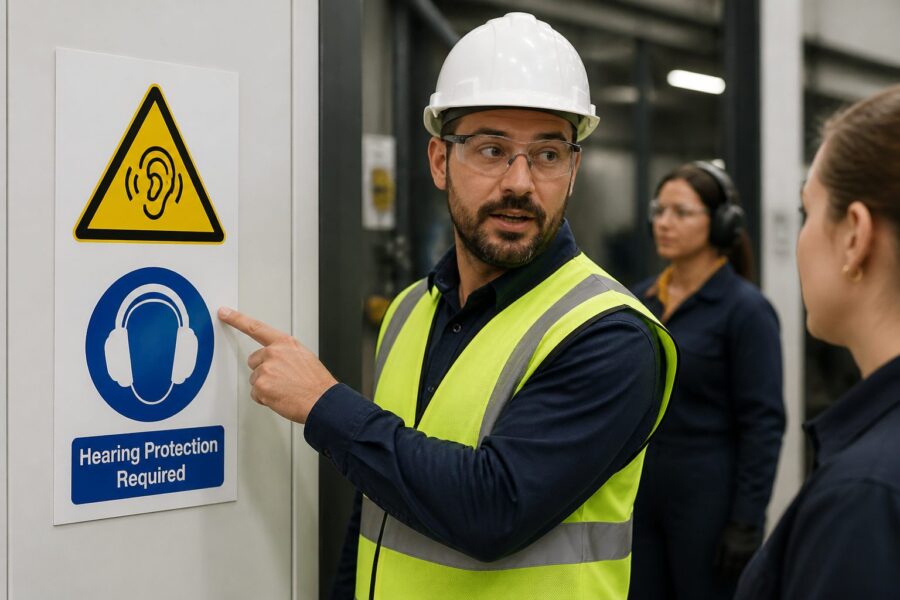
This symbol generally indicates that noise levels in the area may be harmful and that hearing protection is recommended. Another common pictogram shows a person wearing earmuffs or earplugs, indicating that hearing protection is required in the area.
Some noise hazard pictograms include specific decibel (dB) levels to provide more detailed information about the noise intensity. For example, a sign might display the ear symbol along with “85 dB or higher,” indicating that noise levels exceed the recommended safe limit. These specific warnings help individuals assess the risk and take appropriate action.
It’s important to note that the specific design and color of these pictograms may vary slightly depending on the applicable standards and regulations. However, the core message remains consistent: be aware of the noise hazard and protect your hearing.
Beyond the basic symbols, some organizations use more detailed pictograms that combine multiple elements to convey a more specific message. For instance, a sign might show a person wearing earmuffs alongside a dB level indicator to emphasize both the requirement for hearing protection and the specific noise level present. This layered approach can be particularly effective in complex or high-risk environments.
The choice of pictogram should also take into account the target audience. If the workplace includes individuals with limited literacy or language skills, it’s especially important to use simple and easily understandable symbols. The use of color can also enhance the effectiveness of the pictograms, with bright and contrasting colors helping to draw attention to the warning message.
In addition to standardized pictograms, some organizations may choose to develop custom signs that are tailored to their specific needs and hazards. However, it’s important to ensure that these custom signs are consistent with established safety standards and that they are easily understood by all employees and visitors. The goal is to communicate the risk clearly and effectively, regardless of the specific design of the pictogram.
Ultimately, the effectiveness of any noise hazard pictogram depends on its ability to capture attention, convey the risk, and prompt individuals to take appropriate action. By carefully selecting and implementing these symbols, organizations can create a safer and more informed work environment.
Pictograms for Hearing Protection Requirements
Certain pictograms specifically indicate when hearing protection is mandatory. These signs typically feature an image of a person wearing earmuffs or earplugs. The message is clear: hearing protection must be worn in this area at all times.
These mandatory hearing protection signs are often used in areas where noise levels consistently exceed safe limits. They are crucial in preventing NIHL and ensuring compliance with safety regulations.
| Pictogram | Meaning | Application |
|---|---|---|
| Ear with earmuffs | Hearing protection required | High-noise areas, machinery rooms |
| Ear with earplugs | Earplugs required | Workshops, construction sites |
| Ear with line through it | Noise hazard warning | General awareness of noise risks |
| dB level indicator | Specific noise level warning | Areas exceeding a specific dB level |
The use of these pictograms reinforces the importance of wearing appropriate hearing protection. They serve as a constant reminder to employees and visitors to prioritize their hearing health.
The strategic placement of these mandatory hearing protection pictograms is paramount. They should be positioned at all entrances to the designated high-noise areas, ensuring that individuals are alerted before entering. Additionally, these signs should be placed near specific equipment or machinery that generates excessive noise, serving as a direct reminder to operators and those working in close proximity.
It’s also crucial to ensure that the pictograms are easily visible and unobstructed. Regular inspections should be conducted to verify that the signs are not damaged, faded, or obscured by equipment or other objects. Proper lighting can also enhance visibility, particularly in dimly lit environments. The size of the pictogram should be appropriate for the viewing distance, ensuring that it can be easily seen and understood from a safe distance.
Furthermore, the implementation of mandatory hearing protection pictograms should be accompanied by comprehensive training programs that educate employees on the importance of hearing protection and the proper use of hearing protection devices. This training should cover topics such as the types of hearing protection available, how to select the appropriate device for the noise level, and how to properly insert and maintain earplugs or earmuffs. Reinforcing the message through training ensures that employees understand the risks and are equipped to protect their hearing.
The combination of clear and visible pictograms, strategic placement, and comprehensive training creates a robust system for promoting hearing protection in the workplace. This proactive approach helps to minimize the risk of NIHL and fosters a culture of safety and well-being.
Pictograms Indicating Noise Levels
Some noise hazard pictograms go beyond simply indicating a hazard; they provide specific information about the noise levels present. These signs typically include a decibel (dB) reading, such as “85 dB or higher” or “Noise level exceeds 90 dB”. This additional information allows individuals to better assess the risk and take appropriate precautions.
For example, if a sign indicates a noise level of 85 dB, workers know that hearing protection is recommended for extended exposure. If the level is 90 dB or higher, hearing protection becomes mandatory in many jurisdictions.
The accuracy of these noise level indicators is crucial. Regular noise level monitoring should be conducted to ensure that the posted dB readings are accurate and up-to-date. This may involve using sound level meters to measure noise levels at different locations within the workplace.
By providing clear and accurate information about noise levels, these noise level warnings empower individuals to make informed decisions about their safety. They also demonstrate a commitment to transparency and proactive risk management.
The process of determining the appropriate dB levels for these pictograms should be based on comprehensive noise surveys conducted by qualified professionals. These surveys should take into account the different types of equipment and activities that generate noise, as well as the duration of exposure for workers in various areas. The results of these surveys should be carefully analyzed to identify areas where noise levels exceed safe limits and to determine the appropriate level of hearing protection required.
It’s also important to consider the variability of noise levels over time. In some environments, noise levels may fluctuate depending on the specific tasks being performed or the number of machines operating simultaneously. In these cases, it may be necessary to post multiple pictograms with different dB readings to reflect the range of noise levels present. Alternatively, dynamic signage that displays real-time noise levels can provide the most accurate and up-to-date information.
In addition to posting dB readings, some organizations may choose to provide additional information about the potential health effects of noise exposure. This could include information about the symptoms of NIHL, the importance of early detection, and the steps that can be taken to prevent further damage. By providing this additional context, organizations can help to raise awareness and encourage employees to take their hearing health seriously.
The combination of accurate noise level indicators, regular monitoring, and comprehensive information about the health effects of noise exposure creates a powerful tool for protecting workers’ hearing. This proactive approach demonstrates a commitment to safety and helps to foster a culture of awareness and prevention.
Where to Use Noise Hazard Pictograms Effectively
Noise hazard pictograms should be strategically placed in areas where noise levels pose a risk to hearing. This includes areas with machinery, manufacturing plants, construction sites, and entertainment venues. The goal is to provide clear and visible warnings to anyone entering or working in these areas.
Signs should be placed at entrances to noisy areas, near specific equipment that generates high noise levels, and in any location where workers are likely to be exposed to excessive noise. The size and visibility of the pictograms are also important considerations.
The noise hazard pictograms need to be large enough to be easily seen from a distance. They should also be placed at eye level to ensure maximum visibility. Regular inspections should be conducted to ensure that the signs are in good condition and have not been obstructed or damaged.
In addition to physical placement, consider incorporating noise hazard pictograms into safety training programs. Educating employees about the meaning of the signs and the importance of hearing protection can reinforce safe work practices. This multi-faceted approach ensures that everyone understands the risks and takes appropriate precautions.
The placement strategy should also consider the flow of traffic within the workplace. Signs should be positioned in areas where they are most likely to be seen by workers as they move about their daily tasks. This may involve placing signs along frequently used walkways, near break areas, and at the entrances to work zones.
In environments where noise levels vary significantly depending on the time of day or the specific activities being performed, it may be necessary to use dynamic signage that can be adjusted to reflect the current noise conditions. This could involve using electronic displays that show real-time noise levels or using signs that can be easily updated as conditions change.
The effectiveness of noise hazard pictograms can also be enhanced by using supplementary signage that provides additional information about the risks of noise exposure and the steps that can be taken to protect hearing. This could include posters that explain the symptoms of NIHL, brochures that provide information about different types of hearing protection, and displays that showcase the company’s commitment to hearing conservation.
By carefully considering the placement, visibility, and supplementary information provided, organizations can maximize the effectiveness of noise hazard pictograms and create a safer and more informed work environment.
Legal Requirements for Noise Hazard Signage
Many countries have specific legal requirements regarding noise hazard signage in the workplace. These regulations are designed to protect workers from the harmful effects of noise exposure. Compliance with these laws is not only a legal obligation but also an ethical responsibility.
The Occupational Safety and Health Administration (OSHA) in the United States, for example, sets permissible exposure limits (PELs) for noise. When noise levels exceed these limits, employers are required to implement hearing protection programs, which include the use of appropriate signage.
- Conduct regular noise assessments
- Provide appropriate hearing protection
- Implement engineering controls to reduce noise
- Offer hearing tests to employees
- Maintain accurate records of noise exposure
Failure to comply with these regulations can result in significant fines and legal penalties. It can also lead to increased workers’ compensation claims and damage to the company’s reputation. Staying informed about the specific legal requirements in your jurisdiction is essential for ensuring compliance and protecting your employees.
The specific requirements for noise hazard signage can vary depending on the jurisdiction. Some regulations may specify the exact size, color, and design of the pictograms that must be used. Others may require that signs be posted in specific locations or that they include specific information about the noise levels present.
In addition to general requirements for noise hazard signage, some regulations may also address specific types of workplaces or industries. For example, there may be specific requirements for construction sites, manufacturing plants, or entertainment venues. It’s important to be aware of any industry-specific regulations that may apply to your business.
Compliance with legal requirements for noise hazard signage is an ongoing process. Employers should regularly review their signage to ensure that it meets all applicable standards and that it is properly maintained. They should also stay informed about any changes to the regulations and update their signage accordingly.
By taking a proactive approach to compliance with legal requirements for noise hazard signage, organizations can protect their employees, avoid costly penalties, and demonstrate a commitment to safety.
The Role of Hearing Protection Programs
Noise hazard pictograms are most effective when they are part of a comprehensive hearing protection program. A well-designed program includes noise assessments, engineering controls, administrative controls, and the provision of hearing protection devices.
Noise assessments help identify areas where noise levels exceed safe limits. Engineering controls, such as soundproofing and equipment modifications, can reduce noise at the source. Administrative controls, like limiting exposure time and rotating workers, can minimize the risk of hearing damage.
Providing employees with appropriate hearing protection devices, such as earmuffs and earplugs, is crucial. Employees should be trained on how to properly use and maintain these devices. Regular hearing tests can help detect early signs of hearing loss, allowing for timely intervention.
A comprehensive hearing protection program, combined with effective noise hazard signage, creates a safer and healthier work environment. It demonstrates a commitment to employee well-being and reduces the risk of NIHL.
A crucial aspect of a successful hearing protection program is employee involvement. Engaging employees in the development and implementation of the program can increase their understanding of the risks and their commitment to protecting their hearing. This can be achieved through regular safety meetings, training sessions, and opportunities for employees to provide feedback on the program.
The selection of appropriate hearing protection devices is also a critical component of a hearing protection program. Employees should be provided with a variety of options to choose from, including different types of earmuffs and earplugs, to ensure that they can find a device that is comfortable and effective for their specific needs. Training should be provided on how to properly fit and maintain these devices to maximize their effectiveness.
Regular monitoring of noise levels is essential for ensuring that the hearing protection program remains effective. Noise levels should be measured periodically to identify any changes in the work environment that may require adjustments to the program. This monitoring should be conducted by qualified professionals using calibrated equipment.
By implementing a comprehensive hearing protection program that includes noise hazard signage, employee involvement, appropriate hearing protection devices, and regular monitoring, organizations can create a safer and healthier work environment for their employees.
Choosing the Right Type of Hearing Protection
Selecting the appropriate type of hearing protection is crucial for ensuring its effectiveness. Earmuffs and earplugs are the two most common types of hearing protection devices. Earmuffs fit over the entire ear, providing a barrier against noise.
Earplugs are inserted into the ear canal, blocking sound from entering. The choice between earmuffs and earplugs depends on several factors, including the noise level, the comfort of the user, and the specific work environment.
Earmuffs are generally more effective at blocking low-frequency noise. They are also easier to put on and take off, making them a good choice for workers who frequently enter and exit noisy areas. Earplugs, on the other hand, are more compact and can be more comfortable for extended wear.
It’s important to provide employees with a variety of hearing protection options to ensure a proper fit and maximum comfort. Regular training should be provided on how to properly insert and maintain earplugs to maximize their effectiveness.
The Noise Reduction Rating (NRR) is a key factor to consider when selecting hearing protection. The NRR is a measurement of how much a hearing protection device reduces noise levels. The higher the NRR, the more effective the device is at blocking noise.
It’s important to note that the NRR is measured in a laboratory setting and may not accurately reflect the actual noise reduction achieved in the workplace. Factors such as improper fit, poor maintenance, and inconsistent use can reduce the effectiveness of hearing protection.
In addition to NRR, comfort is also a crucial factor to consider. If hearing protection is uncomfortable, workers are less likely to wear it consistently. It’s important to provide employees with a variety of options to choose from and to allow them to try on different devices to find one that is comfortable for them.
The specific work environment should also be taken into account when selecting hearing protection. For example, in environments where workers are exposed to high levels of moisture or dust, it may be necessary to use hearing protection that is specifically designed for these conditions.
Maintaining and Inspecting Noise Hazard Signs
The effectiveness of noise hazard pictograms depends on their visibility and legibility. Regular maintenance and inspection are essential for ensuring that the signs remain in good condition. Signs should be checked periodically for damage, fading, and obstruction.
Damaged or faded signs should be replaced immediately. Obstructions, such as equipment or storage, should be removed to ensure that the signs are clearly visible. Cleaning the signs regularly can also help maintain their legibility.
In addition to physical inspections, it’s important to review the placement of noise hazard signs periodically. Changes in the work environment may require relocating or adding signs to ensure adequate coverage. For example, if new equipment is installed or work processes are modified, a new noise assessment may be necessary to determine if additional signage is needed.
By maintaining and inspecting noise hazard signs regularly, you can ensure that they continue to effectively communicate the risks of noise exposure. This proactive approach helps protect workers’ hearing and promotes a culture of safety.
The frequency of inspections should be determined based on the specific work environment and the potential for damage or obstruction. In high-traffic areas or environments where there is a lot of dust or debris, more frequent inspections may be necessary.
A checklist can be used to ensure that all aspects of the signs are inspected. This checklist should include items such as the condition of the sign, the legibility of the text and symbols, the placement of the sign, and the presence of any obstructions.
A log should be maintained to record the dates of inspections and any maintenance or repairs that are performed. This log can be used to track the condition of the signs over time and to identify any recurring problems.
By implementing a regular maintenance and inspection program, organizations can ensure that their noise hazard signs remain effective and continue to protect workers’ hearing.
Conclusion
Noise hazard pictograms are a critical component of any comprehensive safety program in noisy environments. These universally recognized symbols provide clear warnings about the risks of noise exposure and the importance of hearing protection. By understanding the different types of pictograms, their proper placement, and the legal requirements surrounding their use, organizations can create a safer and healthier work environment.
Implementing a comprehensive hearing protection program, which includes regular noise assessments, engineering controls, and the provision of appropriate hearing protection devices, is essential. Regular maintenance and inspection of noise hazard signs ensure their continued effectiveness. Investing in these safety measures demonstrates a commitment to employee well-being and helps prevent noise-induced hearing loss.
In conclusion, the effective use of noise hazard pictograms is not merely a matter of compliance with regulations, but a fundamental aspect of creating a culture of safety and protecting the well-being of employees. By prioritizing hearing conservation and implementing a comprehensive program that includes clear signage, regular monitoring, and appropriate hearing protection, organizations can significantly reduce the risk of noise-induced hearing loss and create a healthier and more productive work environment.
The long-term benefits of investing in hearing protection programs and noise hazard signage far outweigh the costs. Preventing hearing loss not only improves the quality of life for employees but also reduces workers’ compensation claims and enhances the company’s reputation as a responsible and caring employer. It’s a win-win situation for both employees and the organization as a whole.