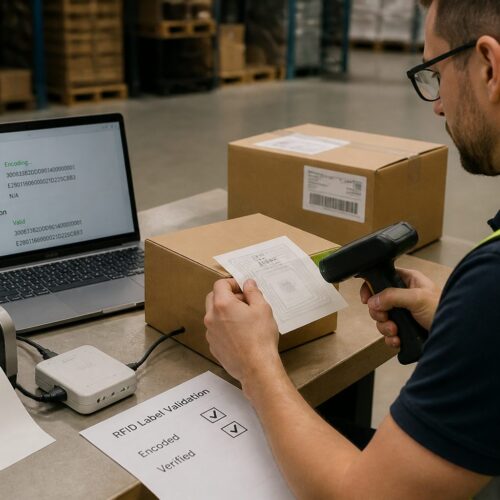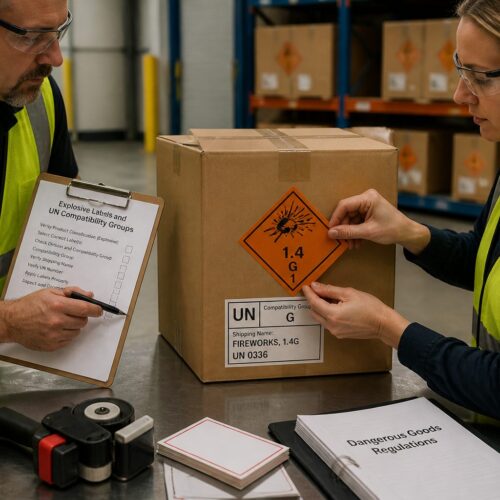

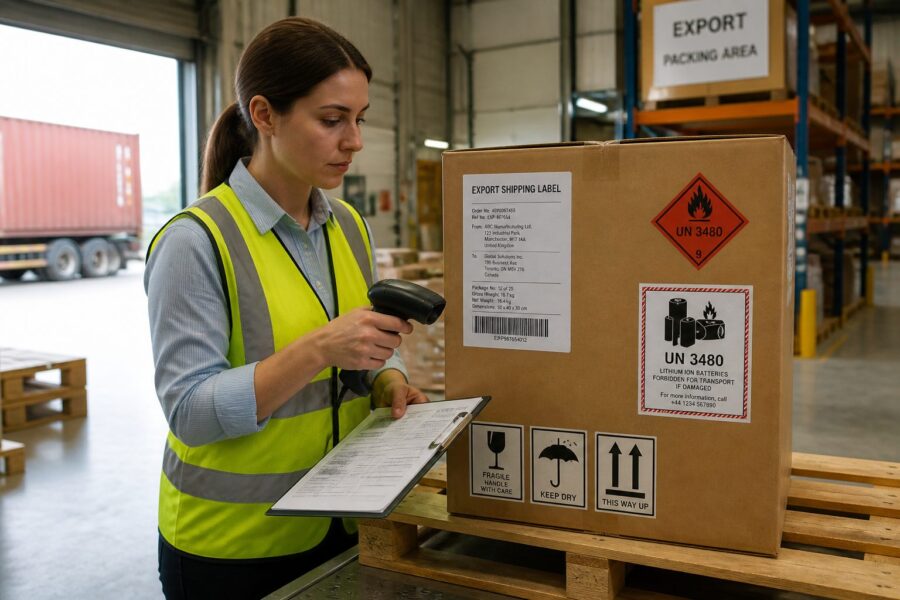
Shipping goods across borders often feels like navigating a maze of regulations. One of the most common pitfalls for businesses, big and small, involves incorrect or incomplete labeling for export shipments. Getting your export labels wrong does not just mean delays; it can result in hefty fines, rejected shipments, or even the seizure of your products at customs.
Proper international shipping requires meticulous attention to detail, especially when it comes to label compliance. Every country has specific requirements, and these rules change frequently, making it a constant challenge to stay updated. Understanding these international standards is not just about avoiding trouble; it is about ensuring your goods reach their destination efficiently and intact.
This guide will walk you through the essential aspects of export labeling, helping you confidently send your products worldwide. We will cover everything from basic information to specific product regulations, making sure you are well-equipped for global trade.
Understanding the Importance of Export Labeling
Accurate labeling for export shipments is not just a bureaucratic hurdle; it is a fundamental part of the international logistics chain. These labels serve as the primary communication tool between your shipment and countless handlers, customs officials, and carriers along its journey. Incorrect labels cause confusion, leading to misrouting and significant delays that can frustrate your customers and disrupt supply chains.
Beyond simple identification, export labels provide critical information for safety and compliance. They tell everyone involved what is inside the package, how to handle it, and any potential hazards it might pose. This transparency prevents accidents, protects workers, and ensures that dangerous goods are managed appropriately throughout international shipping.
Customs authorities rely heavily on precise export labels to quickly process goods and assess duties and taxes. A clear, compliant label allows them to identify the contents, origin, and destination without extensive physical inspections. This efficiency means faster clearance, reducing storage costs and preventing your goods from getting stuck in port.
Furthermore, label compliance directly impacts your company’s reputation and bottom line. Repeated errors can damage relationships with carriers and customs, potentially leading to increased scrutiny on future shipments. Consistently accurate labeling for export shipments demonstrates professionalism and reliability, fostering trust with your international partners and customers.
Think of export labels as the passport for your products; they contain all the necessary identification and permissions for international travel. Without a valid and correct passport, your product simply will not cross the border. Therefore, investing time and resources into getting your export labels right is an investment in your global business success.
Key Information Required on Export Labels
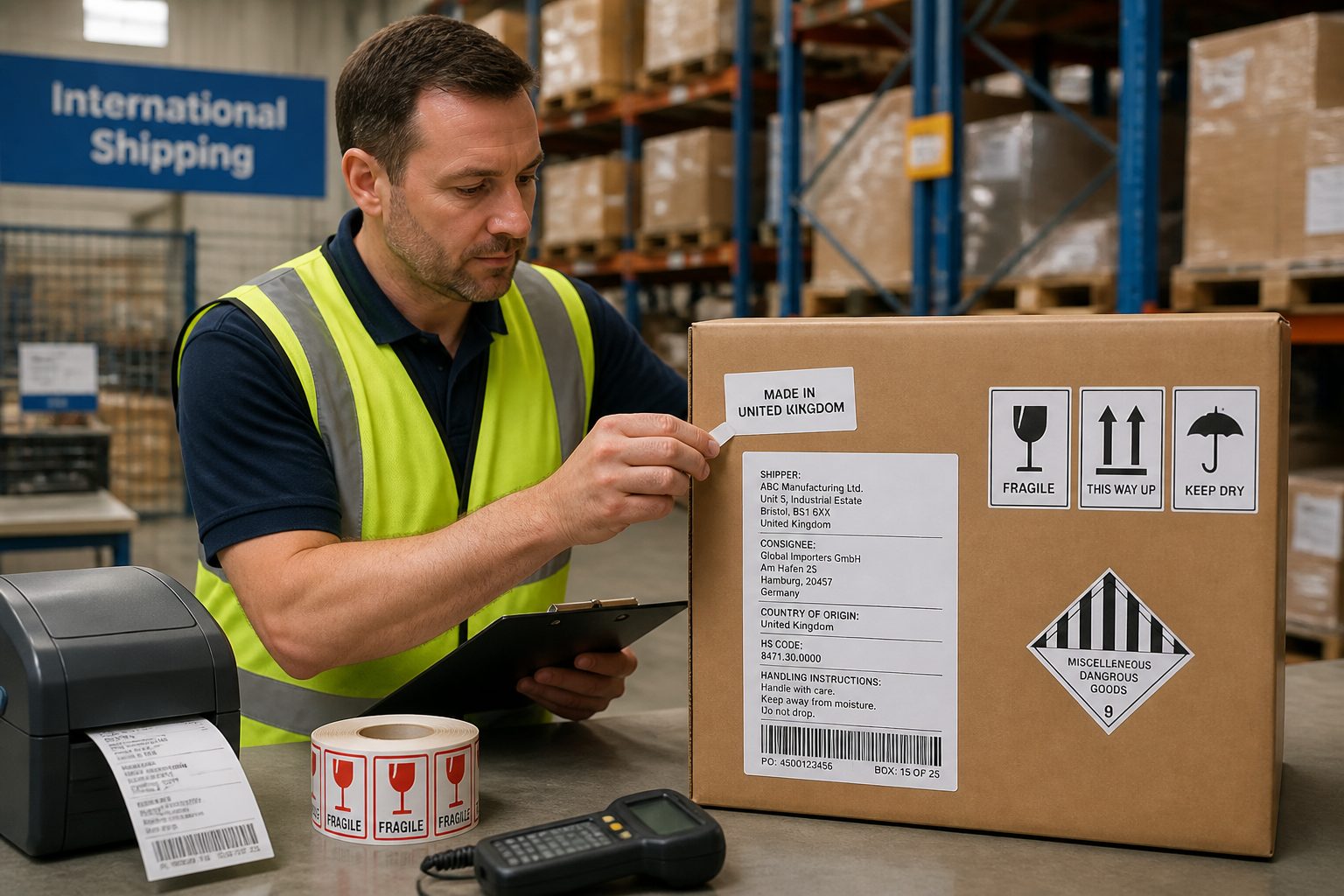
Every export label must contain a core set of information to facilitate its journey and ensure label compliance. This includes details about the sender, the recipient, and the contents of the package itself. Missing any of these elements can lead to problems, so it is important to be thorough.
The shipper’s full name and address, along with their contact information, must be clearly visible. This allows authorities to trace the origin of the goods and contact the sender if any issues arise during international shipping. Likewise, the consignee’s complete name, address, and contact details are essential for successful delivery and communication.
A precise description of the goods is another non-negotiable requirement for labeling for export shipments. This description should be clear, specific, and accurately reflect the items within the package, including quantity, unit of measure, and net and gross weights. Vague descriptions like “parts” or “merchandise” often trigger customs inspections.
The Harmonized System (HS) code is a critical component for classifying goods internationally. This numerical code helps customs officials worldwide identify the product and apply the correct tariffs and regulations. Incorrect HS codes are a common source of delays and incorrect duty assessments, so double-check this detail.
Country of origin is also mandatory, indicating where the goods were manufactured or produced. This information affects import duties, quotas, and trade agreements, making it vital for proper customs processing. Finally, any applicable hazard warnings or special handling instructions must be prominently displayed to ensure safety throughout transit.
Many countries also require an export control classification number (ECCN) for certain items, especially those with dual-use potential. This alphanumeric designation identifies products subject to export controls, ensuring compliance with national security and foreign policy regulations. Always verify if your product needs an ECCN before shipping to avoid serious legal consequences.
Language Requirements for Different Countries
While English is a widely used language in international shipping, relying solely on it for all export labels is a mistake. Many countries mandate that labels, or at least key information on them, appear in their official language. Ignoring these language requirements often leads to significant delays and potential fines at customs checkpoints.
It is important to research the specific language requirements for each destination country before preparing your export labels. This often means translating product descriptions, handling instructions, and safety warnings into the local language. Sometimes, simply translating the product name and country of origin is sufficient, but other times, a full translation of all text is necessary for label compliance.
| Destination Region/Country | Mandatory Language(s) on Labels | Key Information to Translate |
|---|---|---|
| European Union (general) | Local official language(s) | Product name, ingredients, safety warnings, origin, weight |
| China | Simplified Chinese | Product name, description, ingredients, manufacturing date, expiry date |
| Japan | Japanese | Product name, ingredients, safety warnings, manufacturer details, weight |
| Brazil | Portuguese | Product name, description, ingredients, instructions, warnings, origin |
| Russia | Russian | Product name, description, manufacturer, expiry date, composition |
| Saudi Arabia | Arabic | Product name, ingredients, instructions, warnings, origin |
Beyond the official language, consider the practical aspects for local handlers and consumers. Even if not legally required, providing information in the local language can improve handling efficiency and customer satisfaction. This shows respect for the destination country and can prevent misunderstandings once the product arrives.
Using professional translation services for your export labels can prevent costly errors and ensure accuracy. Automatic translation tools sometimes miss nuances or produce incorrect technical terms, which can be problematic for label compliance. Investing in proper translation for your labeling for export shipments is a smart business decision that pays off in smoother operations.
Some countries even have specific font size or formatting requirements for translated text on export labels. These details are easy to overlook but can cause your shipment to be non-compliant. Always consult official customs guides or a reliable international shipping expert for the most up-to-date information on language mandates.
Special Labeling Requirements for Specific Products
Many categories of goods have unique labeling requirements that go beyond the general information needed for export labels. These specific mandates exist to ensure safety, protect consumers, and maintain regulatory standards within the destination country. Failing to adhere to these specialized rules can lead to severe penalties and product recalls.
Food products, for instance, often require detailed nutritional information, ingredient lists, allergen warnings, and expiration dates. These details must typically be in the local language and comply with the destination country’s food safety authorities. The precision needed for food labeling for export shipments is immense, as consumer health is at stake.
Pharmaceuticals and medical devices have some of the strictest labeling requirements, demanding information like batch numbers, manufacturing dates, expiry dates, and specific usage instructions. These labels also need to include regulatory approvals and often a unique device identifier (UDI). International shipping of these items requires flawless label compliance to ensure patient safety and product efficacy.
Chemicals and hazardous materials fall under dangerous goods regulations, such as those set by the International Air Transport Association (IATA) or the International Maritime Organization (IMO). These products need specific hazard pictograms, UN numbers, proper shipping names, and emergency contact information clearly displayed on export labels. Mislabeling hazardous goods can result in catastrophic incidents and hefty legal liabilities.
Textiles and apparel often require labels indicating fiber content, country of origin, and care instructions. These details help consumers make informed purchasing decisions and ensure proper garment maintenance. Electronic goods might need specific safety certifications, voltage information, and disposal instructions to meet local environmental and electrical standards, a key part of label compliance.
Cosmetics generally require ingredient lists, net content, country of origin, and a symbol indicating the period after opening (PAO). These regulations protect consumers from harmful ingredients and ensure product transparency. Each product type presents its own set of challenges, demanding thorough research and careful preparation for labeling for export shipments.
Even seemingly innocuous items like toys or children’s products have specific safety standards and age-grading requirements that must appear on their export labels. These labels often include warnings about choking hazards or suitable age ranges. Always consult the regulatory bodies of your target markets to understand all specific product labeling mandates.
Documentation and Compliance Considerations
Beyond the physical export labels, a suite of supporting documentation is absolutely necessary for successful international shipping and label compliance. These documents provide the legal framework for your shipment and verify the information presented on your labels. Incomplete or incorrect paperwork is a major reason for customs delays and rejected goods.
The commercial invoice, packing list, and bill of lading (or air waybill) are fundamental documents that must accompany every export shipment. The commercial invoice details the transaction, the packing list describes the contents of each package, and the bill of lading serves as a contract between the shipper and the carrier. Each document must align perfectly with the information on your export labels.
- Obtain necessary export licenses or permits
- Secure certificates of origin
- Provide safety data sheets (SDS) for hazardous goods
- Include phytosanitary certificates for plants/produce
- Furnish health certificates for animal products
- Attach import permits from the destination country
- Ensure accurate valuation on commercial invoices
- Verify Incoterms are clearly stated
- Keep records of all shipping documents
Maintaining meticulous records of all your export labels and supporting documents is not just good practice; it is often a legal requirement. Customs authorities can audit your shipments for years after they have been delivered. Having a robust record-keeping system allows you to quickly provide proof of compliance if requested, preventing retrospective issues.
Working with experienced customs brokers or freight forwarders can significantly streamline the documentation process. These professionals understand the intricate requirements for international shipping and can help you prepare all necessary paperwork. Their expertise ensures that your labeling for export shipments and documentation meet all regulatory standards, reducing the risk of errors.
Staying informed about changes in international trade agreements and customs regulations is an ongoing responsibility. Rules evolve, and what was compliant last year might not be today. Regularly reviewing government websites and industry updates keeps your processes current and your shipments moving smoothly, maintaining consistent label compliance.
Always double-check that the information on your export labels exactly matches the details on your commercial invoice and other supporting documents. Discrepancies, even minor ones, raise red flags with customs and can lead to immediate delays. Consistency across all paperwork is a hallmark of efficient and compliant international shipping operations.
Tips for Avoiding Export Labeling Errors
Preventing errors in your export labeling process is more about implementing careful procedures than simply hoping for the best. Even small mistakes can have large consequences in international shipping. Proactive measures save you time, money, and headaches down the line, ensuring smooth label compliance.
First, implement a standardized labeling process across your entire organization. This means creating clear, step-by-step instructions for preparing export labels and training all relevant staff thoroughly. Consistency reduces the chance of individual errors and ensures that everyone follows the same high standards for labeling for export shipments.
Regularly review and update your knowledge of destination country regulations. Customs rules change, sometimes without much notice, making continuous learning important. Subscribe to updates from customs agencies, trade organizations, and your freight forwarders to stay current on all international shipping mandates.
Use technology to your advantage; shipping software can automate many aspects of label generation and compliance checking. These systems often integrate with customs databases, helping to ensure correct HS codes, language requirements, and other critical details. Automation minimizes human error and speeds up the labeling process for export labels.
Always double-check every single label before it goes out. This might sound tedious, but a quick visual inspection can catch typos, missing information, or incorrect placement. Consider having a second person review labels, especially for new destinations or complex products, to provide an extra layer of scrutiny for label compliance.
Invest in high-quality labels and printing equipment. Faded, smudged, or easily damaged labels are effectively useless, as they fail to convey information reliably. Durable labels that can withstand the rigors of international shipping ensure that your critical information remains legible throughout the journey, a small but significant detail for labeling for export shipments.
For complex or high-volume exports, consider conducting a pre-shipment audit. This involves having an independent expert review your labeling and documentation before the goods leave your facility. An audit identifies potential issues early, allowing you to correct them before they become costly problems at customs.
Maintain clear communication with your freight forwarder or customs broker. They are your allies in international shipping and can provide valuable insights into specific country requirements or common pitfalls. Sharing your labeling for export shipments plans with them early can help catch potential issues before they cause delays.
Finally, do not guess when you are unsure about a labeling requirement. Always seek clarification from official sources or experts. Making assumptions about international shipping regulations is a fast track to non-compliance and can lead to significant disruptions for your business and your customers.
Conclusion
Mastering export labeling is not a trivial task; it is an essential skill for any business engaged in international trade. The complexity of global regulations means that accurate and compliant labeling for export shipments is a constant challenge. However, the effort invested in getting it right pays dividends in smooth operations and satisfied customers.
We have explored the fundamental importance of clear export labels, the key information they must contain, and the critical role of language and specific product requirements. Understanding these elements forms the backbone of successful international shipping. Ignoring them simply invites trouble and unnecessary costs.
Documentation and robust compliance processes are equally vital, serving as the legal proof behind your physical labels. Without proper paperwork, even perfectly labeled goods can face delays or rejection. A holistic approach that integrates both physical labels and supporting documents is the only way to ensure truly compliant international shipping.
The tips for avoiding errors emphasize proactive strategies, from standardizing processes and leveraging technology to continuous education and thorough checking. These practical steps empower businesses to minimize risks and enhance efficiency. Your ability to consistently meet label compliance standards directly reflects your operational excellence.
Ultimately, accurate labeling for export shipments protects your business from fines and delays while also building trust with your global partners and customers. It demonstrates a commitment to professionalism and a clear understanding of the intricacies of international commerce. This dedication strengthens your position in the competitive global marketplace.
Embrace the challenge of international shipping as an opportunity to refine your logistics processes. Each successful shipment reinforces your operational capabilities and expands your reach. Consider every label an opportunity to showcase your attention to detail and commitment to global standards.
Staying informed about evolving regulations is an ongoing commitment, not a one-time task. Trade agreements shift, and new safety standards emerge, requiring constant vigilance from exporters. Regularly consulting official sources and industry experts ensures your export labels remain current and compliant.
The global marketplace offers immense opportunities, but it also demands meticulous adherence to rules. Treat your export labels as a critical component of your product, just as important as the product itself. This mindset transforms a potential headache into a routine part of your business operations.
By prioritizing accurate and compliant labeling for export shipments, you are not just fulfilling obligations; you are actively investing in your company’s future growth. Smooth customs clearance means faster delivery, happier customers, and a stronger brand reputation. These benefits far outweigh the initial effort of understanding complex regulations.
Remember that every country is unique, and a one-size-fits-all approach to international shipping labels simply does not work. Customizing your export labels for each destination, taking into account language, product specifics, and local laws, is crucial. This tailored approach minimizes friction and maximizes efficiency at every border.
Building strong relationships with your logistics partners, like freight forwarders and customs brokers, further enhances your label compliance efforts. Their on-the-ground knowledge and expertise are invaluable resources for navigating the complexities of global trade. Leverage their insights to refine your labeling processes continually.
In conclusion, while the world of export labels can seem daunting, approaching it with diligence and a commitment to detail will ensure your goods travel seamlessly. Your success in international shipping hinges on your ability to master these intricate requirements. Make label compliance a core strength of your global business strategy.
This comprehensive understanding of export labels empowers you to confidently expand your market reach and build a robust international presence. Investing in proper labeling for export shipments is a direct investment in your company’s future. It ensures your products arrive safely, legally, and on time, every time.
The rewards of a well-executed export labeling strategy are clear: reduced costs, improved customer satisfaction, and enhanced operational efficiency. These benefits collectively contribute to a more profitable and sustainable international business. Embrace the challenge, and watch your global trade flourish.
Finally, remember that the goal of all these regulations and requirements is to ensure safety, fairness, and transparency in global trade. By adhering to international standards for safety and logistics symbology, you contribute to a more secure and predictable international shipping environment for everyone. Your commitment to proper export labels helps build a more reliable global supply chain.