
In the complex world of modern supply chains, efficiency and accuracy are non-negotiable standards. Every item moving through your warehouse or across continents relies on precise identification to reach its destination without a hitch. This is where robust labeling software for logistics becomes an absolute game-changer for businesses of all sizes.
From manufacturing floors to retail shelves, accurate logistics labeling helps track inventory, manage shipments, and ensure regulatory compliance. Poor labeling practices lead to costly errors, delays, and frustrated customers. Optimizing your label creation process is not just about convenience; it is about building a resilient and responsive supply chain.
Modern label software offers a centralized solution for creating, managing, and printing a wide array of labels needed for shipping and inventory management. This technology helps businesses keep pace with increasing demands and evolving industry standards. It allows for greater control over data and presentation, directly impacting operational effectiveness.
Why Use Labeling Software for Logistics?
Manual labeling processes are often slow, prone to human error, and inconsistent across different operations. Using dedicated labeling software for logistics eliminates these inefficiencies, bringing speed and reliability to your workflow. Think about the time saved when labels are generated automatically with correct data every single time.
Implementing label software helps reduce operational costs associated with mis-shipments, returns, and inventory discrepancies. Accurate logistics labeling means fewer lost products and more streamlined reconciliation processes. This directly impacts your bottom line, freeing up resources that would otherwise be spent correcting mistakes.
Compliance with international shipping regulations and industry-specific standards is a constant challenge for logistics companies. Specialized label software ensures that all necessary information, such as hazard warnings or customs data, is correctly formatted and printed on every label. This adherence prevents fines and avoids delays at customs checkpoints.
The visibility gained from standardized logistics labeling is invaluable for inventory management. You can track products in real time, from receiving to dispatch, knowing exactly where everything is at any given moment. This level of detail helps prevent stockouts and overstocking, optimizing warehouse space and capital investment.
A consistent and professional appearance for your labels also enhances your brand image. Well-designed and accurate labels convey reliability and attention to detail to your partners and customers. This subtle yet powerful message reinforces trust in your logistics capabilities.

Beyond Barcodes: The Power of Advanced Logistics Labeling
While traditional barcodes remain fundamental, modern logistics labeling goes far beyond simple linear codes. Advanced label software supports a wide range of symbologies, including 2D barcodes like QR codes and Data Matrix codes. These advanced options allow for encoding much more information in a smaller space, which is a huge advantage for complex supply chains.
For example, a single 2D barcode can contain product IDs, batch numbers, expiration dates, manufacturing locations, and even links to digital manifests. This rich data empowers faster scanning and more comprehensive data capture at various points in the supply chain. It simplifies tracking and audit processes significantly.
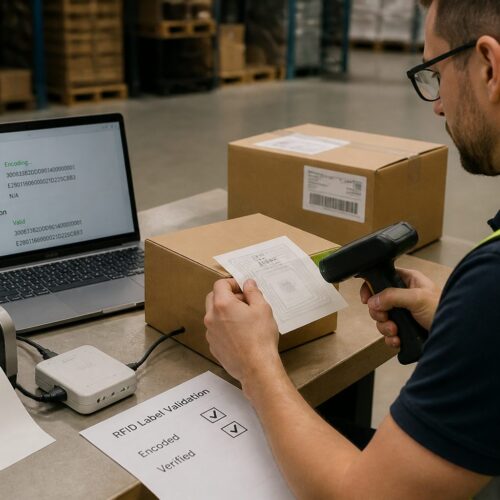
Some label software solutions also integrate with RFID (Radio-Frequency Identification) technology, pushing the boundaries of automated tracking. RFID tags enable non-line-of-sight scanning, allowing for rapid inventory counts and automated gate readings. This level of automation drastically reduces manual labor and speeds up throughput in busy warehouses.
The ability to incorporate human-readable text alongside machine-readable codes provides an extra layer of clarity and error prevention. Even if a barcode is damaged, key information remains visible for manual identification. This redundancy improves resilience in challenging operational environments.
Consider the benefits for reverse logistics, where tracking returned items with detailed information is critical for efficient processing. Advanced logistics labeling ensures that every returned product is correctly identified, categorized, and routed for repair, refurbishment, or disposal. This makes the entire returns process less of a headache.
Key Features to Look for in Labeling Software
When selecting labeling software for logistics, it is important to consider features that directly address your operational needs and future growth. A robust solution should offer comprehensive design capabilities, broad printer compatibility, and strong data integration options. These elements form the backbone of an effective labeling system.
Look for label software that supports various barcode types, including both 1D and 2D codes, and provides tools for easy template creation and management. The software should also handle different label sizes and materials, from paper to synthetic stocks, ensuring versatility for all your labeling requirements. Compatibility with your existing hardware is also a major consideration.
| Feature Category | Specific Capabilities | Benefit to Logistics |
|---|---|---|
| Design & Customization | Drag-and-drop editor, template library, variable data fields | Rapid label creation, consistent branding |
| Data Integration | Connects to databases, ERP, WMS, Excel, CSV | Automated data population, reduced errors |
| Barcode & Symbology Support | 1D (Code 128, UPC), 2D (QR, Data Matrix, PDF417) | Compliance with industry standards, rich data encoding |
| Printer Compatibility | Supports thermal transfer, direct thermal, laser, inkjet printers | Flexibility with existing hardware, optimized printing |
| User Management | Role-based access, audit trails, version control | Enhanced security, data integrity |
| Compliance Tools | Built-in templates for GHS, GS1, AIAG, ODETTE | Ensures regulatory adherence, avoids penalties |
Seamless Integration with Existing Systems
A standalone label software solution, while helpful, reaches its full potential when it integrates seamlessly with your existing IT infrastructure. The ability to connect with your Enterprise Resource Planning (ERP), Warehouse Management System (WMS), or Transportation Management System (TMS) is absolutely critical. This integration eliminates manual data entry and ensures that all systems operate with the same, accurate information.
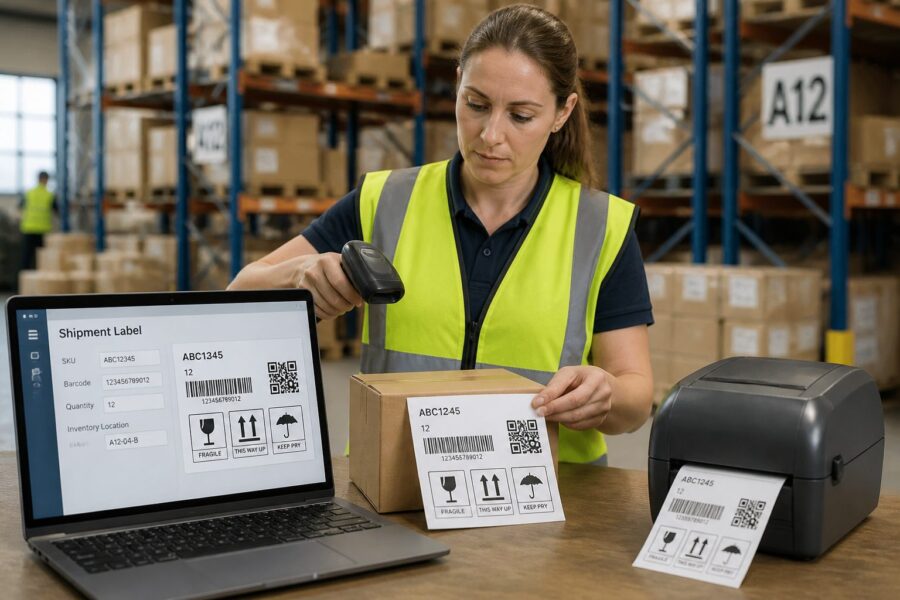
Imagine your WMS automatically triggering the printing of shipping labels as orders are packed, pulling all necessary data directly from the system. This level of automation drastically speeds up throughput and reduces the chances of human error in data transcription. It makes your entire operation more cohesive and responsive.
Good label software should offer various integration methods, including API access, database connectors, and file-based imports/exports. This flexibility allows it to fit into diverse IT environments without requiring extensive custom development. It means less hassle for your IT team and faster deployment.
For inventory management, real-time data exchange between your label software and inventory databases is a significant advantage. As items are received or shipped, labels are printed with the latest stock information, and the inventory system is updated instantly. This keeps your stock counts accurate and prevents discrepancies.
Integration also extends to shipping carriers, where the label software can generate carrier-specific labels directly, complete with tracking numbers and service details. This streamlines the shipping process, making it easier to manage multiple carriers and their unique requirements. It helps you avoid costly mistakes that can result from using incorrect carrier labels.
Customization and Template Options
Every business has unique labeling needs, from specific branding requirements to industry-mandated layouts. High-quality label software offers extensive customization options and a robust template library to meet these diverse demands. This flexibility ensures that you can design labels that are not only functional but also perfectly aligned with your brand and operational standards.
A drag-and-drop design interface allows users to create and modify label templates without needing advanced technical skills. You can easily add text fields, barcodes, images, and company logos, arranging them precisely as needed. This empowers your team to quickly adapt to new labeling requirements or update existing designs.
The ability to create variable data fields is particularly powerful for logistics labeling. This means elements like product names, serial numbers, or destination addresses can be populated automatically from your databases for each individual label. It eliminates the need to manually enter changing information, saving immense amounts of time and reducing errors.
Many label software solutions come with pre-designed templates for common industry standards, such as GS1, GHS, or specific automotive labels. These ready-to-use templates save significant development time and ensure compliance from day one. You simply choose a template and populate it with your specific data.
Version control for label templates is another important feature, especially for larger organizations or those with strict auditing requirements. This ensures that only approved label designs are in use and provides a history of all changes. It helps maintain consistency and prevents unauthorized modifications to critical labeling information.
Robust Data Management and Reporting
Beyond simply printing labels, effective labeling software for logistics provides powerful tools for data management and reporting. This functionality allows you to track label usage, monitor printing activity, and gain insights into your overall labeling operations. Understanding these metrics can lead to continuous process improvement.
The software should log every label printed, including details like the user, timestamp, and associated data, creating a comprehensive audit trail. This detailed record is invaluable for troubleshooting, compliance audits, and ensuring accountability within your operations. It provides clear visibility into who printed what and when.
- Track label printing volume by product
- Monitor label stock levels automatically
- Generate reports on labeling errors
- Analyze printer performance and uptime
- Audit user activity for compliance
- Identify popular label templates
Ensuring Compliance and Reducing Errors
Regulatory compliance is a constant concern for businesses operating in logistics and international trade. Mislabeling can lead to severe penalties, shipment rejections, and significant financial losses. High-quality labeling software acts as a guardian, helping you meet these complex requirements with confidence.
The software can enforce specific data formats and content rules for different label types, preventing common errors before they even reach the printer. For instance, it can ensure that hazardous material labels include all required pictograms and safety phrases. This automated validation is a powerful tool for error reduction.
Many advanced label software solutions come with built-in templates and data validation rules for industry standards like GS1, GHS (Globally Harmonized System), and various automotive labeling specifications. Using these pre-configured options minimizes the risk of non-compliance. It simplifies the process of creating complex labels that meet strict guidelines.
Audit trails and reporting features within the software provide documented proof of compliance, which is essential during inspections or disputes. You can easily retrieve records showing when a specific label was printed and what data it contained. This transparency protects your business from potential legal issues.
By centralizing label creation and data management, you eliminate the inconsistencies that arise from multiple users creating labels manually or using disparate systems. Everyone works from the same approved templates and data sources, ensuring uniformity across all operations. This consistency is key to maintaining high standards for logistics labeling.
Scalability and Future-Proofing Your Operations
As your business grows, your labeling needs will inevitably expand and evolve. Choosing labeling software for logistics that is scalable and adaptable is a smart investment that future-proofs your operations. You want a solution that can handle increased printing volumes, more complex label designs, and new integration requirements without a complete overhaul.
Consider solutions that support a distributed printing environment, allowing you to manage label creation from a central server while printing across multiple locations or even globally. This flexibility is essential for businesses with expanding warehouses or international shipping operations. It ensures consistent labeling standards everywhere.
Cloud-based label software platforms offer inherent scalability, as they can easily accommodate fluctuating demands for printing and data processing. These solutions often require less upfront infrastructure investment and provide automatic updates and maintenance. This means your system stays current with the latest features and security patches.
Look for label software that actively develops new features and integrates with emerging technologies, such as advanced data analytics or AI-driven insights. A vendor committed to innovation will ensure your labeling capabilities remain cutting-edge. This foresight helps you stay competitive in a rapidly changing logistics landscape.
The ability to easily add new users, printers, or data sources without significant downtime or complex configuration is a hallmark of a scalable system. This ease of expansion reduces administrative burden and allows your team to focus on core logistics tasks. It ensures that growth is supported, not hindered, by your labeling solution.
Choosing the Right Software for Your Business
Selecting the ideal labeling software for logistics requires careful consideration of your specific operational context, budget, and long-term goals. There is no one-size-fits-all solution, so a thorough evaluation process is essential to make the best choice. Start by clearly defining your current challenges and desired outcomes.
Begin by assessing your current labeling processes: where are the bottlenecks, what errors occur most frequently, and which departments are affected? Understanding these pain points will help you prioritize features and functionalities in a new label software solution. This internal audit provides a clear roadmap for your search.
Evaluate different vendors based on their product features, customer support, and reputation within the logistics industry. Look for providers that offer comprehensive training and responsive technical assistance, as smooth implementation and ongoing support are crucial. A strong support system can make all the difference during adoption.
Consider the total cost of ownership, which includes not only the software license but also implementation fees, training costs, and any ongoing subscription or maintenance charges. A seemingly cheaper option upfront might incur higher costs down the line if it lacks scalability or requires extensive custom development. Always look at the long-term financial picture.
Finally, request demonstrations and free trials from your top choices to see the label software in action with your own data and processes. Involve key stakeholders from different departments, such as warehouse managers, IT personnel, and compliance officers, in the evaluation. Their input ensures the chosen solution meets a wide range of needs and gains broad acceptance.
Conclusion
Implementing effective labeling software for logistics is more than just an upgrade; it is a strategic investment in the efficiency, accuracy, and compliance of your entire supply chain. From automating label creation to integrating with core business systems, the benefits are clear and far-reaching. This technology helps businesses navigate the complexities of modern shipping and inventory management.
By reducing human error, accelerating processes, and ensuring regulatory adherence, robust label software directly contributes to cost savings and improved customer satisfaction. It transforms what can be a tedious and error-prone task into a streamlined, reliable operation. This allows your team to focus on higher-value activities.
The right labeling solution empowers your business to adapt to market changes, expand into new territories, and maintain a competitive edge. It provides the foundation for accurate data capture and effective inventory management, which are critical for operational excellence. Choosing wisely today sets your logistics operations up for success well into the future.
Investigate the options available, consider your unique requirements, and take the step towards a more organized and efficient logistics operation. The future of shipping and inventory management depends on smart, integrated solutions. Your business deserves the precision and control that specialized label software provides.
Don’t let outdated labeling practices hold your business back from its full potential in the fast-paced world of global commerce. Embrace the power of modern labeling software for logistics to streamline your processes and secure your place at the forefront of industry best practices. The benefits of accurate, automated labeling are simply too significant to ignore.