

Counterfeiters and careless handlers both count on one thing, that nobody will notice a product got opened or swapped. Tamper Evident Labeling Solutions give you a simple way to make interference obvious before it turns into a recall or a customer complaint.
In safety and logistics, the label is part of the control system, right up there with seals, locks, and chain of custody paperwork. When tamper labels work, they shorten investigations because the package tells you what happened.
I like tamper evident programs that are boring in the best way, consistent placement, consistent inspection, and consistent documentation. Security labels also send a message to customers that you take product protection seriously, even when the product is low cost.
Some companies treat these labels as marketing, and that usually leads to weak materials and sloppy application. A good program treats them as a standard, with clear pass or fail conditions that anyone in the warehouse can understand.
What are tamper-evident labels?
Tamper-evident labels are pressure sensitive labels designed to show visible evidence when someone tries to remove, lift, or reposition them. The evidence can be a residue pattern, a broken film, a hidden word like “VOID,” or a destructible face stock that shreds.
The main job is to make interference obvious at a glance, so the receiver can quarantine the item before it reaches use or sale. That makes tamper labels different from ordinary branding labels, which can be peeled and re-applied without leaving a clear trail.
Most Tamper Evident Labeling Solutions combine three layers, the face material, the adhesive, and a release liner that supports clean dispensing. If any one of those layers is wrong for the surface or environment, the label can fail in annoying ways, like edge lift, adhesive transfer, or false tamper indications.
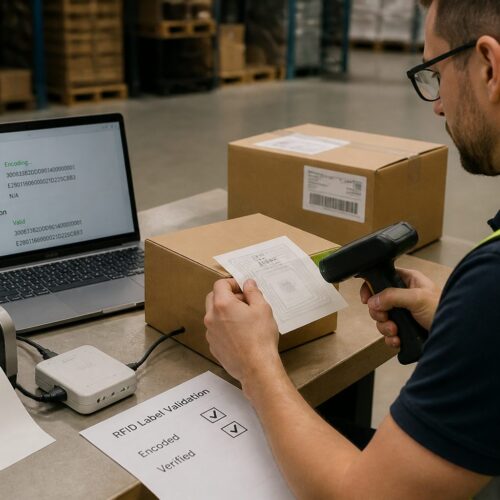
Security labels also fit into a broader symbology and traceability plan, where you pair the tamper feature with a serial number, barcode, or QR code. When you scan a code and see the seal is broken, you do not need a debate about whether the product is trustworthy.
People sometimes assume tamper evidence means “tamper proof,” and that is a mistake. The goal is deterrence and fast detection, so you can stop the problem early and preserve chain of custody records.
Why tamper evidence matters for product protection and trust
Customers notice packaging cues, especially in categories like health, cosmetics, and electronics where returns and swaps happen. A clean, intact security label reduces doubt at the moment of opening, which is when people decide whether they trust the brand.
From a logistics viewpoint, tamper evidence reduces gray area when shipments move across carriers, cross docks, and temporary storage. If a carton arrives with a disturbed seal, you can separate it immediately instead of arguing about who handled it last.
For high value items, a tamper event can signal diversion, part substitution, or warranty fraud. For low value items, it can signal contamination risk or a simple warehouse mistake, and both are worth catching early.
Trust is built on repeatable controls, not on perfect people. Tamper Evident Labeling Solutions create that control by making the package itself a visible checkpoint.
There is also a quiet benefit that teams appreciate once they have lived with it, fewer disputes with trading partners. A photo of a broken tamper label is a lot more useful than a vague note that a box “looked odd.”
Types of tamper-evident label materials
Material choice is where many programs succeed or fail, because the same label behaves differently on glass, HDPE, corrugate, and powder coated metal. You need to match face stock and adhesive to surface energy, texture, and the temperatures the package will see in storage and transit.
Destructible films work well when you want the label to tear into pieces on removal, while VOID films leave a message on the substrate or on the label itself. Paper based tamper labels can be cost effective, but they hate moisture and abrasion unless you add coatings that raise cost and complexity.
| Material type | How it shows tamper | Common use cases |
|---|---|---|
| Destructible vinyl | Face stock shreds and cannot be removed in one piece | Electronics boxes, calibration stickers, asset seals |
| VOID polyester film | Leaves “VOID” or checker pattern on surface or label | Pharma cartons, cosmetics, warehouse totes |
| Acetate or brittle film | Cracks and fractures when lifted | Glass containers, smooth plastics, clean room packs |
| Paper with security cuts | Slits split the label and expose removal attempts | Retail multipacks, secondary packaging, documents |
| Holographic security film | Optical features distort or tear when removed | Brand protection seals, warranty seals, premium goods |
Applications of tamper-evident labels
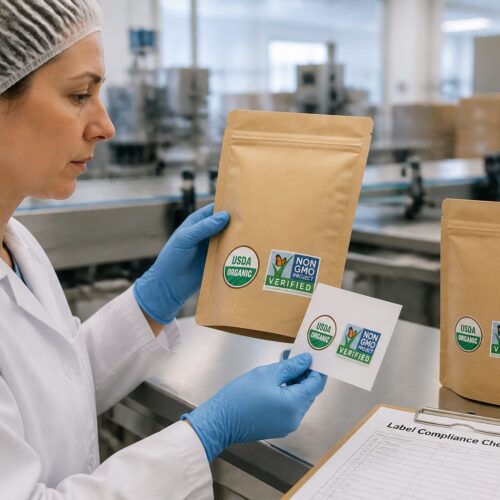
In pharmaceuticals and OTC products, tamper labels often seal a carton flap or a bottle cap area so the first opening is obvious. Many brands pair that seal with lot coding and a scannable identifier to tighten product protection across the supply chain.
Food and beverage uses vary by format, with labels sealing lids on ready to eat items or closing overwrap seams on multipacks. If you ship chilled product, you need adhesives that hold through condensation and cold chain swings without flagging at the edges.
Electronics and appliances use security labels for warranty control, because a broken seal can indicate the housing was opened or parts were swapped. In practice, you need to balance deterrence with serviceability so authorized repair does not turn into a paperwork nightmare.
Industrial and aerospace operations use tamper evident labels to protect calibration points, access panels, and safety critical settings. When a technician sees a disturbed seal, they know to stop and verify before running equipment.
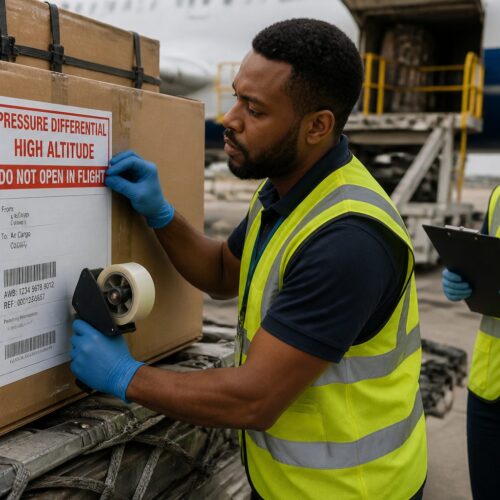
Logistics providers use tamper labels on reusable totes, roll cages, and high value cartons to support chain of custody. These programs work best when the label location is standardized and photographed in work instructions.
Regulatory requirements for tamper-evident packaging
In the United States, tamper evident packaging requirements are well known in OTC drugs because FDA rules require a barrier or indicator to entry that is distinctive and hard to duplicate. That rule also expects labeling statements that tell consumers what tamper evidence to look for.
Food, supplements, and cosmetics do not always have a single federal tamper rule, but you still face retailer requirements and state level expectations tied to safety and traceability. If you sell through major marketplaces, their anti counterfeit and returns policies can push you toward stronger security labels even when the law is quiet.
Medical devices bring their own pressure because ISO 13485 quality systems and risk management practices push companies to control packaging integrity. If a device package arrives opened, you may have to treat it as nonconforming product, and that gets expensive fast.
Hazardous materials and chemical products often rely on closure integrity and hazard communication, so tamper evidence supports safe handling and correct labeling through distribution. A broken seal on a chemical container raises questions about contamination, dilution, or mislabeling that you cannot ignore.
Whatever the category, auditors care about consistency more than fancy materials. If your SOP says every unit has a seal on the right flap and your line applies it randomly, the program looks weak even if the label itself is strong.
Choosing the right tamper-evident solution
Start with the threat model, because the label you need for casual pilferage is different from the label you need for organized counterfeiting. I would rather see a simple destructible label applied perfectly than a complex hologram applied crooked and half stuck.
Surface and environment testing should drive the decision, not supplier brochures. Ask for sample rolls and test on real packaging that has the same varnish, texture, and curvature as production, then stress it with temperature cycling and rub tests.
Think about how people will inspect the seal at receiving, on the store shelf, or in a clinic. A tiny VOID pattern hidden under a flap may be technically correct, but it fails if the inspector cannot see it without tearing the carton.
Data features can add accountability when you use them with discipline. Serial numbers, barcodes, and QR codes are useful for product protection, but only if your systems record scans and you investigate duplicates.
Cost matters, but it should be tied to risk and waste. If a weak label causes false tamper calls and rework, the program becomes more expensive than a better material that behaves predictably.
Key features to specify when buying tamper labels
When you write a spec, call out the tamper mechanism in plain language, such as “leaves VOID on removal” or “destructs into fragments smaller than 10 mm.” If you cannot describe the expected evidence, your inspectors will not know what pass or fail looks like.
Adhesive performance needs real numbers tied to your process, like minimum application temperature and dwell time before shipping. If your line packs and ships within minutes, you need an adhesive that grabs fast, or you need a hold step built into the workflow.
- Defined tamper evidence pattern, such as VOID, checkerboard, or destructible
- Adhesive type matched to substrate, such as acrylic for plastics or rubber for corrugate
- Minimum application temperature and service temperature range
- Chemical and abrasion resistance requirements for the distribution environment
- Print method compatibility, such as thermal transfer, laser, or flexo
- Serialization or barcode zone size and quiet zone requirements
Best practices for application and inspection
Application starts with surface prep, because dust, mold release, and oil kill adhesion. If you cannot clean the surface, choose an adhesive designed for low surface energy plastics or rough corrugate and accept the cost.
Placement should be standardized so inspectors do not hunt for the seal. Put the tamper label where opening forces will attack it, like across a carton flap seam or bridging a lid and a base.
Pressure matters more than people think, especially on textured cartons and curved bottles. Use a roller or applicator that applies consistent force, and set a simple check that confirms full contact with no tunnels or wrinkles.
Inspection needs a written definition of damage versus normal wear. Scuffed print may be fine while edge lift, torn corners, or a visible VOID pattern are automatic holds that trigger escalation.
Train teams to document what they see with photos and lot numbers, then quarantine fast. The worst outcome is a “maybe tampered” unit that drifts back into saleable stock because nobody wanted to make a call.
Common failure modes and how to prevent them
Edge lift is the classic failure, and it usually comes from low pressure application, dusty surfaces, or labels fighting a tight radius. You can fix it with better surface prep, a more aggressive adhesive, or by changing the label size so corners do not sit on a curve.
False tamper indications happen when the label is too brittle for the handling environment. If cases rub in transit, a brittle film can crack and trigger returns, so you need abrasion resistant overlaminates or a different construction.
Adhesive transfer is messy and can confuse inspectors, because residue looks like tampering even when removal never happened. Choose a construction designed for clean removal only if your process needs it, otherwise prioritize clear, irreversible evidence.
Counterfeiters sometimes copy the look of a label, so visual complexity alone is not enough. Pair security labels with serialization, controlled distribution of label stock, and periodic audits of scan data for duplicates.
Human error is real, and it shows up as crooked labels, missing labels, or seals placed where they do not protect the opening. Poka yoke fixtures, vision checks, and simple line stop rules are more effective than lectures.
Integrating tamper-evident labeling into safety and logistics symbology
A tamper label works better when it fits the rest of your identification system, including handling marks, hazard symbols, and traceability codes. When every package follows the same logic, receiving teams spot anomalies faster and make fewer mistakes.
Use consistent language on the pack, such as “Do not accept if seal is broken,” and place it near the seal where people actually look. If you rely on a QR code for verification, make sure the code is scannable after scuffs and that your database returns a clear status.
For international shipments, consider how customs inspections and re-taping practices affect your seals. If authorities open cartons, you need a documented re-seal process with new tamper labels and recorded seal IDs.
Warehouse signage and work instructions should show photos of acceptable and unacceptable seals. That sounds basic, but it prevents the slow creep where people normalize damage because they see it every day.
When you treat Tamper Evident Labeling Solutions as part of symbology, you stop arguing about aesthetics and start managing signals. The package becomes a standard interface, and that is exactly what safety and logistics teams need.
Conclusion
Tamper labels and security labels work when you choose materials that match the surface, apply them with discipline, and train people to inspect them the same way every time. That combination protects products, reduces disputes, and gives customers a clear reason to trust what they are opening.
If you want a program that holds up under real handling, write a spec, test samples on real packaging, and document pass or fail conditions that anyone can follow. Product protection is a daily habit, and a good tamper-evident label makes that habit visible on every unit.