
Navigating the complex world of international shipping demands precision, especially when it comes to cargo identification. Understanding and correctly applying IMO symbols for sea freight is not merely a formality; it is a fundamental pillar of maritime safety and efficient logistics. These standardized markings communicate critical information about a package’s contents, handling requirements, and potential hazards to everyone involved in the supply chain.
Ignoring these international standards can lead to severe consequences, including delays, fines, accidents, and environmental damage. Every stakeholder, from manufacturers to freight forwarders and port authorities, relies on these clear visual cues to ensure secure transport. Proper labeling with IMO symbols for sea freight streamlines operations and significantly reduces risks across global waters.
Our goal here is to demystify these essential symbols, explaining their purpose, application, and the broader context of international standards that govern their use. We will explore how these specific markings protect personnel, cargo, and the marine environment. This deep dive will provide practical insights into maintaining compliance and optimizing your maritime transport processes, emphasizing the importance of accurate labeling and consistent adherence to global safety protocols.
The Critical Importance of IMO Symbols in Sea Freight
IMO symbols for sea freight are the universal language of maritime transport, designed to convey vital information instantly and unambiguously. These symbols are not just decorative; they are a direct output of the International Maritime Organization’s (IMO) efforts to create a safer, more secure shipping environment. Their primary function is to alert handlers, crew, and emergency responders to the nature of goods being transported, particularly dangerous cargo.
The absence or incorrect application of these symbols can have catastrophic implications, ranging from mishandling that damages goods to major incidents involving hazardous materials. Proper labeling ensures that everyone from the dockworker loading a container to the captain navigating rough seas understands the risks and necessary precautions. This global standardization minimizes misinterpretation, which is absolutely essential in a multilingual and multinational industry.
These symbols play a central role in preventing accidents, protecting human lives, and safeguarding marine ecosystems from potential spills or contamination. They are a core component of the broader regulatory framework governing international shipping, working in conjunction with various conventions and codes. Recognizing and respecting these symbols is a fundamental responsibility for anyone engaged in maritime logistics.
Effective communication through standardized symbols prevents costly delays at ports where cargo might be held for inspection due to insufficient or incorrect markings. It also supports faster and more efficient customs clearance processes, as authorities can quickly verify compliance. The entire logistics chain benefits from the clarity and consistency that IMO symbols for sea freight provide.
Investing in correct labeling practices and understanding these critical symbols is a non-negotiable aspect of responsible international trade. It reflects a commitment to safety, efficiency, and environmental stewardship. Businesses that prioritize accurate symbology demonstrate their dedication to best practices within the global maritime industry, building trust with partners and regulators alike.
The regulatory landscape for maritime transport is constantly evolving, with new amendments and updates to international standards regularly introduced. Staying current with the latest IMO symbols and their application is crucial for ongoing compliance. This proactive approach ensures that your shipments always meet the most current safety and logistics requirements, avoiding penalties and maintaining operational integrity.
Decoding the IMDG Code: Your Guide to Dangerous Goods
The International Maritime Dangerous Goods (IMDG) Code is the bedrock for transporting hazardous materials by sea, dictating everything from classification to packaging and labeling. This comprehensive code provides detailed guidelines for identifying dangerous goods through specific IMO symbols for sea freight, ensuring global consistency. Adherence to the IMDG Code is mandatory for all vessels carrying dangerous goods, making it an indispensable reference.
Developed by the IMO, the IMDG Code categorizes dangerous goods into nine distinct classes, each represented by a unique symbol, color, and number. These visual cues are universally recognized, overcoming language barriers and providing immediate information about the nature of the hazard. Understanding these classes and their corresponding symbols is the first step in compliant maritime transport.
The code specifies not only the design of the labels but also their size, durability, and placement on packages, containers, and vehicles. These stringent requirements ensure that the symbols remain legible and visible throughout the entire journey, even under harsh marine conditions. Proper application prevents confusion and facilitates prompt, appropriate action in emergencies, safeguarding personnel and the environment.
Training personnel in the intricacies of the IMDG Code is also a critical component of compliance, as incorrect classification or labeling can lead to severe penalties and safety risks. Shippers, packers, freight forwarders, and vessel operators must all have a thorough understanding of their responsibilities. This collective expertise ensures that every step of the dangerous goods transport process adheres to the highest safety standards.
The IMDG Code is regularly updated to incorporate new scientific and technological advancements, as well as lessons learned from incidents. These amendments ensure that the code remains relevant and effective in addressing emerging challenges in the transport of dangerous goods. Staying informed about the latest version of the IMDG Code is essential for maintaining continuous compliance and adopting best practices in logistics.
Effective implementation of the IMDG Code is a clear indicator of a company’s commitment to safety and regulatory excellence in maritime operations. It protects not only the direct handlers of the goods but also the broader community and delicate marine ecosystems. Compliance with these international standards is a shared responsibility that underpins the entire global supply chain, reinforcing the importance of standardized labeling.
Classes of Dangerous Goods: A Closer Look at IMO Markings
The IMDG Code classifies dangerous goods into nine distinct categories, each with its own specific IMO symbols for sea freight. These classifications are fundamental for anyone involved in maritime logistics, as they dictate handling, stowage, and emergency response procedures. Recognizing each class by its unique symbol is a non-negotiable skill for ensuring safety and compliance in the global supply chain.
Understanding these classes helps prevent accidents and ensures that appropriate precautions are taken during every stage of transport, from packaging to final delivery. The visual language of these symbols transcends linguistic barriers, providing immediate recognition of potential hazards. This universal understanding is vital for seamless international trade and effective risk management within any warehouse or port environment.
| IMDG Class | Hazard Description | Example Goods |
|---|---|---|
| Class 1 | Explosives | Ammunition, Fireworks, Detonators |
| Class 2 | Gases | Aerosols, Propane, Oxygen |
| Class 3 | Flammable Liquids | Paints, Adhesives, Gasoline |
| Class 4 | Flammable Solids | Matches, Sulphur, Metal Powders |
| Class 5 | Oxidizing Substances & Organic Peroxides | Hydrogen Peroxide, Fertilizers |
| Class 6 | Toxic & Infectious Substances | Pesticides, Medical Waste, Cyanides |
| Class 7 | Radioactive Material | Medical Isotopes, Uranium, Plutonium |
| Class 8 | Corrosive Substances | Acids, Alkalis, Battery Fluids |
| Class 9 | Miscellaneous Dangerous Substances | Lithium Batteries, Dry Ice, Airbag Modules |
Beyond Hazards: Non-Dangerous Goods IMO Symbology
While dangerous goods symbols are paramount, IMO symbols for sea freight extend beyond just hazard identification to include crucial handling and informational markings for all types of cargo. These additional symbols, often derived from ISO standards, ensure that non-hazardous packages receive appropriate care throughout their journey. They prevent damage, reduce losses, and contribute to overall logistics efficiency.
Common non-dangerous goods symbols include “This Way Up,” “Fragile,” “Keep Dry,” and “Sling Here,” each conveying specific instructions to handlers. These markings are essential for protecting goods that are sensitive to orientation, impact, or environmental conditions. Their consistent application minimizes the risk of product damage and ensures goods arrive at their destination in optimal condition.
For instance, the “This Way Up” symbol, typically two arrows pointing upwards, prevents packages from being stored or transported upside down, which is critical for liquids, electronics, or items with specific orientations. The “Fragile” symbol, often a broken glass, immediately tells handlers to exercise extra caution. These simple yet effective symbols are vital for maintaining cargo integrity within the complex supply chain.
The adoption of internationally recognized symbols for handling instructions, often harmonized with ISO standards, ensures that these messages are understood globally, regardless of language. This universal understanding is particularly important in international logistics where cargo passes through many hands and different countries. Clear, concise symbology reduces errors and improves operational flow.
Proper use of these non-dangerous goods symbols also contributes to better warehouse management and storage practices. Warehouse personnel can quickly identify special handling requirements, optimizing stacking and storage arrangements. This attention to detail in labeling ensures that all types of cargo are managed effectively, supporting a seamless and safe logistics operation from origin to destination.
These symbols also play a role in mitigating insurance claims by demonstrating that due diligence was exercised in communicating handling requirements. When goods are clearly marked, it reduces disputes over damage caused by mishandling. Implementing these comprehensive labeling practices is a smart business decision that protects assets and enhances reputation within the competitive shipping industry.
Ensuring Visibility: Placement and Durability of IMO Labels
The effectiveness of IMO symbols for sea freight hinges entirely on their visibility and durability throughout the entire transport chain. A symbol that is obscured, damaged, or illegible is useless, potentially leading to dangerous mishandling or regulatory non-compliance. Correct placement and the use of robust materials are paramount for maintaining safety and operational efficiency.
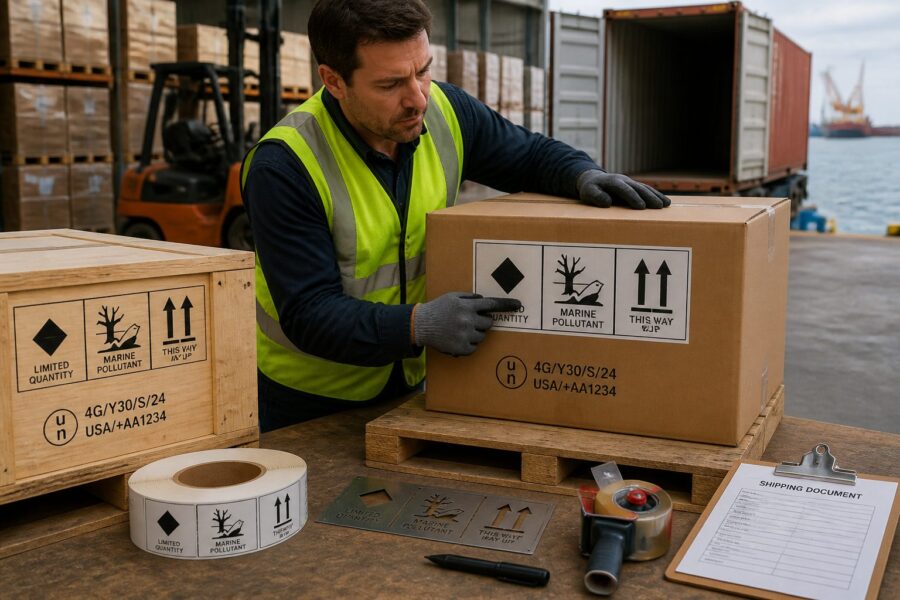
IMDG Code guidelines specify precise requirements for label size, material, and placement on packages, overpacks, and cargo transport units (CTUs) like containers. Labels must be affixed to at least two opposite sides of a package or container, ensuring visibility from multiple angles. This redundancy is critical, especially when cargo is stacked or tightly packed in a warehouse or ship’s hold.
The materials used for labels must withstand harsh marine environments, including saltwater exposure, extreme temperatures, UV radiation, and abrasion. High-quality, weather-resistant adhesives and inks are essential to prevent fading, peeling, or detachment during transit. Substandard labels compromise the entire safety system, creating unnecessary risks for personnel and cargo.
For large containers or vehicles, placards are used, which are larger versions of the labels, designed for even greater visibility from a distance. These placards must also meet strict size and durability requirements, often being made from rigid materials like aluminum or durable plastics. Their prominent display ensures that emergency services can quickly identify hazards from a safe distance.
Regular inspection of labels before and during transit is a critical step in maintaining compliance and safety. Any damaged or missing labels should be immediately replaced to ensure continuous communication of hazard information. This proactive approach prevents potential issues and reinforces a culture of safety within logistics operations, upholding international standards.
Furthermore, the background color of the label must contrast sufficiently with the symbol and text to ensure maximum legibility. The specific dimensions and color specifications are not arbitrary; they are carefully chosen to optimize recognition and impact. Adhering to these detailed specifications for IMO symbols for sea freight is a fundamental aspect of responsible cargo management, especially for dangerous goods.
Best Practices for Applying IMO Symbols for Sea Freight
Correctly applying IMO symbols for sea freight is a meticulous process that demands attention to detail and adherence to specific guidelines. Implementing best practices ensures not only regulatory compliance but also the highest level of safety and efficiency throughout the maritime supply chain. These practices are crucial for protecting personnel, cargo, and the environment from potential hazards.
A systematic approach to labeling, from initial classification to final application, minimizes errors and enhances the reliability of hazard communication. Proper training, quality materials, and diligent verification are all integral components of an effective labeling strategy. Adhering to these guidelines helps avoid costly delays, fines, and serious incidents, especially when dealing with dangerous goods.
- Accurately classify all goods according to the IMDG Code.
- Use only IMO-compliant labels and placards made from durable, weather-resistant materials.
- Ensure labels are correctly sized and positioned on at least two opposing sides of packages or CTUs.
- Remove or cover obsolete or incorrect labels to prevent confusion.
- Train all personnel involved in packaging and labeling on IMDG Code requirements.
- Verify label integrity and visibility before dispatch and at each transfer point.
- Maintain clear documentation of all labeled goods for audit and emergency purposes.
- Stay updated with the latest amendments to the IMDG Code and related international standards.
- Implement a quality control process for all labeling activities.
- Use supplementary markings like UN numbers and proper shipping names alongside symbols.
The Role of ISO Standards in Harmonizing Maritime Logistics
While the IMO sets the specific symbols for dangerous goods in sea freight, the International Organization for Standardization (ISO) plays a pivotal role in harmonizing broader logistics symbology and quality management systems. ISO standards often complement IMO regulations, providing a unified framework for various aspects of international trade and transport. This collaboration ensures a consistent approach to safety and efficiency across diverse industries.
Many general handling symbols, such as “Fragile” or “Keep Dry,” are standardized under ISO 780, ensuring universal recognition beyond hazardous materials. These ISO-backed symbols are crucial for non-dangerous goods, providing clear instructions for proper handling and storage. Their widespread adoption reduces miscommunication, particularly in complex global supply chains that involve multiple modes of transport and numerous stakeholders.
ISO standards also extend to quality management (ISO 9001) and environmental management (ISO 14001), which indirectly support the effective implementation of IMO symbols for sea freight. Companies adhering to these ISO standards often have robust internal processes for documentation, training, and quality control, which directly translate into better compliance with labeling requirements. This integrated approach enhances overall operational excellence.
The harmonization efforts between IMO and ISO aim to create a seamless and universally understood system for cargo identification and handling. This reduces the learning curve for international personnel and minimizes the potential for errors that can arise from differing national standards. A globally consistent approach to symbols and labeling is a cornerstone of safe and efficient international logistics.
For example, ISO containers themselves are a testament to global standardization, enabling seamless intermodal transport across road, rail, and sea. The consistent application of IMO symbols for sea freight on these standardized containers further enhances their utility and safety. This synergy between different international standards bodies creates a powerful ecosystem for global trade, improving safety and logistics management.
Companies that integrate both IMO and relevant ISO standards into their operations demonstrate a comprehensive commitment to best practices. This dual adherence not only ensures regulatory compliance but also positions them as reliable and responsible partners in the international supply chain. The combination of these standards provides a robust framework for managing all aspects of cargo transport, from initial packing to final delivery.
Training and Compliance: Upholding IMO Labeling Integrity
Effective training and a robust compliance framework are absolutely indispensable for upholding the integrity of IMO symbols for sea freight. Simply having the correct labels is insufficient if personnel lack the knowledge to apply them properly or understand their significance. Comprehensive training programs are the bedrock of a safe and compliant maritime logistics operation, ensuring everyone understands their role.
All individuals involved in the handling, packing, documentation, and transport of dangerous goods must receive appropriate training as mandated by the IMDG Code. This training covers everything from classification and identification to packaging, labeling, stowage, and emergency procedures. Regular refresher courses are also essential to keep personnel updated on the latest amendments and best practices in the dynamic regulatory landscape.
Compliance is not a one-time event; it is an ongoing commitment that requires continuous vigilance and internal auditing. Companies should implement internal quality control systems to verify that all packages and containers are correctly labeled before dispatch. This includes checking for proper symbol placement, legibility, and adherence to material specifications, ensuring all logistics steps are covered.
Establishing a clear chain of responsibility for labeling and documentation is another critical aspect of compliance. Each person involved in the process must understand their specific duties and the potential consequences of non-compliance. This clarity helps prevent errors and ensures accountability, fostering a culture where safety and accuracy are paramount for all dangerous goods shipments.
Furthermore, maintaining meticulous records of training, dangerous goods declarations, and labeling procedures is vital for demonstrating compliance during audits or in the event of an incident. These records provide a verifiable trail of due diligence, which can be crucial for legal and insurance purposes. Robust documentation supports the overall integrity of the shipping process, especially for complex international standards.
Investing in high-quality training and robust compliance systems is not merely a cost; it is an investment in safety, efficiency, and reputation. It reduces the likelihood of accidents, avoids costly penalties, and builds trust with regulators and business partners. Upholding the integrity of IMO symbols for sea freight through diligent training and compliance safeguards lives and livelihoods across the global supply chain.
Integrating IMO Symbology into Modern Logistics and Warehouse Operations
Modern logistics and warehouse operations are increasingly sophisticated, relying on advanced technology and streamlined processes to manage vast quantities of goods. Integrating IMO symbols for sea freight effectively into these systems is crucial for maintaining safety, optimizing workflows, and ensuring seamless international transport. This integration extends beyond mere physical labeling to encompass digital information management.
Warehouse management systems (WMS) and enterprise resource planning (ERP) platforms should be configured to incorporate dangerous goods classifications and labeling requirements directly into their data. This ensures that when an order for hazardous material is processed, the system automatically flags the need for specific IMO symbols. Such automation reduces human error and ensures consistent application of international standards.
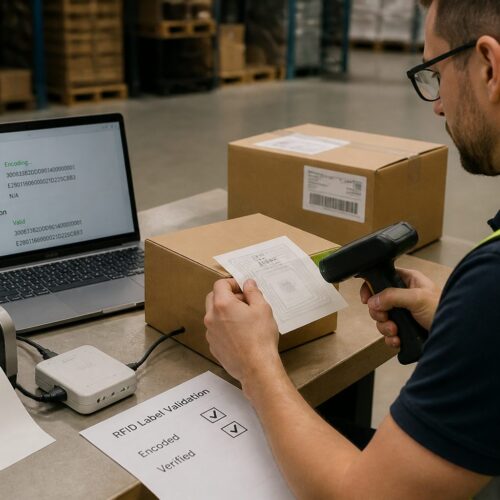
Barcode and RFID technologies can further enhance the integration of IMO symbology by linking physical labels to digital information databases. Scanning a package’s label could instantly pull up its IMDG classification, emergency response guidelines, and stowage requirements. This real-time access to critical data empowers warehouse personnel and logistics operators to make informed decisions quickly and accurately.
Proper segregation of dangerous goods within a warehouse is also heavily reliant on clear IMO labeling. Warehouse layouts and storage protocols must account for incompatible materials, and the symbols provide immediate visual cues for safe placement. This prevents dangerous reactions and ensures compliance with strict segregation rules, protecting both personnel and other cargo within the facility.
Furthermore, when cargo is prepared for sea freight, the packing and loading processes must strictly adhere to IMO guidelines, including container packing certificates and proper securing of goods. The visible IMO symbols for sea freight on the container itself confirm that these procedures have been followed. This holistic approach ensures safety from the moment goods enter the warehouse until they reach their final destination.
The synergy between physical IMO labeling and digital logistics systems creates a robust framework for managing dangerous goods and ensuring overall supply chain integrity. It elevates safety standards, improves operational efficiency, and reduces the potential for costly delays or incidents. Embracing this integration is essential for any modern business engaged in international maritime transport, demonstrating a commitment to advanced logistics practices.
The Economic Benefits of Accurate IMO Marking
While often viewed as a regulatory necessity, accurate application of IMO symbols for sea freight offers significant economic benefits that extend far beyond mere compliance. Investing in correct labeling practices translates into tangible cost savings, reduced risks, and enhanced operational efficiency throughout the entire supply chain. These advantages contribute directly to a company’s bottom line and competitive edge.
One of the most immediate benefits is the avoidance of hefty fines and penalties imposed by port authorities and regulatory bodies for non-compliant shipments. Incorrect or missing IMO symbols for sea freight can lead to cargo detention, re-labeling costs, and significant demurrage charges. These unforeseen expenses can quickly erode profit margins and damage business relationships, making compliance a financial imperative.
Accurate labeling also drastically reduces the risk of accidents, spills, and cargo damage, which can lead to enormous financial losses from product replacement, environmental cleanup, and legal liabilities. Preventing even a single major incident can save millions, demonstrating the long-term economic value of meticulous adherence to international standards. This proactive risk management is a cornerstone of sustainable business operations.
Furthermore, clearly marked cargo moves more efficiently through ports and customs, minimizing delays and accelerating transit times. When dangerous goods are correctly identified with IMO symbols for sea freight, inspection processes are smoother, and cargo is less likely to be held up for clarification. This operational fluidity reduces storage costs and ensures timely delivery, enhancing customer satisfaction.
Improved safety records resulting from diligent labeling can also lead to lower insurance premiums for cargo and liability coverage. Insurers recognize companies that prioritize safety and compliance, rewarding them with more favorable terms. This financial incentive further underscores the economic wisdom of investing in robust labeling practices and comprehensive training for all personnel.
Finally, a reputation for reliability and safety, built on consistent adherence to international standards like the IMDG Code, attracts more business and strengthens partnerships. Clients prefer working with logistics providers who demonstrate a clear commitment to best practices and risk mitigation. The economic benefits of accurate IMO marking are therefore multifaceted, impacting everything from direct costs to brand image and long-term growth.
The Future of Maritime Symbology: Digitalization and Efficiency
The future of maritime symbology is increasingly tied to digitalization and the pursuit of greater efficiency, moving beyond traditional physical labels to integrated digital solutions. While physical IMO symbols for sea freight will remain essential for immediate visual identification, digital overlays and data integration promise to revolutionize how hazardous and general cargo information is managed. This evolution aims to enhance safety and streamline complex global logistics operations even further.
Emerging technologies like Augmented Reality (AR) could allow port workers or emergency responders to scan a container and instantly access a digital overlay of its contents, hazard classifications, and emergency response procedures. This real-time, context-rich information would significantly improve response times and decision-making in critical situations. Such advancements would complement, rather than replace, the physical IMO symbols for sea freight.
Blockchain technology also holds potential for creating immutable, transparent records of cargo information, including dangerous goods declarations and labeling history. This could provide an unprecedented level of traceability and verification, reducing fraud and ensuring compliance across the entire supply chain. Digital certificates linked to physical IMO symbols for sea freight would enhance trust and accountability in international shipping.
The IMO itself is actively exploring initiatives for electronic documentation and information exchange, aiming to reduce reliance on paper-based processes. This push towards “e-navigation” and digital information sharing will inevitably impact how symbology is managed and accessed. Integrating digital platforms with physical labeling requirements will create a more robust and responsive system for maritime safety and logistics.
Standardization efforts will continue to be vital in this digital transformation, with ISO playing a key role in developing common data formats and communication protocols. Harmonizing digital information with established physical IMO symbols for sea freight will be crucial to avoid fragmentation and ensure universal understanding. This collaborative approach among international standards bodies is essential for successful implementation.
Ultimately, the goal is to create a smarter, safer, and more efficient maritime transport ecosystem where information about cargo, whether through physical symbols or digital data, is always accurate, accessible, and actionable. The evolution of IMO symbols for sea freight will reflect this ongoing commitment to innovation and safety. Embracing these technological advancements will define the next generation of maritime logistics, ensuring global standards remain at the forefront of safety and efficiency.