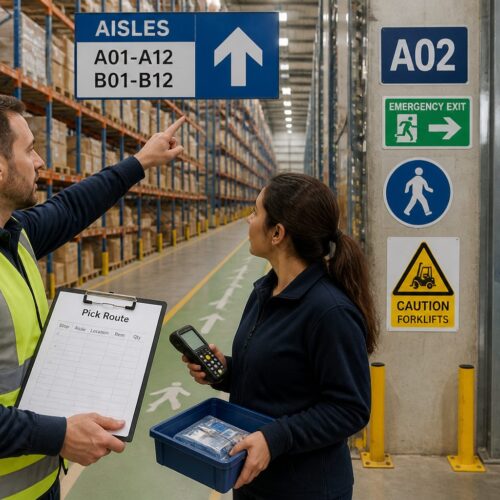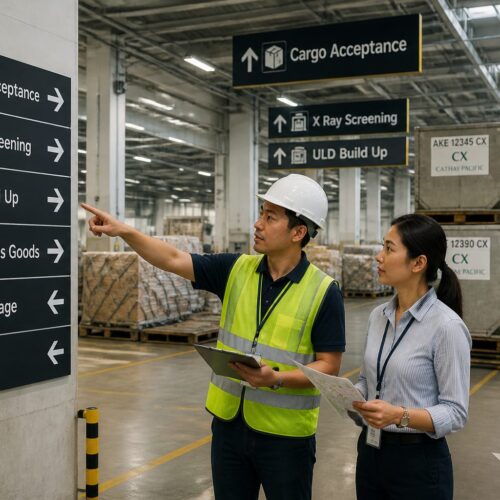

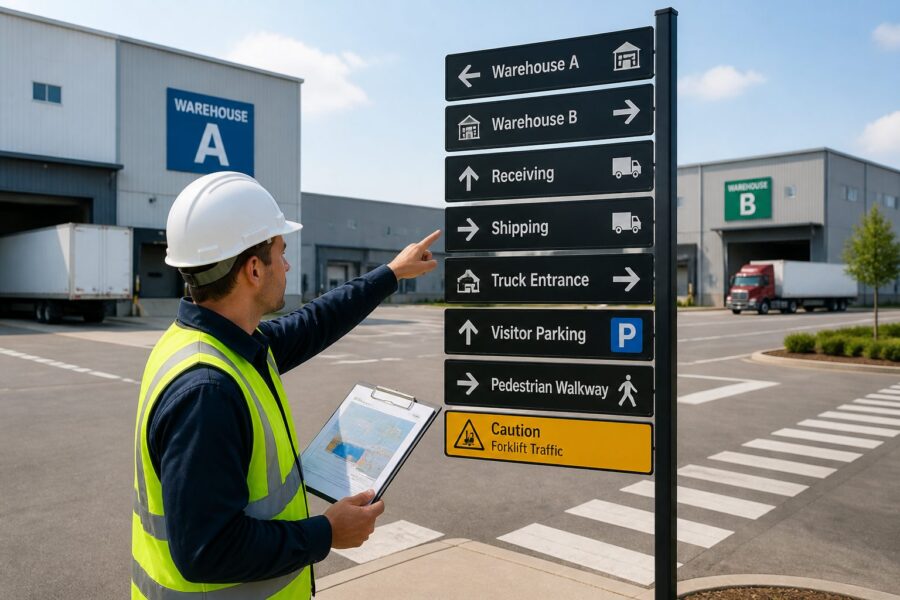
Navigating the sprawling complexes of modern logistics parks presents a unique set of challenges for drivers, visitors, and personnel alike. Efficient outdoor wayfinding for logistics parks is not merely about pointing people in the right direction; it is a critical component of operational efficiency and safety. Clear, consistent signage ensures that vehicles deliver and pick up goods without delay, minimizing congestion and confusion across vast multi-building sites.
The scale of these facilities, often encompassing multiple warehouses, administrative buildings, and extensive parking areas, demands a meticulously planned system. Without a robust outdoor wayfinding strategy, valuable time is lost, fuel consumption increases, and the risk of accidents rises significantly. Implementing effective signage transforms a potentially chaotic environment into a streamlined operation.
This article explores the essential elements of designing and implementing superior outdoor wayfinding for logistics parks. We will examine how international standards, precise labeling, and intuitive symbols contribute to creating a safer, more productive logistics environment. Understanding these principles helps facility managers optimize traffic flow and enhance the overall user experience.
The Critical Role of Clear Communication in Logistics
Effective outdoor wayfinding for logistics parks begins with clear communication. Every sign, symbol, and label must convey its message instantly and unambiguously to a diverse audience. This clarity is paramount for drivers who may not be familiar with the site, as well as for regular staff moving between different zones.
Poor communication leads to misdirection, which directly impacts delivery schedules and operational costs. Vehicles circling a large warehouse complex burn extra fuel and contribute to unnecessary emissions. A well-designed system reduces these inefficiencies significantly.
Standardized symbols and consistent labeling across all signage prevent misinterpretation, especially in multilingual environments. International standards like those from ISO provide a common visual language that transcends linguistic barriers. This universal understanding is vital in global logistics operations where personnel and drivers come from various backgrounds.
Safety is another non-negotiable aspect that relies heavily on clear communication. Warning signs, directional arrows to emergency exits, and designated pedestrian pathways all depend on immediate recognition. Ambiguous signage can place individuals in hazardous situations, particularly around heavy machinery or active loading docks.
Furthermore, clear communication extends to the numbering and naming conventions of buildings and loading bays. A logical and sequential system helps drivers quickly locate their assigned destination. This precision minimizes dwell times and keeps the flow of goods moving smoothly through the logistics park.
The initial investment in comprehensive signage pays dividends by reducing operational friction and enhancing the overall safety record. It reflects a commitment to efficiency and professionalism within the logistics sector. Companies prioritize clear communication to maintain their competitive edge and ensure smooth daily operations.
Implementing a robust communication strategy through outdoor wayfinding also improves the experience for visitors and contractors. They can navigate the site confidently, arriving at their intended destination without needing constant assistance. This positive experience reflects well on the logistics park’s management and its tenants.
Ultimately, clear communication through well-executed signage is a cornerstone of modern logistics park management. It underpins safety protocols, drives operational efficiency, and supports the seamless movement of goods and people. Investing in this area is a strategic decision for any large multi-building site.
Designing for Diverse User Needs and Vehicle Types
Designing outdoor wayfinding for logistics parks requires careful consideration of the diverse users and vehicle types that frequent these sites. Heavy goods vehicles (HGVs), vans, cars, and pedestrians all have different needs and perspectives when navigating a complex environment. Signage must cater to each of these groups effectively.
Truck drivers, for instance, need large, highly visible signs placed at appropriate heights to be seen from the cab of a tall vehicle. Pedestrians, conversely, require signs that are easily readable at eye level and clearly delineate safe walking paths. A one-size-fits-all approach simply does not work in this context.
Directional signage for HGVs must account for their turning radii and stopping distances. This means placing signs well in advance of turns and ensuring sufficient space for maneuvers. Misplaced signs can lead to dangerous situations or vehicles getting stuck in tight spots.
Separate routes for different vehicle types or for vehicles versus pedestrians enhance safety significantly. Clearly marked lanes and designated crossing points reduce the risk of collisions. These measures are especially important in high-traffic areas around loading docks and entry gates.
The use of universal symbols, often derived from ISO standards, helps bridge language barriers for international drivers. These symbols convey essential information like “no entry,” “parking,” or “pedestrian crossing” without relying on text alone. This ensures rapid comprehension regardless of a driver’s native language.
Consideration for visitors in private cars also plays a role in effective wayfinding. Clear directions to visitor parking, reception areas, and specific offices prevent confusion and improve their experience. These signs can be smaller but still need to be highly legible and strategically placed.
Accessibility for individuals with disabilities must also be integrated into the wayfinding design. This includes tactile paving, accessible routes, and appropriate signage for parking and building entrances. Inclusive design benefits everyone using the facility.
By segmenting the audience and tailoring the outdoor wayfinding solution to their specific needs, logistics parks can achieve optimal flow and safety. This thoughtful approach minimizes frustration and maximizes the efficiency of all operations. It represents a proactive stance on site management and user experience.
Leveraging ISO Standards for Universal Safety and Logistics Symbology
The International Organization for Standardization (ISO) provides a comprehensive framework for safety and logistics symbology, which is indispensable for outdoor wayfinding for logistics parks. Adopting these global standards ensures universal understanding and enhances safety across diverse workforces. ISO 7010, for example, specifies graphically represented safety signs for accident prevention, fire protection, health hazard information, and emergency evacuation.
Implementing ISO-compliant symbols means that a warning sign for a forklift crossing will be understood by a driver from any country, regardless of their linguistic background. This standardization is crucial in high-risk environments like warehouses and loading docks. Consistent labeling and symbols reduce ambiguity and improve response times in critical situations.
| ISO Standard | Purpose | Application in Logistics Parks |
|---|---|---|
| ISO 7010 | Graphical symbols for safety signs | Emergency exits, fire equipment, hazard warnings, mandatory actions |
| ISO 3864 Series | Safety colours and safety signs | Design principles for safety signs, ensuring visibility and contrast |
| ISO 20712-1 | Graphical symbols for public information signs | General directional signs, facility information, visitor guidance |
| ISO 7001 | Public information symbols | Restrooms, parking, information points, first aid stations |
| ISO 6346 | Coding, identification and marking of intermodal freight containers | Container identification, crucial for bay labeling and routing |
Integrating Digital Solutions with Physical Signage
Modern outdoor wayfinding for logistics parks increasingly integrates digital solutions with traditional physical signage. This hybrid approach offers dynamic information delivery and enhances the overall navigation experience. Digital displays can provide real-time updates on traffic conditions, bay availability, or temporary route changes.
For instance, large LED screens at entry points can direct incoming trucks to specific loading docks based on current capacity. This reduces queuing and improves turnaround times significantly. Such systems are invaluable for managing fluctuating demand in a busy warehouse environment.
Mobile applications linked to a central wayfinding system offer personalized directions directly to a driver’s device. These apps can use GPS data to guide drivers through the logistics park, even providing voice navigation. This level of detail surpasses what static signs alone can offer.
QR codes placed on physical signs can provide supplementary information, linking to maps, safety protocols, or contact details. Visitors can scan these codes with their smartphones to access more detailed guidance. This bridges the gap between the physical and digital realms seamlessly.
The integration of digital signage also allows for easier updates and modifications to wayfinding information. Instead of physically replacing signs, changes can be made instantly from a central control panel. This agility is crucial for adapting to operational changes or emergencies.
Digital displays can also cycle through multiple messages, providing more information in a compact space. They can show safety reminders, weather alerts, or general announcements pertinent to the logistics park. This maximizes the utility of each display point.
However, digital solutions should complement, not replace, robust physical signage. Static signs remain essential for fundamental directions and safety warnings, especially during power outages or technical malfunctions. A balanced approach ensures continuous guidance and safety.
The future of outdoor wayfinding for logistics parks lies in this intelligent blend of physical durability and digital dynamism. This combination creates a resilient, adaptable, and highly efficient navigation system. It empowers users with the information they need, precisely when they need it.
Strategic Placement and Visibility of Signage
The effectiveness of outdoor wayfinding for logistics parks hinges significantly on the strategic placement and visibility of every sign. A perfectly designed sign is useless if it cannot be seen or read in time by its intended audience. Proper positioning prevents confusion and ensures smooth traffic flow.
Signs must be placed at decision points, giving drivers ample time to react and maneuver their vehicles safely. This means positioning directional signs well before intersections or turns, not directly at them. Drivers of large trucks need more foresight due to their vehicle’s size and braking distance.
Visibility is also affected by environmental factors such as lighting, weather, and potential obstructions. Signs should be well-lit at night, either externally or internally, to maintain readability. Reflective materials enhance visibility in low-light conditions and adverse weather.
Avoid placing signs behind trees, utility poles, or other structures that could block the line of sight. Regular maintenance, including trimming vegetation, keeps signs clear and visible year-round. This proactive approach prevents visual interference and maintains sign integrity.
Consider the height of the sign relative to the user. Signs intended for truck drivers need to be higher than those for pedestrians or car drivers. Consistent height across similar types of signs also aids in predictability and recognition.
The size of the lettering and symbols on the signs must be appropriate for the viewing distance and speed of approach. Larger text and bolder symbols are necessary for signs meant to be read from a greater distance or by fast-moving vehicles. This ensures legibility without strain.
Repetition of key directional information can also be beneficial, especially on long routes or through complex areas. Reinforcing directions at intervals helps confirm users are on the correct path. This builds confidence and reduces anxiety for unfamiliar visitors.
Finally, consistency in design and placement throughout the entire logistics park reinforces the wayfinding system. When signs look and feel consistent, users instinctively understand how to interpret them. This creates a cohesive and intuitive navigation experience across the entire large multi-building site.
Material Selection and Durability for Outdoor Environments
Selecting the right materials for outdoor wayfinding for logistics parks is paramount for ensuring longevity, durability, and cost-effectiveness. Signs must withstand harsh weather conditions, potential impacts, and constant exposure to industrial environments. The choice of material directly influences a sign’s lifespan and maintenance requirements.
High-quality aluminum is a popular choice due to its corrosion resistance, lightweight nature, and strength. It provides an excellent base for various graphic applications and stands up well against the elements. Steel, while heavier, offers superior impact resistance for critical areas.
- Weather resistance: UV, rain, snow, extreme temperatures
- Impact resistance: Accidental vehicle collisions, vandalism
- Corrosion resistance: Exposure to chemicals, salt, pollutants
- Longevity: Minimum 5-10 year lifespan expected
- Maintenance ease: Simple cleaning, minimal repairs
- Reflectivity: High visibility day and night
- Cost-effectiveness: Balancing initial outlay with long-term value
Ensuring Safety Through Dedicated Pedestrian and Vehicle Routes
A fundamental aspect of effective outdoor wayfinding for logistics parks involves the clear separation of pedestrian and vehicle traffic. This dedicated routing is a critical safety measure, minimizing the risk of accidents in busy industrial environments. Collisions between vehicles and pedestrians can have severe consequences, making prevention a top priority.
Clearly marked pedestrian pathways, often delineated by painted lines, contrasting surfaces, or physical barriers, guide individuals safely through the site. These pathways should lead directly to building entrances, break areas, and designated crossing points. Consistent labeling and symbols ensure pedestrians understand their designated routes.
Vehicle routes, conversely, should be wide enough to accommodate large trucks and equipped with appropriate signage for speed limits and directional guidance. These routes must avoid areas with high pedestrian traffic wherever possible. This spatial separation is key to preventing hazardous interactions.
At points where pedestrian and vehicle routes must intersect, robust safety measures are essential. These include clearly marked crosswalks, flashing beacons, stop signs for vehicles, and potentially even crossing gates. The use of bright, high-contrast colors for these areas enhances visibility.
Warning signs, such as “Watch for Forklifts” or “Pedestrian Crossing Ahead,” should be strategically placed to alert both drivers and pedestrians. These signs often utilize ISO 7010 safety symbols for universal understanding. Reinforcing safety messages through consistent labeling is crucial.
Implementing speed bumps or rumble strips in areas with mixed traffic can encourage drivers to reduce their speed. These physical deterrents serve as an additional layer of safety in zones where vigilance is particularly important. They complement visual signage effectively.
Regular safety audits help identify potential conflict points and areas where existing signage or routing might be inadequate. Feedback from employees and drivers provides valuable insights into areas needing improvement. Continuous evaluation ensures the system remains effective over time.
By meticulously planning and implementing dedicated routes, logistics parks can significantly reduce the potential for accidents and create a much safer environment for everyone. This commitment to safety not only protects lives but also contributes to a more efficient and compliant operation. It is an investment in both human well-being and operational integrity.
Maintenance and Adaptability of Wayfinding Solutions
The long-term effectiveness of outdoor wayfinding for logistics parks relies heavily on ongoing maintenance and the system’s adaptability. Signs degrade over time due to weather, vandalism, or accidental damage, and operational needs can change. A static, unmaintained system quickly becomes ineffective and potentially dangerous.
Regular inspections are essential to identify faded, damaged, or obstructed signs. Faded colors reduce readability, while damaged signs can present physical hazards. Prompt repair or replacement ensures the integrity of the entire wayfinding system.
Cleaning signs periodically removes dirt, grime, and environmental buildup that can obscure messages. This simple maintenance task significantly extends the life and effectiveness of signage. A clean sign is a readable sign, even in challenging lighting conditions.
Vegetation growth, such as overgrown bushes or tree branches, often obstructs signs. Regular landscaping and trimming around signposts maintain clear sightlines. This proactive approach prevents signs from becoming hidden or less effective.
Logistics parks are dynamic environments; new warehouses might be built, traffic patterns could change, or a new tenant might require specific directions. The wayfinding system must be adaptable to these evolving needs. A modular design allows for easier updates and expansions.
Digital signage offers inherent adaptability, allowing for instant updates to information without physical intervention. However, even physical signs should be designed with future modifications in mind. Standardized mounting systems and interchangeable panels can simplify updates.
Maintaining accurate and up-to-date site maps, both physical and digital, is also crucial. These maps should reflect any changes in building layouts, road networks, or operational zones. Consistent labeling across all mapping resources reinforces the wayfinding system.
Investing in durable, high-quality materials from the outset reduces the frequency of major repairs, but regular minor maintenance remains critical. A well-maintained wayfinding system reflects a commitment to operational excellence and safety. It ensures the logistics park remains efficient and user-friendly for years to come.
The Economic Impact of Optimized Logistics Flow
Optimized outdoor wayfinding for logistics parks has a significant positive economic impact, translating directly into cost savings and increased profitability. Efficient traffic flow and reduced navigational errors contribute to a leaner, more productive operation. Every minute saved in navigating a large multi-building site adds up to substantial gains.
Reduced dwell times for trucks at loading docks mean faster turnaround, allowing more deliveries and pickups per day. This maximizes the utilization of valuable resources like vehicles, drivers, and loading bay personnel. The ripple effect boosts overall supply chain efficiency.
Fuel consumption decreases when drivers spend less time circling to find their destination. This directly lowers operational costs and contributes to environmental sustainability goals. Minimizing unnecessary idling also reduces emissions, aligning with corporate responsibility initiatives.
Fewer accidents and incidents, a direct benefit of clear safety signage and dedicated routes, lead to lower insurance premiums and reduced repair costs. The avoidance of injuries also prevents costly downtime and legal liabilities. Safety is not just a moral imperative, but an economic one.
Improved driver satisfaction and reduced stress levels also have an economic benefit. Drivers who can easily navigate a logistics park are more likely to have positive experiences, leading to better relationships with carriers and potentially faster service. This enhances the park’s reputation.
The efficiency gained through superior wayfinding attracts more tenants and businesses to the logistics park. Companies seek locations that offer streamlined operations and reliable infrastructure. A well-managed park becomes a desirable hub for logistics activities.
Reduced administrative burden for staff who spend less time redirecting lost drivers or answering basic navigational questions frees them for more critical tasks. This optimizes labor costs and improves overall employee productivity. Every department benefits from a self-sufficient navigation system.
Ultimately, the initial investment in a robust outdoor wayfinding system yields a strong return on investment through enhanced efficiency, reduced costs, and improved safety. It transforms a complex logistics park into a highly functional and economically viable enterprise. This strategic approach underpins long-term success in the competitive logistics industry.
Future Trends in Logistics Park Signage and Symbology
The field of outdoor wayfinding for logistics parks is continuously evolving, driven by technological advancements and the increasing demands for efficiency and safety. Future trends point towards more integrated, intelligent, and sustainable signage solutions. These innovations promise to further streamline operations and enhance user experience.
Augmented Reality (AR) navigation is one promising trend, where drivers or pedestrians can use their smartphones or smart glasses to overlay digital directions onto the real-world environment. This provides highly personalized and intuitive guidance. AR can highlight specific loading bays or pedestrian crossings in real-time.
The integration of IoT (Internet of Things) sensors with signage can provide real-time data on traffic flow, parking availability, or environmental conditions. This data can then dynamically update digital signs or mobile applications. Such smart systems offer unparalleled responsiveness to changing conditions within the logistics park.
Voice-activated navigation systems, similar to in-car GPS, could become more prevalent for outdoor wayfinding. Users could simply speak their destination, and the system would provide auditory directions. This hands-free approach enhances safety by allowing drivers to keep their eyes on the road.
More advanced predictive analytics will help logistics parks anticipate traffic bottlenecks and proactively reroute vehicles before congestion occurs. This relies on historical data combined with real-time inputs from various sensors. Such foresight optimizes overall logistics flow and reduces delays.
Sustainable materials and energy-efficient lighting solutions will become standard for physical signage. Solar-powered illuminated signs and recycled composite materials reduce the environmental footprint of wayfinding infrastructure. This aligns with broader corporate sustainability goals.
The continuous refinement of international standards for symbols and labeling will ensure greater consistency and clarity globally. As logistics networks become more interconnected, universal understanding of safety and directional cues becomes even more critical. ISO standards will continue to play a foundational role in this evolution.
Finally, personalized wayfinding experiences, tailored to individual user profiles or vehicle types, will become more sophisticated. A driver with a specific delivery manifest could receive a custom route directly to their designated bay. These innovations promise to make outdoor wayfinding for logistics parks even more intuitive, efficient, and safe in the years to come.
Implementing a Comprehensive Wayfinding Strategy
Implementing a comprehensive outdoor wayfinding for logistics parks requires a strategic, multi-faceted approach. It extends beyond simply putting up signs; it involves meticulous planning, adherence to standards, and continuous evaluation. A well-executed strategy creates an environment where efficiency and safety are paramount.
Begin with a thorough site audit to understand existing traffic patterns, pedestrian routes, and potential conflict zones. This initial assessment identifies areas of confusion or inefficiency that the new wayfinding system must address. Engaging with drivers and facility staff provides invaluable insights.
Develop a clear hierarchy of information, distinguishing between primary directional guidance, safety warnings, and secondary information like parking. This ensures that the most critical messages are prominent and easily understood. Consistent labeling and symbols across all levels of information are essential.
Adhere strictly to international standards, particularly ISO guidelines for safety signs and symbols. This commitment to standardization ensures universal understanding and compliance with best practices. It builds a foundation of clarity that transcends language barriers.
Integrate both physical and digital elements into the strategy, leveraging the strengths of each. Physical signs provide constant, reliable guidance, while digital displays offer dynamic, real-time updates. This hybrid approach creates a resilient and responsive system.
Prioritize safety by clearly separating pedestrian and vehicle traffic, marking hazardous areas, and ensuring all safety warnings are highly visible. This proactive stance on safety protects personnel and prevents costly accidents. Safety is always the primary concern in a busy warehouse environment.
Select durable, high-quality materials for all outdoor signage to withstand the rigors of the logistics environment. Investing in robust materials reduces maintenance frequency and ensures the longevity of the system. This foresight saves money in the long run.
Establish a robust maintenance schedule for all signage, including cleaning, repairs, and updates. A well-maintained system remains effective and reflects positively on the logistics park’s management. Regular checks prevent degradation and ensure ongoing functionality.
Finally, continuously evaluate the effectiveness of the wayfinding system through feedback and performance metrics. Be prepared to adapt and refine the strategy as operational needs evolve or new technologies emerge. This iterative process ensures the system remains optimal for the logistics park.
The Indispensable Value of Expert Wayfinding Design
The indispensable value of expert wayfinding design for logistics parks cannot be overstated in today’s fast-paced supply chain environment. A professionally designed system is not just an aesthetic enhancement; it is a fundamental operational tool that drives efficiency, safety, and profitability. Expert designers bring specialized knowledge of human factors, traffic engineering, and international standards.
These experts understand the nuances of designing for diverse user groups, from international truck drivers to internal warehouse staff. They know how to create a coherent visual language that is intuitive and universally understood. This expertise is critical for large multi-building sites with complex layouts.
Specialized designers ensure compliance with relevant safety standards, such as ISO 7010, which is vital for accident prevention. They meticulously plan the placement, sizing, and illumination of signs to maximize visibility and impact. This precision minimizes the risk of misinterpretation and hazardous situations.
An expert approach considers the entire user journey, from the moment a vehicle enters the logistics park to its departure. They design a logical progression of information that guides users seamlessly through each decision point. This holistic view prevents navigational dead ends and reduces frustration.
They also advise on the most appropriate materials and construction methods for maximum durability and minimal maintenance in harsh outdoor conditions. This foresight in material selection translates into long-term cost savings and sustained performance. Investing in quality from the start pays dividends.
Furthermore, experts can integrate digital wayfinding solutions, such as dynamic displays and mobile apps, with physical signage for a synergistic system. They understand how to leverage technology to provide real-time information and enhance the user experience. This blend of traditional and modern approaches creates a robust system.
The economic benefits derived from optimized logistics flow, reduced operational costs, and enhanced safety directly reflect the quality of the wayfinding design. A well-designed system reduces delays, fuel consumption, and the likelihood of costly incidents. This positive impact directly affects the bottom line of the warehouse and its tenants.
Ultimately, engaging expert wayfinding designers is an investment in the operational excellence and future success of any logistics park. Their specialized knowledge ensures that the signage system is not only effective but also adaptable and sustainable. This professional input transforms a complex site into a model of efficiency and safety for all users.