
The Role of Technology in Modern Warehouse Signage
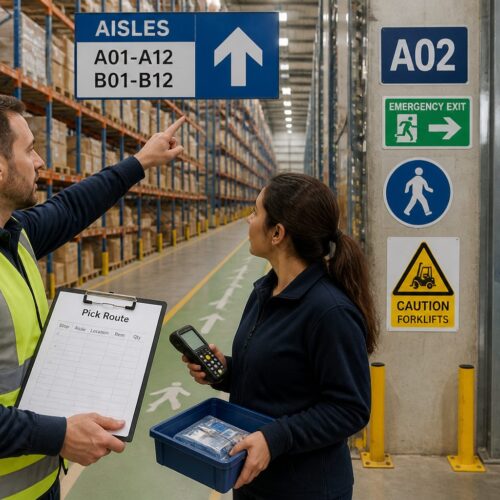
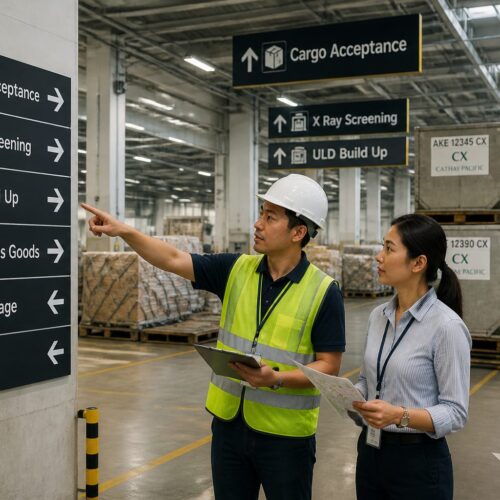
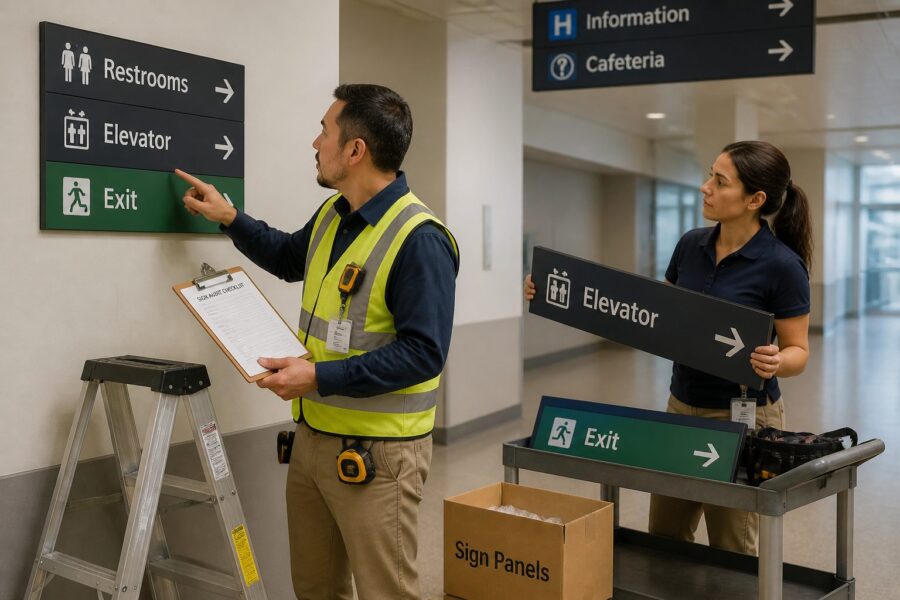
Technology is revolutionizing how we approach signage, particularly in dynamic environments like a modern warehouse. Beyond static signs, advanced solutions offer real-time adaptability and enhanced data integration, significantly improving safety and logistics. These innovations streamline wayfinding sign maintenance.
Automated guided vehicles (AGVs) and autonomous mobile robots (AMRs) rely heavily on precise floor markings and digital signals for navigation. Integrating these robotic pathways into your wayfinding system ensures seamless operation alongside human traffic. This requires careful planning and robust labeling.
Projected signage, which uses high-intensity projectors to display warnings or directions onto floors or walls, offers immense flexibility. These virtual signs can be changed instantly, moved easily, and are impervious to physical damage, reducing traditional wayfinding sign maintenance needs in certain areas. They are highly visible and durable.
IoT-enabled sensors can monitor environmental conditions, triggering specific safety warnings on digital displays when thresholds are exceeded. For example, a gas leak sensor could activate an evacuation message on nearby screens. This real-time responsiveness enhances overall facility safety.
Data analytics from traffic flow patterns and incident reports can inform optimal sign placement and design, making your wayfinding system data-driven. Understanding how people navigate helps refine your signage for maximum effectiveness. This intelligent approach transforms wayfinding sign maintenance from reactive to predictive.
Conclusion: The Ongoing Commitment to Clear Communication
Effective wayfinding is a critical element of any well-managed facility, directly impacting safety, efficiency, and operational flow. A proactive and systematic approach to wayfinding sign maintenance ensures that your communication system remains clear, accurate, and compliant. This ongoing commitment protects your people and your productivity.
From initial audits and adherence to ISO standards to strategic material selection and integrating new technologies, every step contributes to a robust wayfinding system. Remember that the goal is not just to have signs, but to have signs that truly guide, inform, and protect. Your wayfinding signs are a silent, yet powerful, voice in your facility.
By consistently auditing, replacing, and updating your labeling and symbols, you foster an environment where everyone can navigate confidently and safely. This dedication to clear communication is an investment that pays dividends in reduced accidents, improved logistics, and enhanced operational harmony. Maintain your wayfinding system with the seriousness it deserves.
Long-Term Strategies for Continuous Wayfinding Sign Maintenance
Wayfinding sign maintenance is not a one-time project; it is an ongoing process that requires a dedicated long-term strategy. Establishing a systematic approach ensures your signs remain effective, compliant, and up-to-date over time. This continuous effort protects your investment and maintains safety.
Implement a scheduled inspection program, perhaps quarterly or bi-annually, to check for wear and tear, fading, or damage to all signs. Assign responsibility for these inspections to a specific team or individual. Regular checks catch problems before they escalate.
Establish a clear reporting mechanism for damaged or missing signs, allowing any employee to quickly flag issues. Prompt repair or replacement is crucial for maintaining the integrity of your wayfinding system. This empowers the entire workforce to contribute to safety.
Budgeting for wayfinding sign maintenance, including replacement materials and labor, should be a regular line item in your operational expenses. Anticipating these costs prevents reactive, emergency spending and ensures resources are available when needed. Proactive budgeting supports consistent upkeep.
Maintain a digital inventory of all signs, including their location, type, installation date, and maintenance history. This database simplifies tracking, planning, and auditing, making your wayfinding sign maintenance program more efficient. It provides valuable data for future planning.
The Role of Technology in Modern Warehouse Signage
Technology is revolutionizing how we approach signage, particularly in dynamic environments like a modern warehouse. Beyond static signs, advanced solutions offer real-time adaptability and enhanced data integration, significantly improving safety and logistics. These innovations streamline wayfinding sign maintenance.
Automated guided vehicles (AGVs) and autonomous mobile robots (AMRs) rely heavily on precise floor markings and digital signals for navigation. Integrating these robotic pathways into your wayfinding system ensures seamless operation alongside human traffic. This requires careful planning and robust labeling.
Projected signage, which uses high-intensity projectors to display warnings or directions onto floors or walls, offers immense flexibility. These virtual signs can be changed instantly, moved easily, and are impervious to physical damage, reducing traditional wayfinding sign maintenance needs in certain areas. They are highly visible and durable.
IoT-enabled sensors can monitor environmental conditions, triggering specific safety warnings on digital displays when thresholds are exceeded. For example, a gas leak sensor could activate an evacuation message on nearby screens. This real-time responsiveness enhances overall facility safety.
Data analytics from traffic flow patterns and incident reports can inform optimal sign placement and design, making your wayfinding system data-driven. Understanding how people navigate helps refine your signage for maximum effectiveness. This intelligent approach transforms wayfinding sign maintenance from reactive to predictive.
Conclusion: The Ongoing Commitment to Clear Communication
Effective wayfinding is a critical element of any well-managed facility, directly impacting safety, efficiency, and operational flow. A proactive and systematic approach to wayfinding sign maintenance ensures that your communication system remains clear, accurate, and compliant. This ongoing commitment protects your people and your productivity.
From initial audits and adherence to ISO standards to strategic material selection and integrating new technologies, every step contributes to a robust wayfinding system. Remember that the goal is not just to have signs, but to have signs that truly guide, inform, and protect. Your wayfinding signs are a silent, yet powerful, voice in your facility.
By consistently auditing, replacing, and updating your labeling and symbols, you foster an environment where everyone can navigate confidently and safely. This dedication to clear communication is an investment that pays dividends in reduced accidents, improved logistics, and enhanced operational harmony. Maintain your wayfinding system with the seriousness it deserves.
Training Staff on New Signage and Symbols
Even the most perfectly designed and maintained wayfinding system is ineffective if personnel do not understand its language. Whenever you implement significant updates, introduce new symbols, or change facility layouts, comprehensive staff training is absolutely essential. This ensures everyone can correctly interpret the safety and logistics information.
Training should cover the meaning of new ISO symbols, changes in traffic flow, locations of new safety equipment, and emergency exit routes. This proactive education minimizes confusion and maximizes the safety benefits of your wayfinding sign maintenance efforts. It builds confidence and competence.
In a warehouse environment, for instance, new labeling for specific product storage zones or updated symbols for automated machinery require clear communication. Operators need to understand these changes immediately to maintain efficiency and avoid accidents. Effective training closes the knowledge gap.
Consider different training methods, including visual aids, interactive sessions, and even practical walk-throughs of the facility. Providing accessible reference materials, such as laminated guides or digital resources, can also reinforce learning. Repetition and varied formats help solidify understanding.
Regular refresher training, especially for new hires or after major system overhauls, helps maintain a high level of awareness and compliance. This ongoing commitment to education is a vital, often overlooked, component of successful wayfinding sign maintenance. It ensures your investment in signage pays off.
Long-Term Strategies for Continuous Wayfinding Sign Maintenance
Wayfinding sign maintenance is not a one-time project; it is an ongoing process that requires a dedicated long-term strategy. Establishing a systematic approach ensures your signs remain effective, compliant, and up-to-date over time. This continuous effort protects your investment and maintains safety.
Implement a scheduled inspection program, perhaps quarterly or bi-annually, to check for wear and tear, fading, or damage to all signs. Assign responsibility for these inspections to a specific team or individual. Regular checks catch problems before they escalate.
Establish a clear reporting mechanism for damaged or missing signs, allowing any employee to quickly flag issues. Prompt repair or replacement is crucial for maintaining the integrity of your wayfinding system. This empowers the entire workforce to contribute to safety.
Budgeting for wayfinding sign maintenance, including replacement materials and labor, should be a regular line item in your operational expenses. Anticipating these costs prevents reactive, emergency spending and ensures resources are available when needed. Proactive budgeting supports consistent upkeep.
Maintain a digital inventory of all signs, including their location, type, installation date, and maintenance history. This database simplifies tracking, planning, and auditing, making your wayfinding sign maintenance program more efficient. It provides valuable data for future planning.
The Role of Technology in Modern Warehouse Signage
Technology is revolutionizing how we approach signage, particularly in dynamic environments like a modern warehouse. Beyond static signs, advanced solutions offer real-time adaptability and enhanced data integration, significantly improving safety and logistics. These innovations streamline wayfinding sign maintenance.
Automated guided vehicles (AGVs) and autonomous mobile robots (AMRs) rely heavily on precise floor markings and digital signals for navigation. Integrating these robotic pathways into your wayfinding system ensures seamless operation alongside human traffic. This requires careful planning and robust labeling.
Projected signage, which uses high-intensity projectors to display warnings or directions onto floors or walls, offers immense flexibility. These virtual signs can be changed instantly, moved easily, and are impervious to physical damage, reducing traditional wayfinding sign maintenance needs in certain areas. They are highly visible and durable.
IoT-enabled sensors can monitor environmental conditions, triggering specific safety warnings on digital displays when thresholds are exceeded. For example, a gas leak sensor could activate an evacuation message on nearby screens. This real-time responsiveness enhances overall facility safety.
Data analytics from traffic flow patterns and incident reports can inform optimal sign placement and design, making your wayfinding system data-driven. Understanding how people navigate helps refine your signage for maximum effectiveness. This intelligent approach transforms wayfinding sign maintenance from reactive to predictive.
Conclusion: The Ongoing Commitment to Clear Communication
Effective wayfinding is a critical element of any well-managed facility, directly impacting safety, efficiency, and operational flow. A proactive and systematic approach to wayfinding sign maintenance ensures that your communication system remains clear, accurate, and compliant. This ongoing commitment protects your people and your productivity.
From initial audits and adherence to ISO standards to strategic material selection and integrating new technologies, every step contributes to a robust wayfinding system. Remember that the goal is not just to have signs, but to have signs that truly guide, inform, and protect. Your wayfinding signs are a silent, yet powerful, voice in your facility.
By consistently auditing, replacing, and updating your labeling and symbols, you foster an environment where everyone can navigate confidently and safely. This dedication to clear communication is an investment that pays dividends in reduced accidents, improved logistics, and enhanced operational harmony. Maintain your wayfinding system with the seriousness it deserves.
Ensuring Compliance: Regulatory Frameworks and Best Practices
Compliance with local, national, and international regulatory frameworks is not optional; it is a legal and ethical imperative for any facility. Your wayfinding sign maintenance program must systematically address these requirements to avoid penalties and ensure a safe working environment. This involves understanding various standards and guidelines.
Beyond ISO standards, organizations like OSHA in the United States or equivalent bodies in other regions set specific rules for safety signs, colors, and symbols. These regulations often dictate minimum sign sizes, placement, and visibility requirements. Regular audits ensure adherence to these critical guidelines.
Best practices extend beyond mere compliance, focusing on optimizing the effectiveness of your signage for real-world scenarios. This includes considering human factors like cognitive load, visual acuity, and response times in emergency situations. A well-designed system anticipates human behavior.
Documenting your wayfinding sign maintenance procedures and audit results provides a clear record of your commitment to safety and compliance. This documentation is invaluable during inspections and helps demonstrate due diligence. It also supports continuous improvement efforts.
Engaging with safety experts or consultants can help identify specific regulatory nuances applicable to your industry and location. Their insights can be crucial in developing a robust and fully compliant wayfinding system. This expert guidance ensures your safety and logistics signage is beyond reproach.
Training Staff on New Signage and Symbols
Even the most perfectly designed and maintained wayfinding system is ineffective if personnel do not understand its language. Whenever you implement significant updates, introduce new symbols, or change facility layouts, comprehensive staff training is absolutely essential. This ensures everyone can correctly interpret the safety and logistics information.
Training should cover the meaning of new ISO symbols, changes in traffic flow, locations of new safety equipment, and emergency exit routes. This proactive education minimizes confusion and maximizes the safety benefits of your wayfinding sign maintenance efforts. It builds confidence and competence.
In a warehouse environment, for instance, new labeling for specific product storage zones or updated symbols for automated machinery require clear communication. Operators need to understand these changes immediately to maintain efficiency and avoid accidents. Effective training closes the knowledge gap.
Consider different training methods, including visual aids, interactive sessions, and even practical walk-throughs of the facility. Providing accessible reference materials, such as laminated guides or digital resources, can also reinforce learning. Repetition and varied formats help solidify understanding.
Regular refresher training, especially for new hires or after major system overhauls, helps maintain a high level of awareness and compliance. This ongoing commitment to education is a vital, often overlooked, component of successful wayfinding sign maintenance. It ensures your investment in signage pays off.
Long-Term Strategies for Continuous Wayfinding Sign Maintenance
Wayfinding sign maintenance is not a one-time project; it is an ongoing process that requires a dedicated long-term strategy. Establishing a systematic approach ensures your signs remain effective, compliant, and up-to-date over time. This continuous effort protects your investment and maintains safety.
Implement a scheduled inspection program, perhaps quarterly or bi-annually, to check for wear and tear, fading, or damage to all signs. Assign responsibility for these inspections to a specific team or individual. Regular checks catch problems before they escalate.
Establish a clear reporting mechanism for damaged or missing signs, allowing any employee to quickly flag issues. Prompt repair or replacement is crucial for maintaining the integrity of your wayfinding system. This empowers the entire workforce to contribute to safety.
Budgeting for wayfinding sign maintenance, including replacement materials and labor, should be a regular line item in your operational expenses. Anticipating these costs prevents reactive, emergency spending and ensures resources are available when needed. Proactive budgeting supports consistent upkeep.
Maintain a digital inventory of all signs, including their location, type, installation date, and maintenance history. This database simplifies tracking, planning, and auditing, making your wayfinding sign maintenance program more efficient. It provides valuable data for future planning.
The Role of Technology in Modern Warehouse Signage
Technology is revolutionizing how we approach signage, particularly in dynamic environments like a modern warehouse. Beyond static signs, advanced solutions offer real-time adaptability and enhanced data integration, significantly improving safety and logistics. These innovations streamline wayfinding sign maintenance.
Automated guided vehicles (AGVs) and autonomous mobile robots (AMRs) rely heavily on precise floor markings and digital signals for navigation. Integrating these robotic pathways into your wayfinding system ensures seamless operation alongside human traffic. This requires careful planning and robust labeling.
Projected signage, which uses high-intensity projectors to display warnings or directions onto floors or walls, offers immense flexibility. These virtual signs can be changed instantly, moved easily, and are impervious to physical damage, reducing traditional wayfinding sign maintenance needs in certain areas. They are highly visible and durable.
IoT-enabled sensors can monitor environmental conditions, triggering specific safety warnings on digital displays when thresholds are exceeded. For example, a gas leak sensor could activate an evacuation message on nearby screens. This real-time responsiveness enhances overall facility safety.
Data analytics from traffic flow patterns and incident reports can inform optimal sign placement and design, making your wayfinding system data-driven. Understanding how people navigate helps refine your signage for maximum effectiveness. This intelligent approach transforms wayfinding sign maintenance from reactive to predictive.
Conclusion: The Ongoing Commitment to Clear Communication
Effective wayfinding is a critical element of any well-managed facility, directly impacting safety, efficiency, and operational flow. A proactive and systematic approach to wayfinding sign maintenance ensures that your communication system remains clear, accurate, and compliant. This ongoing commitment protects your people and your productivity.
From initial audits and adherence to ISO standards to strategic material selection and integrating new technologies, every step contributes to a robust wayfinding system. Remember that the goal is not just to have signs, but to have signs that truly guide, inform, and protect. Your wayfinding signs are a silent, yet powerful, voice in your facility.
By consistently auditing, replacing, and updating your labeling and symbols, you foster an environment where everyone can navigate confidently and safely. This dedication to clear communication is an investment that pays dividends in reduced accidents, improved logistics, and enhanced operational harmony. Maintain your wayfinding system with the seriousness it deserves.
Integrating Digital Solutions with Physical Signage
Modern wayfinding systems increasingly blend traditional physical signs with innovative digital solutions. This integration offers enhanced flexibility, real-time updates, and interactive capabilities that static signs alone cannot provide. Consider how digital elements can complement your physical wayfinding sign maintenance strategy.
Digital displays can show dynamic information like current dock availability, real-time traffic conditions within a warehouse, or urgent safety alerts. These screens can be updated instantly from a central control system, providing immediate communication. This capability is especially useful in fast-paced logistics environments.
QR codes or NFC tags on physical signs can link users to detailed maps, safety data sheets, or specific instructions on their mobile devices. This provides an additional layer of information and interactivity, enriching the wayfinding experience. It also reduces the need for overly cluttered physical signs.
For large facilities, interactive kiosks can offer personalized directions to specific locations, complete with estimated travel times. These digital tools can significantly improve visitor experience and operational efficiency, especially in complex environments. They act as dynamic information hubs.
While digital solutions offer many advantages, they should augment, not replace, essential physical safety signs. Emergency exits and critical hazard warnings must always remain clearly visible and functional, even during power outages. A balanced approach ensures comprehensive and resilient wayfinding sign maintenance.
Ensuring Compliance: Regulatory Frameworks and Best Practices
Compliance with local, national, and international regulatory frameworks is not optional; it is a legal and ethical imperative for any facility. Your wayfinding sign maintenance program must systematically address these requirements to avoid penalties and ensure a safe working environment. This involves understanding various standards and guidelines.
Beyond ISO standards, organizations like OSHA in the United States or equivalent bodies in other regions set specific rules for safety signs, colors, and symbols. These regulations often dictate minimum sign sizes, placement, and visibility requirements. Regular audits ensure adherence to these critical guidelines.
Best practices extend beyond mere compliance, focusing on optimizing the effectiveness of your signage for real-world scenarios. This includes considering human factors like cognitive load, visual acuity, and response times in emergency situations. A well-designed system anticipates human behavior.
Documenting your wayfinding sign maintenance procedures and audit results provides a clear record of your commitment to safety and compliance. This documentation is invaluable during inspections and helps demonstrate due diligence. It also supports continuous improvement efforts.
Engaging with safety experts or consultants can help identify specific regulatory nuances applicable to your industry and location. Their insights can be crucial in developing a robust and fully compliant wayfinding system. This expert guidance ensures your safety and logistics signage is beyond reproach.
Training Staff on New Signage and Symbols
Even the most perfectly designed and maintained wayfinding system is ineffective if personnel do not understand its language. Whenever you implement significant updates, introduce new symbols, or change facility layouts, comprehensive staff training is absolutely essential. This ensures everyone can correctly interpret the safety and logistics information.
Training should cover the meaning of new ISO symbols, changes in traffic flow, locations of new safety equipment, and emergency exit routes. This proactive education minimizes confusion and maximizes the safety benefits of your wayfinding sign maintenance efforts. It builds confidence and competence.
In a warehouse environment, for instance, new labeling for specific product storage zones or updated symbols for automated machinery require clear communication. Operators need to understand these changes immediately to maintain efficiency and avoid accidents. Effective training closes the knowledge gap.
Consider different training methods, including visual aids, interactive sessions, and even practical walk-throughs of the facility. Providing accessible reference materials, such as laminated guides or digital resources, can also reinforce learning. Repetition and varied formats help solidify understanding.
Regular refresher training, especially for new hires or after major system overhauls, helps maintain a high level of awareness and compliance. This ongoing commitment to education is a vital, often overlooked, component of successful wayfinding sign maintenance. It ensures your investment in signage pays off.
Long-Term Strategies for Continuous Wayfinding Sign Maintenance
Wayfinding sign maintenance is not a one-time project; it is an ongoing process that requires a dedicated long-term strategy. Establishing a systematic approach ensures your signs remain effective, compliant, and up-to-date over time. This continuous effort protects your investment and maintains safety.
Implement a scheduled inspection program, perhaps quarterly or bi-annually, to check for wear and tear, fading, or damage to all signs. Assign responsibility for these inspections to a specific team or individual. Regular checks catch problems before they escalate.
Establish a clear reporting mechanism for damaged or missing signs, allowing any employee to quickly flag issues. Prompt repair or replacement is crucial for maintaining the integrity of your wayfinding system. This empowers the entire workforce to contribute to safety.
Budgeting for wayfinding sign maintenance, including replacement materials and labor, should be a regular line item in your operational expenses. Anticipating these costs prevents reactive, emergency spending and ensures resources are available when needed. Proactive budgeting supports consistent upkeep.
Maintain a digital inventory of all signs, including their location, type, installation date, and maintenance history. This database simplifies tracking, planning, and auditing, making your wayfinding sign maintenance program more efficient. It provides valuable data for future planning.
The Role of Technology in Modern Warehouse Signage
Technology is revolutionizing how we approach signage, particularly in dynamic environments like a modern warehouse. Beyond static signs, advanced solutions offer real-time adaptability and enhanced data integration, significantly improving safety and logistics. These innovations streamline wayfinding sign maintenance.
Automated guided vehicles (AGVs) and autonomous mobile robots (AMRs) rely heavily on precise floor markings and digital signals for navigation. Integrating these robotic pathways into your wayfinding system ensures seamless operation alongside human traffic. This requires careful planning and robust labeling.
Projected signage, which uses high-intensity projectors to display warnings or directions onto floors or walls, offers immense flexibility. These virtual signs can be changed instantly, moved easily, and are impervious to physical damage, reducing traditional wayfinding sign maintenance needs in certain areas. They are highly visible and durable.
IoT-enabled sensors can monitor environmental conditions, triggering specific safety warnings on digital displays when thresholds are exceeded. For example, a gas leak sensor could activate an evacuation message on nearby screens. This real-time responsiveness enhances overall facility safety.
Data analytics from traffic flow patterns and incident reports can inform optimal sign placement and design, making your wayfinding system data-driven. Understanding how people navigate helps refine your signage for maximum effectiveness. This intelligent approach transforms wayfinding sign maintenance from reactive to predictive.
Conclusion: The Ongoing Commitment to Clear Communication
Effective wayfinding is a critical element of any well-managed facility, directly impacting safety, efficiency, and operational flow. A proactive and systematic approach to wayfinding sign maintenance ensures that your communication system remains clear, accurate, and compliant. This ongoing commitment protects your people and your productivity.
From initial audits and adherence to ISO standards to strategic material selection and integrating new technologies, every step contributes to a robust wayfinding system. Remember that the goal is not just to have signs, but to have signs that truly guide, inform, and protect. Your wayfinding signs are a silent, yet powerful, voice in your facility.
By consistently auditing, replacing, and updating your labeling and symbols, you foster an environment where everyone can navigate confidently and safely. This dedication to clear communication is an investment that pays dividends in reduced accidents, improved logistics, and enhanced operational harmony. Maintain your wayfinding system with the seriousness it deserves.
Updating Your System: Incorporating New Safety and Logistics Requirements
Operational environments are dynamic, with new safety protocols, equipment, or facility layouts emerging constantly. Your wayfinding system must adapt to these changes, ensuring that all signage reflects the most current safety and logistics information. This continuous adaptation is a core aspect of effective wayfinding sign maintenance.
Regularly review your system against new regulatory updates or internal operational shifts to ensure your signs remain relevant and accurate. Proactive updates prevent confusion and maintain high safety standards. This ensures your labeling and symbols always guide people correctly.
- Integrate new hazard warnings and PPE requirements
- Update directional signs for revised traffic flow patterns
- Add signage for new equipment or restricted access zones
- Reflect changes in emergency assembly points or exit routes
- Incorporate new department names or facility expansions
- Ensure all new symbols comply with current ISO standards
- Update logistics pathways for automated guided vehicles (AGVs)
Integrating Digital Solutions with Physical Signage
Modern wayfinding systems increasingly blend traditional physical signs with innovative digital solutions. This integration offers enhanced flexibility, real-time updates, and interactive capabilities that static signs alone cannot provide. Consider how digital elements can complement your physical wayfinding sign maintenance strategy.
Digital displays can show dynamic information like current dock availability, real-time traffic conditions within a warehouse, or urgent safety alerts. These screens can be updated instantly from a central control system, providing immediate communication. This capability is especially useful in fast-paced logistics environments.
QR codes or NFC tags on physical signs can link users to detailed maps, safety data sheets, or specific instructions on their mobile devices. This provides an additional layer of information and interactivity, enriching the wayfinding experience. It also reduces the need for overly cluttered physical signs.
For large facilities, interactive kiosks can offer personalized directions to specific locations, complete with estimated travel times. These digital tools can significantly improve visitor experience and operational efficiency, especially in complex environments. They act as dynamic information hubs.
While digital solutions offer many advantages, they should augment, not replace, essential physical safety signs. Emergency exits and critical hazard warnings must always remain clearly visible and functional, even during power outages. A balanced approach ensures comprehensive and resilient wayfinding sign maintenance.
Ensuring Compliance: Regulatory Frameworks and Best Practices
Compliance with local, national, and international regulatory frameworks is not optional; it is a legal and ethical imperative for any facility. Your wayfinding sign maintenance program must systematically address these requirements to avoid penalties and ensure a safe working environment. This involves understanding various standards and guidelines.
Beyond ISO standards, organizations like OSHA in the United States or equivalent bodies in other regions set specific rules for safety signs, colors, and symbols. These regulations often dictate minimum sign sizes, placement, and visibility requirements. Regular audits ensure adherence to these critical guidelines.
Best practices extend beyond mere compliance, focusing on optimizing the effectiveness of your signage for real-world scenarios. This includes considering human factors like cognitive load, visual acuity, and response times in emergency situations. A well-designed system anticipates human behavior.
Documenting your wayfinding sign maintenance procedures and audit results provides a clear record of your commitment to safety and compliance. This documentation is invaluable during inspections and helps demonstrate due diligence. It also supports continuous improvement efforts.
Engaging with safety experts or consultants can help identify specific regulatory nuances applicable to your industry and location. Their insights can be crucial in developing a robust and fully compliant wayfinding system. This expert guidance ensures your safety and logistics signage is beyond reproach.
Training Staff on New Signage and Symbols
Even the most perfectly designed and maintained wayfinding system is ineffective if personnel do not understand its language. Whenever you implement significant updates, introduce new symbols, or change facility layouts, comprehensive staff training is absolutely essential. This ensures everyone can correctly interpret the safety and logistics information.
Training should cover the meaning of new ISO symbols, changes in traffic flow, locations of new safety equipment, and emergency exit routes. This proactive education minimizes confusion and maximizes the safety benefits of your wayfinding sign maintenance efforts. It builds confidence and competence.
In a warehouse environment, for instance, new labeling for specific product storage zones or updated symbols for automated machinery require clear communication. Operators need to understand these changes immediately to maintain efficiency and avoid accidents. Effective training closes the knowledge gap.
Consider different training methods, including visual aids, interactive sessions, and even practical walk-throughs of the facility. Providing accessible reference materials, such as laminated guides or digital resources, can also reinforce learning. Repetition and varied formats help solidify understanding.
Regular refresher training, especially for new hires or after major system overhauls, helps maintain a high level of awareness and compliance. This ongoing commitment to education is a vital, often overlooked, component of successful wayfinding sign maintenance. It ensures your investment in signage pays off.
Long-Term Strategies for Continuous Wayfinding Sign Maintenance
Wayfinding sign maintenance is not a one-time project; it is an ongoing process that requires a dedicated long-term strategy. Establishing a systematic approach ensures your signs remain effective, compliant, and up-to-date over time. This continuous effort protects your investment and maintains safety.
Implement a scheduled inspection program, perhaps quarterly or bi-annually, to check for wear and tear, fading, or damage to all signs. Assign responsibility for these inspections to a specific team or individual. Regular checks catch problems before they escalate.
Establish a clear reporting mechanism for damaged or missing signs, allowing any employee to quickly flag issues. Prompt repair or replacement is crucial for maintaining the integrity of your wayfinding system. This empowers the entire workforce to contribute to safety.
Budgeting for wayfinding sign maintenance, including replacement materials and labor, should be a regular line item in your operational expenses. Anticipating these costs prevents reactive, emergency spending and ensures resources are available when needed. Proactive budgeting supports consistent upkeep.
Maintain a digital inventory of all signs, including their location, type, installation date, and maintenance history. This database simplifies tracking, planning, and auditing, making your wayfinding sign maintenance program more efficient. It provides valuable data for future planning.
The Role of Technology in Modern Warehouse Signage
Technology is revolutionizing how we approach signage, particularly in dynamic environments like a modern warehouse. Beyond static signs, advanced solutions offer real-time adaptability and enhanced data integration, significantly improving safety and logistics. These innovations streamline wayfinding sign maintenance.
Automated guided vehicles (AGVs) and autonomous mobile robots (AMRs) rely heavily on precise floor markings and digital signals for navigation. Integrating these robotic pathways into your wayfinding system ensures seamless operation alongside human traffic. This requires careful planning and robust labeling.
Projected signage, which uses high-intensity projectors to display warnings or directions onto floors or walls, offers immense flexibility. These virtual signs can be changed instantly, moved easily, and are impervious to physical damage, reducing traditional wayfinding sign maintenance needs in certain areas. They are highly visible and durable.
IoT-enabled sensors can monitor environmental conditions, triggering specific safety warnings on digital displays when thresholds are exceeded. For example, a gas leak sensor could activate an evacuation message on nearby screens. This real-time responsiveness enhances overall facility safety.
Data analytics from traffic flow patterns and incident reports can inform optimal sign placement and design, making your wayfinding system data-driven. Understanding how people navigate helps refine your signage for maximum effectiveness. This intelligent approach transforms wayfinding sign maintenance from reactive to predictive.
Conclusion: The Ongoing Commitment to Clear Communication
Effective wayfinding is a critical element of any well-managed facility, directly impacting safety, efficiency, and operational flow. A proactive and systematic approach to wayfinding sign maintenance ensures that your communication system remains clear, accurate, and compliant. This ongoing commitment protects your people and your productivity.
From initial audits and adherence to ISO standards to strategic material selection and integrating new technologies, every step contributes to a robust wayfinding system. Remember that the goal is not just to have signs, but to have signs that truly guide, inform, and protect. Your wayfinding signs are a silent, yet powerful, voice in your facility.
By consistently auditing, replacing, and updating your labeling and symbols, you foster an environment where everyone can navigate confidently and safely. This dedication to clear communication is an investment that pays dividends in reduced accidents, improved logistics, and enhanced operational harmony. Maintain your wayfinding system with the seriousness it deserves.
Planning for Replacement: Material Selection and Durability
When you identify signs needing replacement during your audit, choosing the right materials is as important as the design itself. The longevity and effectiveness of your new wayfinding signs depend heavily on material selection. Different environments demand different material properties.
For outdoor applications or areas exposed to harsh chemicals, UV-resistant and weather-proof materials like aluminum, high-grade plastics, or durable composites are essential. These materials resist fading, corrosion, and physical damage, extending the life of your wayfinding sign maintenance efforts. You want signs that endure.
Indoor warehouse environments might benefit from lighter, yet robust, materials such as PVC, acrylic, or specialized adhesive vinyls for floor markings. Consider factors like impact resistance, ease of cleaning, and resistance to common industrial solvents. The chosen material should stand up to daily operational wear and tear.
Reflective materials are crucial for signs in low-light conditions or areas where vehicle headlights are the primary illumination source. These enhance visibility significantly, particularly for critical safety and logistics information. Proper material choice directly contributes to the effectiveness of your wayfinding system.
Beyond the base material, consider the printing method and protective coatings. UV-curable inks and anti-graffiti laminates can further extend sign life and reduce the frequency of replacement. Investing in quality materials upfront minimizes future wayfinding sign maintenance costs and ensures continuous clarity.
Updating Your System: Incorporating New Safety and Logistics Requirements
Operational environments are dynamic, with new safety protocols, equipment, or facility layouts emerging constantly. Your wayfinding system must adapt to these changes, ensuring that all signage reflects the most current safety and logistics information. This continuous adaptation is a core aspect of effective wayfinding sign maintenance.
Regularly review your system against new regulatory updates or internal operational shifts to ensure your signs remain relevant and accurate. Proactive updates prevent confusion and maintain high safety standards. This ensures your labeling and symbols always guide people correctly.
- Integrate new hazard warnings and PPE requirements
- Update directional signs for revised traffic flow patterns
- Add signage for new equipment or restricted access zones
- Reflect changes in emergency assembly points or exit routes
- Incorporate new department names or facility expansions
- Ensure all new symbols comply with current ISO standards
- Update logistics pathways for automated guided vehicles (AGVs)
Integrating Digital Solutions with Physical Signage
Modern wayfinding systems increasingly blend traditional physical signs with innovative digital solutions. This integration offers enhanced flexibility, real-time updates, and interactive capabilities that static signs alone cannot provide. Consider how digital elements can complement your physical wayfinding sign maintenance strategy.
Digital displays can show dynamic information like current dock availability, real-time traffic conditions within a warehouse, or urgent safety alerts. These screens can be updated instantly from a central control system, providing immediate communication. This capability is especially useful in fast-paced logistics environments.
QR codes or NFC tags on physical signs can link users to detailed maps, safety data sheets, or specific instructions on their mobile devices. This provides an additional layer of information and interactivity, enriching the wayfinding experience. It also reduces the need for overly cluttered physical signs.
For large facilities, interactive kiosks can offer personalized directions to specific locations, complete with estimated travel times. These digital tools can significantly improve visitor experience and operational efficiency, especially in complex environments. They act as dynamic information hubs.
While digital solutions offer many advantages, they should augment, not replace, essential physical safety signs. Emergency exits and critical hazard warnings must always remain clearly visible and functional, even during power outages. A balanced approach ensures comprehensive and resilient wayfinding sign maintenance.
Ensuring Compliance: Regulatory Frameworks and Best Practices
Compliance with local, national, and international regulatory frameworks is not optional; it is a legal and ethical imperative for any facility. Your wayfinding sign maintenance program must systematically address these requirements to avoid penalties and ensure a safe working environment. This involves understanding various standards and guidelines.
Beyond ISO standards, organizations like OSHA in the United States or equivalent bodies in other regions set specific rules for safety signs, colors, and symbols. These regulations often dictate minimum sign sizes, placement, and visibility requirements. Regular audits ensure adherence to these critical guidelines.
Best practices extend beyond mere compliance, focusing on optimizing the effectiveness of your signage for real-world scenarios. This includes considering human factors like cognitive load, visual acuity, and response times in emergency situations. A well-designed system anticipates human behavior.
Documenting your wayfinding sign maintenance procedures and audit results provides a clear record of your commitment to safety and compliance. This documentation is invaluable during inspections and helps demonstrate due diligence. It also supports continuous improvement efforts.
Engaging with safety experts or consultants can help identify specific regulatory nuances applicable to your industry and location. Their insights can be crucial in developing a robust and fully compliant wayfinding system. This expert guidance ensures your safety and logistics signage is beyond reproach.
Training Staff on New Signage and Symbols
Even the most perfectly designed and maintained wayfinding system is ineffective if personnel do not understand its language. Whenever you implement significant updates, introduce new symbols, or change facility layouts, comprehensive staff training is absolutely essential. This ensures everyone can correctly interpret the safety and logistics information.
Training should cover the meaning of new ISO symbols, changes in traffic flow, locations of new safety equipment, and emergency exit routes. This proactive education minimizes confusion and maximizes the safety benefits of your wayfinding sign maintenance efforts. It builds confidence and competence.
In a warehouse environment, for instance, new labeling for specific product storage zones or updated symbols for automated machinery require clear communication. Operators need to understand these changes immediately to maintain efficiency and avoid accidents. Effective training closes the knowledge gap.
Consider different training methods, including visual aids, interactive sessions, and even practical walk-throughs of the facility. Providing accessible reference materials, such as laminated guides or digital resources, can also reinforce learning. Repetition and varied formats help solidify understanding.
Regular refresher training, especially for new hires or after major system overhauls, helps maintain a high level of awareness and compliance. This ongoing commitment to education is a vital, often overlooked, component of successful wayfinding sign maintenance. It ensures your investment in signage pays off.
Long-Term Strategies for Continuous Wayfinding Sign Maintenance
Wayfinding sign maintenance is not a one-time project; it is an ongoing process that requires a dedicated long-term strategy. Establishing a systematic approach ensures your signs remain effective, compliant, and up-to-date over time. This continuous effort protects your investment and maintains safety.
Implement a scheduled inspection program, perhaps quarterly or bi-annually, to check for wear and tear, fading, or damage to all signs. Assign responsibility for these inspections to a specific team or individual. Regular checks catch problems before they escalate.
Establish a clear reporting mechanism for damaged or missing signs, allowing any employee to quickly flag issues. Prompt repair or replacement is crucial for maintaining the integrity of your wayfinding system. This empowers the entire workforce to contribute to safety.
Budgeting for wayfinding sign maintenance, including replacement materials and labor, should be a regular line item in your operational expenses. Anticipating these costs prevents reactive, emergency spending and ensures resources are available when needed. Proactive budgeting supports consistent upkeep.
Maintain a digital inventory of all signs, including their location, type, installation date, and maintenance history. This database simplifies tracking, planning, and auditing, making your wayfinding sign maintenance program more efficient. It provides valuable data for future planning.
The Role of Technology in Modern Warehouse Signage
Technology is revolutionizing how we approach signage, particularly in dynamic environments like a modern warehouse. Beyond static signs, advanced solutions offer real-time adaptability and enhanced data integration, significantly improving safety and logistics. These innovations streamline wayfinding sign maintenance.
Automated guided vehicles (AGVs) and autonomous mobile robots (AMRs) rely heavily on precise floor markings and digital signals for navigation. Integrating these robotic pathways into your wayfinding system ensures seamless operation alongside human traffic. This requires careful planning and robust labeling.
Projected signage, which uses high-intensity projectors to display warnings or directions onto floors or walls, offers immense flexibility. These virtual signs can be changed instantly, moved easily, and are impervious to physical damage, reducing traditional wayfinding sign maintenance needs in certain areas. They are highly visible and durable.
IoT-enabled sensors can monitor environmental conditions, triggering specific safety warnings on digital displays when thresholds are exceeded. For example, a gas leak sensor could activate an evacuation message on nearby screens. This real-time responsiveness enhances overall facility safety.
Data analytics from traffic flow patterns and incident reports can inform optimal sign placement and design, making your wayfinding system data-driven. Understanding how people navigate helps refine your signage for maximum effectiveness. This intelligent approach transforms wayfinding sign maintenance from reactive to predictive.
Conclusion: The Ongoing Commitment to Clear Communication
Effective wayfinding is a critical element of any well-managed facility, directly impacting safety, efficiency, and operational flow. A proactive and systematic approach to wayfinding sign maintenance ensures that your communication system remains clear, accurate, and compliant. This ongoing commitment protects your people and your productivity.
From initial audits and adherence to ISO standards to strategic material selection and integrating new technologies, every step contributes to a robust wayfinding system. Remember that the goal is not just to have signs, but to have signs that truly guide, inform, and protect. Your wayfinding signs are a silent, yet powerful, voice in your facility.
By consistently auditing, replacing, and updating your labeling and symbols, you foster an environment where everyone can navigate confidently and safely. This dedication to clear communication is an investment that pays dividends in reduced accidents, improved logistics, and enhanced operational harmony. Maintain your wayfinding system with the seriousness it deserves.
Understanding ISO Standards for Effective Signage
International Organization for Standardization (ISO) standards provide a globally recognized framework for safety symbols and graphic representations. Adhering to these standards ensures universal understanding of your wayfinding and safety messages, regardless of language barriers. This consistency is invaluable in diverse workforces and international logistics operations.
Specifically, ISO 7010 outlines graphic symbols for safety colors and safety signs, ensuring that prohibition, warning, mandatory, emergency exit, and fire-fighting signs are immediately recognizable. Implementing these standardized symbols is a cornerstone of effective wayfinding sign maintenance. It removes ambiguity and enhances immediate comprehension.
These standards dictate not just the symbols themselves, but also the precise colors, shapes, and contrasts that optimize visibility and impact. For example, a red circle with a diagonal line always signifies prohibition, while a yellow triangle indicates a warning. Such consistent application is critical for rapid interpretation in high-pressure situations.
Beyond safety, ISO standards also touch upon aspects of logistics and information signs, promoting clarity in complex operational environments. When designing new signs or replacing old ones, always reference the relevant ISO documents to ensure full compliance. This proactive approach prevents future non-conformities and enhances overall safety.
Integrating ISO-compliant symbols into your wayfinding system elevates your facility’s safety profile and operational integrity. It signifies a commitment to global best practices and provides a clear, unambiguous communication system for all users. This adherence is a key component of robust wayfinding sign maintenance.
Planning for Replacement: Material Selection and Durability
When you identify signs needing replacement during your audit, choosing the right materials is as important as the design itself. The longevity and effectiveness of your new wayfinding signs depend heavily on material selection. Different environments demand different material properties.
For outdoor applications or areas exposed to harsh chemicals, UV-resistant and weather-proof materials like aluminum, high-grade plastics, or durable composites are essential. These materials resist fading, corrosion, and physical damage, extending the life of your wayfinding sign maintenance efforts. You want signs that endure.
Indoor warehouse environments might benefit from lighter, yet robust, materials such as PVC, acrylic, or specialized adhesive vinyls for floor markings. Consider factors like impact resistance, ease of cleaning, and resistance to common industrial solvents. The chosen material should stand up to daily operational wear and tear.
Reflective materials are crucial for signs in low-light conditions or areas where vehicle headlights are the primary illumination source. These enhance visibility significantly, particularly for critical safety and logistics information. Proper material choice directly contributes to the effectiveness of your wayfinding system.
Beyond the base material, consider the printing method and protective coatings. UV-curable inks and anti-graffiti laminates can further extend sign life and reduce the frequency of replacement. Investing in quality materials upfront minimizes future wayfinding sign maintenance costs and ensures continuous clarity.
Updating Your System: Incorporating New Safety and Logistics Requirements
Operational environments are dynamic, with new safety protocols, equipment, or facility layouts emerging constantly. Your wayfinding system must adapt to these changes, ensuring that all signage reflects the most current safety and logistics information. This continuous adaptation is a core aspect of effective wayfinding sign maintenance.
Regularly review your system against new regulatory updates or internal operational shifts to ensure your signs remain relevant and accurate. Proactive updates prevent confusion and maintain high safety standards. This ensures your labeling and symbols always guide people correctly.
- Integrate new hazard warnings and PPE requirements
- Update directional signs for revised traffic flow patterns
- Add signage for new equipment or restricted access zones
- Reflect changes in emergency assembly points or exit routes
- Incorporate new department names or facility expansions
- Ensure all new symbols comply with current ISO standards
- Update logistics pathways for automated guided vehicles (AGVs)
Integrating Digital Solutions with Physical Signage
Modern wayfinding systems increasingly blend traditional physical signs with innovative digital solutions. This integration offers enhanced flexibility, real-time updates, and interactive capabilities that static signs alone cannot provide. Consider how digital elements can complement your physical wayfinding sign maintenance strategy.
Digital displays can show dynamic information like current dock availability, real-time traffic conditions within a warehouse, or urgent safety alerts. These screens can be updated instantly from a central control system, providing immediate communication. This capability is especially useful in fast-paced logistics environments.
QR codes or NFC tags on physical signs can link users to detailed maps, safety data sheets, or specific instructions on their mobile devices. This provides an additional layer of information and interactivity, enriching the wayfinding experience. It also reduces the need for overly cluttered physical signs.
For large facilities, interactive kiosks can offer personalized directions to specific locations, complete with estimated travel times. These digital tools can significantly improve visitor experience and operational efficiency, especially in complex environments. They act as dynamic information hubs.
While digital solutions offer many advantages, they should augment, not replace, essential physical safety signs. Emergency exits and critical hazard warnings must always remain clearly visible and functional, even during power outages. A balanced approach ensures comprehensive and resilient wayfinding sign maintenance.
Ensuring Compliance: Regulatory Frameworks and Best Practices
Compliance with local, national, and international regulatory frameworks is not optional; it is a legal and ethical imperative for any facility. Your wayfinding sign maintenance program must systematically address these requirements to avoid penalties and ensure a safe working environment. This involves understanding various standards and guidelines.
Beyond ISO standards, organizations like OSHA in the United States or equivalent bodies in other regions set specific rules for safety signs, colors, and symbols. These regulations often dictate minimum sign sizes, placement, and visibility requirements. Regular audits ensure adherence to these critical guidelines.
Best practices extend beyond mere compliance, focusing on optimizing the effectiveness of your signage for real-world scenarios. This includes considering human factors like cognitive load, visual acuity, and response times in emergency situations. A well-designed system anticipates human behavior.
Documenting your wayfinding sign maintenance procedures and audit results provides a clear record of your commitment to safety and compliance. This documentation is invaluable during inspections and helps demonstrate due diligence. It also supports continuous improvement efforts.
Engaging with safety experts or consultants can help identify specific regulatory nuances applicable to your industry and location. Their insights can be crucial in developing a robust and fully compliant wayfinding system. This expert guidance ensures your safety and logistics signage is beyond reproach.
Training Staff on New Signage and Symbols
Even the most perfectly designed and maintained wayfinding system is ineffective if personnel do not understand its language. Whenever you implement significant updates, introduce new symbols, or change facility layouts, comprehensive staff training is absolutely essential. This ensures everyone can correctly interpret the safety and logistics information.
Training should cover the meaning of new ISO symbols, changes in traffic flow, locations of new safety equipment, and emergency exit routes. This proactive education minimizes confusion and maximizes the safety benefits of your wayfinding sign maintenance efforts. It builds confidence and competence.
In a warehouse environment, for instance, new labeling for specific product storage zones or updated symbols for automated machinery require clear communication. Operators need to understand these changes immediately to maintain efficiency and avoid accidents. Effective training closes the knowledge gap.
Consider different training methods, including visual aids, interactive sessions, and even practical walk-throughs of the facility. Providing accessible reference materials, such as laminated guides or digital resources, can also reinforce learning. Repetition and varied formats help solidify understanding.
Regular refresher training, especially for new hires or after major system overhauls, helps maintain a high level of awareness and compliance. This ongoing commitment to education is a vital, often overlooked, component of successful wayfinding sign maintenance. It ensures your investment in signage pays off.
Long-Term Strategies for Continuous Wayfinding Sign Maintenance
Wayfinding sign maintenance is not a one-time project; it is an ongoing process that requires a dedicated long-term strategy. Establishing a systematic approach ensures your signs remain effective, compliant, and up-to-date over time. This continuous effort protects your investment and maintains safety.
Implement a scheduled inspection program, perhaps quarterly or bi-annually, to check for wear and tear, fading, or damage to all signs. Assign responsibility for these inspections to a specific team or individual. Regular checks catch problems before they escalate.
Establish a clear reporting mechanism for damaged or missing signs, allowing any employee to quickly flag issues. Prompt repair or replacement is crucial for maintaining the integrity of your wayfinding system. This empowers the entire workforce to contribute to safety.
Budgeting for wayfinding sign maintenance, including replacement materials and labor, should be a regular line item in your operational expenses. Anticipating these costs prevents reactive, emergency spending and ensures resources are available when needed. Proactive budgeting supports consistent upkeep.
Maintain a digital inventory of all signs, including their location, type, installation date, and maintenance history. This database simplifies tracking, planning, and auditing, making your wayfinding sign maintenance program more efficient. It provides valuable data for future planning.
The Role of Technology in Modern Warehouse Signage
Technology is revolutionizing how we approach signage, particularly in dynamic environments like a modern warehouse. Beyond static signs, advanced solutions offer real-time adaptability and enhanced data integration, significantly improving safety and logistics. These innovations streamline wayfinding sign maintenance.
Automated guided vehicles (AGVs) and autonomous mobile robots (AMRs) rely heavily on precise floor markings and digital signals for navigation. Integrating these robotic pathways into your wayfinding system ensures seamless operation alongside human traffic. This requires careful planning and robust labeling.
Projected signage, which uses high-intensity projectors to display warnings or directions onto floors or walls, offers immense flexibility. These virtual signs can be changed instantly, moved easily, and are impervious to physical damage, reducing traditional wayfinding sign maintenance needs in certain areas. They are highly visible and durable.
IoT-enabled sensors can monitor environmental conditions, triggering specific safety warnings on digital displays when thresholds are exceeded. For example, a gas leak sensor could activate an evacuation message on nearby screens. This real-time responsiveness enhances overall facility safety.
Data analytics from traffic flow patterns and incident reports can inform optimal sign placement and design, making your wayfinding system data-driven. Understanding how people navigate helps refine your signage for maximum effectiveness. This intelligent approach transforms wayfinding sign maintenance from reactive to predictive.
Conclusion: The Ongoing Commitment to Clear Communication
Effective wayfinding is a critical element of any well-managed facility, directly impacting safety, efficiency, and operational flow. A proactive and systematic approach to wayfinding sign maintenance ensures that your communication system remains clear, accurate, and compliant. This ongoing commitment protects your people and your productivity.
From initial audits and adherence to ISO standards to strategic material selection and integrating new technologies, every step contributes to a robust wayfinding system. Remember that the goal is not just to have signs, but to have signs that truly guide, inform, and protect. Your wayfinding signs are a silent, yet powerful, voice in your facility.
By consistently auditing, replacing, and updating your labeling and symbols, you foster an environment where everyone can navigate confidently and safely. This dedication to clear communication is an investment that pays dividends in reduced accidents, improved logistics, and enhanced operational harmony. Maintain your wayfinding system with the seriousness it deserves.
Investing in consistent wayfinding sign maintenance demonstrates a commitment to both employee well-being and operational excellence. It reinforces a culture of safety and order, where everyone understands expectations and can navigate the environment confidently. A well-maintained system is a silent but powerful asset.
The Initial Audit: Assessing Your Current Labeling and Symbols
Before any replacement or update, a thorough audit of your existing wayfinding system is absolutely necessary. This critical first step helps identify deficiencies, assess compliance, and prioritize areas for improvement in your labeling and symbols. You cannot fix what you do not understand.
Documenting the current state of your signage provides a baseline for future improvements and ensures no critical areas are overlooked. This systematic review is foundational for effective wayfinding sign maintenance. It sets the stage for informed decision-making.
| Audit Category | Key Questions to Ask | Actionable Outcomes |
|---|---|---|
| Visibility & Legibility | Are signs obstructed, faded, or too small to read from a distance? | Identify signs needing cleaning, relocation, or replacement with larger formats. |
| Accuracy & Currency | Do signs reflect current facility layouts, department names, or safety protocols? | Note signs requiring content updates or complete removal if obsolete. |
| Placement & Consistency | Are signs placed logically at decision points? Is terminology consistent across the facility? | Recommend repositioning, adding new signs, or standardizing language. |
| Condition & Durability | Are signs damaged, peeling, or showing wear and tear? Are materials suitable for the environment? | Prioritize replacement of damaged signs and evaluate material upgrades. |
| Compliance & Standards | Do signs meet relevant ISO, OSHA, or local safety standards for symbols and colors? | Flag signs that do not conform to current safety and logistics standards. |
| Accessibility | Are signs at appropriate heights for all users, including those with disabilities? | Assess mounting heights and consider tactile or braille additions where required. |
Understanding ISO Standards for Effective Signage
International Organization for Standardization (ISO) standards provide a globally recognized framework for safety symbols and graphic representations. Adhering to these standards ensures universal understanding of your wayfinding and safety messages, regardless of language barriers. This consistency is invaluable in diverse workforces and international logistics operations.
Specifically, ISO 7010 outlines graphic symbols for safety colors and safety signs, ensuring that prohibition, warning, mandatory, emergency exit, and fire-fighting signs are immediately recognizable. Implementing these standardized symbols is a cornerstone of effective wayfinding sign maintenance. It removes ambiguity and enhances immediate comprehension.
These standards dictate not just the symbols themselves, but also the precise colors, shapes, and contrasts that optimize visibility and impact. For example, a red circle with a diagonal line always signifies prohibition, while a yellow triangle indicates a warning. Such consistent application is critical for rapid interpretation in high-pressure situations.
Beyond safety, ISO standards also touch upon aspects of logistics and information signs, promoting clarity in complex operational environments. When designing new signs or replacing old ones, always reference the relevant ISO documents to ensure full compliance. This proactive approach prevents future non-conformities and enhances overall safety.
Integrating ISO-compliant symbols into your wayfinding system elevates your facility’s safety profile and operational integrity. It signifies a commitment to global best practices and provides a clear, unambiguous communication system for all users. This adherence is a key component of robust wayfinding sign maintenance.
Planning for Replacement: Material Selection and Durability
When you identify signs needing replacement during your audit, choosing the right materials is as important as the design itself. The longevity and effectiveness of your new wayfinding signs depend heavily on material selection. Different environments demand different material properties.
For outdoor applications or areas exposed to harsh chemicals, UV-resistant and weather-proof materials like aluminum, high-grade plastics, or durable composites are essential. These materials resist fading, corrosion, and physical damage, extending the life of your wayfinding sign maintenance efforts. You want signs that endure.
Indoor warehouse environments might benefit from lighter, yet robust, materials such as PVC, acrylic, or specialized adhesive vinyls for floor markings. Consider factors like impact resistance, ease of cleaning, and resistance to common industrial solvents. The chosen material should stand up to daily operational wear and tear.
Reflective materials are crucial for signs in low-light conditions or areas where vehicle headlights are the primary illumination source. These enhance visibility significantly, particularly for critical safety and logistics information. Proper material choice directly contributes to the effectiveness of your wayfinding system.
Beyond the base material, consider the printing method and protective coatings. UV-curable inks and anti-graffiti laminates can further extend sign life and reduce the frequency of replacement. Investing in quality materials upfront minimizes future wayfinding sign maintenance costs and ensures continuous clarity.
Updating Your System: Incorporating New Safety and Logistics Requirements
Operational environments are dynamic, with new safety protocols, equipment, or facility layouts emerging constantly. Your wayfinding system must adapt to these changes, ensuring that all signage reflects the most current safety and logistics information. This continuous adaptation is a core aspect of effective wayfinding sign maintenance.
Regularly review your system against new regulatory updates or internal operational shifts to ensure your signs remain relevant and accurate. Proactive updates prevent confusion and maintain high safety standards. This ensures your labeling and symbols always guide people correctly.
- Integrate new hazard warnings and PPE requirements
- Update directional signs for revised traffic flow patterns
- Add signage for new equipment or restricted access zones
- Reflect changes in emergency assembly points or exit routes
- Incorporate new department names or facility expansions
- Ensure all new symbols comply with current ISO standards
- Update logistics pathways for automated guided vehicles (AGVs)
Integrating Digital Solutions with Physical Signage
Modern wayfinding systems increasingly blend traditional physical signs with innovative digital solutions. This integration offers enhanced flexibility, real-time updates, and interactive capabilities that static signs alone cannot provide. Consider how digital elements can complement your physical wayfinding sign maintenance strategy.
Digital displays can show dynamic information like current dock availability, real-time traffic conditions within a warehouse, or urgent safety alerts. These screens can be updated instantly from a central control system, providing immediate communication. This capability is especially useful in fast-paced logistics environments.
QR codes or NFC tags on physical signs can link users to detailed maps, safety data sheets, or specific instructions on their mobile devices. This provides an additional layer of information and interactivity, enriching the wayfinding experience. It also reduces the need for overly cluttered physical signs.
For large facilities, interactive kiosks can offer personalized directions to specific locations, complete with estimated travel times. These digital tools can significantly improve visitor experience and operational efficiency, especially in complex environments. They act as dynamic information hubs.
While digital solutions offer many advantages, they should augment, not replace, essential physical safety signs. Emergency exits and critical hazard warnings must always remain clearly visible and functional, even during power outages. A balanced approach ensures comprehensive and resilient wayfinding sign maintenance.
Ensuring Compliance: Regulatory Frameworks and Best Practices
Compliance with local, national, and international regulatory frameworks is not optional; it is a legal and ethical imperative for any facility. Your wayfinding sign maintenance program must systematically address these requirements to avoid penalties and ensure a safe working environment. This involves understanding various standards and guidelines.
Beyond ISO standards, organizations like OSHA in the United States or equivalent bodies in other regions set specific rules for safety signs, colors, and symbols. These regulations often dictate minimum sign sizes, placement, and visibility requirements. Regular audits ensure adherence to these critical guidelines.
Best practices extend beyond mere compliance, focusing on optimizing the effectiveness of your signage for real-world scenarios. This includes considering human factors like cognitive load, visual acuity, and response times in emergency situations. A well-designed system anticipates human behavior.
Documenting your wayfinding sign maintenance procedures and audit results provides a clear record of your commitment to safety and compliance. This documentation is invaluable during inspections and helps demonstrate due diligence. It also supports continuous improvement efforts.
Engaging with safety experts or consultants can help identify specific regulatory nuances applicable to your industry and location. Their insights can be crucial in developing a robust and fully compliant wayfinding system. This expert guidance ensures your safety and logistics signage is beyond reproach.
Training Staff on New Signage and Symbols
Even the most perfectly designed and maintained wayfinding system is ineffective if personnel do not understand its language. Whenever you implement significant updates, introduce new symbols, or change facility layouts, comprehensive staff training is absolutely essential. This ensures everyone can correctly interpret the safety and logistics information.
Training should cover the meaning of new ISO symbols, changes in traffic flow, locations of new safety equipment, and emergency exit routes. This proactive education minimizes confusion and maximizes the safety benefits of your wayfinding sign maintenance efforts. It builds confidence and competence.
In a warehouse environment, for instance, new labeling for specific product storage zones or updated symbols for automated machinery require clear communication. Operators need to understand these changes immediately to maintain efficiency and avoid accidents. Effective training closes the knowledge gap.
Consider different training methods, including visual aids, interactive sessions, and even practical walk-throughs of the facility. Providing accessible reference materials, such as laminated guides or digital resources, can also reinforce learning. Repetition and varied formats help solidify understanding.
Regular refresher training, especially for new hires or after major system overhauls, helps maintain a high level of awareness and compliance. This ongoing commitment to education is a vital, often overlooked, component of successful wayfinding sign maintenance. It ensures your investment in signage pays off.
Long-Term Strategies for Continuous Wayfinding Sign Maintenance
Wayfinding sign maintenance is not a one-time project; it is an ongoing process that requires a dedicated long-term strategy. Establishing a systematic approach ensures your signs remain effective, compliant, and up-to-date over time. This continuous effort protects your investment and maintains safety.
Implement a scheduled inspection program, perhaps quarterly or bi-annually, to check for wear and tear, fading, or damage to all signs. Assign responsibility for these inspections to a specific team or individual. Regular checks catch problems before they escalate.
Establish a clear reporting mechanism for damaged or missing signs, allowing any employee to quickly flag issues. Prompt repair or replacement is crucial for maintaining the integrity of your wayfinding system. This empowers the entire workforce to contribute to safety.
Budgeting for wayfinding sign maintenance, including replacement materials and labor, should be a regular line item in your operational expenses. Anticipating these costs prevents reactive, emergency spending and ensures resources are available when needed. Proactive budgeting supports consistent upkeep.
Maintain a digital inventory of all signs, including their location, type, installation date, and maintenance history. This database simplifies tracking, planning, and auditing, making your wayfinding sign maintenance program more efficient. It provides valuable data for future planning.
The Role of Technology in Modern Warehouse Signage
Technology is revolutionizing how we approach signage, particularly in dynamic environments like a modern warehouse. Beyond static signs, advanced solutions offer real-time adaptability and enhanced data integration, significantly improving safety and logistics. These innovations streamline wayfinding sign maintenance.
Automated guided vehicles (AGVs) and autonomous mobile robots (AMRs) rely heavily on precise floor markings and digital signals for navigation. Integrating these robotic pathways into your wayfinding system ensures seamless operation alongside human traffic. This requires careful planning and robust labeling.
Projected signage, which uses high-intensity projectors to display warnings or directions onto floors or walls, offers immense flexibility. These virtual signs can be changed instantly, moved easily, and are impervious to physical damage, reducing traditional wayfinding sign maintenance needs in certain areas. They are highly visible and durable.
IoT-enabled sensors can monitor environmental conditions, triggering specific safety warnings on digital displays when thresholds are exceeded. For example, a gas leak sensor could activate an evacuation message on nearby screens. This real-time responsiveness enhances overall facility safety.
Data analytics from traffic flow patterns and incident reports can inform optimal sign placement and design, making your wayfinding system data-driven. Understanding how people navigate helps refine your signage for maximum effectiveness. This intelligent approach transforms wayfinding sign maintenance from reactive to predictive.
Conclusion: The Ongoing Commitment to Clear Communication
Effective wayfinding is a critical element of any well-managed facility, directly impacting safety, efficiency, and operational flow. A proactive and systematic approach to wayfinding sign maintenance ensures that your communication system remains clear, accurate, and compliant. This ongoing commitment protects your people and your productivity.
From initial audits and adherence to ISO standards to strategic material selection and integrating new technologies, every step contributes to a robust wayfinding system. Remember that the goal is not just to have signs, but to have signs that truly guide, inform, and protect. Your wayfinding signs are a silent, yet powerful, voice in your facility.
By consistently auditing, replacing, and updating your labeling and symbols, you foster an environment where everyone can navigate confidently and safely. This dedication to clear communication is an investment that pays dividends in reduced accidents, improved logistics, and enhanced operational harmony. Maintain your wayfinding system with the seriousness it deserves.
Investing in consistent wayfinding sign maintenance demonstrates a commitment to both employee well-being and operational excellence. It reinforces a culture of safety and order, where everyone understands expectations and can navigate the environment confidently. A well-maintained system is a silent but powerful asset.
The Initial Audit: Assessing Your Current Labeling and Symbols
Before any replacement or update, a thorough audit of your existing wayfinding system is absolutely necessary. This critical first step helps identify deficiencies, assess compliance, and prioritize areas for improvement in your labeling and symbols. You cannot fix what you do not understand.
Documenting the current state of your signage provides a baseline for future improvements and ensures no critical areas are overlooked. This systematic review is foundational for effective wayfinding sign maintenance. It sets the stage for informed decision-making.
| Audit Category | Key Questions to Ask | Actionable Outcomes |
|---|---|---|
| Visibility & Legibility | Are signs obstructed, faded, or too small to read from a distance? | Identify signs needing cleaning, relocation, or replacement with larger formats. |
| Accuracy & Currency | Do signs reflect current facility layouts, department names, or safety protocols? | Note signs requiring content updates or complete removal if obsolete. |
| Placement & Consistency | Are signs placed logically at decision points? Is terminology consistent across the facility? | Recommend repositioning, adding new signs, or standardizing language. |
| Condition & Durability | Are signs damaged, peeling, or showing wear and tear? Are materials suitable for the environment? | Prioritize replacement of damaged signs and evaluate material upgrades. |
| Compliance & Standards | Do signs meet relevant ISO, OSHA, or local safety standards for symbols and colors? | Flag signs that do not conform to current safety and logistics standards. |
| Accessibility | Are signs at appropriate heights for all users, including those with disabilities? | Assess mounting heights and consider tactile or braille additions where required. |
Understanding ISO Standards for Effective Signage
International Organization for Standardization (ISO) standards provide a globally recognized framework for safety symbols and graphic representations. Adhering to these standards ensures universal understanding of your wayfinding and safety messages, regardless of language barriers. This consistency is invaluable in diverse workforces and international logistics operations.
Specifically, ISO 7010 outlines graphic symbols for safety colors and safety signs, ensuring that prohibition, warning, mandatory, emergency exit, and fire-fighting signs are immediately recognizable. Implementing these standardized symbols is a cornerstone of effective wayfinding sign maintenance. It removes ambiguity and enhances immediate comprehension.
These standards dictate not just the symbols themselves, but also the precise colors, shapes, and contrasts that optimize visibility and impact. For example, a red circle with a diagonal line always signifies prohibition, while a yellow triangle indicates a warning. Such consistent application is critical for rapid interpretation in high-pressure situations.
Beyond safety, ISO standards also touch upon aspects of logistics and information signs, promoting clarity in complex operational environments. When designing new signs or replacing old ones, always reference the relevant ISO documents to ensure full compliance. This proactive approach prevents future non-conformities and enhances overall safety.
Integrating ISO-compliant symbols into your wayfinding system elevates your facility’s safety profile and operational integrity. It signifies a commitment to global best practices and provides a clear, unambiguous communication system for all users. This adherence is a key component of robust wayfinding sign maintenance.
Planning for Replacement: Material Selection and Durability
When you identify signs needing replacement during your audit, choosing the right materials is as important as the design itself. The longevity and effectiveness of your new wayfinding signs depend heavily on material selection. Different environments demand different material properties.
For outdoor applications or areas exposed to harsh chemicals, UV-resistant and weather-proof materials like aluminum, high-grade plastics, or durable composites are essential. These materials resist fading, corrosion, and physical damage, extending the life of your wayfinding sign maintenance efforts. You want signs that endure.
Indoor warehouse environments might benefit from lighter, yet robust, materials such as PVC, acrylic, or specialized adhesive vinyls for floor markings. Consider factors like impact resistance, ease of cleaning, and resistance to common industrial solvents. The chosen material should stand up to daily operational wear and tear.
Reflective materials are crucial for signs in low-light conditions or areas where vehicle headlights are the primary illumination source. These enhance visibility significantly, particularly for critical safety and logistics information. Proper material choice directly contributes to the effectiveness of your wayfinding system.
Beyond the base material, consider the printing method and protective coatings. UV-curable inks and anti-graffiti laminates can further extend sign life and reduce the frequency of replacement. Investing in quality materials upfront minimizes future wayfinding sign maintenance costs and ensures continuous clarity.
Updating Your System: Incorporating New Safety and Logistics Requirements
Operational environments are dynamic, with new safety protocols, equipment, or facility layouts emerging constantly. Your wayfinding system must adapt to these changes, ensuring that all signage reflects the most current safety and logistics information. This continuous adaptation is a core aspect of effective wayfinding sign maintenance.
Regularly review your system against new regulatory updates or internal operational shifts to ensure your signs remain relevant and accurate. Proactive updates prevent confusion and maintain high safety standards. This ensures your labeling and symbols always guide people correctly.
- Integrate new hazard warnings and PPE requirements
- Update directional signs for revised traffic flow patterns
- Add signage for new equipment or restricted access zones
- Reflect changes in emergency assembly points or exit routes
- Incorporate new department names or facility expansions
- Ensure all new symbols comply with current ISO standards
- Update logistics pathways for automated guided vehicles (AGVs)
Integrating Digital Solutions with Physical Signage
Modern wayfinding systems increasingly blend traditional physical signs with innovative digital solutions. This integration offers enhanced flexibility, real-time updates, and interactive capabilities that static signs alone cannot provide. Consider how digital elements can complement your physical wayfinding sign maintenance strategy.
Digital displays can show dynamic information like current dock availability, real-time traffic conditions within a warehouse, or urgent safety alerts. These screens can be updated instantly from a central control system, providing immediate communication. This capability is especially useful in fast-paced logistics environments.
QR codes or NFC tags on physical signs can link users to detailed maps, safety data sheets, or specific instructions on their mobile devices. This provides an additional layer of information and interactivity, enriching the wayfinding experience. It also reduces the need for overly cluttered physical signs.
For large facilities, interactive kiosks can offer personalized directions to specific locations, complete with estimated travel times. These digital tools can significantly improve visitor experience and operational efficiency, especially in complex environments. They act as dynamic information hubs.
While digital solutions offer many advantages, they should augment, not replace, essential physical safety signs. Emergency exits and critical hazard warnings must always remain clearly visible and functional, even during power outages. A balanced approach ensures comprehensive and resilient wayfinding sign maintenance.
Ensuring Compliance: Regulatory Frameworks and Best Practices
Compliance with local, national, and international regulatory frameworks is not optional; it is a legal and ethical imperative for any facility. Your wayfinding sign maintenance program must systematically address these requirements to avoid penalties and ensure a safe working environment. This involves understanding various standards and guidelines.
Beyond ISO standards, organizations like OSHA in the United States or equivalent bodies in other regions set specific rules for safety signs, colors, and symbols. These regulations often dictate minimum sign sizes, placement, and visibility requirements. Regular audits ensure adherence to these critical guidelines.
Best practices extend beyond mere compliance, focusing on optimizing the effectiveness of your signage for real-world scenarios. This includes considering human factors like cognitive load, visual acuity, and response times in emergency situations. A well-designed system anticipates human behavior.
Documenting your wayfinding sign maintenance procedures and audit results provides a clear record of your commitment to safety and compliance. This documentation is invaluable during inspections and helps demonstrate due diligence. It also supports continuous improvement efforts.
Engaging with safety experts or consultants can help identify specific regulatory nuances applicable to your industry and location. Their insights can be crucial in developing a robust and fully compliant wayfinding system. This expert guidance ensures your safety and logistics signage is beyond reproach.
Training Staff on New Signage and Symbols
Even the most perfectly designed and maintained wayfinding system is ineffective if personnel do not understand its language. Whenever you implement significant updates, introduce new symbols, or change facility layouts, comprehensive staff training is absolutely essential. This ensures everyone can correctly interpret the safety and logistics information.
Training should cover the meaning of new ISO symbols, changes in traffic flow, locations of new safety equipment, and emergency exit routes. This proactive education minimizes confusion and maximizes the safety benefits of your wayfinding sign maintenance efforts. It builds confidence and competence.
In a warehouse environment, for instance, new labeling for specific product storage zones or updated symbols for automated machinery require clear communication. Operators need to understand these changes immediately to maintain efficiency and avoid accidents. Effective training closes the knowledge gap.
Consider different training methods, including visual aids, interactive sessions, and even practical walk-throughs of the facility. Providing accessible reference materials, such as laminated guides or digital resources, can also reinforce learning. Repetition and varied formats help solidify understanding.
Regular refresher training, especially for new hires or after major system overhauls, helps maintain a high level of awareness and compliance. This ongoing commitment to education is a vital, often overlooked, component of successful wayfinding sign maintenance. It ensures your investment in signage pays off.
Long-Term Strategies for Continuous Wayfinding Sign Maintenance
Wayfinding sign maintenance is not a one-time project; it is an ongoing process that requires a dedicated long-term strategy. Establishing a systematic approach ensures your signs remain effective, compliant, and up-to-date over time. This continuous effort protects your investment and maintains safety.
Implement a scheduled inspection program, perhaps quarterly or bi-annually, to check for wear and tear, fading, or damage to all signs. Assign responsibility for these inspections to a specific team or individual. Regular checks catch problems before they escalate.
Establish a clear reporting mechanism for damaged or missing signs, allowing any employee to quickly flag issues. Prompt repair or replacement is crucial for maintaining the integrity of your wayfinding system. This empowers the entire workforce to contribute to safety.
Budgeting for wayfinding sign maintenance, including replacement materials and labor, should be a regular line item in your operational expenses. Anticipating these costs prevents reactive, emergency spending and ensures resources are available when needed. Proactive budgeting supports consistent upkeep.
Maintain a digital inventory of all signs, including their location, type, installation date, and maintenance history. This database simplifies tracking, planning, and auditing, making your wayfinding sign maintenance program more efficient. It provides valuable data for future planning.
The Role of Technology in Modern Warehouse Signage
Technology is revolutionizing how we approach signage, particularly in dynamic environments like a modern warehouse. Beyond static signs, advanced solutions offer real-time adaptability and enhanced data integration, significantly improving safety and logistics. These innovations streamline wayfinding sign maintenance.
Automated guided vehicles (AGVs) and autonomous mobile robots (AMRs) rely heavily on precise floor markings and digital signals for navigation. Integrating these robotic pathways into your wayfinding system ensures seamless operation alongside human traffic. This requires careful planning and robust labeling.
Projected signage, which uses high-intensity projectors to display warnings or directions onto floors or walls, offers immense flexibility. These virtual signs can be changed instantly, moved easily, and are impervious to physical damage, reducing traditional wayfinding sign maintenance needs in certain areas. They are highly visible and durable.
IoT-enabled sensors can monitor environmental conditions, triggering specific safety warnings on digital displays when thresholds are exceeded. For example, a gas leak sensor could activate an evacuation message on nearby screens. This real-time responsiveness enhances overall facility safety.
Data analytics from traffic flow patterns and incident reports can inform optimal sign placement and design, making your wayfinding system data-driven. Understanding how people navigate helps refine your signage for maximum effectiveness. This intelligent approach transforms wayfinding sign maintenance from reactive to predictive.
Conclusion: The Ongoing Commitment to Clear Communication
Effective wayfinding is a critical element of any well-managed facility, directly impacting safety, efficiency, and operational flow. A proactive and systematic approach to wayfinding sign maintenance ensures that your communication system remains clear, accurate, and compliant. This ongoing commitment protects your people and your productivity.
From initial audits and adherence to ISO standards to strategic material selection and integrating new technologies, every step contributes to a robust wayfinding system. Remember that the goal is not just to have signs, but to have signs that truly guide, inform, and protect. Your wayfinding signs are a silent, yet powerful, voice in your facility.
By consistently auditing, replacing, and updating your labeling and symbols, you foster an environment where everyone can navigate confidently and safely. This dedication to clear communication is an investment that pays dividends in reduced accidents, improved logistics, and enhanced operational harmony. Maintain your wayfinding system with the seriousness it deserves.
Effective wayfinding is not a luxury; it is a fundamental requirement for operational efficiency and safety in any complex environment. Clear and consistent signage directs personnel, visitors, and equipment, preventing confusion and minimizing the risk of accidents. Without proper guidance, even the most well-designed facility can become a maze, leading to lost time and potential hazards.
In industrial settings, warehouses, and large corporate campuses, the stakes are even higher, where misdirection can lead to significant delays or dangerous situations. This is why a proactive approach to wayfinding sign maintenance is absolutely essential. We are not just talking about aesthetics; we are discussing the backbone of safe and streamlined operations.
Understanding how to audit, replace, and update your system ensures that your wayfinding signs remain effective and compliant with international standards. This comprehensive guide will walk you through the necessary steps to maintain a robust and reliable wayfinding system, integrating best practices and critical considerations for safety and logistics.
Why Wayfinding Sign Maintenance Matters for Safety and Efficiency
The condition of your wayfinding signs directly impacts the safety and efficiency of your operations. Faded, damaged, or outdated signs create confusion, which can lead to costly errors and increased accident risks. Regular wayfinding sign maintenance prevents these issues by ensuring all guidance is clear and legible.
In a busy warehouse or logistics hub, clear directional symbols are paramount for guiding forklifts and personnel safely through designated zones. Poorly maintained labeling can cause operators to miss critical information, leading to collisions or incorrect material handling. This directly affects the speed and accuracy of your logistics processes.
Compliance with safety regulations also hinges on visible and accurate signage. Regulatory bodies often require specific symbols and formats for emergency exits, hazardous material storage, and personal protective equipment areas. Neglecting wayfinding sign maintenance can result in non-compliance, leading to fines and potential operational shutdowns.
Beyond immediate safety concerns, effective wayfinding contributes to overall operational flow. When people can easily find their destinations, whether it is a specific dock door or a fire extinguisher, processes run smoother and faster. This improves productivity and reduces wasted time searching for locations or equipment.
Investing in consistent wayfinding sign maintenance demonstrates a commitment to both employee well-being and operational excellence. It reinforces a culture of safety and order, where everyone understands expectations and can navigate the environment confidently. A well-maintained system is a silent but powerful asset.
The Initial Audit: Assessing Your Current Labeling and Symbols
Before any replacement or update, a thorough audit of your existing wayfinding system is absolutely necessary. This critical first step helps identify deficiencies, assess compliance, and prioritize areas for improvement in your labeling and symbols. You cannot fix what you do not understand.
Documenting the current state of your signage provides a baseline for future improvements and ensures no critical areas are overlooked. This systematic review is foundational for effective wayfinding sign maintenance. It sets the stage for informed decision-making.
| Audit Category | Key Questions to Ask | Actionable Outcomes |
|---|---|---|
| Visibility & Legibility | Are signs obstructed, faded, or too small to read from a distance? | Identify signs needing cleaning, relocation, or replacement with larger formats. |
| Accuracy & Currency | Do signs reflect current facility layouts, department names, or safety protocols? | Note signs requiring content updates or complete removal if obsolete. |
| Placement & Consistency | Are signs placed logically at decision points? Is terminology consistent across the facility? | Recommend repositioning, adding new signs, or standardizing language. |
| Condition & Durability | Are signs damaged, peeling, or showing wear and tear? Are materials suitable for the environment? | Prioritize replacement of damaged signs and evaluate material upgrades. |
| Compliance & Standards | Do signs meet relevant ISO, OSHA, or local safety standards for symbols and colors? | Flag signs that do not conform to current safety and logistics standards. |
| Accessibility | Are signs at appropriate heights for all users, including those with disabilities? | Assess mounting heights and consider tactile or braille additions where required. |
Understanding ISO Standards for Effective Signage
International Organization for Standardization (ISO) standards provide a globally recognized framework for safety symbols and graphic representations. Adhering to these standards ensures universal understanding of your wayfinding and safety messages, regardless of language barriers. This consistency is invaluable in diverse workforces and international logistics operations.
Specifically, ISO 7010 outlines graphic symbols for safety colors and safety signs, ensuring that prohibition, warning, mandatory, emergency exit, and fire-fighting signs are immediately recognizable. Implementing these standardized symbols is a cornerstone of effective wayfinding sign maintenance. It removes ambiguity and enhances immediate comprehension.
These standards dictate not just the symbols themselves, but also the precise colors, shapes, and contrasts that optimize visibility and impact. For example, a red circle with a diagonal line always signifies prohibition, while a yellow triangle indicates a warning. Such consistent application is critical for rapid interpretation in high-pressure situations.
Beyond safety, ISO standards also touch upon aspects of logistics and information signs, promoting clarity in complex operational environments. When designing new signs or replacing old ones, always reference the relevant ISO documents to ensure full compliance. This proactive approach prevents future non-conformities and enhances overall safety.
Integrating ISO-compliant symbols into your wayfinding system elevates your facility’s safety profile and operational integrity. It signifies a commitment to global best practices and provides a clear, unambiguous communication system for all users. This adherence is a key component of robust wayfinding sign maintenance.
Planning for Replacement: Material Selection and Durability
When you identify signs needing replacement during your audit, choosing the right materials is as important as the design itself. The longevity and effectiveness of your new wayfinding signs depend heavily on material selection. Different environments demand different material properties.
For outdoor applications or areas exposed to harsh chemicals, UV-resistant and weather-proof materials like aluminum, high-grade plastics, or durable composites are essential. These materials resist fading, corrosion, and physical damage, extending the life of your wayfinding sign maintenance efforts. You want signs that endure.
Indoor warehouse environments might benefit from lighter, yet robust, materials such as PVC, acrylic, or specialized adhesive vinyls for floor markings. Consider factors like impact resistance, ease of cleaning, and resistance to common industrial solvents. The chosen material should stand up to daily operational wear and tear.
Reflective materials are crucial for signs in low-light conditions or areas where vehicle headlights are the primary illumination source. These enhance visibility significantly, particularly for critical safety and logistics information. Proper material choice directly contributes to the effectiveness of your wayfinding system.
Beyond the base material, consider the printing method and protective coatings. UV-curable inks and anti-graffiti laminates can further extend sign life and reduce the frequency of replacement. Investing in quality materials upfront minimizes future wayfinding sign maintenance costs and ensures continuous clarity.
Updating Your System: Incorporating New Safety and Logistics Requirements
Operational environments are dynamic, with new safety protocols, equipment, or facility layouts emerging constantly. Your wayfinding system must adapt to these changes, ensuring that all signage reflects the most current safety and logistics information. This continuous adaptation is a core aspect of effective wayfinding sign maintenance.
Regularly review your system against new regulatory updates or internal operational shifts to ensure your signs remain relevant and accurate. Proactive updates prevent confusion and maintain high safety standards. This ensures your labeling and symbols always guide people correctly.
- Integrate new hazard warnings and PPE requirements
- Update directional signs for revised traffic flow patterns
- Add signage for new equipment or restricted access zones
- Reflect changes in emergency assembly points or exit routes
- Incorporate new department names or facility expansions
- Ensure all new symbols comply with current ISO standards
- Update logistics pathways for automated guided vehicles (AGVs)
Integrating Digital Solutions with Physical Signage
Modern wayfinding systems increasingly blend traditional physical signs with innovative digital solutions. This integration offers enhanced flexibility, real-time updates, and interactive capabilities that static signs alone cannot provide. Consider how digital elements can complement your physical wayfinding sign maintenance strategy.
Digital displays can show dynamic information like current dock availability, real-time traffic conditions within a warehouse, or urgent safety alerts. These screens can be updated instantly from a central control system, providing immediate communication. This capability is especially useful in fast-paced logistics environments.
QR codes or NFC tags on physical signs can link users to detailed maps, safety data sheets, or specific instructions on their mobile devices. This provides an additional layer of information and interactivity, enriching the wayfinding experience. It also reduces the need for overly cluttered physical signs.
For large facilities, interactive kiosks can offer personalized directions to specific locations, complete with estimated travel times. These digital tools can significantly improve visitor experience and operational efficiency, especially in complex environments. They act as dynamic information hubs.
While digital solutions offer many advantages, they should augment, not replace, essential physical safety signs. Emergency exits and critical hazard warnings must always remain clearly visible and functional, even during power outages. A balanced approach ensures comprehensive and resilient wayfinding sign maintenance.
Ensuring Compliance: Regulatory Frameworks and Best Practices
Compliance with local, national, and international regulatory frameworks is not optional; it is a legal and ethical imperative for any facility. Your wayfinding sign maintenance program must systematically address these requirements to avoid penalties and ensure a safe working environment. This involves understanding various standards and guidelines.
Beyond ISO standards, organizations like OSHA in the United States or equivalent bodies in other regions set specific rules for safety signs, colors, and symbols. These regulations often dictate minimum sign sizes, placement, and visibility requirements. Regular audits ensure adherence to these critical guidelines.
Best practices extend beyond mere compliance, focusing on optimizing the effectiveness of your signage for real-world scenarios. This includes considering human factors like cognitive load, visual acuity, and response times in emergency situations. A well-designed system anticipates human behavior.
Documenting your wayfinding sign maintenance procedures and audit results provides a clear record of your commitment to safety and compliance. This documentation is invaluable during inspections and helps demonstrate due diligence. It also supports continuous improvement efforts.
Engaging with safety experts or consultants can help identify specific regulatory nuances applicable to your industry and location. Their insights can be crucial in developing a robust and fully compliant wayfinding system. This expert guidance ensures your safety and logistics signage is beyond reproach.
Training Staff on New Signage and Symbols
Even the most perfectly designed and maintained wayfinding system is ineffective if personnel do not understand its language. Whenever you implement significant updates, introduce new symbols, or change facility layouts, comprehensive staff training is absolutely essential. This ensures everyone can correctly interpret the safety and logistics information.
Training should cover the meaning of new ISO symbols, changes in traffic flow, locations of new safety equipment, and emergency exit routes. This proactive education minimizes confusion and maximizes the safety benefits of your wayfinding sign maintenance efforts. It builds confidence and competence.
In a warehouse environment, for instance, new labeling for specific product storage zones or updated symbols for automated machinery require clear communication. Operators need to understand these changes immediately to maintain efficiency and avoid accidents. Effective training closes the knowledge gap.
Consider different training methods, including visual aids, interactive sessions, and even practical walk-throughs of the facility. Providing accessible reference materials, such as laminated guides or digital resources, can also reinforce learning. Repetition and varied formats help solidify understanding.
Regular refresher training, especially for new hires or after major system overhauls, helps maintain a high level of awareness and compliance. This ongoing commitment to education is a vital, often overlooked, component of successful wayfinding sign maintenance. It ensures your investment in signage pays off.
Long-Term Strategies for Continuous Wayfinding Sign Maintenance
Wayfinding sign maintenance is not a one-time project; it is an ongoing process that requires a dedicated long-term strategy. Establishing a systematic approach ensures your signs remain effective, compliant, and up-to-date over time. This continuous effort protects your investment and maintains safety.
Implement a scheduled inspection program, perhaps quarterly or bi-annually, to check for wear and tear, fading, or damage to all signs. Assign responsibility for these inspections to a specific team or individual. Regular checks catch problems before they escalate.
Establish a clear reporting mechanism for damaged or missing signs, allowing any employee to quickly flag issues. Prompt repair or replacement is crucial for maintaining the integrity of your wayfinding system. This empowers the entire workforce to contribute to safety.
Budgeting for wayfinding sign maintenance, including replacement materials and labor, should be a regular line item in your operational expenses. Anticipating these costs prevents reactive, emergency spending and ensures resources are available when needed. Proactive budgeting supports consistent upkeep.
Maintain a digital inventory of all signs, including their location, type, installation date, and maintenance history. This database simplifies tracking, planning, and auditing, making your wayfinding sign maintenance program more efficient. It provides valuable data for future planning.
The Role of Technology in Modern Warehouse Signage
Technology is revolutionizing how we approach signage, particularly in dynamic environments like a modern warehouse. Beyond static signs, advanced solutions offer real-time adaptability and enhanced data integration, significantly improving safety and logistics. These innovations streamline wayfinding sign maintenance.
Automated guided vehicles (AGVs) and autonomous mobile robots (AMRs) rely heavily on precise floor markings and digital signals for navigation. Integrating these robotic pathways into your wayfinding system ensures seamless operation alongside human traffic. This requires careful planning and robust labeling.
Projected signage, which uses high-intensity projectors to display warnings or directions onto floors or walls, offers immense flexibility. These virtual signs can be changed instantly, moved easily, and are impervious to physical damage, reducing traditional wayfinding sign maintenance needs in certain areas. They are highly visible and durable.
IoT-enabled sensors can monitor environmental conditions, triggering specific safety warnings on digital displays when thresholds are exceeded. For example, a gas leak sensor could activate an evacuation message on nearby screens. This real-time responsiveness enhances overall facility safety.
Data analytics from traffic flow patterns and incident reports can inform optimal sign placement and design, making your wayfinding system data-driven. Understanding how people navigate helps refine your signage for maximum effectiveness. This intelligent approach transforms wayfinding sign maintenance from reactive to predictive.
Conclusion: The Ongoing Commitment to Clear Communication
Effective wayfinding is a critical element of any well-managed facility, directly impacting safety, efficiency, and operational flow. A proactive and systematic approach to wayfinding sign maintenance ensures that your communication system remains clear, accurate, and compliant. This ongoing commitment protects your people and your productivity.
From initial audits and adherence to ISO standards to strategic material selection and integrating new technologies, every step contributes to a robust wayfinding system. Remember that the goal is not just to have signs, but to have signs that truly guide, inform, and protect. Your wayfinding signs are a silent, yet powerful, voice in your facility.
By consistently auditing, replacing, and updating your labeling and symbols, you foster an environment where everyone can navigate confidently and safely. This dedication to clear communication is an investment that pays dividends in reduced accidents, improved logistics, and enhanced operational harmony. Maintain your wayfinding system with the seriousness it deserves.