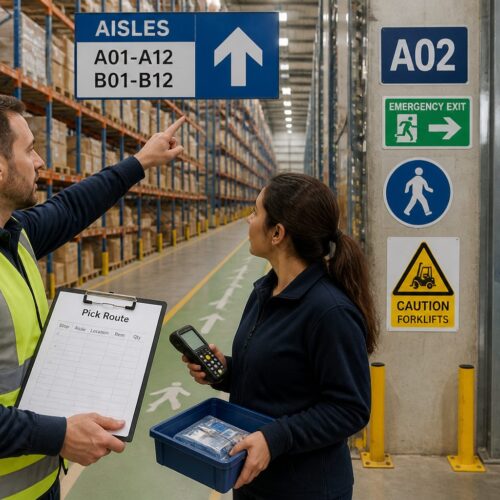

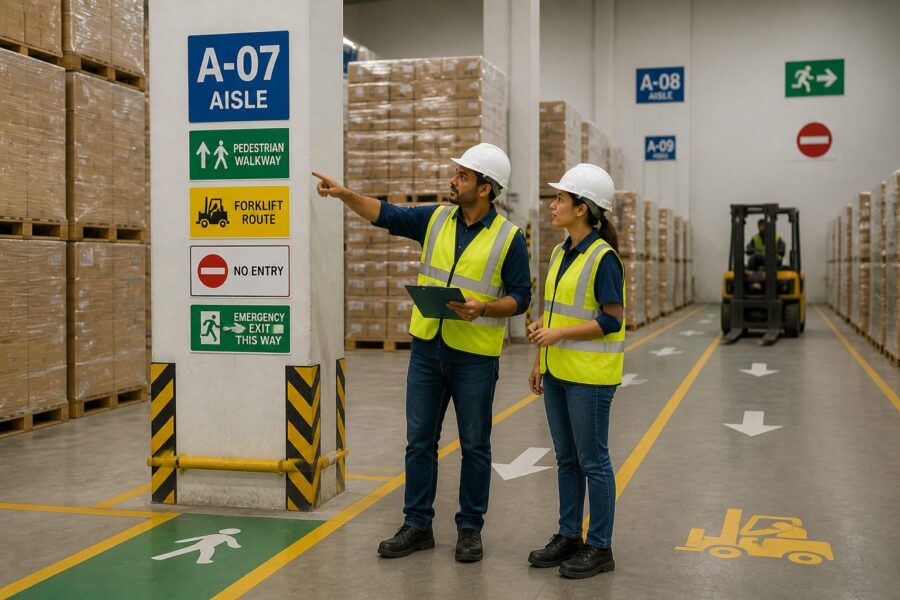
Implementing temporary signage allows businesses to adapt quickly to changing inventory levels and product placements, ensuring that employees always have the most accurate information available for navigation. This flexibility is essential in maintaining efficiency and preventing confusion during busy seasons when rapid changes are common.
- Use removable signage
- Incorporate digital displays
- Adjust layouts easily
- Keep information current
- Facilitate quick adaptations
Moreover, temporary wayfinding solutions can enhance communication among staff members, ensuring everyone is aware of shifts in the storage layout. Regular updates and training can ensure that all employees are on the same page regarding changes, minimizing the risk of errors and enhancing overall operational efficiency.
In summary, having effective temporary wayfinding is essential in managing seasonally variable bulk stock areas. Such solutions provide the necessary flexibility and responsiveness in a dynamic inventory environment, helping to maintain smooth operations and high levels of productivity.
Converting From Open Storage to Racked Systems: Updating Wayfinding
Transitioning from open storage to racked systems presents unique challenges for wayfinding that must be addressed to ensure efficiency in the new layout. Updating signage and navigation aids is essential to ensure continued efficiency in the new configuration, as the previous systems may no longer be applicable.
As storage configurations change, so too must the wayfinding strategies employed to match the new layout and inventory organization. This may involve redesigning signage to fit the new racked system, ensuring it aligns with the updated inventory organization and provides clear direction to employees.
- Assess new layout needs
- Redesign signage for clarity
- Train staff on new systems
- Implement new visual cues
- Monitor effectiveness of updates
Moreover, involving employees in the transition process can lead to valuable insights that enhance the overall effectiveness of the new navigation strategies. Their feedback can help refine wayfinding strategies to better meet the needs of warehouse operations, ensuring a smoother transition and increased buy-in from all staff members.
In conclusion, updating wayfinding during the conversion from open storage to racked systems is crucial for maintaining operational efficiency and enhancing safety. By prioritizing effective navigation and involving employees in the process, companies can successfully navigate the challenges associated with this transition and continue to thrive in their operations.
By numbering slots in a logical sequence, workers can easily navigate through the storage area, minimizing confusion and facilitating a smoother workflow. This systematic approach not only accelerates the picking process but also contributes to improved accuracy in order fulfillment.
- Facilitate quick retrieval
- Reduce errors in picking
- Enhance inventory management
- Improve space utilization
- Streamline operations
Additionally, this method can be combined with other wayfinding strategies to create a comprehensive navigation system that addresses various operational needs. For instance, combining sequential numbering with color-coded zones can further simplify the identification of items, making navigation even more intuitive for warehouse personnel.
In conclusion, sequential slot numbering is a valuable tool in block storage wayfinding that can lead to significant improvements in operational efficiency and accuracy. Its implementation can transform the way items are organized and retrieved, ultimately contributing to a more productive and organized warehouse environment.
Temporary Wayfinding for Seasonally Variable Bulk Stock Areas
Seasonally variable bulk stock areas often require temporary wayfinding solutions that can adapt to the changing nature of inventory and product placement. These zones can change frequently, necessitating flexible signage and navigation aids that can be updated quickly and efficiently.
Implementing temporary signage allows businesses to adapt quickly to changing inventory levels and product placements, ensuring that employees always have the most accurate information available for navigation. This flexibility is essential in maintaining efficiency and preventing confusion during busy seasons when rapid changes are common.
- Use removable signage
- Incorporate digital displays
- Adjust layouts easily
- Keep information current
- Facilitate quick adaptations
Moreover, temporary wayfinding solutions can enhance communication among staff members, ensuring everyone is aware of shifts in the storage layout. Regular updates and training can ensure that all employees are on the same page regarding changes, minimizing the risk of errors and enhancing overall operational efficiency.
In summary, having effective temporary wayfinding is essential in managing seasonally variable bulk stock areas. Such solutions provide the necessary flexibility and responsiveness in a dynamic inventory environment, helping to maintain smooth operations and high levels of productivity.
Converting From Open Storage to Racked Systems: Updating Wayfinding
Transitioning from open storage to racked systems presents unique challenges for wayfinding that must be addressed to ensure efficiency in the new layout. Updating signage and navigation aids is essential to ensure continued efficiency in the new configuration, as the previous systems may no longer be applicable.
As storage configurations change, so too must the wayfinding strategies employed to match the new layout and inventory organization. This may involve redesigning signage to fit the new racked system, ensuring it aligns with the updated inventory organization and provides clear direction to employees.
- Assess new layout needs
- Redesign signage for clarity
- Train staff on new systems
- Implement new visual cues
- Monitor effectiveness of updates
Moreover, involving employees in the transition process can lead to valuable insights that enhance the overall effectiveness of the new navigation strategies. Their feedback can help refine wayfinding strategies to better meet the needs of warehouse operations, ensuring a smoother transition and increased buy-in from all staff members.
In conclusion, updating wayfinding during the conversion from open storage to racked systems is crucial for maintaining operational efficiency and enhancing safety. By prioritizing effective navigation and involving employees in the process, companies can successfully navigate the challenges associated with this transition and continue to thrive in their operations.
By clearly marking designated clearance areas, workers can navigate with confidence, knowing they are following established safety protocols. This is particularly important in high-traffic zones where visibility may be limited, making it essential to have clear and visible signage to guide movement.
- Designate safe pathways
- Reduce collision risks
- Enhance visibility for operators
- Promote efficient traffic flow
- Support compliance with safety regulations
Moreover, periodic assessments of aisle clearance signs can ensure they remain relevant and effective in addressing the needs of the facility. Regular maintenance helps in keeping these vital navigation aids visible and functional, ensuring that employees can rely on them for safe navigation.
In summary, aisle clearance signs are an integral part of bulk storage wayfinding that cannot be overlooked. Their role in maintaining a safe working environment is crucial and cannot be overstated, as they help facilitate smooth operations and enhance overall safety in the warehouse.
Sequential Slot Numbering for Block Storage Rows and Columns
Sequential slot numbering is an effective way to organize block storage rows and columns, providing a systematic approach to item placement. This method allows for quick identification and retrieval of items, enhancing overall efficiency by reducing the time required to locate products.
By numbering slots in a logical sequence, workers can easily navigate through the storage area, minimizing confusion and facilitating a smoother workflow. This systematic approach not only accelerates the picking process but also contributes to improved accuracy in order fulfillment.
- Facilitate quick retrieval
- Reduce errors in picking
- Enhance inventory management
- Improve space utilization
- Streamline operations
Additionally, this method can be combined with other wayfinding strategies to create a comprehensive navigation system that addresses various operational needs. For instance, combining sequential numbering with color-coded zones can further simplify the identification of items, making navigation even more intuitive for warehouse personnel.
In conclusion, sequential slot numbering is a valuable tool in block storage wayfinding that can lead to significant improvements in operational efficiency and accuracy. Its implementation can transform the way items are organized and retrieved, ultimately contributing to a more productive and organized warehouse environment.
Temporary Wayfinding for Seasonally Variable Bulk Stock Areas
Seasonally variable bulk stock areas often require temporary wayfinding solutions that can adapt to the changing nature of inventory and product placement. These zones can change frequently, necessitating flexible signage and navigation aids that can be updated quickly and efficiently.
Implementing temporary signage allows businesses to adapt quickly to changing inventory levels and product placements, ensuring that employees always have the most accurate information available for navigation. This flexibility is essential in maintaining efficiency and preventing confusion during busy seasons when rapid changes are common.
- Use removable signage
- Incorporate digital displays
- Adjust layouts easily
- Keep information current
- Facilitate quick adaptations
Moreover, temporary wayfinding solutions can enhance communication among staff members, ensuring everyone is aware of shifts in the storage layout. Regular updates and training can ensure that all employees are on the same page regarding changes, minimizing the risk of errors and enhancing overall operational efficiency.
In summary, having effective temporary wayfinding is essential in managing seasonally variable bulk stock areas. Such solutions provide the necessary flexibility and responsiveness in a dynamic inventory environment, helping to maintain smooth operations and high levels of productivity.
Converting From Open Storage to Racked Systems: Updating Wayfinding
Transitioning from open storage to racked systems presents unique challenges for wayfinding that must be addressed to ensure efficiency in the new layout. Updating signage and navigation aids is essential to ensure continued efficiency in the new configuration, as the previous systems may no longer be applicable.
As storage configurations change, so too must the wayfinding strategies employed to match the new layout and inventory organization. This may involve redesigning signage to fit the new racked system, ensuring it aligns with the updated inventory organization and provides clear direction to employees.
- Assess new layout needs
- Redesign signage for clarity
- Train staff on new systems
- Implement new visual cues
- Monitor effectiveness of updates
Moreover, involving employees in the transition process can lead to valuable insights that enhance the overall effectiveness of the new navigation strategies. Their feedback can help refine wayfinding strategies to better meet the needs of warehouse operations, ensuring a smoother transition and increased buy-in from all staff members.
In conclusion, updating wayfinding during the conversion from open storage to racked systems is crucial for maintaining operational efficiency and enhancing safety. By prioritizing effective navigation and involving employees in the process, companies can successfully navigate the challenges associated with this transition and continue to thrive in their operations.
By clearly marking maximum height limits, businesses can minimize the risk of unstable loads that could lead to catastrophic failures. This not only enhances safety for all employees but also promotes compliance with industry regulations that govern safe storage practices.
- Prevent accidents
- Ensure regulatory compliance
- Provide clear height limits
- Promote safe stacking practices
- Enhance overall safety culture
Additionally, these signs can serve as important reminders for employees to adhere to established protocols regarding stacking and loading heights. Regular training sessions can reinforce the importance of following height restrictions and stack limits, ensuring that everyone is aware of the potential hazards associated with non-compliance.
Overall, height restriction and stack limit signs are essential in bulk storage areas, serving as critical navigational aids that enhance safety and organization. Their presence directly contributes to a safer and more organized work environment, fostering a culture of safety that benefits everyone involved.
Aisle Clearance Signs for Forklift Access in Tight Bulk Zones
Aisle clearance signs are critical for ensuring safe forklift access in tight bulk storage zones where space is often at a premium. These signs help prevent collisions between forklifts and other equipment, significantly reducing the risk of accidents that could lead to injuries or damage to property.
By clearly marking designated clearance areas, workers can navigate with confidence, knowing they are following established safety protocols. This is particularly important in high-traffic zones where visibility may be limited, making it essential to have clear and visible signage to guide movement.
- Designate safe pathways
- Reduce collision risks
- Enhance visibility for operators
- Promote efficient traffic flow
- Support compliance with safety regulations
Moreover, periodic assessments of aisle clearance signs can ensure they remain relevant and effective in addressing the needs of the facility. Regular maintenance helps in keeping these vital navigation aids visible and functional, ensuring that employees can rely on them for safe navigation.
In summary, aisle clearance signs are an integral part of bulk storage wayfinding that cannot be overlooked. Their role in maintaining a safe working environment is crucial and cannot be overstated, as they help facilitate smooth operations and enhance overall safety in the warehouse.
Sequential Slot Numbering for Block Storage Rows and Columns
Sequential slot numbering is an effective way to organize block storage rows and columns, providing a systematic approach to item placement. This method allows for quick identification and retrieval of items, enhancing overall efficiency by reducing the time required to locate products.
By numbering slots in a logical sequence, workers can easily navigate through the storage area, minimizing confusion and facilitating a smoother workflow. This systematic approach not only accelerates the picking process but also contributes to improved accuracy in order fulfillment.
- Facilitate quick retrieval
- Reduce errors in picking
- Enhance inventory management
- Improve space utilization
- Streamline operations
Additionally, this method can be combined with other wayfinding strategies to create a comprehensive navigation system that addresses various operational needs. For instance, combining sequential numbering with color-coded zones can further simplify the identification of items, making navigation even more intuitive for warehouse personnel.
In conclusion, sequential slot numbering is a valuable tool in block storage wayfinding that can lead to significant improvements in operational efficiency and accuracy. Its implementation can transform the way items are organized and retrieved, ultimately contributing to a more productive and organized warehouse environment.
Temporary Wayfinding for Seasonally Variable Bulk Stock Areas
Seasonally variable bulk stock areas often require temporary wayfinding solutions that can adapt to the changing nature of inventory and product placement. These zones can change frequently, necessitating flexible signage and navigation aids that can be updated quickly and efficiently.
Implementing temporary signage allows businesses to adapt quickly to changing inventory levels and product placements, ensuring that employees always have the most accurate information available for navigation. This flexibility is essential in maintaining efficiency and preventing confusion during busy seasons when rapid changes are common.
- Use removable signage
- Incorporate digital displays
- Adjust layouts easily
- Keep information current
- Facilitate quick adaptations
Moreover, temporary wayfinding solutions can enhance communication among staff members, ensuring everyone is aware of shifts in the storage layout. Regular updates and training can ensure that all employees are on the same page regarding changes, minimizing the risk of errors and enhancing overall operational efficiency.
In summary, having effective temporary wayfinding is essential in managing seasonally variable bulk stock areas. Such solutions provide the necessary flexibility and responsiveness in a dynamic inventory environment, helping to maintain smooth operations and high levels of productivity.
Converting From Open Storage to Racked Systems: Updating Wayfinding
Transitioning from open storage to racked systems presents unique challenges for wayfinding that must be addressed to ensure efficiency in the new layout. Updating signage and navigation aids is essential to ensure continued efficiency in the new configuration, as the previous systems may no longer be applicable.
As storage configurations change, so too must the wayfinding strategies employed to match the new layout and inventory organization. This may involve redesigning signage to fit the new racked system, ensuring it aligns with the updated inventory organization and provides clear direction to employees.
- Assess new layout needs
- Redesign signage for clarity
- Train staff on new systems
- Implement new visual cues
- Monitor effectiveness of updates
Moreover, involving employees in the transition process can lead to valuable insights that enhance the overall effectiveness of the new navigation strategies. Their feedback can help refine wayfinding strategies to better meet the needs of warehouse operations, ensuring a smoother transition and increased buy-in from all staff members.
In conclusion, updating wayfinding during the conversion from open storage to racked systems is crucial for maintaining operational efficiency and enhancing safety. By prioritizing effective navigation and involving employees in the process, companies can successfully navigate the challenges associated with this transition and continue to thrive in their operations.
Floor paint zones offer a direct and immediate visual guide for workers on the ground, allowing them to see their designated pathways and storage areas at a glance. They can help delineate pathways and storage areas, making it easy for personnel to follow these designated routes without unnecessary distractions or confusion.
| Floor Paint Zones | Overhead Signage | Best Use Cases |
|---|---|---|
| Clear ground visibility | Long-distance visibility | Indoor warehouses |
| Quick application | Detailed information | Outdoor areas |
| Cost-effective | Space-saving | High ceilings |
| Immediate feedback | Branding opportunities | Customer-facing areas |
On the other hand, overhead signage provides a broader view of the entire storage area, allowing employees to see important information from a distance. This method is particularly beneficial in large facilities where visibility from a distance is needed to navigate effectively and avoid potential hazards.
Ultimately, the choice between floor paint zones and overhead signage should depend on the specific layout and operational needs of the facility, considering factors such as ceiling height and the overall design of the storage area. A combination of both can often yield the best results for block storage wayfinding, ensuring that workers have access to the most effective navigation aids possible.
Product Category Identification Signs for Unstacked Rows
In unstacked rows of bulk storage, product category identification signs play a crucial and indispensable role in enhancing navigation for warehouse personnel. These signs help workers quickly identify where specific items are located, streamlining the picking process and reducing the time spent searching for products.
Effective signage should include clear and concise information, such as product names and categories, to ensure that employees can locate items efficiently. This allows them to navigate the storage area with confidence, reducing downtime and increasing productivity as they work to fulfill orders and manage inventory.
Additionally, incorporating color coding into these signs can further aid in quick identification of product categories. Workers can easily associate specific colors with particular items, facilitating faster navigation through the aisles and reducing the likelihood of picking errors.
Regular updates to these signs are essential to reflect changes in inventory or product categorization to maintain accuracy. Keeping signage current ensures that employees always have the most accurate information at their fingertips, which is crucial for effective inventory management.
In conclusion, product category identification signs are indispensable for unstacked rows in bulk storage environments, playing a vital role in enhancing operational efficiency. Their effective implementation contributes significantly to overall productivity and safety within the warehouse, ensuring that employees can perform their tasks with precision and ease.
Height Restriction and Stack Limit Signs in Bulk Storage Areas
Height restriction and stack limit signs are vital components of bulk storage wayfinding that cannot be overlooked. These signs ensure that employees are aware of safe stacking practices, preventing accidents and injuries that could occur as a result of improper loading or stacking of materials.
By clearly marking maximum height limits, businesses can minimize the risk of unstable loads that could lead to catastrophic failures. This not only enhances safety for all employees but also promotes compliance with industry regulations that govern safe storage practices.
- Prevent accidents
- Ensure regulatory compliance
- Provide clear height limits
- Promote safe stacking practices
- Enhance overall safety culture
Additionally, these signs can serve as important reminders for employees to adhere to established protocols regarding stacking and loading heights. Regular training sessions can reinforce the importance of following height restrictions and stack limits, ensuring that everyone is aware of the potential hazards associated with non-compliance.
Overall, height restriction and stack limit signs are essential in bulk storage areas, serving as critical navigational aids that enhance safety and organization. Their presence directly contributes to a safer and more organized work environment, fostering a culture of safety that benefits everyone involved.
Aisle Clearance Signs for Forklift Access in Tight Bulk Zones
Aisle clearance signs are critical for ensuring safe forklift access in tight bulk storage zones where space is often at a premium. These signs help prevent collisions between forklifts and other equipment, significantly reducing the risk of accidents that could lead to injuries or damage to property.
By clearly marking designated clearance areas, workers can navigate with confidence, knowing they are following established safety protocols. This is particularly important in high-traffic zones where visibility may be limited, making it essential to have clear and visible signage to guide movement.
- Designate safe pathways
- Reduce collision risks
- Enhance visibility for operators
- Promote efficient traffic flow
- Support compliance with safety regulations
Moreover, periodic assessments of aisle clearance signs can ensure they remain relevant and effective in addressing the needs of the facility. Regular maintenance helps in keeping these vital navigation aids visible and functional, ensuring that employees can rely on them for safe navigation.
In summary, aisle clearance signs are an integral part of bulk storage wayfinding that cannot be overlooked. Their role in maintaining a safe working environment is crucial and cannot be overstated, as they help facilitate smooth operations and enhance overall safety in the warehouse.
Sequential Slot Numbering for Block Storage Rows and Columns
Sequential slot numbering is an effective way to organize block storage rows and columns, providing a systematic approach to item placement. This method allows for quick identification and retrieval of items, enhancing overall efficiency by reducing the time required to locate products.
By numbering slots in a logical sequence, workers can easily navigate through the storage area, minimizing confusion and facilitating a smoother workflow. This systematic approach not only accelerates the picking process but also contributes to improved accuracy in order fulfillment.
- Facilitate quick retrieval
- Reduce errors in picking
- Enhance inventory management
- Improve space utilization
- Streamline operations
Additionally, this method can be combined with other wayfinding strategies to create a comprehensive navigation system that addresses various operational needs. For instance, combining sequential numbering with color-coded zones can further simplify the identification of items, making navigation even more intuitive for warehouse personnel.
In conclusion, sequential slot numbering is a valuable tool in block storage wayfinding that can lead to significant improvements in operational efficiency and accuracy. Its implementation can transform the way items are organized and retrieved, ultimately contributing to a more productive and organized warehouse environment.
Temporary Wayfinding for Seasonally Variable Bulk Stock Areas
Seasonally variable bulk stock areas often require temporary wayfinding solutions that can adapt to the changing nature of inventory and product placement. These zones can change frequently, necessitating flexible signage and navigation aids that can be updated quickly and efficiently.
Implementing temporary signage allows businesses to adapt quickly to changing inventory levels and product placements, ensuring that employees always have the most accurate information available for navigation. This flexibility is essential in maintaining efficiency and preventing confusion during busy seasons when rapid changes are common.
- Use removable signage
- Incorporate digital displays
- Adjust layouts easily
- Keep information current
- Facilitate quick adaptations
Moreover, temporary wayfinding solutions can enhance communication among staff members, ensuring everyone is aware of shifts in the storage layout. Regular updates and training can ensure that all employees are on the same page regarding changes, minimizing the risk of errors and enhancing overall operational efficiency.
In summary, having effective temporary wayfinding is essential in managing seasonally variable bulk stock areas. Such solutions provide the necessary flexibility and responsiveness in a dynamic inventory environment, helping to maintain smooth operations and high levels of productivity.
Converting From Open Storage to Racked Systems: Updating Wayfinding
Transitioning from open storage to racked systems presents unique challenges for wayfinding that must be addressed to ensure efficiency in the new layout. Updating signage and navigation aids is essential to ensure continued efficiency in the new configuration, as the previous systems may no longer be applicable.
As storage configurations change, so too must the wayfinding strategies employed to match the new layout and inventory organization. This may involve redesigning signage to fit the new racked system, ensuring it aligns with the updated inventory organization and provides clear direction to employees.
- Assess new layout needs
- Redesign signage for clarity
- Train staff on new systems
- Implement new visual cues
- Monitor effectiveness of updates
Moreover, involving employees in the transition process can lead to valuable insights that enhance the overall effectiveness of the new navigation strategies. Their feedback can help refine wayfinding strategies to better meet the needs of warehouse operations, ensuring a smoother transition and increased buy-in from all staff members.
In conclusion, updating wayfinding during the conversion from open storage to racked systems is crucial for maintaining operational efficiency and enhancing safety. By prioritizing effective navigation and involving employees in the process, companies can successfully navigate the challenges associated with this transition and continue to thrive in their operations.
In the realm of logistics and warehouse management, effective navigation is crucial for operational efficiency and overall productivity levels. This is especially true in environments with bulk storage, where floor-stacked zones can pose unique challenges that significantly impact productivity and create additional complexities that need to be addressed for optimal workflow.
The complexity of navigating through these areas is heightened by a lack of clear visual cues and structured pathways. Without proper wayfinding systems, employees may experience significant delays, leading to potential safety risks and operational inefficiencies that could have been avoidable with better planning and signage.
To address these challenges effectively, it is essential to implement navigation strategies that are specifically tailored to the unique requirements of bulk storage environments. In this blog post, we’ll explore various techniques to enhance open bulk storage navigation, focusing on floor stack zone signage, grid systems, and other innovative methods that can be employed to improve the flow of operations.
Why Floor-Stacked Storage Creates Unique Navigation Challenges
Floor-stacked storage configurations often lead to navigation difficulties due to their inherent design, which lacks vertical elements that normally aid in orientation. The absence of these visual landmarks can create a disorienting experience for warehouse personnel, especially in vast areas where spatial orientation becomes increasingly challenging to maintain.
Additionally, the lack of clearly defined pathways can complicate the movement of goods and personnel throughout the storage space. This makes it crucial to establish effective wayfinding solutions that are tailored specifically to the unique layout of bulk storage zones to mitigate confusion and enhance overall efficiency.
Furthermore, without proper signage, workers may struggle to locate specific items quickly and efficiently within the storage area. This can lead to increased search times that ultimately diminish overall productivity, causing frustration and potential bottlenecks in operations that could have been avoided with clearer navigation aids.
Incorporating visual cues and signage can greatly enhance the navigation experience in these areas, allowing workers to move more confidently and effectively. By addressing the specific challenges of floor-stacked storage, companies can not only improve efficiency but also enhance workplace safety, ensuring a more productive environment overall.
Ultimately, understanding these navigation challenges is the first step toward implementing effective solutions that can alleviate the issues faced in bulk storage settings. With the right approach and careful planning, businesses can successfully overcome the hurdles associated with open bulk storage navigation, leading to smoother operations and safer working conditions.
Grid Coordinate Systems for Open Bulk Storage Areas
A grid coordinate system can significantly enhance navigation in open bulk storage areas by providing a structured framework for item placement and retrieval. By dividing the space into identifiable sections, workers can locate items more efficiently and systematically, which reduces search times and improves overall workflow.
This method allows for systematic organization and retrieval of goods, effectively reducing the time spent searching for items within the vast storage space. Additionally, it promotes better communication among staff regarding item locations, creating a shared understanding of the layout that benefits everyone involved.
Implementing a grid system involves marking aisles and rows clearly, using either floor markings or signage that is both visible and easy to interpret. This visual representation aids in creating a mental map for employees, facilitating quicker navigation that enhances productivity and minimizes confusion.
Moreover, a well-defined grid system can help in tracking inventory more effectively, leading to better stock management practices. This contributes to improved operational efficiency and reduces the chances of errors during picking, ensuring that items are retrieved correctly and delivered to the right destinations.
Overall, adopting grid coordinate systems in bulk storage areas is a practical solution for enhancing wayfinding that can yield significant benefits. This approach not only streamlines navigation but also contributes to a safer working environment, reducing the likelihood of accidents and promoting a culture of safety among employees.
Floor Paint Zones vs. Overhead Signage for Block Storage Navigation
When it comes to navigating block storage areas, companies often debate the merits of using floor paint zones versus overhead signage as their primary navigation aids. Both methods have their advantages and unique applications, but they serve different purposes in enhancing navigation and ensuring that employees can efficiently find their way around the storage facility.
Floor paint zones offer a direct and immediate visual guide for workers on the ground, allowing them to see their designated pathways and storage areas at a glance. They can help delineate pathways and storage areas, making it easy for personnel to follow these designated routes without unnecessary distractions or confusion.
| Floor Paint Zones | Overhead Signage | Best Use Cases |
|---|---|---|
| Clear ground visibility | Long-distance visibility | Indoor warehouses |
| Quick application | Detailed information | Outdoor areas |
| Cost-effective | Space-saving | High ceilings |
| Immediate feedback | Branding opportunities | Customer-facing areas |
On the other hand, overhead signage provides a broader view of the entire storage area, allowing employees to see important information from a distance. This method is particularly beneficial in large facilities where visibility from a distance is needed to navigate effectively and avoid potential hazards.
Ultimately, the choice between floor paint zones and overhead signage should depend on the specific layout and operational needs of the facility, considering factors such as ceiling height and the overall design of the storage area. A combination of both can often yield the best results for block storage wayfinding, ensuring that workers have access to the most effective navigation aids possible.
Product Category Identification Signs for Unstacked Rows
In unstacked rows of bulk storage, product category identification signs play a crucial and indispensable role in enhancing navigation for warehouse personnel. These signs help workers quickly identify where specific items are located, streamlining the picking process and reducing the time spent searching for products.
Effective signage should include clear and concise information, such as product names and categories, to ensure that employees can locate items efficiently. This allows them to navigate the storage area with confidence, reducing downtime and increasing productivity as they work to fulfill orders and manage inventory.
Additionally, incorporating color coding into these signs can further aid in quick identification of product categories. Workers can easily associate specific colors with particular items, facilitating faster navigation through the aisles and reducing the likelihood of picking errors.
Regular updates to these signs are essential to reflect changes in inventory or product categorization to maintain accuracy. Keeping signage current ensures that employees always have the most accurate information at their fingertips, which is crucial for effective inventory management.
In conclusion, product category identification signs are indispensable for unstacked rows in bulk storage environments, playing a vital role in enhancing operational efficiency. Their effective implementation contributes significantly to overall productivity and safety within the warehouse, ensuring that employees can perform their tasks with precision and ease.
Height Restriction and Stack Limit Signs in Bulk Storage Areas
Height restriction and stack limit signs are vital components of bulk storage wayfinding that cannot be overlooked. These signs ensure that employees are aware of safe stacking practices, preventing accidents and injuries that could occur as a result of improper loading or stacking of materials.
By clearly marking maximum height limits, businesses can minimize the risk of unstable loads that could lead to catastrophic failures. This not only enhances safety for all employees but also promotes compliance with industry regulations that govern safe storage practices.
- Prevent accidents
- Ensure regulatory compliance
- Provide clear height limits
- Promote safe stacking practices
- Enhance overall safety culture
Additionally, these signs can serve as important reminders for employees to adhere to established protocols regarding stacking and loading heights. Regular training sessions can reinforce the importance of following height restrictions and stack limits, ensuring that everyone is aware of the potential hazards associated with non-compliance.
Overall, height restriction and stack limit signs are essential in bulk storage areas, serving as critical navigational aids that enhance safety and organization. Their presence directly contributes to a safer and more organized work environment, fostering a culture of safety that benefits everyone involved.
Aisle Clearance Signs for Forklift Access in Tight Bulk Zones
Aisle clearance signs are critical for ensuring safe forklift access in tight bulk storage zones where space is often at a premium. These signs help prevent collisions between forklifts and other equipment, significantly reducing the risk of accidents that could lead to injuries or damage to property.
By clearly marking designated clearance areas, workers can navigate with confidence, knowing they are following established safety protocols. This is particularly important in high-traffic zones where visibility may be limited, making it essential to have clear and visible signage to guide movement.
- Designate safe pathways
- Reduce collision risks
- Enhance visibility for operators
- Promote efficient traffic flow
- Support compliance with safety regulations
Moreover, periodic assessments of aisle clearance signs can ensure they remain relevant and effective in addressing the needs of the facility. Regular maintenance helps in keeping these vital navigation aids visible and functional, ensuring that employees can rely on them for safe navigation.
In summary, aisle clearance signs are an integral part of bulk storage wayfinding that cannot be overlooked. Their role in maintaining a safe working environment is crucial and cannot be overstated, as they help facilitate smooth operations and enhance overall safety in the warehouse.
Sequential Slot Numbering for Block Storage Rows and Columns
Sequential slot numbering is an effective way to organize block storage rows and columns, providing a systematic approach to item placement. This method allows for quick identification and retrieval of items, enhancing overall efficiency by reducing the time required to locate products.
By numbering slots in a logical sequence, workers can easily navigate through the storage area, minimizing confusion and facilitating a smoother workflow. This systematic approach not only accelerates the picking process but also contributes to improved accuracy in order fulfillment.
- Facilitate quick retrieval
- Reduce errors in picking
- Enhance inventory management
- Improve space utilization
- Streamline operations
Additionally, this method can be combined with other wayfinding strategies to create a comprehensive navigation system that addresses various operational needs. For instance, combining sequential numbering with color-coded zones can further simplify the identification of items, making navigation even more intuitive for warehouse personnel.
In conclusion, sequential slot numbering is a valuable tool in block storage wayfinding that can lead to significant improvements in operational efficiency and accuracy. Its implementation can transform the way items are organized and retrieved, ultimately contributing to a more productive and organized warehouse environment.
Temporary Wayfinding for Seasonally Variable Bulk Stock Areas
Seasonally variable bulk stock areas often require temporary wayfinding solutions that can adapt to the changing nature of inventory and product placement. These zones can change frequently, necessitating flexible signage and navigation aids that can be updated quickly and efficiently.
Implementing temporary signage allows businesses to adapt quickly to changing inventory levels and product placements, ensuring that employees always have the most accurate information available for navigation. This flexibility is essential in maintaining efficiency and preventing confusion during busy seasons when rapid changes are common.
- Use removable signage
- Incorporate digital displays
- Adjust layouts easily
- Keep information current
- Facilitate quick adaptations
Moreover, temporary wayfinding solutions can enhance communication among staff members, ensuring everyone is aware of shifts in the storage layout. Regular updates and training can ensure that all employees are on the same page regarding changes, minimizing the risk of errors and enhancing overall operational efficiency.
In summary, having effective temporary wayfinding is essential in managing seasonally variable bulk stock areas. Such solutions provide the necessary flexibility and responsiveness in a dynamic inventory environment, helping to maintain smooth operations and high levels of productivity.
Converting From Open Storage to Racked Systems: Updating Wayfinding
Transitioning from open storage to racked systems presents unique challenges for wayfinding that must be addressed to ensure efficiency in the new layout. Updating signage and navigation aids is essential to ensure continued efficiency in the new configuration, as the previous systems may no longer be applicable.
As storage configurations change, so too must the wayfinding strategies employed to match the new layout and inventory organization. This may involve redesigning signage to fit the new racked system, ensuring it aligns with the updated inventory organization and provides clear direction to employees.
- Assess new layout needs
- Redesign signage for clarity
- Train staff on new systems
- Implement new visual cues
- Monitor effectiveness of updates
Moreover, involving employees in the transition process can lead to valuable insights that enhance the overall effectiveness of the new navigation strategies. Their feedback can help refine wayfinding strategies to better meet the needs of warehouse operations, ensuring a smoother transition and increased buy-in from all staff members.
In conclusion, updating wayfinding during the conversion from open storage to racked systems is crucial for maintaining operational efficiency and enhancing safety. By prioritizing effective navigation and involving employees in the process, companies can successfully navigate the challenges associated with this transition and continue to thrive in their operations.