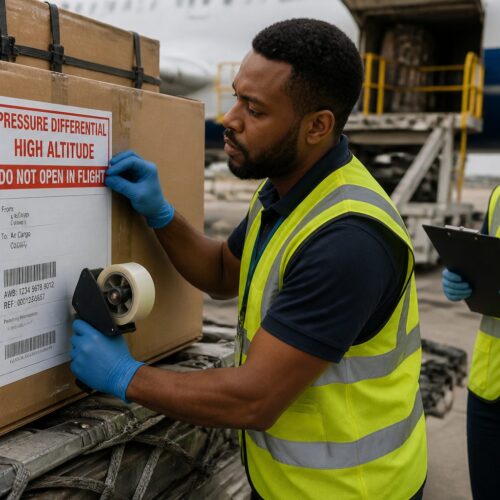

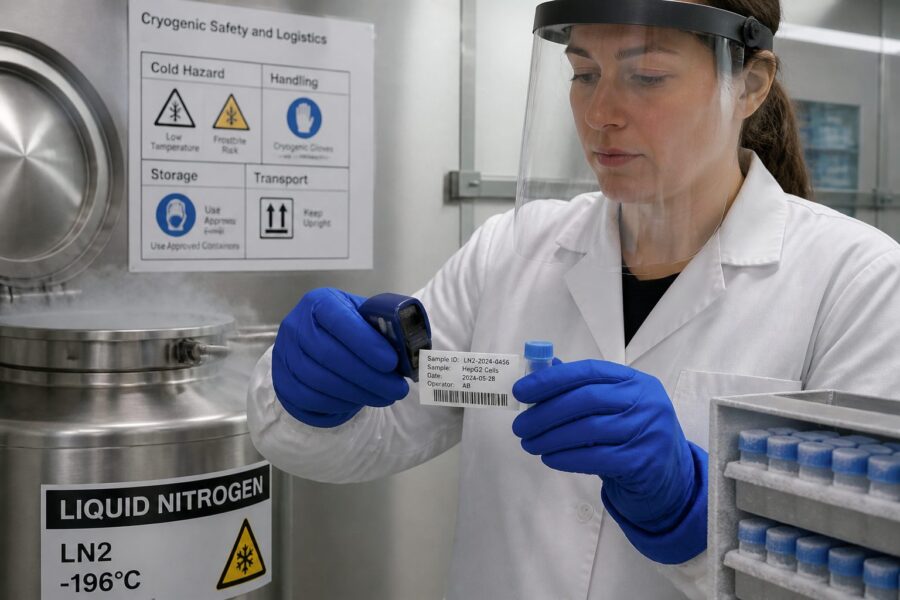
Cryogenic materials are essential in various industries, including healthcare, aerospace, and manufacturing, where they play a critical role in numerous applications. However, their unique properties necessitate specific labeling considerations to ensure safety and compliance, as improper handling can lead to serious risks and complications for both personnel and equipment.
When dealing with materials like liquid nitrogen, oxygen, and argon, standard labeling practices often fall short due to the extreme conditions associated with cryogenics. This blog explores the crucial aspects of cryogenic storage labels and highlights why they are indispensable for safe handling and transportation, particularly in environments where temperature and pressure can fluctuate dramatically.
Understanding cryogenic materials and their requirements is vital for anyone involved in their storage and transportation, as the stakes can be incredibly high. As we delve into various topics, we will emphasize the need for specialized labeling strategies tailored to extreme conditions, ensuring that all personnel are adequately informed about the risks and precautions necessary when working with these materials.
What Cryogenic Materials Require Special Labeling Consideration
Cryogenic materials, such as liquid nitrogen and helium, require special labeling because of their extremely low temperatures, which can create hazardous situations if not handled properly. These materials can pose significant risks if not labeled correctly, leading to potential hazards during storage and handling, including frostbite, asphyxiation, and even explosive reactions in certain scenarios.
Additionally, gases like oxygen and nitrogen can become liquefied under pressure, necessitating clear labeling to avoid confusion and ensure that personnel are aware of the specific hazards involved. Proper cryogenic storage labels help ensure that personnel understand the specific hazards associated with these materials, which is critical for maintaining safety protocols and preventing accidents.
Furthermore, certain cryogenic liquids can react violently if they come into contact with water or other substances, leading to disastrous consequences. This necessitates the inclusion of hazard symbols on the labels to indicate the potential dangers clearly, allowing for quick identification of risks even in high-pressure situations.
In summary, special labeling considerations for cryogenic materials are essential for safety, as a lack of adequate information can result in dire consequences. Accurate labeling helps prevent accidents and ensures compliance with industry regulations, ultimately safeguarding both personnel and facilities from harm.
Failure to implement adequate labeling can result in severe consequences, including injuries and property damage, which can be costly and detrimental to organizational integrity. Therefore, understanding these requirements is paramount for anyone working with cryogenic materials, as it not only protects individuals but also promotes a culture of safety within the workplace.
Temperature Ranges and Why Standard Labels Fail Below Minus 40 Degrees
Standard labels often fail at temperatures below minus 40 degrees Fahrenheit due to material degradation and adhesion issues, which can compromise safety protocols. This can lead to labels peeling off or becoming illegible, which in turn increases the likelihood of accidents and misidentification of hazardous materials.
In cryogenic applications, materials can become brittle and lose their effectiveness at low temperatures, making it essential for labels to withstand such extreme conditions. As a result, it’s crucial to employ low temperature label standards that can endure these harsh environments without compromising their functionality.
Typical labels made of paper or standard vinyl may not survive the harsh conditions associated with cryogenic storage and can deteriorate quickly. Specialized materials capable of enduring these temperatures are essential for maintaining the integrity of cryogenic hazard labels, ensuring they remain visible and informative throughout their use.
Failure to use appropriate labeling can lead to misidentification of contents and hazardous situations, which can jeopardize the safety of personnel and the functionality of equipment. Therefore, understanding the limitations of standard labels is crucial for ensuring safety in cryogenic environments, prompting organizations to invest in more suitable labeling solutions.
Investing in high-quality labels that can withstand extreme temperatures is a critical step in safe cryogenic storage, as it minimizes the risk of accidents and injuries. This proactive approach mitigates risks and enhances overall safety in operations involving cryogenic materials, fostering a responsible work culture that prioritizes safety above all else.
Material Selection for Labels That Survive Cryogenic Conditions
The material selected for cryogenic storage labels is crucial to ensure durability and visibility, as even minor lapses in labeling can have significant repercussions. Options like polyester and other specialized synthetic materials are often used for their resistance to low temperatures and flexibility, making them suitable for the extreme conditions encountered in cryogenic environments.
Adhesives used in conjunction with these materials must also be capable of functioning at cryogenic temperatures to prevent labels from falling off or becoming unreadable. This combination ensures that the labels remain intact and readable throughout their intended use, thereby enhancing safety and compliance with regulatory standards.
| Material Type | Features | Temperature Resistance |
|---|---|---|
| Polyester | Durable, flexible | -40°F to 300°F |
| Vinyl | Water-resistant, versatile | -20°F to 180°F |
| Polypropylene | Lightweight, chemical-resistant | -40°F to 200°F |
| Specialized Adhesives | Strong bonding, low-temp performance | -50°F to 200°F |
Choosing the right materials involves considering both environmental factors and intended use, as labels must remain adhered to their surfaces and retain their legibility under extreme cryogenic conditions. When selecting materials, it is also important to consider the potential for chemical exposure and how various materials react to different cryogenic substances.
Ultimately, the selected materials play a significant role in the effectiveness of cryogenic storage labels, making informed decisions crucial for safety. Investing in high-quality materials can prevent costly accidents and ensure compliance with safety regulations, reinforcing the importance of diligence in material selection.
Regulatory Frameworks Governing Cryogenic Container Markings
Various regulatory frameworks govern the labeling of cryogenic containers, ensuring safety and compliance across different sectors. Key organizations including OSHA, DOT, and NFPA provide guidelines that must be followed to prevent accidents and ensure the safety of all personnel involved in handling these materials.
These regulations specify the necessary information to include on cryogenic storage labels, such as hazard symbols and material identifiers, which are critical in emergency situations. Compliance with these standards is essential for the safe handling of cryogenic materials, as they offer clear communication about potential risks and necessary precautions.
For instance, OSHA’s guidelines dictate the use of specific warning labels for hazardous materials, ensuring that employees are adequately informed. Additionally, DOT regulations require that cryogenic containers transport labels adhere to strict visibility standards, which further emphasizes the need for clarity in labeling practices.
Understanding these regulatory requirements is critical for anyone involved in the handling of cryogenic materials, as it can help avoid legal repercussions and ensure a safe working environment. Adhering to these guidelines not only ensures safety but also protects organizations from potential legal liabilities associated with non-compliance.
In summary, the regulatory landscape surrounding cryogenic container markings is complex yet essential, demanding that organizations remain vigilant in their labeling practices. Staying informed about these regulations is vital for maintaining safety and compliance in the industry, ultimately fostering a culture of responsibility and safety awareness.
Required Information on Cryogenic Storage Vessel Labels
Cryogenic storage vessel labels must include essential information to ensure safety and compliance, which is paramount in environments where the margin for error is minimal. Key details include the material type, hazard symbols, and handling instructions, all of which provide crucial guidance for personnel working with these materials.
Additionally, labels should contain emergency contact information and any relevant regulatory compliance statements, which serve as vital resources in case of an emergency. This information is vital for first responders and personnel working with cryogenic materials, ensuring that they have the necessary knowledge to act quickly and effectively in crisis situations.
Failure to include critical information can lead to dangerous situations and mismanagement of cryogenic materials, which can have devastating consequences. Therefore, ensuring that labels contain all necessary details is imperative for safety, as even minor oversights can escalate into significant risks.
Furthermore, labels should be updated regularly to reflect any changes in regulations or materials, as staying current is essential in fast-paced industrial environments. This proactive approach ensures continuous compliance and enhances safety by providing the most accurate information available at all times.
In essence, the required information on cryogenic storage vessel labels plays a significant role in maintaining safety and compliance within the industry. Clear, concise information helps prevent accidents and supports effective emergency response, underscoring the importance of diligent labeling practices.
Color and Contrast Choices for Visibility in Cold Environments
Color and contrast choices are critical for ensuring the visibility of cryogenic labels in cold environments, where conditions can quickly deteriorate. High-contrast colors help ensure that labels are easily readable, even in low-light or foggy conditions, which can otherwise obscure critical information.
For instance, using bright colors like yellow or orange for hazard labels against a dark background improves visibility significantly in challenging conditions. This consideration is essential for preventing accidents and ensuring safe handling of cryogenic materials, as personnel need to quickly identify hazards to minimize risks.
- High-visibility colors
- Contrasting backgrounds
- Reflective materials
- Non-fading inks
- Clear typography
Implementing these color schemes can significantly enhance safety in cryogenic environments, facilitating immediate recognition of potential hazards. Ultimately, thoughtful design choices contribute to the overall effectiveness of cryogenic hazard labels, reinforcing the necessity of attention to detail in labeling practices.
In summary, color and contrast choices are vital for ensuring the legibility of cryogenic storage labels, as they play a crucial role in workplace safety. This attention to detail can save lives and protect property in hazardous situations, highlighting the importance of investing in effective labeling strategies.
Handling and Inhalation Hazard Labels for Cryogenic Gases
Handling and inhalation hazard labels are essential for cryogenic gases, as they can pose severe health risks to personnel if not properly managed. Proper labeling helps ensure that personnel are aware of the potential dangers associated with these materials, enabling them to take the necessary precautions when working in close proximity.
These labels must clearly indicate the specific hazards, including asphyxiation risks and flammability, which can escalate quickly under certain conditions. Understanding these hazards is crucial for safe handling and emergency response, as quick and informed actions can mitigate potential dangers effectively.
Moreover, labels should provide clear instructions for safe handling and emergency procedures, which are vital for minimizing risks in the workplace. This information is essential for ensuring that personnel are equipped with the knowledge to respond appropriately to emergencies, thereby enhancing overall safety in cryogenic environments.
Failure to adequately label cryogenic gases can lead to dangerous situations and workplace accidents, which can result in injury or property damage. Therefore, implementing strict labeling protocols is essential for protecting personnel and ensuring compliance with safety regulations, emphasizing the importance of responsibility in handling hazardous substances.
In conclusion, handling and inhalation hazard labels for cryogenic gases play a significant role in workplace safety, as they provide critical information for personnel. Awareness and adherence to these labeling requirements can prevent serious incidents and promote a culture of safety throughout organizations, ensuring that everyone remains vigilant in their responsibilities.
Inspection Schedules to Verify Label Integrity on Cryogenic Tanks
Regular inspection schedules are crucial for verifying the integrity of labels on cryogenic tanks, as they play a significant role in maintaining safety and compliance. This practice ensures that labels remain legible and properly affixed over time, which is essential for effective communication about potential hazards.
Establishing a routine inspection process helps identify any wear and tear or damage to labels, which can occur over time due to various factors. This proactive approach is essential for maintaining safety compliance and preventing accidents, as it allows for timely repairs or replacements as needed.
During inspections, it’s vital to assess not only the physical condition of the labels but also their compliance with current regulations, which may change over time. Regular updates to labels may be necessary to ensure ongoing adherence to safety standards, reinforcing the importance of vigilance in monitoring labeling practices.
Neglecting label inspections can lead to significant safety risks and regulatory non-compliance, which can have serious repercussions for organizations. Therefore, implementing a structured inspection schedule is key to maintaining a safe working environment and ensuring that all personnel are informed about the hazards they may encounter.
In summary, inspection schedules for cryogenic tanks are imperative for ensuring label integrity and maintaining safety standards. Regular assessments contribute to overall safety in the handling and storage of cryogenic materials, emphasizing the importance of diligence in monitoring and maintaining labeling practices.
Case Study: Cryogenic Label Failures and What They Cost
Examining case studies of cryogenic label failures can provide valuable insights into their importance and the potential consequences of negligence. One notable incident involved a laboratory that suffered significant losses due to misidentified cryogenic materials, which ultimately resulted in a hazardous environment for personnel.
The failure to maintain clear, legible cryogenic storage labels led to a hazardous situation that endangered personnel, highlighting the critical nature of effective labeling practices. This oversight resulted in costly damages and a temporary shutdown of operations, underscoring the financial implications of inadequate labeling.
In another instance, incorrect labeling of a liquid nitrogen container resulted in improper use, leading to equipment damage and workflow disruptions. The financial implications of these errors can be staggering, illustrating the importance of proper labeling in preventing costly mistakes and ensuring smooth operations.
Ultimately, these case studies underscore the necessity of implementing stringent labeling protocols that prioritize safety and compliance. Investing in high-quality cryogenic storage labels can save organizations from costly mistakes and enhance overall safety, reinforcing the idea that proactive measures are crucial for success.
In conclusion, the lessons learned from label failures emphasize the critical role effective labeling plays in safety and compliance within the industry. Organizations must prioritize proper labeling to avoid similar pitfalls in the future, ensuring that all personnel are informed and adequately prepared to handle cryogenic materials safely.