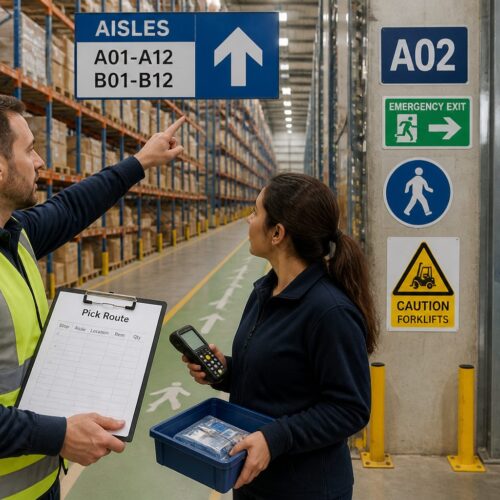

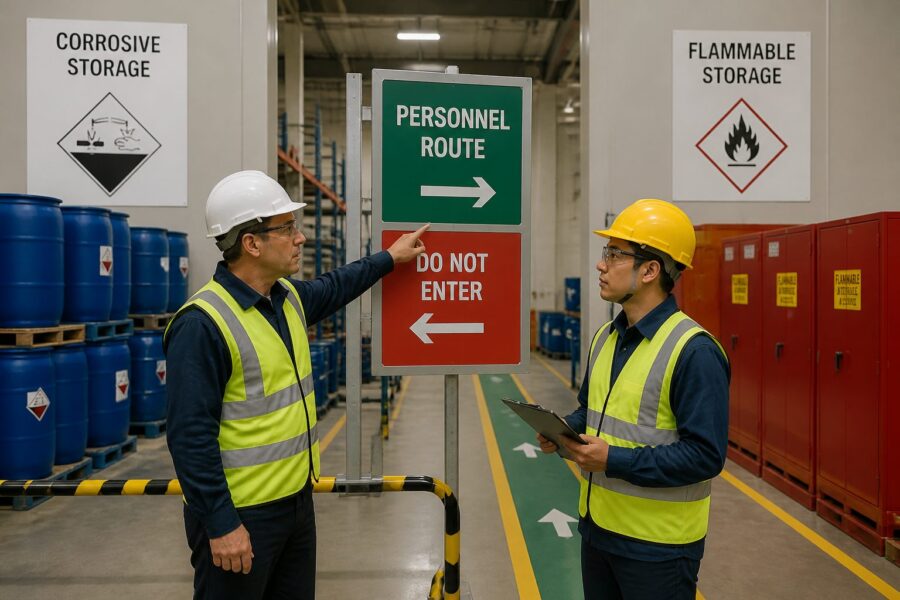
In the world of hazardous materials storage, the implementation of effective routing and segregation signage is not just a best practice; it is a mandatory requirement that cannot be overlooked. Proper signage enhances safety, prevents accidents, and ensures regulatory compliance in environments dealing with hazardous substances that pose significant risks to health and safety.
Organizations that handle hazardous materials must prioritize clear communication through their signage, as this is crucial for minimizing risks associated with potentially dangerous chemicals. This becomes even more critical when dealing with chemical substances that can pose serious risks to health and the environment, making effective signage essential for the protection of all personnel and the public.
Ensuring that personnel can easily navigate through hazardous materials storage areas is vital for safety and operational efficiency in any organization. With effective hazmat zone routing signs and chemical segregation wayfinding, risks can be mitigated significantly, reducing the chances of accidents that could lead to severe consequences.
Why Routing and Segregation Signage Is Mandatory in Hazmat Storage
Routing and segregation signage in hazmat storage areas serves as a critical guide to safely navigate through potentially dangerous environments filled with hazardous materials. These signs are crucial for preventing accidents and ensuring that individuals are aware of their surroundings, which is essential for maintaining a safe working environment.
Without proper signage, the likelihood of mishandling hazardous materials increases significantly, leading to potentially catastrophic incidents. This not only endangers the personnel working in these environments but also poses an alarming risk to the environment and the surrounding community, making effective signage indispensable.
Clear signs help in identifying chemical zones quickly and effectively, facilitating immediate action in emergencies when every second counts. They also assist in compliance with OSHA, EPA, and other regulatory agencies, ensuring that organizations meet legal requirements and uphold safety standards.
Furthermore, well-placed signs can guide workers toward safe pathways, ensuring that they stay within designated areas and are aware of potential hazards. This proactive approach helps to minimize exposure to hazardous materials and significantly enhances overall safety in the workplace.
In summary, routing and segregation signage is not just helpful; it is essential for maintaining a safe working environment where hazardous materials are present. Adopting these practices can significantly reduce the risks associated with hazardous materials storage and protect both employees and the surrounding community.
Chemical Incompatibility Classes and How to Reflect Them in Signage
Understanding chemical incompatibility classes is critical when designing signage for hazmat storage, as different chemicals have varying interactions that can lead to dangerous situations. Reflecting these incompatibilities in signage can prevent dangerous reactions and ensure that workers are aware of the potential hazards they may encounter in their work environment.
For example, acids and bases should not be stored together, and clear signage should indicate these incompatibilities to avoid any mix-ups. Signs should utilize clear language and universally recognized symbols to communicate these risks effectively to all personnel, regardless of their educational background.
| Chemical Class | Examples | Required Signage |
|---|---|---|
| Acids | Hydrochloric Acid, Sulfuric Acid | Corrosive, Do Not Store with Bases |
| Bases | Sodium Hydroxide, Ammonia | Corrosive, Do Not Store with Acids |
| Oxidizers | Hydrogen Peroxide, Potassium Nitrate | Flammable, Keep Away from Reducing Agents |
| Flammables | Gasoline, Ethanol | Flammable, Store in Ventilated Area |
It is essential to regularly update these signs to reflect any changes in chemical inventory, as new substances may be introduced that could alter the compatibility of materials already stored. Regular audits and training sessions can help ensure that all personnel understand the importance of these signs and adhere to safety protocols consistently.
Color-Coded Zone Boundary Signs for Different Hazard Classes
Color-coded zone boundary signs are an effective way to visually communicate the type of hazards present in different areas of a facility that handles hazardous materials. These signs help workers quickly identify the risk levels associated with various chemical zones, which is vital for their safety and well-being during their daily tasks.
For instance, red can be used to indicate flammable materials, while yellow may signify caution for corrosive substances, making it easier for employees to gauge potential risks. This color-coding system aids in immediate recognition and promotes a safe working environment where everyone is aware of the hazards they may encounter.
Each color should correspond to universally recognized standards to eliminate confusion and ensure that everyone understands the intended message. This ensures that all personnel, regardless of background, can comprehend the hazards quickly and take appropriate precautions when necessary.
Moreover, incorporating symbols along with color codes can enhance the effectiveness of these signs by providing additional context for the hazards present. This dual approach strengthens the message conveyed through the signs and improves overall safety compliance within the organization.
By implementing color-coded zone boundary signs, organizations can create a more intuitive navigation system within their hazardous materials storage areas that allows for swift identification of hazards. This ultimately leads to a safer workplace for all employees, as they can navigate their environment with confidence and awareness.
Restricted Access Directional Signs That Route Unauthorized Personnel Away
Restricted access directional signs are vital in ensuring that unauthorized personnel do not enter hazardous areas where potentially dangerous materials are stored. These signs help manage traffic flow and keep the workplace safe from potential dangers, which is essential for maintaining a secure environment for all employees.
By clearly marking restricted areas, organizations can significantly reduce the risk of accidents caused by untrained personnel entering hazardous zones. These signs should be strategically placed at entry points and along pathways to guide individuals away from danger, ensuring that only authorized personnel have access to sensitive areas.
Utilizing both visual and textual cues can enhance the effectiveness of these signs, as they cater to different learning styles and comprehension levels. Simple language and universally recognized symbols can improve compliance and understanding, making it easier for all employees to recognize the significance of restricted access areas.
Regular training sessions should complement these signs, educating employees about the importance of restricted access areas and their role in workplace safety. This reinforces the need for compliance and ensures that everyone recognizes the signs’ significance while fostering a culture of safety within the organization.
In conclusion, restricted access directional signs are an essential component of a comprehensive safety strategy in hazardous materials storage, serving as a critical line of defense. Their role in guiding unauthorized personnel away from danger cannot be overstated, as they help protect both employees and the organization from potential liabilities.
Fire Separation and Distance Signs Between Incompatible Storage Areas
Fire separation and distance signs are crucial in preventing fire hazards in facilities that store incompatible materials, as they indicate the necessary distances that should be maintained. These signs help to clarify boundaries that must be respected to ensure the safety of both personnel and property in the event of a fire.
By clearly marking these boundaries, organizations can mitigate the risk of fire spreading between incompatible substances, which could otherwise result in catastrophic events. Effective signage helps reinforce safety protocols and ensures compliance with fire safety regulations, which are designed to protect lives and property.
Regular audits of these signs are necessary to ensure they remain visible and effective, as the conditions in storage areas may change over time. Any changes in storage practices or chemical inventory should prompt a reevaluation of these signs to ensure they still convey the correct information to personnel.
In addition, training staff to understand the implications of these signs can enhance safety, as employees will be more equipped to respond appropriately to emergencies. This knowledge will empower employees to take appropriate actions in emergency situations, potentially saving lives and minimizing damage.
Overall, fire separation and distance signs play a critical role in maintaining safety in hazardous materials storage areas by providing clear guidance on safe practices. They protect both personnel and the facility from the devastating consequences of fire incidents that could jeopardize everyone’s safety.
Spill Containment Area Wayfinding: Directing Response Teams Efficiently
In the event of a spill, efficient wayfinding is vital for directing response teams to the affected area quickly and accurately. Spill containment area wayfinding signs are designed to guide these teams effectively, ensuring that they can respond to incidents without delay and with the right resources.
These signs should be strategically placed in various locations throughout the facility to aid in a swift response, providing clear direction to those who need to act. Proper signage can mean the difference between a manageable incident and a full-scale emergency that could escalate quickly if not addressed promptly.
- Clear signage with directional arrows that indicate the quickest route to the spill location
- Indication of spill containment equipment locations so responders know where to find necessary tools
- Emergency contact information that ensures teams can reach out for additional support if needed
- Regular updates and maintenance to keep the signage relevant and effective
- Training for personnel on response protocols, ensuring everyone is prepared to act
Moreover, regular drills and training sessions for response teams can ensure that everyone knows the wayfinding system and can navigate it confidently. This preparedness enhances the overall safety and effectiveness of the response in an emergency, allowing teams to act decisively and efficiently when every second counts.
Emergency Assembly Point Routing Signs From Hazmat Zones
When an emergency arises in a hazardous materials storage area, routing signs to emergency assembly points are essential for facilitating a smooth evacuation process. These signs help ensure that personnel can evacuate quickly and safely, minimizing risks and preventing chaos during critical situations.
Clear, visible routing signs should lead to designated assembly points away from danger, allowing personnel to know exactly where to go in case of an emergency. This ensures that all personnel are accounted for and helps to facilitate a more organized response to the situation.
Incorporating symbols and easily understandable language can improve the effectiveness of these signs, making it easier for individuals to act swiftly and confidently during high-stress situations. This can significantly reduce the chances of confusion and panic, which can exacerbate an already tense scenario.
Regular drills involving assembly point routing can help reinforce the importance of these signs and ensure that all personnel are familiar with evacuation procedures. Training staff on proper evacuation routes ensures everyone knows how to respond effectively, contributing to a culture of safety within the organization.
In summary, emergency assembly point routing signs are a critical component of safety in hazardous materials storage. Their role in facilitating quick evacuations can save lives in emergency situations, highlighting the importance of well-designed signage in protecting employees.
Combining Regulatory Placards with Wayfinding Information on the Same Sign
Combining regulatory placards with wayfinding information on the same sign can enhance clarity and compliance in hazmat storage areas, creating a more efficient system for personnel navigating these environments. This dual-purpose approach ensures that all necessary information is readily available to personnel, reducing the risk of mishaps.
By integrating placards that indicate chemical hazards with directional information, workers can make informed decisions quickly and accurately. This practice minimizes confusion and enhances safety in hazardous environments, as employees can readily identify both the nature of the risks and the appropriate actions they should take.
Moreover, signs should be designed to be easily readable from a distance, ensuring that individuals can identify hazards and navigate effectively even in high-stress situations. This accessibility is crucial in emergency scenarios where quick decision-making is essential to ensure safety.
Regular reviews and updates of these signs are essential for maintaining their effectiveness and ensuring they reflect current conditions. Keeping pace with changes in regulations and chemical inventories will ensure ongoing compliance, which is vital for the safety of all personnel involved.
In conclusion, integrating regulatory placards with wayfinding information is a best practice in hazardous materials storage that can significantly enhance safety and streamline navigation in complex environments. This approach fosters a proactive culture of safety, ensuring that everyone is informed and prepared to respond effectively to hazardous situations.
Annual Review of Hazmat Zone Wayfinding for Regulatory Compliance
An annual review of hazmat zone wayfinding is essential for ensuring regulatory compliance and maintaining a safe working environment. This process allows organizations to assess the effectiveness of their signage and make necessary adjustments to improve safety and clarity.
During these reviews, organizations should evaluate signage visibility, clarity, and compliance with current regulations, ensuring that all signage meets the highest standards of safety. Regular updates foster a culture of safety and awareness among all personnel, reinforcing their understanding of the importance of compliance.
Additionally, including staff in these reviews can enhance their understanding of safety protocols and the rationale behind specific signage. Engaging employees in the process reinforces the importance of compliance and safety, encouraging them to take ownership of their safety responsibilities.
Ultimately, a proactive approach to signage and wayfinding ensures that hazardous materials storage areas remain safe and compliant with regulations. This not only protects personnel but also promotes a safer environment for the surrounding community, as well as enhancing the overall reputation of the organization.
In summary, annual reviews are a necessary step in maintaining effective hazmat zone routing signs and ensuring that organizations stay aligned with regulatory requirements and best practices. These evaluations contribute to a comprehensive safety strategy that helps mitigate risks associated with hazardous materials storage.