
Accurate signage is essential for minimizing the risk of collisions and operational errors, which can have serious consequences in a busy terminal environment. By providing clear instructions, rail spur signs enhance the safety and efficiency of train movements within the terminal, allowing for a more streamlined logistics process.
| Track Identifier | Loading Capacity | Destination |
|---|---|---|
| Track A | 1000 tons | Zone 1 |
| Track B | 1500 tons | Zone 2 |
| Track C | 1200 tons | Zone 3 |
| Track D | 900 tons | Zone 4 |
Moreover, these signs must be strategically placed to capture the attention of train operators who are often managing multiple tasks at once. This ensures that they are aware of any changes in track assignments or loading procedures, which can affect the efficiency of their operations and the timely delivery of cargo.
Effective rail spur and loading track signage not only aids in operational efficiency but also enhances safety protocols within the terminal. By reducing the potential for human error through clear visual guidance, terminals can maintain a higher standard of safety during switching operations, which is essential for protecting both personnel and cargo.
Container Stack Yard Numbering Systems and How to Navigate Them
The container stack yard numbering system is essential for efficient navigation within intermodal terminals, particularly when dealing with large volumes of containers. This system allows operators to locate and manage containers quickly and accurately, reducing the time spent searching for specific cargo and enhancing overall productivity.
Each stack yard should be clearly marked with a numbering system that is easy to understand and navigate. This can include alphanumeric codes or color-coded sections to facilitate quick identification of container locations, ensuring that operators can efficiently find what they need.
Furthermore, effective numbering systems can significantly reduce the risk of misplaced containers, which can lead to operational inefficiencies. When operators can quickly find the correct stack, it minimizes the potential for delays and enhances overall efficiency, contributing to a more streamlined terminal operation.
In addition, these systems should be integrated with other wayfinding tools, such as maps and digital displays, to provide comprehensive navigation support. By providing multiple resources for navigation, intermodal terminals can streamline operations and improve container handling, enhancing the overall user experience.
Overall, an organized container stack yard numbering system is vital for successful intermodal yard navigation, as it allows for efficient management of cargo spaces. It not only improves efficiency but also contributes to safety by reducing the chances of accidents during container retrieval and ensuring that all operations can proceed smoothly.
Crane Operating Zone Signs and Exclusion Area Markers
Crane operating zone signs and exclusion area markers are critical for maintaining safety in intermodal terminals, where heavy equipment operations are frequent. These signs help delineate areas where cranes and other heavy machinery are in operation, ensuring that pedestrians and vehicles remain at a safe distance from these potentially hazardous zones.
Clearly marked exclusion areas are essential to prevent accidents involving cranes and other heavy machinery, which can pose significant risks to nearby individuals. By providing visual cues, terminals can reduce the likelihood of unauthorized entry into high-risk zones, promoting a safer working environment for all personnel.
- Crane operation zones
- Pedestrian exclusion areas
- Warning signs for heavy equipment
- Emergency evacuation routes
- Safety gear requirements
These signs should be made of durable materials to withstand harsh environmental conditions that are common in terminal operations. Additionally, they should be placed in strategic locations to ensure maximum visibility for both operators and pedestrians, allowing everyone to stay informed about potential dangers.
By adhering to safety protocols and utilizing effective signage, intermodal terminals can significantly enhance safety measures throughout their operations. This commitment to safety is crucial for protecting workers and visitors in high-traffic areas where heavy equipment operates, ensuring that everyone can navigate the terminal without incident.
Customs and Inspection Area Routing Signs at Port Terminals
Customs and inspection area routing signs are essential for guiding vehicles through port terminals, particularly in environments where compliance with regulations is critical. These signs direct trucks and containers to designated customs checkpoints, ensuring that all necessary inspections are conducted efficiently and effectively.
Effective routing signage helps expedite the inspection process, reducing wait times and improving overall efficiency for both the terminal and the drivers. By clearly marking routes, terminals can facilitate smoother operations during customs inspections, which is vital for maintaining schedules and operational integrity.
Incorporating bilingual signage can further enhance comprehension for international drivers who may not be fluent in the primary language used at the terminal. This ensures that all vehicle operators understand the necessary procedures and requirements while navigating through the terminal, thereby minimizing the potential for confusion or errors.
Additionally, these signs should include information on inspection protocols and any required documentation, which can help streamline the process and ensure that all vehicles are properly checked without unnecessary delays. By providing this information upfront, terminals can further enhance the efficiency of their customs operations and improve overall throughput.
Ultimately, clear customs and inspection area routing signs are vital for maintaining compliance and operational efficiency within intermodal terminals. They play a crucial role in the overall functioning of port terminals, especially in busy environments where the need for precise navigation is paramount to success.
Dynamic Digital Signs for Real-Time Bay and Track Assignment
Dynamic digital signs are becoming increasingly important in intermodal terminal wayfinding, providing an innovative solution to the challenges of real-time information dissemination. These signs offer up-to-date information on bay and track assignments, which is critical for ensuring that operations run smoothly and efficiently.
By displaying real-time data, terminals can minimize confusion and improve decision-making processes among operators and drivers. This timely information ensures that all users can quickly adjust their plans based on changing conditions, which is essential in a fast-paced logistics environment.
Moreover, dynamic signs can enhance communication between different operational teams working within the terminal. This promotes better coordination and collaboration among staff members, which is essential in a multi-modal environment where simultaneous operations often occur.
Integrating these digital signs with existing logistics management systems can further enhance operational efficiency by enabling automated updates and reducing the reliance on manual communication methods that can be prone to errors. This integration allows for a seamless flow of information that is vital for maintaining high levels of productivity within the terminal.
As logistics operations continue to evolve and become more complex, dynamic digital signs will play a crucial role in maintaining a competitive edge for intermodal terminals. They provide the flexibility needed to adapt to real-time changes in bay and track assignments, ensuring that operations remain agile and responsive.
Pedestrian Safety Wayfinding in Areas Shared With Heavy Equipment
Pedestrian safety wayfinding is paramount in intermodal terminals, especially in areas shared with heavy equipment where the potential for accidents is heightened. Clear signage and well-defined pathways can help mitigate the risks associated with pedestrian traffic in these environments, which are often bustling with activity.
Effective pedestrian wayfinding systems should include designated walkways, crossing points, and clear warnings about heavy equipment operations. This ensures that pedestrians remain informed and safe while navigating through busy terminals, helping to prevent accidents and enhance overall safety.
Furthermore, regular training and safety drills can enhance awareness among both pedestrians and equipment operators, fostering a culture of safety. This collaborative effort helps to create an environment where everyone is vigilant and proactive in preventing accidents, which is essential in high-risk areas.
In addition, implementing visual and auditory cues can further improve pedestrian safety by providing multiple layers of information. This includes clear markings, signals, and announcements to alert individuals to potential hazards, thereby ensuring that everyone remains aware of their surroundings.
Ultimately, prioritizing pedestrian safety in intermodal terminals is essential for reducing accidents and enhancing operational efficiency. By investing in effective wayfinding strategies, terminals can create a safer environment for all users, ensuring that both pedestrian and operational needs are met without compromise.
Wayfinding Standards for SOLAS-Compliant Port Facility Operations
Wayfinding standards for SOLAS-compliant port facility operations ensure that safety regulations are met and adhered to within terminal environments. These standards guide the design and implementation of signage systems that enhance safety and operational efficiency, providing a framework for effective navigation in complex logistics settings.
Compliance with SOLAS regulations is particularly important for international shipping and logistics, as it reinforces the commitment to safe practices across borders. Adhering to these standards helps facilitate safer operations and enhances the overall integrity of port facilities, making them more reliable for global trade.
Additionally, these standards should be regularly reviewed and updated to reflect changes in regulations and best practices that emerge within the industry. This proactive approach ensures that intermodal terminals remain compliant and can adapt to evolving safety requirements, which is essential for maintaining operational excellence.
Furthermore, training staff on these standards is crucial for maintaining safety protocols and ensuring that everyone understands their importance. This empowers employees to recognize and respond to potential hazards effectively, creating a culture of safety that permeates every level of terminal operations.
Ultimately, implementing wayfinding standards for SOLAS-compliant operations is essential for promoting safety in intermodal terminals. By ensuring compliance and fostering a culture of safety awareness, terminals can enhance their operational capabilities and maintain a high standard of service, which is vital for success in the competitive logistics industry.
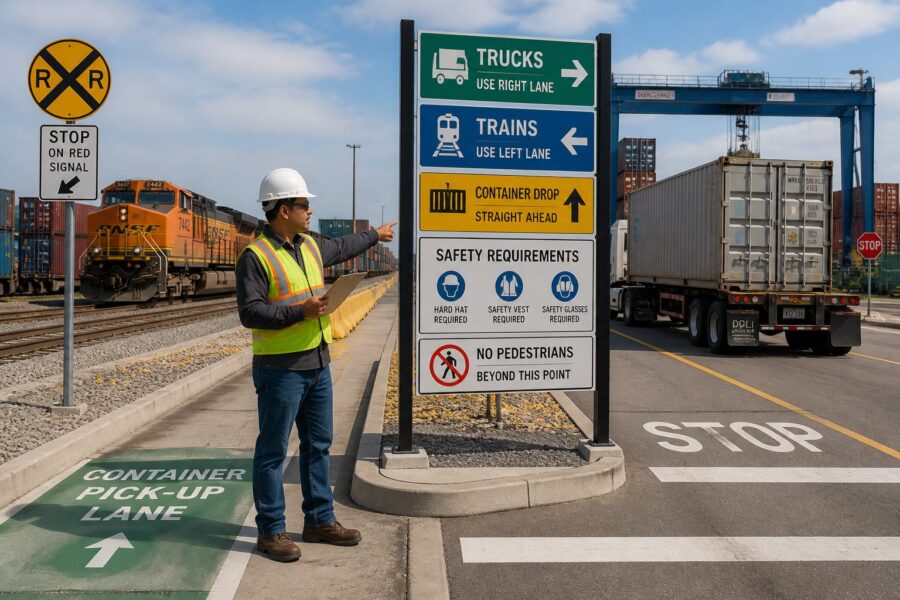
Intermodal terminal wayfinding is crucial for ensuring efficient operations in logistics environments where various transportation modes converge. This specialized navigation system differs significantly from standard logistics sites due to the complexity of coordinating multiple modes of transport, which requires a tailored approach to sign design and placement.
With the integration of truck, train, and container logistics, intermodal terminals require a unique approach to wayfinding that addresses the specific needs of each mode. Understanding these differences is essential for enhancing operational efficiency and safety in a setting where timely and accurate navigation can have significant impacts on performance and risk management.
What Makes Intermodal Terminal Wayfinding Different From Standard Logistics Sites
Intermodal terminals serve as hubs for various transport modes, making wayfinding more complex than in standard logistics sites that typically focus on a singular form of transport. The integration of multiple vehicle types necessitates clear and distinct signage to ensure safe and efficient navigation, as any ambiguity can result in operational delays and potential safety hazards.
Unlike traditional logistics sites, intermodal terminals must accommodate diverse operational requirements that arise from the simultaneous use of trucks, trains, and other transport vehicles. This includes coordinated movement for all modes of transport, which requires precise wayfinding strategies that can effectively guide each vehicle type to its designated area without causing confusion or congestion.
Additionally, intermodal terminal wayfinding must consider the unique physical layout of these facilities, which often includes multiple access points and pathways. The design of such terminals can lead to confusion without proper signage, highlighting the importance of having a comprehensive wayfinding system that directs users effectively throughout the terminal.
In standard logistics sites, the focus is often on a single mode of transport, such as trucking, which simplifies the wayfinding process significantly. However, intermodal facilities must balance the needs of various transportation methods, which adds layers of complexity to their wayfinding systems that are not typically encountered in more straightforward logistics operations.
Ultimately, an effective intermodal terminal wayfinding system enhances operational efficiency and safety, making it a critical component of logistics management. It facilitates smoother transitions between different transport modes, thereby reducing the risk of accidents and delays that can have cascading effects on overall operations.
Gate Entry and Exit Signs for Multi-Modal Vehicle Identification
Gate entry and exit signs are vital for managing multi-modal vehicle identification at intermodal terminals, serving as the first point of interaction for drivers. These signs must clearly indicate the designated entry and exit points for trucks and trains, ensuring a seamless flow of traffic that minimizes the potential for bottlenecks and confusion.
Effective signage can prevent congestion and enhance safety by directing vehicles to their appropriate locations, particularly in areas where trucks and trains may share space. Miscommunication in these zones can lead to accidents, making it imperative that the gate signs are not only visible but also easily understood by all drivers entering the terminal.
Additionally, gate signage should include information about vehicle identification requirements that are critical for compliance with local and national regulations. This can involve displaying specific instructions for commercial vehicles, which helps maintain compliance with regulatory standards and ensures that all vehicles are processed correctly as they enter and exit the facility.
Multi-modal vehicle identification is essential for tracking cargo and ensuring accountability within the terminal’s operations. By implementing clear and concise gate entry and exit signs, intermodal terminals can enhance their overall operational efficiency and ensure that all vehicles are accounted for throughout their journey.
Incorporating unique identifiers for different vehicle types also aids in improving the user experience for drivers navigating the terminal. This allows drivers to quickly understand where to go, minimizing delays and confusion during busy operational hours when time is of the essence.
Rail Spur and Loading Track Signs for Switching Operations
Rail spur and loading track signs play a crucial role in the efficient operation of switching operations at intermodal terminals, where precise movements are essential. These signs guide train operators to the correct tracks, ensuring that containers are loaded and unloaded without delay, which is critical for maintaining overall operational schedules.
Accurate signage is essential for minimizing the risk of collisions and operational errors, which can have serious consequences in a busy terminal environment. By providing clear instructions, rail spur signs enhance the safety and efficiency of train movements within the terminal, allowing for a more streamlined logistics process.
| Track Identifier | Loading Capacity | Destination |
|---|---|---|
| Track A | 1000 tons | Zone 1 |
| Track B | 1500 tons | Zone 2 |
| Track C | 1200 tons | Zone 3 |
| Track D | 900 tons | Zone 4 |
Moreover, these signs must be strategically placed to capture the attention of train operators who are often managing multiple tasks at once. This ensures that they are aware of any changes in track assignments or loading procedures, which can affect the efficiency of their operations and the timely delivery of cargo.
Effective rail spur and loading track signage not only aids in operational efficiency but also enhances safety protocols within the terminal. By reducing the potential for human error through clear visual guidance, terminals can maintain a higher standard of safety during switching operations, which is essential for protecting both personnel and cargo.
Container Stack Yard Numbering Systems and How to Navigate Them
The container stack yard numbering system is essential for efficient navigation within intermodal terminals, particularly when dealing with large volumes of containers. This system allows operators to locate and manage containers quickly and accurately, reducing the time spent searching for specific cargo and enhancing overall productivity.
Each stack yard should be clearly marked with a numbering system that is easy to understand and navigate. This can include alphanumeric codes or color-coded sections to facilitate quick identification of container locations, ensuring that operators can efficiently find what they need.
Furthermore, effective numbering systems can significantly reduce the risk of misplaced containers, which can lead to operational inefficiencies. When operators can quickly find the correct stack, it minimizes the potential for delays and enhances overall efficiency, contributing to a more streamlined terminal operation.
In addition, these systems should be integrated with other wayfinding tools, such as maps and digital displays, to provide comprehensive navigation support. By providing multiple resources for navigation, intermodal terminals can streamline operations and improve container handling, enhancing the overall user experience.
Overall, an organized container stack yard numbering system is vital for successful intermodal yard navigation, as it allows for efficient management of cargo spaces. It not only improves efficiency but also contributes to safety by reducing the chances of accidents during container retrieval and ensuring that all operations can proceed smoothly.
Crane Operating Zone Signs and Exclusion Area Markers
Crane operating zone signs and exclusion area markers are critical for maintaining safety in intermodal terminals, where heavy equipment operations are frequent. These signs help delineate areas where cranes and other heavy machinery are in operation, ensuring that pedestrians and vehicles remain at a safe distance from these potentially hazardous zones.
Clearly marked exclusion areas are essential to prevent accidents involving cranes and other heavy machinery, which can pose significant risks to nearby individuals. By providing visual cues, terminals can reduce the likelihood of unauthorized entry into high-risk zones, promoting a safer working environment for all personnel.
- Crane operation zones
- Pedestrian exclusion areas
- Warning signs for heavy equipment
- Emergency evacuation routes
- Safety gear requirements
These signs should be made of durable materials to withstand harsh environmental conditions that are common in terminal operations. Additionally, they should be placed in strategic locations to ensure maximum visibility for both operators and pedestrians, allowing everyone to stay informed about potential dangers.
By adhering to safety protocols and utilizing effective signage, intermodal terminals can significantly enhance safety measures throughout their operations. This commitment to safety is crucial for protecting workers and visitors in high-traffic areas where heavy equipment operates, ensuring that everyone can navigate the terminal without incident.
Customs and Inspection Area Routing Signs at Port Terminals
Customs and inspection area routing signs are essential for guiding vehicles through port terminals, particularly in environments where compliance with regulations is critical. These signs direct trucks and containers to designated customs checkpoints, ensuring that all necessary inspections are conducted efficiently and effectively.
Effective routing signage helps expedite the inspection process, reducing wait times and improving overall efficiency for both the terminal and the drivers. By clearly marking routes, terminals can facilitate smoother operations during customs inspections, which is vital for maintaining schedules and operational integrity.
Incorporating bilingual signage can further enhance comprehension for international drivers who may not be fluent in the primary language used at the terminal. This ensures that all vehicle operators understand the necessary procedures and requirements while navigating through the terminal, thereby minimizing the potential for confusion or errors.
Additionally, these signs should include information on inspection protocols and any required documentation, which can help streamline the process and ensure that all vehicles are properly checked without unnecessary delays. By providing this information upfront, terminals can further enhance the efficiency of their customs operations and improve overall throughput.
Ultimately, clear customs and inspection area routing signs are vital for maintaining compliance and operational efficiency within intermodal terminals. They play a crucial role in the overall functioning of port terminals, especially in busy environments where the need for precise navigation is paramount to success.
Dynamic Digital Signs for Real-Time Bay and Track Assignment
Dynamic digital signs are becoming increasingly important in intermodal terminal wayfinding, providing an innovative solution to the challenges of real-time information dissemination. These signs offer up-to-date information on bay and track assignments, which is critical for ensuring that operations run smoothly and efficiently.
By displaying real-time data, terminals can minimize confusion and improve decision-making processes among operators and drivers. This timely information ensures that all users can quickly adjust their plans based on changing conditions, which is essential in a fast-paced logistics environment.
Moreover, dynamic signs can enhance communication between different operational teams working within the terminal. This promotes better coordination and collaboration among staff members, which is essential in a multi-modal environment where simultaneous operations often occur.
Integrating these digital signs with existing logistics management systems can further enhance operational efficiency by enabling automated updates and reducing the reliance on manual communication methods that can be prone to errors. This integration allows for a seamless flow of information that is vital for maintaining high levels of productivity within the terminal.
As logistics operations continue to evolve and become more complex, dynamic digital signs will play a crucial role in maintaining a competitive edge for intermodal terminals. They provide the flexibility needed to adapt to real-time changes in bay and track assignments, ensuring that operations remain agile and responsive.
Pedestrian Safety Wayfinding in Areas Shared With Heavy Equipment
Pedestrian safety wayfinding is paramount in intermodal terminals, especially in areas shared with heavy equipment where the potential for accidents is heightened. Clear signage and well-defined pathways can help mitigate the risks associated with pedestrian traffic in these environments, which are often bustling with activity.
Effective pedestrian wayfinding systems should include designated walkways, crossing points, and clear warnings about heavy equipment operations. This ensures that pedestrians remain informed and safe while navigating through busy terminals, helping to prevent accidents and enhance overall safety.
Furthermore, regular training and safety drills can enhance awareness among both pedestrians and equipment operators, fostering a culture of safety. This collaborative effort helps to create an environment where everyone is vigilant and proactive in preventing accidents, which is essential in high-risk areas.
In addition, implementing visual and auditory cues can further improve pedestrian safety by providing multiple layers of information. This includes clear markings, signals, and announcements to alert individuals to potential hazards, thereby ensuring that everyone remains aware of their surroundings.
Ultimately, prioritizing pedestrian safety in intermodal terminals is essential for reducing accidents and enhancing operational efficiency. By investing in effective wayfinding strategies, terminals can create a safer environment for all users, ensuring that both pedestrian and operational needs are met without compromise.
Wayfinding Standards for SOLAS-Compliant Port Facility Operations
Wayfinding standards for SOLAS-compliant port facility operations ensure that safety regulations are met and adhered to within terminal environments. These standards guide the design and implementation of signage systems that enhance safety and operational efficiency, providing a framework for effective navigation in complex logistics settings.
Compliance with SOLAS regulations is particularly important for international shipping and logistics, as it reinforces the commitment to safe practices across borders. Adhering to these standards helps facilitate safer operations and enhances the overall integrity of port facilities, making them more reliable for global trade.
Additionally, these standards should be regularly reviewed and updated to reflect changes in regulations and best practices that emerge within the industry. This proactive approach ensures that intermodal terminals remain compliant and can adapt to evolving safety requirements, which is essential for maintaining operational excellence.
Furthermore, training staff on these standards is crucial for maintaining safety protocols and ensuring that everyone understands their importance. This empowers employees to recognize and respond to potential hazards effectively, creating a culture of safety that permeates every level of terminal operations.
Ultimately, implementing wayfinding standards for SOLAS-compliant operations is essential for promoting safety in intermodal terminals. By ensuring compliance and fostering a culture of safety awareness, terminals can enhance their operational capabilities and maintain a high standard of service, which is vital for success in the competitive logistics industry.