
The importance of food safety regulations in processing plants cannot be overstated, as they serve as the backbone of safe food production. These regulations significantly influence wayfinding decisions, ensuring that food production facilities uphold the highest standards of hygiene and safety, thereby protecting both consumers and employees.
Implementing effective wayfinding systems is crucial for compliance with these regulations, as they facilitate navigation through complex environments. Proper signage not only guides employees in their daily tasks but also mitigates risks associated with cross-contamination and foodborne illnesses, which can have severe repercussions for public health.
Why Food Safety Regulations Drive Wayfinding Decisions in Processing Plants
Food safety regulations dictate the layout and organization within food production facilities, ensuring that all operations are conducted in a safe manner. This necessitates the development of strategic wayfinding solutions that align with hygiene standards, creating a systematic approach to maintaining cleanliness and safety throughout the production process.
Wayfinding systems must clearly define zones within the facility to prevent cross-contamination, which is essential for maintaining the integrity of food safety. This includes identifying specific areas such as processing, packing, and storage zones, each with its own set of hygiene protocols that staff must follow diligently.
The implementation of hygiene zone classification is vital for maintaining cleanliness and safety in food production environments. Signage must be clear and visible to ensure compliance with safety regulations, allowing employees to quickly understand the specific requirements associated with each zone they enter.
Effective wayfinding can enhance operational efficiency while ensuring regulatory compliance, which is crucial in a sector where safety is paramount. By following these guidelines, food production facilities can minimize risks and improve overall safety for both their staff and the products they produce.
Hygiene Zone Classification Signs: High Care, High Risk and Ambient Areas
Hygiene zone classification signs are essential for delineating areas within a food plant, providing a visual guide that emphasizes the importance of hygiene. These signs typically categorize zones as High Care, High Risk, or Ambient, each with distinct hygiene requirements that reflect their respective levels of sensitivity to contamination.
High Care zones require the strictest hygiene protocols, including specialized cleaning regimens and limited access to mitigate risks. High Risk areas also demand rigorous standards but may have slightly more lenient measures compared to High Care zones, allowing for some flexibility while still prioritizing safety.
Ambient areas, while less critical, still require general cleanliness and organization to prevent issues that could arise from neglect. Clearly marked signs help staff understand the specific requirements for each zone, reinforcing the need for vigilance in maintaining hygiene standards.
These classification signs also serve as reminders for staff about the importance of maintaining hygiene standards consistently throughout their shifts. Proper signage can significantly reduce the risk of contamination and ensure food safety, making it a vital component of a well-functioning food production facility.
Traffic Flow Directional Signs That Prevent Cross-Contamination
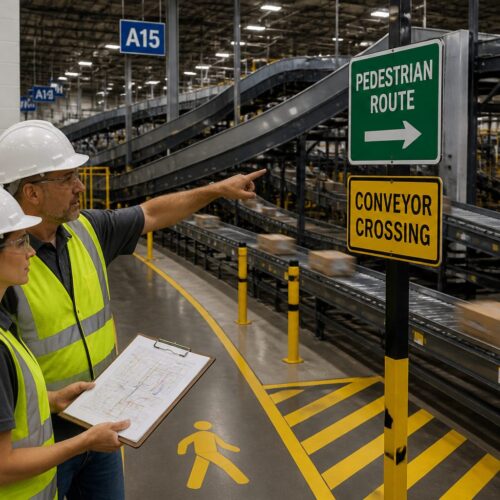
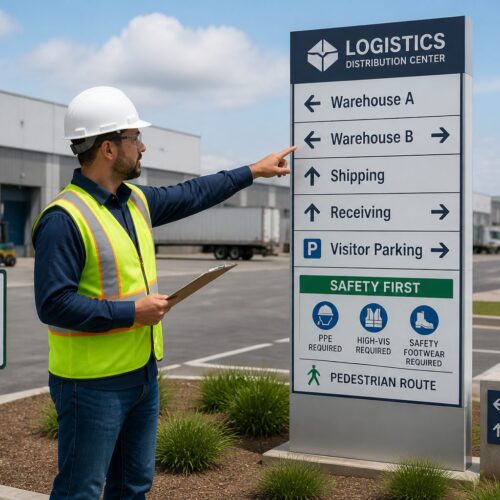
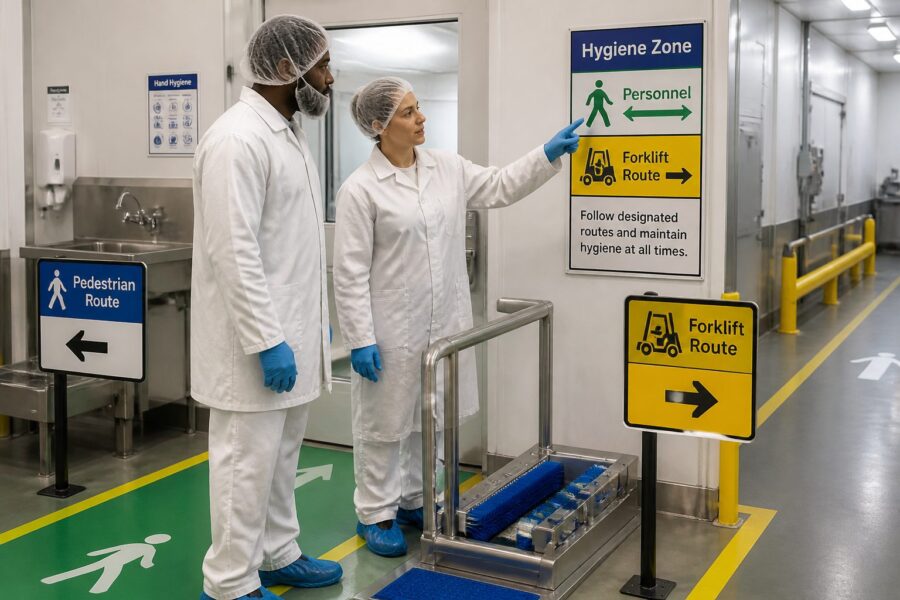
Traffic flow directional signs play a pivotal role in managing movement within food processing facilities, acting as essential navigational aids. They are designed to guide staff and equipment in a manner that minimizes the risk of cross-contamination, an issue that can severely impact food safety.
By establishing clear pathways for personnel and materials, these signs help maintain the integrity of hygiene zones, ensuring that employees can move efficiently without inadvertently contaminating sensitive areas. Effective traffic flow can prevent the mixing of high-risk and low-risk areas, which is crucial for maintaining overall safety in food production.
| Sign Type | Purpose | Location |
|---|---|---|
| Entry Signs | Indicate entrance to High Care areas | Before hygiene zone entry |
| Exit Signs | Guide personnel out of High Risk zones | Near exits |
| Directional Arrows | Show path to sanitation stations | Throughout facility |
| Zone Markers | Define boundaries of each hygiene zone | At zone transitions |
Proper placement of these signs is crucial to ensure that they are visible and easily understood by all staff members. Continuous staff training on traffic flow protocols further enhances the effectiveness of these wayfinding systems, reinforcing the importance of adhering to established routes.
Sanitation Station Location Signs at Zone Transition Points
Sanitation station location signs are critical at transition points between different hygiene zones, serving as important reminders for staff. They remind personnel to sanitize before entering areas with stricter hygiene requirements, thereby reducing the risk of cross-contamination.
These signs should be clearly visible, positioned at eye level, and include easy-to-understand graphics that convey the message effectively. This ensures that all personnel comply with sanitation protocols effectively, reinforcing the facility’s commitment to food safety.
Using bright colors and large fonts can enhance visibility and recognition of sanitation stations, making it easier for staff to locate these essential facilities. Additionally, incorporating pictograms can help overcome language barriers in diverse workplaces, ensuring that all employees understand the importance of sanitation.
Regular audits should include checks of sanitation station signage to ensure they remain compliant and effective in conveying the necessary information. This is vital in maintaining an environment that prioritizes food safety and ensures that all personnel are aware of the importance of proper sanitation practices.
Allergen Separation Area Signs and Their Placement Requirements
Allergen separation area signs are crucial for preventing cross-contact with allergens in food production, as they help to protect consumers with food allergies. These signs must be strategically placed throughout the facility to clearly identify areas designated for specific allergens, reducing the risk of inadvertent contamination.
Placement should be at all entry points to allergen-sensitive areas, ensuring that staff is aware of the specific protocols before entering these zones. Additionally, these signs should be supplemented with clear labeling on containers and equipment to further enhance allergen management strategies.
- Clearly marked allergen zones that are easily identifiable by all staff
- Visual reminders for staff to enhance awareness and compliance
- Regular audits of signage to ensure effectiveness and accuracy
- Training staff on allergen management protocols to reinforce safety
- Use of color coding for quick identification of allergen zones
These measures enhance the effectiveness of allergen management strategies within the facility, ensuring that risks are minimized. Proper signage and training are key components of a successful allergen control program, leading to a safer environment for all consumers.
Waste and By-Product Routing Signs in Food Processing Facilities
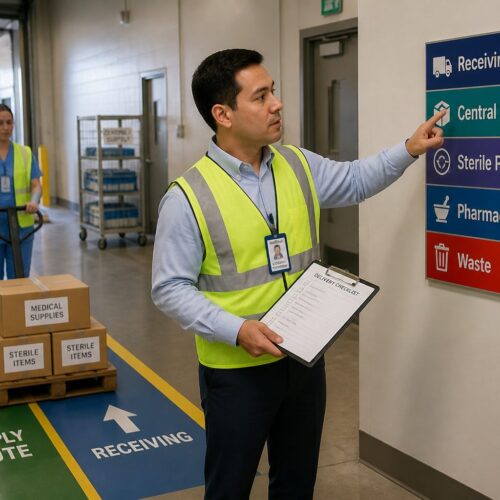
Waste and by-product routing signs are essential for maintaining cleanliness in food processing facilities, as they guide staff on the proper handling and disposal of waste materials. Clear signage helps prevent contamination by directing waste away from food production areas, thereby protecting both products and employees.
These signs should clearly mark routes for waste disposal to minimize cross-contamination with food production areas, ensuring that all staff are aware of the correct procedures. Properly placed signs can also help streamline operations and improve efficiency, allowing for a more organized workflow.
Waste routing signage must be regularly maintained to ensure visibility and compliance with safety standards, as faded or damaged signs can lead to confusion and potential hazards. Regular inspections can help identify areas for improvement or adjustments in waste management protocols that may be necessary.
By implementing clear waste routing signs, food production facilities can enhance their overall hygiene practices, contributing to a cleaner and safer environment for both staff and products. This proactive approach helps to foster a culture of safety and accountability within the organization.
Visitor and Contractor Wayfinding in Regulated Production Areas
Visitor and contractor wayfinding is a crucial aspect of maintaining safety and compliance in food processing plants, as it helps ensure that non-employees do not inadvertently disrupt critical processes. Clear signage is essential to guide non-employees through regulated areas without compromising food safety, allowing for a smooth visit experience.
Effective visitor wayfinding includes orientation materials, maps, and specific instructions about hygiene protocols to ensure that all visitors understand the importance of hygiene zones and the need for compliance. This comprehensive approach helps to create an informed environment where visitors can respect the facility’s safety standards.
Providing visitors with necessary personal protective equipment (PPE) is crucial before entering production areas, ensuring that they are adequately equipped to minimize any potential risks. Additionally, staff should accompany visitors to ensure adherence to safety protocols, further reinforcing the facility’s commitment to maintaining high safety standards.
Contractors should receive specific training on the facility’s hygiene standards and protocols, familiarizing them with the unique requirements of the environment they will be working in. Clear signage should also mark areas where contractors can perform their work without disrupting production, ensuring that their activities do not interfere with the food safety processes in place.
Color-Coded Zone Boundary Flooring Combined With Overhead Sign Systems
Color-coded zone boundary flooring is an innovative approach to enhance wayfinding in food production facilities, as it provides a visual cue that helps staff navigate through different hygiene zones. This method visually separates different hygiene areas, reinforcing safety protocols through design and making it easier for employees to understand their surroundings.
When combined with overhead sign systems, the effectiveness of these visual cues is amplified, creating a comprehensive wayfinding experience. Staff can quickly identify which areas require specific hygiene practices based on color and signage, enhancing their awareness and promoting compliance with safety protocols.
Using contrasting colors helps to ensure that boundaries between zones are easily identifiable, reducing the chances of accidental cross-contamination between areas that require different hygiene measures. This visual differentiation is especially important in busy environments where quick decisions are often necessary.
Overall, color-coded flooring paired with overhead signs creates an intuitive navigation system that enhances safety. This approach promotes compliance and fosters a culture of safety within food production facilities, ultimately benefiting both employees and consumers.
HACCP and BRC Audit Expectations for Food Facility Wayfinding
HACCP (Hazard Analysis Critical Control Point) and BRC (British Retail Consortium) audits have specific expectations regarding facility wayfinding, which are essential for maintaining high standards of food safety. Compliance with these standards is not only crucial for passing audits but also for ensuring that food production facilities operate safely and efficiently.
Wayfinding systems must be documented and regularly reviewed to meet audit criteria, ensuring that all signage and protocols are up-to-date. Auditors will look for effective signage that guides staff through hygiene zones and ensures adherence to safety protocols, as this is a key component of maintaining compliance.
Regular training and updates on wayfinding systems are crucial for maintaining compliance with HACCP and BRC standards, as all personnel must be familiar with their surroundings and the importance of following established protocols. This ongoing education helps to foster a culture of safety and accountability within the facility.
By adhering to these audit expectations, food production facilities can improve their operational efficiency and safety, significantly reducing the risk of foodborne illnesses. This ultimately contributes to higher standards of food safety and quality, ensuring that consumers receive safe, reliable products.