
In industries where workers are exposed to heights, fall hazards are a significant concern that can lead to devastating consequences if not properly managed. Implementing effective safety measures, such as fall protection pictograms, is crucial to ensure the well-being of employees who work in these high-risk environments where the potential for accidents is ever-present.
Pictograms serve as a universal language, conveying essential safety information quickly and effectively to individuals regardless of their native language. This visual communication is especially important in environments where clear verbal instructions may not be feasible due to noise, distraction, or language barriers, making pictograms an invaluable tool for ensuring worker safety.
As workplaces increasingly adopt international safety standards, understanding the scale of fall hazards and the role of pictograms becomes vital for maintaining compliance and protecting employees. This article will explore the significance of these symbols in preventing accidents, reducing liabilities, and ensuring compliance with both local and international safety regulations.
The Scale of Fall Hazards and Why Pictograms Are a First Line of Defense
Fall hazards can lead to serious injuries or fatalities, making it essential to recognize their scale and the various contexts in which they occur. By identifying potential risks associated with working at heights, employers can implement appropriate measures and strategies to protect their workforce, thereby fostering a safer work environment.
Pictograms act as a first line of defense by providing immediate visual warnings about these hazards, effectively alerting workers to potential dangers at a glance. They help workers understand the risks without the need for extensive training or lengthy explanations, thereby streamlining the process of hazard recognition in high-pressure situations.
The use of fall hazard warning symbols can facilitate quicker recognition of dangers, which is crucial in urgent situations where every second counts. When workers see these symbols, they are alerted to take necessary precautions, potentially preventing accidents that could have serious consequences for their safety and well-being.
Moreover, pictograms can foster a safety culture within organizations, encouraging employees to remain vigilant and proactive about their own safety and that of their colleagues. A well-placed symbol can serve as a constant reminder of safety protocols and best practices, reinforcing the importance of adherence to safety measures in every aspect of their work.
Ultimately, integrating fall protection pictograms into the workplace environment can significantly reduce the risk of accidents and injuries. This proactive approach ensures that safety remains a top priority for all workers, instilling a sense of responsibility and awareness in every employee regarding the hazards they may face.
ISO 7010 Fall Hazard Symbols and Their Proper Use Cases
ISO 7010 outlines standardized symbols for safety signs, including those related to fall hazards, which are designed to be easily understood across different cultures and languages. These symbols are recognized internationally, making them essential for global compliance and helping organizations meet safety standards in various jurisdictions.
Each symbol serves a specific purpose and must be used correctly to convey the intended message effectively. For example, the fall hazard warning symbol alerts workers to risks associated with working at heights, ensuring they take appropriate actions to safeguard themselves.
Proper use of these symbols helps ensure that workers understand the necessary precautions they must take while on the job. This understanding can prevent accidents and promote safer work practices that contribute to a culture of safety within the organization.
Employers must provide training on the meaning of these symbols to reinforce their importance and ensure that all employees are aware of the hazards they may encounter. This proactive measure ensures that every worker knows how to respond appropriately to potential hazards, thereby reducing the likelihood of accidents and injuries.
In addition to training, regular audits of symbol placement and visibility can enhance safety compliance by ensuring that all workers can easily see and understand the warnings. By maintaining clear and accessible pictograms, organizations can foster a safer workplace culture that prioritizes the well-being of their employees.
Harness Required Pictograms: Where and How to Post Them
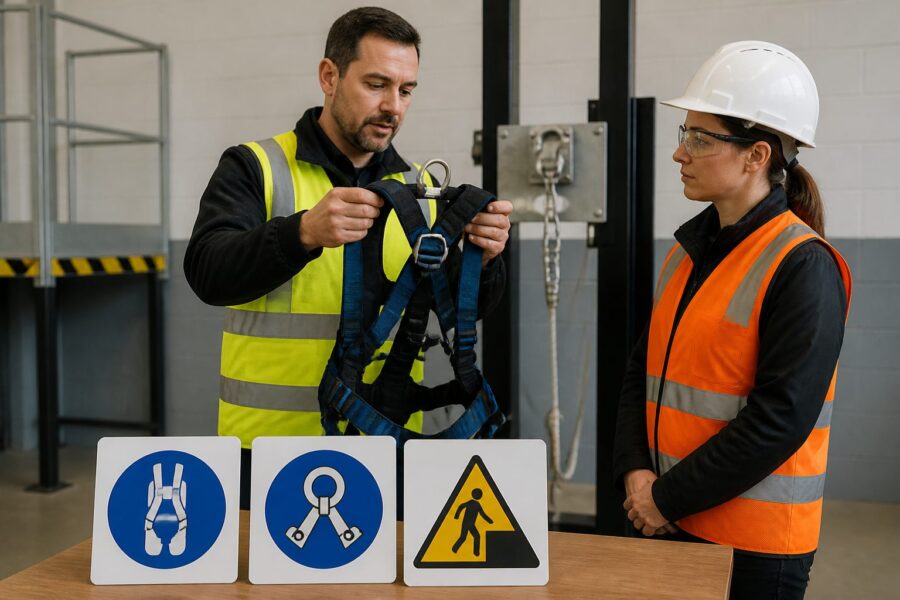
Harness required pictograms are essential for indicating when personal protective equipment is necessary, particularly in environments where workers are exposed to fall hazards. These symbols must be strategically placed in areas where fall hazards are prevalent, ensuring that workers are aware of the need for protective gear before they encounter any dangers.
For maximum effectiveness, these pictograms should be located at all entry points to elevated work areas, such as ladders, scaffolds, and rooftops. This ensures that workers are immediately aware of the need for fall protection before they proceed, thereby reducing the risk of accidents related to inadequate safety measures.
| Location | Recommended Action | Notes |
|---|---|---|
| Construction Sites | Post at all access points | Visible from a distance |
| Rooftops | Place at ladder access | Ensure weather-resistant material |
| Scaffolding | Attach to scaffold frames | Check for visibility |
| Elevated Platforms | Display near controls | Use durable signage |
Additionally, these pictograms should be accompanied by clear instructions on how to use the harness properly, detailing the steps workers must follow to ensure their safety. Training sessions can reinforce the importance of compliance with these safety measures, helping to ensure that workers understand the critical role that harnesses play in preventing falls.
Regular inspections of symbol visibility and clarity are crucial for ongoing safety compliance, as faded or damaged signs may lead to misunderstandings about safety protocols. This ensures that employees remain aware of the hazards and the required safety equipment, contributing to a safer work environment.
Anchor Point Pictograms and Load Rating Labels for Tie-Off Hardware
Anchor point pictograms are critical for indicating secure tie-off points for fall protection systems, allowing workers to identify where they can safely attach their harnesses. These symbols help ensure that employees understand the importance of using designated anchor points to prevent falls when working at heights.
In addition to pictograms, load rating labels should be prominently displayed on all tie-off hardware, providing essential information about the maximum weight capacity. This information is crucial for ensuring that the equipment can support the weight of the user, thus preventing failures that could lead to serious accidents.
Proper placement of these pictograms is vital in areas where tie-off points are used frequently, as workers must have clear access to this information to make safe choices while working at heights. Ensuring that these symbols are visible and understandable helps promote a culture of safety and responsibility among employees.
Employers should regularly inspect anchor points to ensure they remain secure and operational, as compromised tie-off points can pose significant risks to workers. This practice not only protects workers but also promotes a culture of safety within the organization, reinforcing the importance of vigilance in maintaining equipment integrity.
Implementing a standardized system for labeling and pictogram use can enhance overall safety by creating a consistent approach to hazard communication. By doing so, organizations can significantly reduce the risk of falls and associated injuries, ultimately protecting their most valuable asset: their workforce.
Open Edge and Leading Edge Warning Signs for Construction Sites
Open edge and leading edge warning signs are essential for alerting workers to potential fall hazards on construction sites, where unprotected edges can pose significant risks. These signs must be placed where there is a risk of falling off an edge or ledge, ensuring that workers remain aware of their surroundings and the dangers that may be present.
These warning symbols should be easily visible and understandable to ensure compliance, as workers must be aware of these dangers to take appropriate precautions when working near edges. The effectiveness of these signs is enhanced when they are accompanied by clear instructions regarding safe practices and behavioral expectations in these areas.
- Prominent placement near edges
- Use of bright colors for visibility
- Regular inspections of signage
- Incorporation into safety training
- Clear instructions on precautions
Employers should ensure that these warning signs are not obstructed by materials or equipment, as obstructions can lead to confusion and increase the likelihood of accidents occurring. This guarantees that workers always have a clear view of the hazards present, allowing them to make informed decisions about their safety.
Incorporating these symbols into daily safety briefings can reinforce their importance and ensure that workers remain vigilant about potential fall hazards. A culture of safety is fostered when workers are encouraged to prioritize their safety and that of their colleagues through ongoing education and awareness efforts.
Roof Access Pictograms: Communicating Restrictions and Requirements
Roof access pictograms play a crucial role in communicating restrictions and requirements for working on rooftops, where the risk of falls is particularly high. These symbols ensure that only authorized personnel enter these high-risk areas, thereby minimizing the potential for accidents and injuries among unauthorized individuals.
Employers must post these pictograms at all access points to rooftops, ensuring that the message is clear and unmistakable. This practice helps mitigate the risk of unauthorized access and potential accidents by creating a visual barrier that communicates the need for caution and adherence to safety protocols.
Additionally, clear instructions accompanying the pictograms can enhance understanding of the specific requirements for roof access, including the use of fall protection gear and adherence to safety protocols. These instructions should be readily available to all workers who may need to access the roof, ensuring they are well-informed about the necessary precautions.
Training sessions should focus on the significance of these pictograms, emphasizing the importance of following guidelines to maintain safety standards. Reinforcing the importance of adhering to these guidelines can help maintain a safe working environment, ultimately protecting workers from preventable accidents.
Regular audits of roof access areas and pictogram visibility ensure ongoing safety compliance and raise awareness among workers about potential hazards. This proactive approach helps minimize risks associated with rooftop work and fosters a culture of safety that prioritizes employee well-being.
Ladder Safety Pictograms: Three Points of Contact and Load Limit Icons
Ladder safety pictograms are essential for promoting safe practices when using ladders, which are common tools in various industries. The three points of contact symbol reminds workers to maintain stability while climbing, which is crucial for preventing falls and ensuring the safety of personnel working at elevated heights.
In addition to the contact icon, load limit icons provide critical information about the maximum weight capacity of the ladder. This knowledge is vital for preventing accidents related to overloading, as exceeding the weight limit can lead to ladder failure and serious injuries.
Employers should place these pictograms at the base of ladders for immediate visibility, especially before workers begin using the equipment. This placement ensures that workers are reminded of safety guidelines before they start climbing, reinforcing the importance of adherence to safety practices.
Incorporating ladder safety training into regular safety briefings can reinforce these important practices and ensure that all employees understand the significance of the pictograms. A well-trained workforce is more likely to adhere to safety protocols, resulting in fewer accidents and a safer work environment overall.
Regular inspections of ladder conditions and symbol visibility are essential for ongoing compliance, as this helps identify any issues that may compromise safety. This proactive measure can help prevent accidents and promote a culture of safety where every worker feels empowered to prioritize their well-being and that of others.
Scaffold Warning Symbols: What Each Icon on a Scaffold Tag Means
Scaffold warning symbols are critical for ensuring safety when working on scaffolds, which are commonly used in construction and maintenance tasks. Each icon on a scaffold tag conveys specific information about safety measures and requirements that workers must follow to protect themselves while on the job.
Understanding these symbols is essential for workers to comply with safety standards and to recognize the specific hazards associated with scaffold use. This knowledge can significantly reduce the risk of accidents on construction sites, ultimately saving lives and preventing serious injuries.
Employers should ensure that scaffold tags are clearly visible and easily understood by all workers who may be using the scaffolds. This visibility promotes adherence to safety protocols and enhances overall site safety by ensuring that workers are constantly aware of the potential hazards.
Training sessions should cover the meaning of each scaffold warning symbol, helping workers to familiarize themselves with the icons and their implications. Reinforcing this knowledge can help maintain a culture of safety within the organization, where every employee understands the importance of following safety guidelines.
Regular inspections of scaffold tags and their associated symbols ensure ongoing compliance with safety standards. This proactive approach is critical to maintaining a safe working environment, as it helps identify and address any issues that may arise in the course of operations.
Designing a Comprehensive Fall Protection Pictogram Program
Designing a comprehensive fall protection pictogram program is essential for enhancing workplace safety and preventing accidents related to fall hazards. This program should include a variety of symbols that address different fall hazards found in various work environments, ensuring that all potential risks are adequately covered.
Employers should conduct a thorough risk assessment to identify areas that require specific pictograms and to evaluate the unique challenges faced by their workforce. This assessment will guide the development of an effective pictogram strategy that meets the specific needs of the organization and its employees.
Incorporating visual aids into safety training can reinforce understanding of these symbols and their meanings, helping to ensure that workers are aware of the associated risks and safety measures they must follow. This approach not only enhances knowledge but also empowers employees to take responsibility for their safety while on the job.
Regular updates to the pictogram program are necessary to reflect any changes in safety standards or regulations that may arise over time. This proactive measure keeps the safety program relevant and effective, ensuring that workers are always informed about the latest safety practices and guidelines.
Ultimately, a well-designed fall protection pictogram program can significantly decrease the likelihood of accidents and injuries in the workplace. By prioritizing safety, organizations can create a safer work environment for everyone, fostering a culture of responsibility and vigilance that benefits all employees.