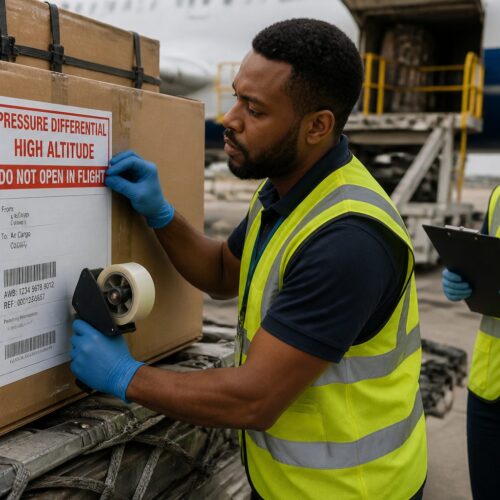


The development of ISO standards involves extensive collaboration among experts from around the world, ensuring a broad consensus on best practices. This collaborative process results in robust and widely accepted guidelines that foster trust and reliability in products and services. Many countries adopt ISO standards directly or incorporate them into their national regulations.
Embracing ISO label standards positions a company for seamless integration into global supply chains and markets. It reduces the need for region-specific labeling adaptations, saving time and resources while enhancing overall compliance. For businesses with international ambitions, ISO offers an undeniable advantage in communication and market access.
Key Differences in Approach: ANSI vs. ISO
While both ANSI and ISO aim to standardize safety and logistics symbology, their scope, development processes, and primary audiences differ significantly. Understanding these distinctions is paramount for any business deciding which set of label standards to implement. The choice often depends on a company’s geographical reach and regulatory obligations.
ANSI standards are primarily focused on the United States market, reflecting American legal and cultural contexts, while ISO standards possess a truly international scope. This fundamental difference informs many of their specific requirements for symbols, colors, and text. The table below outlines some critical comparative points between the two organizations and their approaches to labeling.
| Feature | ANSI (American National Standards Institute) | ISO (International Organization for Standardization) | Key Implication |
|---|---|---|---|
| Primary Scope | United States (National) | Global (International) | Market reach and regulatory compliance |
| Development Process | Accredits U.S. standards developers; consensus-based within the U.S. | International consensus among national bodies | Reflects regional vs. global perspectives |
| Symbol Design Philosophy | Often includes text panels alongside symbols for clarity | Primarily relies on graphical symbols for universal understanding | Text reliance vs. visual universality |
| Color Coding | Specific color codes for hazard levels (e.g., Red for Danger, Orange for Warning) | More emphasis on shape and symbol, with general safety colors (e.g., Red for Prohibition, Yellow for Warning) | Differences in visual hierarchy and interpretation |
| Key Standard Examples | ANSI Z535 series for safety signs and labels | ISO 7010 for safety signs, ISO 3864 for design principles | Specific guidelines for practical application |
| Market Acceptance | Dominant in North American industries and regulations | Widely accepted and often mandated globally | Crucial for export markets and international operations |
Why Standards Matter: Safety, Efficiency, and Compliance
The adoption of robust labeling standards, whether ANSI or ISO, is not merely a bureaucratic checkbox but a foundational element of operational excellence. Standardized symbols and labels directly contribute to enhanced safety environments, streamlined logistical processes, and undeniable regulatory compliance. Companies that neglect these standards face significant risks.
In terms of safety, clear and consistent warning labels prevent accidents by communicating hazards effectively to everyone in a facility. A universally understood safety symbol reduces misinterpretations, especially in diverse workforces or high-stress situations, ensuring that critical information is conveyed instantly. This proactive approach saves lives and prevents injuries.
From a logistics perspective, standardized labeling significantly improves efficiency across the entire supply chain, from warehouse operations to global shipping. Consistent product identification, handling instructions, and hazard warnings facilitate faster processing, reduce errors, and minimize delays. This translates directly into cost savings and improved customer satisfaction.
Compliance with established standards is also a non-negotiable aspect of doing business in regulated industries. Governments and international bodies often mandate the use of specific safety and logistics symbols to protect workers and consumers. Non-compliance can lead to hefty fines, legal action, and even forced shutdowns, severely impacting a company’s viability.
Beyond legal requirements, adhering to these standards builds trust and credibility with customers, partners, and employees. It demonstrates a commitment to safety and quality, which strengthens a company’s brand reputation in the market. Ultimately, investing in proper labeling standards is an investment in long-term business success and sustainability.
Effective labeling also supports training programs, making it easier for new employees to quickly grasp safety procedures and operational protocols. When symbols are consistent, the learning curve is reduced, and the risk of human error decreases. This integrated approach to safety and logistics ensures a safer, more productive work environment for everyone involved.
Applying Standards: Sector-Specific Considerations
The choice and application of ansi vs iso label standards are rarely one-size-fits-all, as different industries have unique requirements and priorities. What works for a domestic manufacturing plant might not be suitable for an international shipping hub, necessitating a tailored approach to labeling. Understanding these sector-specific nuances is critical for effective implementation.
In the manufacturing sector, especially within the United States, ANSI Z535 standards for machine safety and facility warnings are often the benchmark. These standards ensure that equipment hazards and operational instructions are clearly communicated to factory workers. However, a manufacturer exporting machinery to Europe would need to incorporate ISO 7010 symbols to meet international directives.
For the logistics and warehousing industry, the emphasis is heavily on efficient and safe material handling. While internal warehouse operations in the US might use ANSI-compliant signage for forklift safety, international shipments demand ISO-compliant pictograms for handling instructions and hazard identification. This dual requirement ensures smooth transit across borders.
The healthcare sector faces stringent regulations regarding patient safety and hazardous materials management. In the US, OSHA and other bodies often reference ANSI standards for chemical labeling and facility safety signs, while globally, ISO standards for medical device symbols and biohazard warnings are widely adopted. Hospitals and pharmaceutical companies must carefully navigate these layers of requirements.
Transportation, particularly air and sea freight, relies heavily on international standardization due to its inherently global nature. ISO symbols for dangerous goods, cargo handling, and emergency procedures are indispensable for ensuring safety and compliance across different countries and jurisdictions. National variations, however, sometimes require additional ANSI-style markings for domestic legs of transport.
Even within the construction industry, safety symbols on equipment and at job sites often follow ANSI guidelines in North America. However, large international construction projects might opt for ISO-compliant signage to ensure all workers, regardless of origin, understand critical safety messages. This adaptability demonstrates the dynamic nature of standards application.
Navigating Regional Mandates and Market Expectations
The decision between ANSI and ISO label standards is not purely a matter of preference; it is frequently dictated by legal mandates and the expectations of your target markets. Operating internationally means confronting a patchwork of regulations where adherence to specific standards is often a prerequisite for market entry. Ignoring these regional requirements can lead to significant market access issues.
For companies primarily serving the North American market, ANSI standards are typically the default and often legally required for safety and product labeling. Conversely, if your products are destined for Europe, Asia, or South America, ISO standards will almost certainly be necessary for compliance and market acceptance. Understanding these geographical imperatives is fundamental to your labeling strategy.
- Identify primary sales regions for products.
- Research local regulatory bodies and their preferred standards.
- Consult with international trade experts for specific market requirements.
- Assess supply chain partners’ existing standards adherence.
- Consider linguistic diversity of your end-users.
- Evaluate potential for future market expansion.
- Determine if dual labeling (ANSI and ISO) is necessary.
Designing for Clarity: Best Practices in Labeling
Regardless of whether you choose ANSI or ISO label standards, the ultimate goal of any symbol or label is clear, unambiguous communication. Effective design principles are crucial to ensure that safety warnings and logistics instructions are immediately understood by everyone who sees them. Poorly designed labels, even if technically compliant, can still lead to confusion and accidents.
One best practice involves prioritizing visibility and legibility; labels must be appropriately sized for the viewing distance and environment. Contrast between symbols, text, and backgrounds is also vital, ensuring readability even in challenging lighting conditions. The placement of labels on machinery, products, or within a warehouse must be intuitive and consistent.
Using universally recognized symbols, consistent with either ANSI or ISO guidelines, minimizes the need for extensive training or language translation. While ANSI often includes text panels for added clarity, ISO relies heavily on the power of graphical symbols to convey meaning instantly. Choosing the right balance for your audience is a key design consideration.
Color coding also plays a significant role in conveying urgency and type of hazard. Both ANSI and ISO have specific color palettes associated with different levels of danger or information categories. Adhering strictly to these color conventions reinforces the message and allows for quicker comprehension, especially in high-risk environments.
Regular review and update of labeling are also essential best practices. As equipment changes, processes evolve, or new hazards are identified, labels must be updated to reflect the current situation accurately. This proactive approach ensures that your safety and logistics symbology remains effective and relevant over time, preventing outdated information from causing issues.
Finally, involving end-users in the design and testing phases can provide invaluable feedback on label clarity and effectiveness. What seems clear to a designer might be confusing to someone operating heavy machinery or navigating a busy warehouse. User testing ensures that the labels truly serve their intended purpose of clear, concise communication.
The Cost of Non-Compliance: Risks and Repercussions
Ignoring established ANSI vs ISO label standards carries significant risks that extend far beyond simple inconvenience or minor fines. The repercussions of non-compliance can be catastrophic, impacting human lives, financial stability, and a company’s long-term reputation. Businesses must understand the severe consequences of failing to adhere to proper safety and logistics symbology.
One of the most immediate and devastating risks is an increased incidence of accidents and injuries in the workplace. Unclear or absent safety labels can lead to workers mishandling hazardous materials, operating machinery incorrectly, or failing to identify emergency exits. Such incidents result in human suffering, lost productivity, and potentially wrongful death lawsuits.
Financially, non-compliance can trigger substantial penalties from regulatory bodies. Government agencies like OSHA in the US or similar organizations internationally impose heavy fines for violations of safety labeling standards. These financial penalties can quickly escalate, draining company resources and diverting funds from productive investments.
Beyond fines, non-compliant products or packaging can lead to costly product recalls. If a product’s safety labels or logistics symbols are deemed inadequate or misleading, authorities can order a recall, forcing companies to retrieve and relabel entire batches. This process is incredibly expensive, damages brand trust, and creates immense logistical challenges for any warehouse.
Legal liabilities also present a major threat; companies found negligent in providing adequate warnings can face lawsuits from injured parties or their families. The legal costs, settlements, and potential punitive damages can be ruinous, sometimes even leading to bankruptcy. Proper labeling is a critical defense against such legal challenges.
Finally, the damage to a company’s reputation can be long-lasting and difficult to repair. News of safety failures or product recalls spreads quickly, eroding customer confidence and making it harder to attract new business or retain existing clients. A strong commitment to safety and clear labeling, conversely, builds a positive brand image and fosters trust.
Making Your Choice: A Strategic Decision
The choice between ANSI and ISO label standards, or even a combination of both, represents a strategic decision that impacts every facet of your operations. It requires careful consideration of your business model, geographic footprint, and future aspirations. There is no single correct answer for every organization, making a thorough assessment absolutely essential.
Begin by analyzing your primary markets and the legal requirements within those regions. If your business operates exclusively within the United States, ANSI standards will likely be your primary focus for safety and logistics symbology. Conversely, if you have a global presence or plans for international expansion, ISO standards become indispensable for universal communication and market access.
Consider the nature of your products or services and the potential hazards involved. High-risk machinery or chemicals demand the clearest possible safety warnings, and the chosen standard must effectively convey these messages to all users. Evaluate how each standard addresses specific risks relevant to your industry and operational environment.
Engage with your supply chain partners and internal stakeholders to understand their existing adherence to standards. Harmonizing your labeling with key partners can streamline processes and reduce friction in logistics. Involving your legal and compliance teams early in the decision-making process is also critical to ensure full regulatory alignment.
For many companies, a hybrid approach, where ANSI standards are used for domestic products and ISO for exports, offers the most practical solution. This dual strategy ensures compliance across different markets without over-complicating internal processes. Investing in flexible labeling systems that can accommodate both sets of standards proves beneficial.
Ultimately, the best choice aligns with your company’s strategic vision, mitigates risks, and optimizes operational efficiency. Seek expert advice from consultants specializing in international standards and industrial safety to guide your decision. A well-considered labeling strategy protects your people, products, and profits in the long run.
Future Trends in Symbology and Standardization
The world of safety and logistics symbology is not static; it continually evolves with technological advancements and changing global demands. While ANSI and ISO label standards provide crucial foundations, emerging trends suggest an exciting future for how we communicate critical information. Staying ahead of these developments offers a competitive edge.
One significant trend involves the increasing integration of digital labeling solutions. QR codes, RFID tags, and augmented reality (AR) overlays are beginning to supplement traditional physical labels, offering dynamic and interactive information. These technologies can provide real-time updates, multilingual support, and detailed safety protocols at the point of need.
There is also a growing push for greater harmonization between national and international standards. While ANSI vs ISO label standards currently represent distinct systems, efforts are underway to find common ground and reduce discrepancies where possible. This convergence aims to simplify compliance for global businesses and enhance universal understanding of symbols.
The development of more intuitive and context-aware symbols is another area of focus. Researchers are exploring how cognitive science can inform symbol design to ensure maximum comprehension across diverse cultural backgrounds and literacy levels. This means symbols might become even more effective at conveying complex messages without relying on text.
Furthermore, the rise of automation and robotics in warehouse and logistics operations will necessitate new forms of symbology. Robots need clear, machine-readable instructions, and human-robot collaboration requires clear visual cues for safety and operational guidance. These evolving environments will drive innovation in labeling design and application.
Companies should monitor these trends closely and consider how they might integrate future-proof labeling solutions into their strategies. Proactive engagement with developing standards and technologies ensures that your safety and logistics symbology remains at the forefront of efficiency and protection. The future of labeling promises even greater clarity and interconnectedness.
Adapting to these changes will require flexibility in labeling systems and a willingness to embrace new communication methods. Businesses that invest in adaptable solutions will be better positioned to navigate the complexities of future global markets. Staying informed about these evolving standards is a continuous process for any responsible organization.
Key among these are standards like ISO 7010, which specifies graphical symbols for public information and safety signs. This standard ensures that escape routes, fire exits, and mandatory actions are depicted consistently across different countries and cultures. Such harmonization is vital for global safety and efficiency in complex environments.
The development of ISO standards involves extensive collaboration among experts from around the world, ensuring a broad consensus on best practices. This collaborative process results in robust and widely accepted guidelines that foster trust and reliability in products and services. Many countries adopt ISO standards directly or incorporate them into their national regulations.
Embracing ISO label standards positions a company for seamless integration into global supply chains and markets. It reduces the need for region-specific labeling adaptations, saving time and resources while enhancing overall compliance. For businesses with international ambitions, ISO offers an undeniable advantage in communication and market access.
Key Differences in Approach: ANSI vs. ISO
While both ANSI and ISO aim to standardize safety and logistics symbology, their scope, development processes, and primary audiences differ significantly. Understanding these distinctions is paramount for any business deciding which set of label standards to implement. The choice often depends on a company’s geographical reach and regulatory obligations.
ANSI standards are primarily focused on the United States market, reflecting American legal and cultural contexts, while ISO standards possess a truly international scope. This fundamental difference informs many of their specific requirements for symbols, colors, and text. The table below outlines some critical comparative points between the two organizations and their approaches to labeling.
| Feature | ANSI (American National Standards Institute) | ISO (International Organization for Standardization) | Key Implication |
|---|---|---|---|
| Primary Scope | United States (National) | Global (International) | Market reach and regulatory compliance |
| Development Process | Accredits U.S. standards developers; consensus-based within the U.S. | International consensus among national bodies | Reflects regional vs. global perspectives |
| Symbol Design Philosophy | Often includes text panels alongside symbols for clarity | Primarily relies on graphical symbols for universal understanding | Text reliance vs. visual universality |
| Color Coding | Specific color codes for hazard levels (e.g., Red for Danger, Orange for Warning) | More emphasis on shape and symbol, with general safety colors (e.g., Red for Prohibition, Yellow for Warning) | Differences in visual hierarchy and interpretation |
| Key Standard Examples | ANSI Z535 series for safety signs and labels | ISO 7010 for safety signs, ISO 3864 for design principles | Specific guidelines for practical application |
| Market Acceptance | Dominant in North American industries and regulations | Widely accepted and often mandated globally | Crucial for export markets and international operations |
Why Standards Matter: Safety, Efficiency, and Compliance
The adoption of robust labeling standards, whether ANSI or ISO, is not merely a bureaucratic checkbox but a foundational element of operational excellence. Standardized symbols and labels directly contribute to enhanced safety environments, streamlined logistical processes, and undeniable regulatory compliance. Companies that neglect these standards face significant risks.
In terms of safety, clear and consistent warning labels prevent accidents by communicating hazards effectively to everyone in a facility. A universally understood safety symbol reduces misinterpretations, especially in diverse workforces or high-stress situations, ensuring that critical information is conveyed instantly. This proactive approach saves lives and prevents injuries.
From a logistics perspective, standardized labeling significantly improves efficiency across the entire supply chain, from warehouse operations to global shipping. Consistent product identification, handling instructions, and hazard warnings facilitate faster processing, reduce errors, and minimize delays. This translates directly into cost savings and improved customer satisfaction.
Compliance with established standards is also a non-negotiable aspect of doing business in regulated industries. Governments and international bodies often mandate the use of specific safety and logistics symbols to protect workers and consumers. Non-compliance can lead to hefty fines, legal action, and even forced shutdowns, severely impacting a company’s viability.
Beyond legal requirements, adhering to these standards builds trust and credibility with customers, partners, and employees. It demonstrates a commitment to safety and quality, which strengthens a company’s brand reputation in the market. Ultimately, investing in proper labeling standards is an investment in long-term business success and sustainability.
Effective labeling also supports training programs, making it easier for new employees to quickly grasp safety procedures and operational protocols. When symbols are consistent, the learning curve is reduced, and the risk of human error decreases. This integrated approach to safety and logistics ensures a safer, more productive work environment for everyone involved.
Applying Standards: Sector-Specific Considerations
The choice and application of ansi vs iso label standards are rarely one-size-fits-all, as different industries have unique requirements and priorities. What works for a domestic manufacturing plant might not be suitable for an international shipping hub, necessitating a tailored approach to labeling. Understanding these sector-specific nuances is critical for effective implementation.
In the manufacturing sector, especially within the United States, ANSI Z535 standards for machine safety and facility warnings are often the benchmark. These standards ensure that equipment hazards and operational instructions are clearly communicated to factory workers. However, a manufacturer exporting machinery to Europe would need to incorporate ISO 7010 symbols to meet international directives.
For the logistics and warehousing industry, the emphasis is heavily on efficient and safe material handling. While internal warehouse operations in the US might use ANSI-compliant signage for forklift safety, international shipments demand ISO-compliant pictograms for handling instructions and hazard identification. This dual requirement ensures smooth transit across borders.
The healthcare sector faces stringent regulations regarding patient safety and hazardous materials management. In the US, OSHA and other bodies often reference ANSI standards for chemical labeling and facility safety signs, while globally, ISO standards for medical device symbols and biohazard warnings are widely adopted. Hospitals and pharmaceutical companies must carefully navigate these layers of requirements.
Transportation, particularly air and sea freight, relies heavily on international standardization due to its inherently global nature. ISO symbols for dangerous goods, cargo handling, and emergency procedures are indispensable for ensuring safety and compliance across different countries and jurisdictions. National variations, however, sometimes require additional ANSI-style markings for domestic legs of transport.
Even within the construction industry, safety symbols on equipment and at job sites often follow ANSI guidelines in North America. However, large international construction projects might opt for ISO-compliant signage to ensure all workers, regardless of origin, understand critical safety messages. This adaptability demonstrates the dynamic nature of standards application.
Navigating Regional Mandates and Market Expectations
The decision between ANSI and ISO label standards is not purely a matter of preference; it is frequently dictated by legal mandates and the expectations of your target markets. Operating internationally means confronting a patchwork of regulations where adherence to specific standards is often a prerequisite for market entry. Ignoring these regional requirements can lead to significant market access issues.
For companies primarily serving the North American market, ANSI standards are typically the default and often legally required for safety and product labeling. Conversely, if your products are destined for Europe, Asia, or South America, ISO standards will almost certainly be necessary for compliance and market acceptance. Understanding these geographical imperatives is fundamental to your labeling strategy.
- Identify primary sales regions for products.
- Research local regulatory bodies and their preferred standards.
- Consult with international trade experts for specific market requirements.
- Assess supply chain partners’ existing standards adherence.
- Consider linguistic diversity of your end-users.
- Evaluate potential for future market expansion.
- Determine if dual labeling (ANSI and ISO) is necessary.
Designing for Clarity: Best Practices in Labeling
Regardless of whether you choose ANSI or ISO label standards, the ultimate goal of any symbol or label is clear, unambiguous communication. Effective design principles are crucial to ensure that safety warnings and logistics instructions are immediately understood by everyone who sees them. Poorly designed labels, even if technically compliant, can still lead to confusion and accidents.
One best practice involves prioritizing visibility and legibility; labels must be appropriately sized for the viewing distance and environment. Contrast between symbols, text, and backgrounds is also vital, ensuring readability even in challenging lighting conditions. The placement of labels on machinery, products, or within a warehouse must be intuitive and consistent.
Using universally recognized symbols, consistent with either ANSI or ISO guidelines, minimizes the need for extensive training or language translation. While ANSI often includes text panels for added clarity, ISO relies heavily on the power of graphical symbols to convey meaning instantly. Choosing the right balance for your audience is a key design consideration.
Color coding also plays a significant role in conveying urgency and type of hazard. Both ANSI and ISO have specific color palettes associated with different levels of danger or information categories. Adhering strictly to these color conventions reinforces the message and allows for quicker comprehension, especially in high-risk environments.
Regular review and update of labeling are also essential best practices. As equipment changes, processes evolve, or new hazards are identified, labels must be updated to reflect the current situation accurately. This proactive approach ensures that your safety and logistics symbology remains effective and relevant over time, preventing outdated information from causing issues.
Finally, involving end-users in the design and testing phases can provide invaluable feedback on label clarity and effectiveness. What seems clear to a designer might be confusing to someone operating heavy machinery or navigating a busy warehouse. User testing ensures that the labels truly serve their intended purpose of clear, concise communication.
The Cost of Non-Compliance: Risks and Repercussions
Ignoring established ANSI vs ISO label standards carries significant risks that extend far beyond simple inconvenience or minor fines. The repercussions of non-compliance can be catastrophic, impacting human lives, financial stability, and a company’s long-term reputation. Businesses must understand the severe consequences of failing to adhere to proper safety and logistics symbology.
One of the most immediate and devastating risks is an increased incidence of accidents and injuries in the workplace. Unclear or absent safety labels can lead to workers mishandling hazardous materials, operating machinery incorrectly, or failing to identify emergency exits. Such incidents result in human suffering, lost productivity, and potentially wrongful death lawsuits.
Financially, non-compliance can trigger substantial penalties from regulatory bodies. Government agencies like OSHA in the US or similar organizations internationally impose heavy fines for violations of safety labeling standards. These financial penalties can quickly escalate, draining company resources and diverting funds from productive investments.
Beyond fines, non-compliant products or packaging can lead to costly product recalls. If a product’s safety labels or logistics symbols are deemed inadequate or misleading, authorities can order a recall, forcing companies to retrieve and relabel entire batches. This process is incredibly expensive, damages brand trust, and creates immense logistical challenges for any warehouse.
Legal liabilities also present a major threat; companies found negligent in providing adequate warnings can face lawsuits from injured parties or their families. The legal costs, settlements, and potential punitive damages can be ruinous, sometimes even leading to bankruptcy. Proper labeling is a critical defense against such legal challenges.
Finally, the damage to a company’s reputation can be long-lasting and difficult to repair. News of safety failures or product recalls spreads quickly, eroding customer confidence and making it harder to attract new business or retain existing clients. A strong commitment to safety and clear labeling, conversely, builds a positive brand image and fosters trust.
Making Your Choice: A Strategic Decision
The choice between ANSI and ISO label standards, or even a combination of both, represents a strategic decision that impacts every facet of your operations. It requires careful consideration of your business model, geographic footprint, and future aspirations. There is no single correct answer for every organization, making a thorough assessment absolutely essential.
Begin by analyzing your primary markets and the legal requirements within those regions. If your business operates exclusively within the United States, ANSI standards will likely be your primary focus for safety and logistics symbology. Conversely, if you have a global presence or plans for international expansion, ISO standards become indispensable for universal communication and market access.
Consider the nature of your products or services and the potential hazards involved. High-risk machinery or chemicals demand the clearest possible safety warnings, and the chosen standard must effectively convey these messages to all users. Evaluate how each standard addresses specific risks relevant to your industry and operational environment.
Engage with your supply chain partners and internal stakeholders to understand their existing adherence to standards. Harmonizing your labeling with key partners can streamline processes and reduce friction in logistics. Involving your legal and compliance teams early in the decision-making process is also critical to ensure full regulatory alignment.
For many companies, a hybrid approach, where ANSI standards are used for domestic products and ISO for exports, offers the most practical solution. This dual strategy ensures compliance across different markets without over-complicating internal processes. Investing in flexible labeling systems that can accommodate both sets of standards proves beneficial.
Ultimately, the best choice aligns with your company’s strategic vision, mitigates risks, and optimizes operational efficiency. Seek expert advice from consultants specializing in international standards and industrial safety to guide your decision. A well-considered labeling strategy protects your people, products, and profits in the long run.
Future Trends in Symbology and Standardization
The world of safety and logistics symbology is not static; it continually evolves with technological advancements and changing global demands. While ANSI and ISO label standards provide crucial foundations, emerging trends suggest an exciting future for how we communicate critical information. Staying ahead of these developments offers a competitive edge.
One significant trend involves the increasing integration of digital labeling solutions. QR codes, RFID tags, and augmented reality (AR) overlays are beginning to supplement traditional physical labels, offering dynamic and interactive information. These technologies can provide real-time updates, multilingual support, and detailed safety protocols at the point of need.
There is also a growing push for greater harmonization between national and international standards. While ANSI vs ISO label standards currently represent distinct systems, efforts are underway to find common ground and reduce discrepancies where possible. This convergence aims to simplify compliance for global businesses and enhance universal understanding of symbols.
The development of more intuitive and context-aware symbols is another area of focus. Researchers are exploring how cognitive science can inform symbol design to ensure maximum comprehension across diverse cultural backgrounds and literacy levels. This means symbols might become even more effective at conveying complex messages without relying on text.
Furthermore, the rise of automation and robotics in warehouse and logistics operations will necessitate new forms of symbology. Robots need clear, machine-readable instructions, and human-robot collaboration requires clear visual cues for safety and operational guidance. These evolving environments will drive innovation in labeling design and application.
Companies should monitor these trends closely and consider how they might integrate future-proof labeling solutions into their strategies. Proactive engagement with developing standards and technologies ensures that your safety and logistics symbology remains at the forefront of efficiency and protection. The future of labeling promises even greater clarity and interconnectedness.
Adapting to these changes will require flexibility in labeling systems and a willingness to embrace new communication methods. Businesses that invest in adaptable solutions will be better positioned to navigate the complexities of future global markets. Staying informed about these evolving standards is a continuous process for any responsible organization.
ISO standards for symbols and labeling aim to create a universally understood visual language, transcending linguistic barriers. This global approach is incredibly valuable for companies involved in international logistics, manufacturing for export, or operating multinational facilities. A single ISO safety symbol can convey a critical warning to anyone, regardless of their native language.
Key among these are standards like ISO 7010, which specifies graphical symbols for public information and safety signs. This standard ensures that escape routes, fire exits, and mandatory actions are depicted consistently across different countries and cultures. Such harmonization is vital for global safety and efficiency in complex environments.
The development of ISO standards involves extensive collaboration among experts from around the world, ensuring a broad consensus on best practices. This collaborative process results in robust and widely accepted guidelines that foster trust and reliability in products and services. Many countries adopt ISO standards directly or incorporate them into their national regulations.
Embracing ISO label standards positions a company for seamless integration into global supply chains and markets. It reduces the need for region-specific labeling adaptations, saving time and resources while enhancing overall compliance. For businesses with international ambitions, ISO offers an undeniable advantage in communication and market access.
Key Differences in Approach: ANSI vs. ISO
While both ANSI and ISO aim to standardize safety and logistics symbology, their scope, development processes, and primary audiences differ significantly. Understanding these distinctions is paramount for any business deciding which set of label standards to implement. The choice often depends on a company’s geographical reach and regulatory obligations.
ANSI standards are primarily focused on the United States market, reflecting American legal and cultural contexts, while ISO standards possess a truly international scope. This fundamental difference informs many of their specific requirements for symbols, colors, and text. The table below outlines some critical comparative points between the two organizations and their approaches to labeling.
| Feature | ANSI (American National Standards Institute) | ISO (International Organization for Standardization) | Key Implication |
|---|---|---|---|
| Primary Scope | United States (National) | Global (International) | Market reach and regulatory compliance |
| Development Process | Accredits U.S. standards developers; consensus-based within the U.S. | International consensus among national bodies | Reflects regional vs. global perspectives |
| Symbol Design Philosophy | Often includes text panels alongside symbols for clarity | Primarily relies on graphical symbols for universal understanding | Text reliance vs. visual universality |
| Color Coding | Specific color codes for hazard levels (e.g., Red for Danger, Orange for Warning) | More emphasis on shape and symbol, with general safety colors (e.g., Red for Prohibition, Yellow for Warning) | Differences in visual hierarchy and interpretation |
| Key Standard Examples | ANSI Z535 series for safety signs and labels | ISO 7010 for safety signs, ISO 3864 for design principles | Specific guidelines for practical application |
| Market Acceptance | Dominant in North American industries and regulations | Widely accepted and often mandated globally | Crucial for export markets and international operations |
Why Standards Matter: Safety, Efficiency, and Compliance
The adoption of robust labeling standards, whether ANSI or ISO, is not merely a bureaucratic checkbox but a foundational element of operational excellence. Standardized symbols and labels directly contribute to enhanced safety environments, streamlined logistical processes, and undeniable regulatory compliance. Companies that neglect these standards face significant risks.
In terms of safety, clear and consistent warning labels prevent accidents by communicating hazards effectively to everyone in a facility. A universally understood safety symbol reduces misinterpretations, especially in diverse workforces or high-stress situations, ensuring that critical information is conveyed instantly. This proactive approach saves lives and prevents injuries.
From a logistics perspective, standardized labeling significantly improves efficiency across the entire supply chain, from warehouse operations to global shipping. Consistent product identification, handling instructions, and hazard warnings facilitate faster processing, reduce errors, and minimize delays. This translates directly into cost savings and improved customer satisfaction.
Compliance with established standards is also a non-negotiable aspect of doing business in regulated industries. Governments and international bodies often mandate the use of specific safety and logistics symbols to protect workers and consumers. Non-compliance can lead to hefty fines, legal action, and even forced shutdowns, severely impacting a company’s viability.
Beyond legal requirements, adhering to these standards builds trust and credibility with customers, partners, and employees. It demonstrates a commitment to safety and quality, which strengthens a company’s brand reputation in the market. Ultimately, investing in proper labeling standards is an investment in long-term business success and sustainability.
Effective labeling also supports training programs, making it easier for new employees to quickly grasp safety procedures and operational protocols. When symbols are consistent, the learning curve is reduced, and the risk of human error decreases. This integrated approach to safety and logistics ensures a safer, more productive work environment for everyone involved.
Applying Standards: Sector-Specific Considerations
The choice and application of ansi vs iso label standards are rarely one-size-fits-all, as different industries have unique requirements and priorities. What works for a domestic manufacturing plant might not be suitable for an international shipping hub, necessitating a tailored approach to labeling. Understanding these sector-specific nuances is critical for effective implementation.
In the manufacturing sector, especially within the United States, ANSI Z535 standards for machine safety and facility warnings are often the benchmark. These standards ensure that equipment hazards and operational instructions are clearly communicated to factory workers. However, a manufacturer exporting machinery to Europe would need to incorporate ISO 7010 symbols to meet international directives.
For the logistics and warehousing industry, the emphasis is heavily on efficient and safe material handling. While internal warehouse operations in the US might use ANSI-compliant signage for forklift safety, international shipments demand ISO-compliant pictograms for handling instructions and hazard identification. This dual requirement ensures smooth transit across borders.
The healthcare sector faces stringent regulations regarding patient safety and hazardous materials management. In the US, OSHA and other bodies often reference ANSI standards for chemical labeling and facility safety signs, while globally, ISO standards for medical device symbols and biohazard warnings are widely adopted. Hospitals and pharmaceutical companies must carefully navigate these layers of requirements.
Transportation, particularly air and sea freight, relies heavily on international standardization due to its inherently global nature. ISO symbols for dangerous goods, cargo handling, and emergency procedures are indispensable for ensuring safety and compliance across different countries and jurisdictions. National variations, however, sometimes require additional ANSI-style markings for domestic legs of transport.
Even within the construction industry, safety symbols on equipment and at job sites often follow ANSI guidelines in North America. However, large international construction projects might opt for ISO-compliant signage to ensure all workers, regardless of origin, understand critical safety messages. This adaptability demonstrates the dynamic nature of standards application.
Navigating Regional Mandates and Market Expectations
The decision between ANSI and ISO label standards is not purely a matter of preference; it is frequently dictated by legal mandates and the expectations of your target markets. Operating internationally means confronting a patchwork of regulations where adherence to specific standards is often a prerequisite for market entry. Ignoring these regional requirements can lead to significant market access issues.
For companies primarily serving the North American market, ANSI standards are typically the default and often legally required for safety and product labeling. Conversely, if your products are destined for Europe, Asia, or South America, ISO standards will almost certainly be necessary for compliance and market acceptance. Understanding these geographical imperatives is fundamental to your labeling strategy.
- Identify primary sales regions for products.
- Research local regulatory bodies and their preferred standards.
- Consult with international trade experts for specific market requirements.
- Assess supply chain partners’ existing standards adherence.
- Consider linguistic diversity of your end-users.
- Evaluate potential for future market expansion.
- Determine if dual labeling (ANSI and ISO) is necessary.
Designing for Clarity: Best Practices in Labeling
Regardless of whether you choose ANSI or ISO label standards, the ultimate goal of any symbol or label is clear, unambiguous communication. Effective design principles are crucial to ensure that safety warnings and logistics instructions are immediately understood by everyone who sees them. Poorly designed labels, even if technically compliant, can still lead to confusion and accidents.
One best practice involves prioritizing visibility and legibility; labels must be appropriately sized for the viewing distance and environment. Contrast between symbols, text, and backgrounds is also vital, ensuring readability even in challenging lighting conditions. The placement of labels on machinery, products, or within a warehouse must be intuitive and consistent.
Using universally recognized symbols, consistent with either ANSI or ISO guidelines, minimizes the need for extensive training or language translation. While ANSI often includes text panels for added clarity, ISO relies heavily on the power of graphical symbols to convey meaning instantly. Choosing the right balance for your audience is a key design consideration.
Color coding also plays a significant role in conveying urgency and type of hazard. Both ANSI and ISO have specific color palettes associated with different levels of danger or information categories. Adhering strictly to these color conventions reinforces the message and allows for quicker comprehension, especially in high-risk environments.
Regular review and update of labeling are also essential best practices. As equipment changes, processes evolve, or new hazards are identified, labels must be updated to reflect the current situation accurately. This proactive approach ensures that your safety and logistics symbology remains effective and relevant over time, preventing outdated information from causing issues.
Finally, involving end-users in the design and testing phases can provide invaluable feedback on label clarity and effectiveness. What seems clear to a designer might be confusing to someone operating heavy machinery or navigating a busy warehouse. User testing ensures that the labels truly serve their intended purpose of clear, concise communication.
The Cost of Non-Compliance: Risks and Repercussions
Ignoring established ANSI vs ISO label standards carries significant risks that extend far beyond simple inconvenience or minor fines. The repercussions of non-compliance can be catastrophic, impacting human lives, financial stability, and a company’s long-term reputation. Businesses must understand the severe consequences of failing to adhere to proper safety and logistics symbology.
One of the most immediate and devastating risks is an increased incidence of accidents and injuries in the workplace. Unclear or absent safety labels can lead to workers mishandling hazardous materials, operating machinery incorrectly, or failing to identify emergency exits. Such incidents result in human suffering, lost productivity, and potentially wrongful death lawsuits.
Financially, non-compliance can trigger substantial penalties from regulatory bodies. Government agencies like OSHA in the US or similar organizations internationally impose heavy fines for violations of safety labeling standards. These financial penalties can quickly escalate, draining company resources and diverting funds from productive investments.
Beyond fines, non-compliant products or packaging can lead to costly product recalls. If a product’s safety labels or logistics symbols are deemed inadequate or misleading, authorities can order a recall, forcing companies to retrieve and relabel entire batches. This process is incredibly expensive, damages brand trust, and creates immense logistical challenges for any warehouse.
Legal liabilities also present a major threat; companies found negligent in providing adequate warnings can face lawsuits from injured parties or their families. The legal costs, settlements, and potential punitive damages can be ruinous, sometimes even leading to bankruptcy. Proper labeling is a critical defense against such legal challenges.
Finally, the damage to a company’s reputation can be long-lasting and difficult to repair. News of safety failures or product recalls spreads quickly, eroding customer confidence and making it harder to attract new business or retain existing clients. A strong commitment to safety and clear labeling, conversely, builds a positive brand image and fosters trust.
Making Your Choice: A Strategic Decision
The choice between ANSI and ISO label standards, or even a combination of both, represents a strategic decision that impacts every facet of your operations. It requires careful consideration of your business model, geographic footprint, and future aspirations. There is no single correct answer for every organization, making a thorough assessment absolutely essential.
Begin by analyzing your primary markets and the legal requirements within those regions. If your business operates exclusively within the United States, ANSI standards will likely be your primary focus for safety and logistics symbology. Conversely, if you have a global presence or plans for international expansion, ISO standards become indispensable for universal communication and market access.
Consider the nature of your products or services and the potential hazards involved. High-risk machinery or chemicals demand the clearest possible safety warnings, and the chosen standard must effectively convey these messages to all users. Evaluate how each standard addresses specific risks relevant to your industry and operational environment.
Engage with your supply chain partners and internal stakeholders to understand their existing adherence to standards. Harmonizing your labeling with key partners can streamline processes and reduce friction in logistics. Involving your legal and compliance teams early in the decision-making process is also critical to ensure full regulatory alignment.
For many companies, a hybrid approach, where ANSI standards are used for domestic products and ISO for exports, offers the most practical solution. This dual strategy ensures compliance across different markets without over-complicating internal processes. Investing in flexible labeling systems that can accommodate both sets of standards proves beneficial.
Ultimately, the best choice aligns with your company’s strategic vision, mitigates risks, and optimizes operational efficiency. Seek expert advice from consultants specializing in international standards and industrial safety to guide your decision. A well-considered labeling strategy protects your people, products, and profits in the long run.
Future Trends in Symbology and Standardization
The world of safety and logistics symbology is not static; it continually evolves with technological advancements and changing global demands. While ANSI and ISO label standards provide crucial foundations, emerging trends suggest an exciting future for how we communicate critical information. Staying ahead of these developments offers a competitive edge.
One significant trend involves the increasing integration of digital labeling solutions. QR codes, RFID tags, and augmented reality (AR) overlays are beginning to supplement traditional physical labels, offering dynamic and interactive information. These technologies can provide real-time updates, multilingual support, and detailed safety protocols at the point of need.
There is also a growing push for greater harmonization between national and international standards. While ANSI vs ISO label standards currently represent distinct systems, efforts are underway to find common ground and reduce discrepancies where possible. This convergence aims to simplify compliance for global businesses and enhance universal understanding of symbols.
The development of more intuitive and context-aware symbols is another area of focus. Researchers are exploring how cognitive science can inform symbol design to ensure maximum comprehension across diverse cultural backgrounds and literacy levels. This means symbols might become even more effective at conveying complex messages without relying on text.
Furthermore, the rise of automation and robotics in warehouse and logistics operations will necessitate new forms of symbology. Robots need clear, machine-readable instructions, and human-robot collaboration requires clear visual cues for safety and operational guidance. These evolving environments will drive innovation in labeling design and application.
Companies should monitor these trends closely and consider how they might integrate future-proof labeling solutions into their strategies. Proactive engagement with developing standards and technologies ensures that your safety and logistics symbology remains at the forefront of efficiency and protection. The future of labeling promises even greater clarity and interconnectedness.
Adapting to these changes will require flexibility in labeling systems and a willingness to embrace new communication methods. Businesses that invest in adaptable solutions will be better positioned to navigate the complexities of future global markets. Staying informed about these evolving standards is a continuous process for any responsible organization.
ISO standards for symbols and labeling aim to create a universally understood visual language, transcending linguistic barriers. This global approach is incredibly valuable for companies involved in international logistics, manufacturing for export, or operating multinational facilities. A single ISO safety symbol can convey a critical warning to anyone, regardless of their native language.
Key among these are standards like ISO 7010, which specifies graphical symbols for public information and safety signs. This standard ensures that escape routes, fire exits, and mandatory actions are depicted consistently across different countries and cultures. Such harmonization is vital for global safety and efficiency in complex environments.
The development of ISO standards involves extensive collaboration among experts from around the world, ensuring a broad consensus on best practices. This collaborative process results in robust and widely accepted guidelines that foster trust and reliability in products and services. Many countries adopt ISO standards directly or incorporate them into their national regulations.
Embracing ISO label standards positions a company for seamless integration into global supply chains and markets. It reduces the need for region-specific labeling adaptations, saving time and resources while enhancing overall compliance. For businesses with international ambitions, ISO offers an undeniable advantage in communication and market access.
Key Differences in Approach: ANSI vs. ISO
While both ANSI and ISO aim to standardize safety and logistics symbology, their scope, development processes, and primary audiences differ significantly. Understanding these distinctions is paramount for any business deciding which set of label standards to implement. The choice often depends on a company’s geographical reach and regulatory obligations.
ANSI standards are primarily focused on the United States market, reflecting American legal and cultural contexts, while ISO standards possess a truly international scope. This fundamental difference informs many of their specific requirements for symbols, colors, and text. The table below outlines some critical comparative points between the two organizations and their approaches to labeling.
| Feature | ANSI (American National Standards Institute) | ISO (International Organization for Standardization) | Key Implication |
|---|---|---|---|
| Primary Scope | United States (National) | Global (International) | Market reach and regulatory compliance |
| Development Process | Accredits U.S. standards developers; consensus-based within the U.S. | International consensus among national bodies | Reflects regional vs. global perspectives |
| Symbol Design Philosophy | Often includes text panels alongside symbols for clarity | Primarily relies on graphical symbols for universal understanding | Text reliance vs. visual universality |
| Color Coding | Specific color codes for hazard levels (e.g., Red for Danger, Orange for Warning) | More emphasis on shape and symbol, with general safety colors (e.g., Red for Prohibition, Yellow for Warning) | Differences in visual hierarchy and interpretation |
| Key Standard Examples | ANSI Z535 series for safety signs and labels | ISO 7010 for safety signs, ISO 3864 for design principles | Specific guidelines for practical application |
| Market Acceptance | Dominant in North American industries and regulations | Widely accepted and often mandated globally | Crucial for export markets and international operations |
Why Standards Matter: Safety, Efficiency, and Compliance
The adoption of robust labeling standards, whether ANSI or ISO, is not merely a bureaucratic checkbox but a foundational element of operational excellence. Standardized symbols and labels directly contribute to enhanced safety environments, streamlined logistical processes, and undeniable regulatory compliance. Companies that neglect these standards face significant risks.
In terms of safety, clear and consistent warning labels prevent accidents by communicating hazards effectively to everyone in a facility. A universally understood safety symbol reduces misinterpretations, especially in diverse workforces or high-stress situations, ensuring that critical information is conveyed instantly. This proactive approach saves lives and prevents injuries.
From a logistics perspective, standardized labeling significantly improves efficiency across the entire supply chain, from warehouse operations to global shipping. Consistent product identification, handling instructions, and hazard warnings facilitate faster processing, reduce errors, and minimize delays. This translates directly into cost savings and improved customer satisfaction.
Compliance with established standards is also a non-negotiable aspect of doing business in regulated industries. Governments and international bodies often mandate the use of specific safety and logistics symbols to protect workers and consumers. Non-compliance can lead to hefty fines, legal action, and even forced shutdowns, severely impacting a company’s viability.
Beyond legal requirements, adhering to these standards builds trust and credibility with customers, partners, and employees. It demonstrates a commitment to safety and quality, which strengthens a company’s brand reputation in the market. Ultimately, investing in proper labeling standards is an investment in long-term business success and sustainability.
Effective labeling also supports training programs, making it easier for new employees to quickly grasp safety procedures and operational protocols. When symbols are consistent, the learning curve is reduced, and the risk of human error decreases. This integrated approach to safety and logistics ensures a safer, more productive work environment for everyone involved.
Applying Standards: Sector-Specific Considerations
The choice and application of ansi vs iso label standards are rarely one-size-fits-all, as different industries have unique requirements and priorities. What works for a domestic manufacturing plant might not be suitable for an international shipping hub, necessitating a tailored approach to labeling. Understanding these sector-specific nuances is critical for effective implementation.
In the manufacturing sector, especially within the United States, ANSI Z535 standards for machine safety and facility warnings are often the benchmark. These standards ensure that equipment hazards and operational instructions are clearly communicated to factory workers. However, a manufacturer exporting machinery to Europe would need to incorporate ISO 7010 symbols to meet international directives.
For the logistics and warehousing industry, the emphasis is heavily on efficient and safe material handling. While internal warehouse operations in the US might use ANSI-compliant signage for forklift safety, international shipments demand ISO-compliant pictograms for handling instructions and hazard identification. This dual requirement ensures smooth transit across borders.
The healthcare sector faces stringent regulations regarding patient safety and hazardous materials management. In the US, OSHA and other bodies often reference ANSI standards for chemical labeling and facility safety signs, while globally, ISO standards for medical device symbols and biohazard warnings are widely adopted. Hospitals and pharmaceutical companies must carefully navigate these layers of requirements.
Transportation, particularly air and sea freight, relies heavily on international standardization due to its inherently global nature. ISO symbols for dangerous goods, cargo handling, and emergency procedures are indispensable for ensuring safety and compliance across different countries and jurisdictions. National variations, however, sometimes require additional ANSI-style markings for domestic legs of transport.
Even within the construction industry, safety symbols on equipment and at job sites often follow ANSI guidelines in North America. However, large international construction projects might opt for ISO-compliant signage to ensure all workers, regardless of origin, understand critical safety messages. This adaptability demonstrates the dynamic nature of standards application.
Navigating Regional Mandates and Market Expectations
The decision between ANSI and ISO label standards is not purely a matter of preference; it is frequently dictated by legal mandates and the expectations of your target markets. Operating internationally means confronting a patchwork of regulations where adherence to specific standards is often a prerequisite for market entry. Ignoring these regional requirements can lead to significant market access issues.
For companies primarily serving the North American market, ANSI standards are typically the default and often legally required for safety and product labeling. Conversely, if your products are destined for Europe, Asia, or South America, ISO standards will almost certainly be necessary for compliance and market acceptance. Understanding these geographical imperatives is fundamental to your labeling strategy.
- Identify primary sales regions for products.
- Research local regulatory bodies and their preferred standards.
- Consult with international trade experts for specific market requirements.
- Assess supply chain partners’ existing standards adherence.
- Consider linguistic diversity of your end-users.
- Evaluate potential for future market expansion.
- Determine if dual labeling (ANSI and ISO) is necessary.
Designing for Clarity: Best Practices in Labeling
Regardless of whether you choose ANSI or ISO label standards, the ultimate goal of any symbol or label is clear, unambiguous communication. Effective design principles are crucial to ensure that safety warnings and logistics instructions are immediately understood by everyone who sees them. Poorly designed labels, even if technically compliant, can still lead to confusion and accidents.
One best practice involves prioritizing visibility and legibility; labels must be appropriately sized for the viewing distance and environment. Contrast between symbols, text, and backgrounds is also vital, ensuring readability even in challenging lighting conditions. The placement of labels on machinery, products, or within a warehouse must be intuitive and consistent.
Using universally recognized symbols, consistent with either ANSI or ISO guidelines, minimizes the need for extensive training or language translation. While ANSI often includes text panels for added clarity, ISO relies heavily on the power of graphical symbols to convey meaning instantly. Choosing the right balance for your audience is a key design consideration.
Color coding also plays a significant role in conveying urgency and type of hazard. Both ANSI and ISO have specific color palettes associated with different levels of danger or information categories. Adhering strictly to these color conventions reinforces the message and allows for quicker comprehension, especially in high-risk environments.
Regular review and update of labeling are also essential best practices. As equipment changes, processes evolve, or new hazards are identified, labels must be updated to reflect the current situation accurately. This proactive approach ensures that your safety and logistics symbology remains effective and relevant over time, preventing outdated information from causing issues.
Finally, involving end-users in the design and testing phases can provide invaluable feedback on label clarity and effectiveness. What seems clear to a designer might be confusing to someone operating heavy machinery or navigating a busy warehouse. User testing ensures that the labels truly serve their intended purpose of clear, concise communication.
The Cost of Non-Compliance: Risks and Repercussions
Ignoring established ANSI vs ISO label standards carries significant risks that extend far beyond simple inconvenience or minor fines. The repercussions of non-compliance can be catastrophic, impacting human lives, financial stability, and a company’s long-term reputation. Businesses must understand the severe consequences of failing to adhere to proper safety and logistics symbology.
One of the most immediate and devastating risks is an increased incidence of accidents and injuries in the workplace. Unclear or absent safety labels can lead to workers mishandling hazardous materials, operating machinery incorrectly, or failing to identify emergency exits. Such incidents result in human suffering, lost productivity, and potentially wrongful death lawsuits.
Financially, non-compliance can trigger substantial penalties from regulatory bodies. Government agencies like OSHA in the US or similar organizations internationally impose heavy fines for violations of safety labeling standards. These financial penalties can quickly escalate, draining company resources and diverting funds from productive investments.
Beyond fines, non-compliant products or packaging can lead to costly product recalls. If a product’s safety labels or logistics symbols are deemed inadequate or misleading, authorities can order a recall, forcing companies to retrieve and relabel entire batches. This process is incredibly expensive, damages brand trust, and creates immense logistical challenges for any warehouse.
Legal liabilities also present a major threat; companies found negligent in providing adequate warnings can face lawsuits from injured parties or their families. The legal costs, settlements, and potential punitive damages can be ruinous, sometimes even leading to bankruptcy. Proper labeling is a critical defense against such legal challenges.
Finally, the damage to a company’s reputation can be long-lasting and difficult to repair. News of safety failures or product recalls spreads quickly, eroding customer confidence and making it harder to attract new business or retain existing clients. A strong commitment to safety and clear labeling, conversely, builds a positive brand image and fosters trust.
Making Your Choice: A Strategic Decision
The choice between ANSI and ISO label standards, or even a combination of both, represents a strategic decision that impacts every facet of your operations. It requires careful consideration of your business model, geographic footprint, and future aspirations. There is no single correct answer for every organization, making a thorough assessment absolutely essential.
Begin by analyzing your primary markets and the legal requirements within those regions. If your business operates exclusively within the United States, ANSI standards will likely be your primary focus for safety and logistics symbology. Conversely, if you have a global presence or plans for international expansion, ISO standards become indispensable for universal communication and market access.
Consider the nature of your products or services and the potential hazards involved. High-risk machinery or chemicals demand the clearest possible safety warnings, and the chosen standard must effectively convey these messages to all users. Evaluate how each standard addresses specific risks relevant to your industry and operational environment.
Engage with your supply chain partners and internal stakeholders to understand their existing adherence to standards. Harmonizing your labeling with key partners can streamline processes and reduce friction in logistics. Involving your legal and compliance teams early in the decision-making process is also critical to ensure full regulatory alignment.
For many companies, a hybrid approach, where ANSI standards are used for domestic products and ISO for exports, offers the most practical solution. This dual strategy ensures compliance across different markets without over-complicating internal processes. Investing in flexible labeling systems that can accommodate both sets of standards proves beneficial.
Ultimately, the best choice aligns with your company’s strategic vision, mitigates risks, and optimizes operational efficiency. Seek expert advice from consultants specializing in international standards and industrial safety to guide your decision. A well-considered labeling strategy protects your people, products, and profits in the long run.
Future Trends in Symbology and Standardization
The world of safety and logistics symbology is not static; it continually evolves with technological advancements and changing global demands. While ANSI and ISO label standards provide crucial foundations, emerging trends suggest an exciting future for how we communicate critical information. Staying ahead of these developments offers a competitive edge.
One significant trend involves the increasing integration of digital labeling solutions. QR codes, RFID tags, and augmented reality (AR) overlays are beginning to supplement traditional physical labels, offering dynamic and interactive information. These technologies can provide real-time updates, multilingual support, and detailed safety protocols at the point of need.
There is also a growing push for greater harmonization between national and international standards. While ANSI vs ISO label standards currently represent distinct systems, efforts are underway to find common ground and reduce discrepancies where possible. This convergence aims to simplify compliance for global businesses and enhance universal understanding of symbols.
The development of more intuitive and context-aware symbols is another area of focus. Researchers are exploring how cognitive science can inform symbol design to ensure maximum comprehension across diverse cultural backgrounds and literacy levels. This means symbols might become even more effective at conveying complex messages without relying on text.
Furthermore, the rise of automation and robotics in warehouse and logistics operations will necessitate new forms of symbology. Robots need clear, machine-readable instructions, and human-robot collaboration requires clear visual cues for safety and operational guidance. These evolving environments will drive innovation in labeling design and application.
Companies should monitor these trends closely and consider how they might integrate future-proof labeling solutions into their strategies. Proactive engagement with developing standards and technologies ensures that your safety and logistics symbology remains at the forefront of efficiency and protection. The future of labeling promises even greater clarity and interconnectedness.
Adapting to these changes will require flexibility in labeling systems and a willingness to embrace new communication methods. Businesses that invest in adaptable solutions will be better positioned to navigate the complexities of future global markets. Staying informed about these evolving standards is a continuous process for any responsible organization.
Navigating the complex world of international standards for safety and logistics symbology can feel like deciphering a secret code. Companies often face a critical choice between two prominent systems: ANSI and ISO label standards, each with its own unique history and application scope. Understanding the nuances of ansi vs iso label standards is not merely an academic exercise; it directly impacts operational efficiency, global market access, and, most importantly, workplace safety.
The correct implementation of standardized labeling ensures clear communication across diverse workforces and supply chains. Misinterpreting a safety symbol can lead to severe accidents, while unclear logistics labels can cause costly delays and errors in warehouse operations. This article will dissect the core differences and commonalities, helping you make an informed decision for your specific market and operational needs.
We will explore the foundational principles of each system, their practical applications, and the strategic considerations involved in choosing the right path for your organization. Proper adherence to these standards is not just about compliance; it is about establishing a universal language that protects people and streamlines processes worldwide. The decision between ANSI and ISO label standards carries significant weight for any business operating in today’s interconnected global economy.
Understanding the Foundations: What are ANSI Standards?
The American National Standards Institute (ANSI) serves as the primary administrator and coordinator of the U.S. voluntary standardization and conformity assessment system. ANSI does not develop standards itself; instead, it accredits other organizations that create consensus standards across various industries. These standards often become the de facto requirements within the United States market, influencing everything from product design to safety protocols.
ANSI standards for safety symbols and labeling are particularly prevalent in industrial and manufacturing settings throughout North America. They provide clear guidelines for the design, application, and interpretation of safety signs and product safety labels. This ensures that critical warnings and instructions are consistently communicated to workers and users.
For example, ANSI Z535 is a series of standards specifically dedicated to safety signs and tags, covering aspects like colors, symbols, text, and formats. Companies operating predominantly within the US or supplying products to the US market typically adhere to these robust ANSI label standards. This adherence helps prevent accidents and supports regulatory compliance within the national framework.
The focus of ANSI is to ensure that standards are developed through an open, balanced, and consensus-based process, fostering broad acceptance. This approach gives stakeholders a voice in shaping the guidelines that impact their operations and products. Many industries, including construction, electrical, and mechanical engineering, rely heavily on ANSI-approved documents.
Adopting ANSI standards means aligning with a system deeply embedded in the American regulatory and commercial landscape. It offers a clear path to demonstrating due diligence and minimizing liability risks within the domestic market. Companies must understand these foundational elements when considering their overall labeling strategy.
The Global Reach: Exploring ISO Standards
The International Organization for Standardization (ISO) stands as an independent, non-governmental international organization with a membership of 170 national standards bodies. ISO develops and publishes international standards that cover nearly every industry, from technology and manufacturing to food safety and healthcare. These standards are designed to facilitate international trade and ensure consistency across borders.
ISO standards for symbols and labeling aim to create a universally understood visual language, transcending linguistic barriers. This global approach is incredibly valuable for companies involved in international logistics, manufacturing for export, or operating multinational facilities. A single ISO safety symbol can convey a critical warning to anyone, regardless of their native language.
Key among these are standards like ISO 7010, which specifies graphical symbols for public information and safety signs. This standard ensures that escape routes, fire exits, and mandatory actions are depicted consistently across different countries and cultures. Such harmonization is vital for global safety and efficiency in complex environments.
The development of ISO standards involves extensive collaboration among experts from around the world, ensuring a broad consensus on best practices. This collaborative process results in robust and widely accepted guidelines that foster trust and reliability in products and services. Many countries adopt ISO standards directly or incorporate them into their national regulations.
Embracing ISO label standards positions a company for seamless integration into global supply chains and markets. It reduces the need for region-specific labeling adaptations, saving time and resources while enhancing overall compliance. For businesses with international ambitions, ISO offers an undeniable advantage in communication and market access.
Key Differences in Approach: ANSI vs. ISO
While both ANSI and ISO aim to standardize safety and logistics symbology, their scope, development processes, and primary audiences differ significantly. Understanding these distinctions is paramount for any business deciding which set of label standards to implement. The choice often depends on a company’s geographical reach and regulatory obligations.
ANSI standards are primarily focused on the United States market, reflecting American legal and cultural contexts, while ISO standards possess a truly international scope. This fundamental difference informs many of their specific requirements for symbols, colors, and text. The table below outlines some critical comparative points between the two organizations and their approaches to labeling.
| Feature | ANSI (American National Standards Institute) | ISO (International Organization for Standardization) | Key Implication |
|---|---|---|---|
| Primary Scope | United States (National) | Global (International) | Market reach and regulatory compliance |
| Development Process | Accredits U.S. standards developers; consensus-based within the U.S. | International consensus among national bodies | Reflects regional vs. global perspectives |
| Symbol Design Philosophy | Often includes text panels alongside symbols for clarity | Primarily relies on graphical symbols for universal understanding | Text reliance vs. visual universality |
| Color Coding | Specific color codes for hazard levels (e.g., Red for Danger, Orange for Warning) | More emphasis on shape and symbol, with general safety colors (e.g., Red for Prohibition, Yellow for Warning) | Differences in visual hierarchy and interpretation |
| Key Standard Examples | ANSI Z535 series for safety signs and labels | ISO 7010 for safety signs, ISO 3864 for design principles | Specific guidelines for practical application |
| Market Acceptance | Dominant in North American industries and regulations | Widely accepted and often mandated globally | Crucial for export markets and international operations |
Why Standards Matter: Safety, Efficiency, and Compliance
The adoption of robust labeling standards, whether ANSI or ISO, is not merely a bureaucratic checkbox but a foundational element of operational excellence. Standardized symbols and labels directly contribute to enhanced safety environments, streamlined logistical processes, and undeniable regulatory compliance. Companies that neglect these standards face significant risks.
In terms of safety, clear and consistent warning labels prevent accidents by communicating hazards effectively to everyone in a facility. A universally understood safety symbol reduces misinterpretations, especially in diverse workforces or high-stress situations, ensuring that critical information is conveyed instantly. This proactive approach saves lives and prevents injuries.
From a logistics perspective, standardized labeling significantly improves efficiency across the entire supply chain, from warehouse operations to global shipping. Consistent product identification, handling instructions, and hazard warnings facilitate faster processing, reduce errors, and minimize delays. This translates directly into cost savings and improved customer satisfaction.
Compliance with established standards is also a non-negotiable aspect of doing business in regulated industries. Governments and international bodies often mandate the use of specific safety and logistics symbols to protect workers and consumers. Non-compliance can lead to hefty fines, legal action, and even forced shutdowns, severely impacting a company’s viability.
Beyond legal requirements, adhering to these standards builds trust and credibility with customers, partners, and employees. It demonstrates a commitment to safety and quality, which strengthens a company’s brand reputation in the market. Ultimately, investing in proper labeling standards is an investment in long-term business success and sustainability.
Effective labeling also supports training programs, making it easier for new employees to quickly grasp safety procedures and operational protocols. When symbols are consistent, the learning curve is reduced, and the risk of human error decreases. This integrated approach to safety and logistics ensures a safer, more productive work environment for everyone involved.
Applying Standards: Sector-Specific Considerations
The choice and application of ansi vs iso label standards are rarely one-size-fits-all, as different industries have unique requirements and priorities. What works for a domestic manufacturing plant might not be suitable for an international shipping hub, necessitating a tailored approach to labeling. Understanding these sector-specific nuances is critical for effective implementation.
In the manufacturing sector, especially within the United States, ANSI Z535 standards for machine safety and facility warnings are often the benchmark. These standards ensure that equipment hazards and operational instructions are clearly communicated to factory workers. However, a manufacturer exporting machinery to Europe would need to incorporate ISO 7010 symbols to meet international directives.
For the logistics and warehousing industry, the emphasis is heavily on efficient and safe material handling. While internal warehouse operations in the US might use ANSI-compliant signage for forklift safety, international shipments demand ISO-compliant pictograms for handling instructions and hazard identification. This dual requirement ensures smooth transit across borders.
The healthcare sector faces stringent regulations regarding patient safety and hazardous materials management. In the US, OSHA and other bodies often reference ANSI standards for chemical labeling and facility safety signs, while globally, ISO standards for medical device symbols and biohazard warnings are widely adopted. Hospitals and pharmaceutical companies must carefully navigate these layers of requirements.
Transportation, particularly air and sea freight, relies heavily on international standardization due to its inherently global nature. ISO symbols for dangerous goods, cargo handling, and emergency procedures are indispensable for ensuring safety and compliance across different countries and jurisdictions. National variations, however, sometimes require additional ANSI-style markings for domestic legs of transport.
Even within the construction industry, safety symbols on equipment and at job sites often follow ANSI guidelines in North America. However, large international construction projects might opt for ISO-compliant signage to ensure all workers, regardless of origin, understand critical safety messages. This adaptability demonstrates the dynamic nature of standards application.
Navigating Regional Mandates and Market Expectations
The decision between ANSI and ISO label standards is not purely a matter of preference; it is frequently dictated by legal mandates and the expectations of your target markets. Operating internationally means confronting a patchwork of regulations where adherence to specific standards is often a prerequisite for market entry. Ignoring these regional requirements can lead to significant market access issues.
For companies primarily serving the North American market, ANSI standards are typically the default and often legally required for safety and product labeling. Conversely, if your products are destined for Europe, Asia, or South America, ISO standards will almost certainly be necessary for compliance and market acceptance. Understanding these geographical imperatives is fundamental to your labeling strategy.
- Identify primary sales regions for products.
- Research local regulatory bodies and their preferred standards.
- Consult with international trade experts for specific market requirements.
- Assess supply chain partners’ existing standards adherence.
- Consider linguistic diversity of your end-users.
- Evaluate potential for future market expansion.
- Determine if dual labeling (ANSI and ISO) is necessary.
Designing for Clarity: Best Practices in Labeling
Regardless of whether you choose ANSI or ISO label standards, the ultimate goal of any symbol or label is clear, unambiguous communication. Effective design principles are crucial to ensure that safety warnings and logistics instructions are immediately understood by everyone who sees them. Poorly designed labels, even if technically compliant, can still lead to confusion and accidents.
One best practice involves prioritizing visibility and legibility; labels must be appropriately sized for the viewing distance and environment. Contrast between symbols, text, and backgrounds is also vital, ensuring readability even in challenging lighting conditions. The placement of labels on machinery, products, or within a warehouse must be intuitive and consistent.
Using universally recognized symbols, consistent with either ANSI or ISO guidelines, minimizes the need for extensive training or language translation. While ANSI often includes text panels for added clarity, ISO relies heavily on the power of graphical symbols to convey meaning instantly. Choosing the right balance for your audience is a key design consideration.
Color coding also plays a significant role in conveying urgency and type of hazard. Both ANSI and ISO have specific color palettes associated with different levels of danger or information categories. Adhering strictly to these color conventions reinforces the message and allows for quicker comprehension, especially in high-risk environments.
Regular review and update of labeling are also essential best practices. As equipment changes, processes evolve, or new hazards are identified, labels must be updated to reflect the current situation accurately. This proactive approach ensures that your safety and logistics symbology remains effective and relevant over time, preventing outdated information from causing issues.
Finally, involving end-users in the design and testing phases can provide invaluable feedback on label clarity and effectiveness. What seems clear to a designer might be confusing to someone operating heavy machinery or navigating a busy warehouse. User testing ensures that the labels truly serve their intended purpose of clear, concise communication.
The Cost of Non-Compliance: Risks and Repercussions
Ignoring established ANSI vs ISO label standards carries significant risks that extend far beyond simple inconvenience or minor fines. The repercussions of non-compliance can be catastrophic, impacting human lives, financial stability, and a company’s long-term reputation. Businesses must understand the severe consequences of failing to adhere to proper safety and logistics symbology.
One of the most immediate and devastating risks is an increased incidence of accidents and injuries in the workplace. Unclear or absent safety labels can lead to workers mishandling hazardous materials, operating machinery incorrectly, or failing to identify emergency exits. Such incidents result in human suffering, lost productivity, and potentially wrongful death lawsuits.
Financially, non-compliance can trigger substantial penalties from regulatory bodies. Government agencies like OSHA in the US or similar organizations internationally impose heavy fines for violations of safety labeling standards. These financial penalties can quickly escalate, draining company resources and diverting funds from productive investments.
Beyond fines, non-compliant products or packaging can lead to costly product recalls. If a product’s safety labels or logistics symbols are deemed inadequate or misleading, authorities can order a recall, forcing companies to retrieve and relabel entire batches. This process is incredibly expensive, damages brand trust, and creates immense logistical challenges for any warehouse.
Legal liabilities also present a major threat; companies found negligent in providing adequate warnings can face lawsuits from injured parties or their families. The legal costs, settlements, and potential punitive damages can be ruinous, sometimes even leading to bankruptcy. Proper labeling is a critical defense against such legal challenges.
Finally, the damage to a company’s reputation can be long-lasting and difficult to repair. News of safety failures or product recalls spreads quickly, eroding customer confidence and making it harder to attract new business or retain existing clients. A strong commitment to safety and clear labeling, conversely, builds a positive brand image and fosters trust.
Making Your Choice: A Strategic Decision
The choice between ANSI and ISO label standards, or even a combination of both, represents a strategic decision that impacts every facet of your operations. It requires careful consideration of your business model, geographic footprint, and future aspirations. There is no single correct answer for every organization, making a thorough assessment absolutely essential.
Begin by analyzing your primary markets and the legal requirements within those regions. If your business operates exclusively within the United States, ANSI standards will likely be your primary focus for safety and logistics symbology. Conversely, if you have a global presence or plans for international expansion, ISO standards become indispensable for universal communication and market access.
Consider the nature of your products or services and the potential hazards involved. High-risk machinery or chemicals demand the clearest possible safety warnings, and the chosen standard must effectively convey these messages to all users. Evaluate how each standard addresses specific risks relevant to your industry and operational environment.
Engage with your supply chain partners and internal stakeholders to understand their existing adherence to standards. Harmonizing your labeling with key partners can streamline processes and reduce friction in logistics. Involving your legal and compliance teams early in the decision-making process is also critical to ensure full regulatory alignment.
For many companies, a hybrid approach, where ANSI standards are used for domestic products and ISO for exports, offers the most practical solution. This dual strategy ensures compliance across different markets without over-complicating internal processes. Investing in flexible labeling systems that can accommodate both sets of standards proves beneficial.
Ultimately, the best choice aligns with your company’s strategic vision, mitigates risks, and optimizes operational efficiency. Seek expert advice from consultants specializing in international standards and industrial safety to guide your decision. A well-considered labeling strategy protects your people, products, and profits in the long run.
Future Trends in Symbology and Standardization
The world of safety and logistics symbology is not static; it continually evolves with technological advancements and changing global demands. While ANSI and ISO label standards provide crucial foundations, emerging trends suggest an exciting future for how we communicate critical information. Staying ahead of these developments offers a competitive edge.
One significant trend involves the increasing integration of digital labeling solutions. QR codes, RFID tags, and augmented reality (AR) overlays are beginning to supplement traditional physical labels, offering dynamic and interactive information. These technologies can provide real-time updates, multilingual support, and detailed safety protocols at the point of need.
There is also a growing push for greater harmonization between national and international standards. While ANSI vs ISO label standards currently represent distinct systems, efforts are underway to find common ground and reduce discrepancies where possible. This convergence aims to simplify compliance for global businesses and enhance universal understanding of symbols.
The development of more intuitive and context-aware symbols is another area of focus. Researchers are exploring how cognitive science can inform symbol design to ensure maximum comprehension across diverse cultural backgrounds and literacy levels. This means symbols might become even more effective at conveying complex messages without relying on text.
Furthermore, the rise of automation and robotics in warehouse and logistics operations will necessitate new forms of symbology. Robots need clear, machine-readable instructions, and human-robot collaboration requires clear visual cues for safety and operational guidance. These evolving environments will drive innovation in labeling design and application.
Companies should monitor these trends closely and consider how they might integrate future-proof labeling solutions into their strategies. Proactive engagement with developing standards and technologies ensures that your safety and logistics symbology remains at the forefront of efficiency and protection. The future of labeling promises even greater clarity and interconnectedness.
Adapting to these changes will require flexibility in labeling systems and a willingness to embrace new communication methods. Businesses that invest in adaptable solutions will be better positioned to navigate the complexities of future global markets. Staying informed about these evolving standards is a continuous process for any responsible organization.