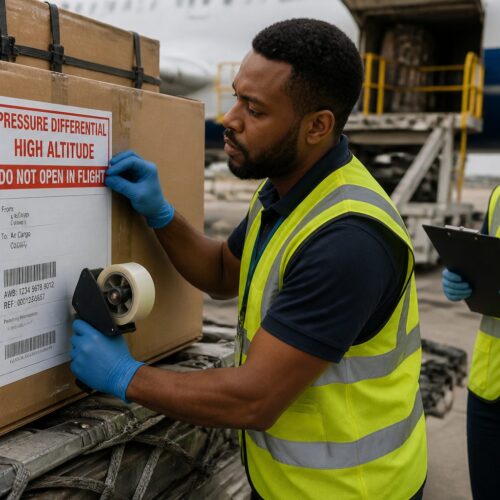


These precautionary labels may include instructions for avoiding ignition sources, maintaining proper storage conditions, and providing emergency response information to those who might need it in case of an incident. Clear communication of these precautions helps to minimize risks associated with explosive materials, creating a safer environment for all involved.
- Avoid ignition sources to prevent explosions
- Keep away from heat to maintain stability
- Store in a cool, dry place for safety
- Wear protective gear to safeguard against accidental exposure
- Follow emergency protocols in case of an incident to ensure quick action
Ensuring that handling precaution labels are present and correctly applied is essential for compliance with safety regulations, as they serve as a constant reminder of the necessary safety measures that must be followed. Proper labeling not only protects personnel but also enhances the overall safety of explosive logistics, reducing the likelihood of accidents and incidents.
In conclusion, handling precaution labels play a vital role in ensuring safety during the transport of Class 1 explosives, as they provide essential information that can help prevent accidents. Understanding and adhering to these precautionary measures is key to maintaining compliance with regulations and fostering a safer working environment.
How to Document and Audit Explosive Label Compliance
Documenting and auditing explosive label compliance is essential for maintaining safety and regulatory adherence in the logistics of explosives. A structured approach can help ensure that all labeling meets the necessary standards, thereby enhancing the overall safety of operations involving these hazardous materials.
Regular audits should include checks on the presence of mandatory label elements, correct compatibility group designations, and proper placement of UN numbers to ensure compliance with international regulations. This systematic approach helps identify and rectify any compliance issues, thus preventing potential accidents and legal complications.
Documentation should also include records of training for personnel involved in handling explosives, ensuring that all staff members are informed and compliant with safety regulations. Keeping thorough records not only serves as a reference for compliance but also ensures accountability and continuous improvement in safety practices.
Furthermore, maintaining an audit trail can be beneficial in case of inspections or incidents, providing valuable evidence of compliance and the steps taken to ensure safety. This documentation can provide reassurance to regulatory bodies and stakeholders that safety protocols are being followed diligently.
In conclusion, effective documentation and auditing of explosive label compliance are crucial for safety and regulatory adherence. Implementing these practices can significantly reduce risks associated with handling explosive materials, ultimately fostering a culture of safety and compliance in explosive logistics.
Typically, the UN number should be prominently displayed on the outer packaging, along with the net explosive quantity, allowing for immediate recognition by all handlers. This visibility aids in quick identification and informs handlers of the specific risks involved, which is essential for effective management of the materials.
- UN number visibility
- Net quantity clarity
- Placement on two opposite sides for easy access
- Compliance with ADR and IATA requirements
- Consistent formatting for clarity and recognition
Ensuring the proper placement of these elements is essential for meeting international regulatory standards, which are in place to protect both the public and the environment. Failure to comply can result in significant safety risks and legal repercussions, highlighting the importance of diligence in this area.
In conclusion, the placement of the explosive net quantity and UN number on packaging is a vital aspect of explosive logistics that cannot be overlooked. Adhering to these guidelines is crucial for maintaining safety and compliance, ultimately fostering a safer environment for all stakeholders involved.
Marking Requirements for Military vs. Commercial Explosive Products
The marking requirements for military and commercial explosive products differ significantly due to the distinct regulatory environments governing each sector. Military explosives may have specific markings that comply with military regulations, which can differ from civilian standards, thus necessitating a thorough understanding of both sets of requirements.
Commercial explosives must adhere to international regulations, such as those set by ADR and IATA, which focus on safety and risk mitigation. Understanding these differences is crucial for anyone involved in the logistics of explosives, as improper labeling can lead to dangerous situations and regulatory penalties.
Military markings often include additional information relevant to defense operations, while commercial markings focus primarily on safety and compliance to ensure the safe transport of materials. This can include specific handling instructions, hazard warnings, and other critical information that must be communicated clearly to all personnel.
Furthermore, military packaging may have unique identifiers, codes, or symbols that are not present in commercial labels, reflecting the specialized nature of military logistics. It is essential to ensure that all markings meet the respective regulatory requirements to avoid misunderstandings and potential hazards during handling.
In summary, being aware of the marking requirements for military versus commercial explosive products is vital for compliance and safety in the logistics of explosives. Proper labeling ensures that all handlers are informed of the specific risks associated with different explosive materials, ultimately safeguarding personnel and the public.
Handling Precaution Labels That Accompany Class 1 Shipments
Handling precaution labels are crucial for ensuring the safety of personnel involved in the transport and handling of Class 1 explosives. These labels provide important information about the precautions needed to handle the materials safely and responsibly, as handling explosives requires a high level of awareness and adherence to safety protocols.
These precautionary labels may include instructions for avoiding ignition sources, maintaining proper storage conditions, and providing emergency response information to those who might need it in case of an incident. Clear communication of these precautions helps to minimize risks associated with explosive materials, creating a safer environment for all involved.
- Avoid ignition sources to prevent explosions
- Keep away from heat to maintain stability
- Store in a cool, dry place for safety
- Wear protective gear to safeguard against accidental exposure
- Follow emergency protocols in case of an incident to ensure quick action
Ensuring that handling precaution labels are present and correctly applied is essential for compliance with safety regulations, as they serve as a constant reminder of the necessary safety measures that must be followed. Proper labeling not only protects personnel but also enhances the overall safety of explosive logistics, reducing the likelihood of accidents and incidents.
In conclusion, handling precaution labels play a vital role in ensuring safety during the transport of Class 1 explosives, as they provide essential information that can help prevent accidents. Understanding and adhering to these precautionary measures is key to maintaining compliance with regulations and fostering a safer working environment.
How to Document and Audit Explosive Label Compliance
Documenting and auditing explosive label compliance is essential for maintaining safety and regulatory adherence in the logistics of explosives. A structured approach can help ensure that all labeling meets the necessary standards, thereby enhancing the overall safety of operations involving these hazardous materials.
Regular audits should include checks on the presence of mandatory label elements, correct compatibility group designations, and proper placement of UN numbers to ensure compliance with international regulations. This systematic approach helps identify and rectify any compliance issues, thus preventing potential accidents and legal complications.
Documentation should also include records of training for personnel involved in handling explosives, ensuring that all staff members are informed and compliant with safety regulations. Keeping thorough records not only serves as a reference for compliance but also ensures accountability and continuous improvement in safety practices.
Furthermore, maintaining an audit trail can be beneficial in case of inspections or incidents, providing valuable evidence of compliance and the steps taken to ensure safety. This documentation can provide reassurance to regulatory bodies and stakeholders that safety protocols are being followed diligently.
In conclusion, effective documentation and auditing of explosive label compliance are crucial for safety and regulatory adherence. Implementing these practices can significantly reduce risks associated with handling explosive materials, ultimately fostering a culture of safety and compliance in explosive logistics.
For example, a Class 1 explosive may also pose flammable or toxic hazards, necessitating the use of subsidiary labels to inform handlers of these dangers. This ensures that personnel are fully aware of the potential risks associated with the materials, allowing them to take the necessary precautions.
- Flammable
- Toxic
- Corrosive
- Radioactive
- Environmental Hazard
Properly identifying and labeling these subsidiary hazards is essential for compliance with safety regulations, as it provides a clear outline of all potential dangers. It also enhances the safety of personnel involved in the handling and transport of explosive materials by preventing misunderstandings and miscommunications regarding the risks present.
In conclusion, subsidiary hazard labels provide important information about additional risks associated with explosives, creating a more comprehensive safety framework. Understanding and implementing these labels is key to maintaining safety and compliance in explosive logistics, ultimately safeguarding both personnel and the public.
Explosive Net Quantity and UN Number Placement on Outer Packaging
The placement of the explosive net quantity and UN number on outer packaging is critical for compliance and safety throughout the entire logistics process. These elements help ensure that the packages are handled correctly during transportation and storage, reducing the risk of accidents and ensuring proper emergency response.
Typically, the UN number should be prominently displayed on the outer packaging, along with the net explosive quantity, allowing for immediate recognition by all handlers. This visibility aids in quick identification and informs handlers of the specific risks involved, which is essential for effective management of the materials.
- UN number visibility
- Net quantity clarity
- Placement on two opposite sides for easy access
- Compliance with ADR and IATA requirements
- Consistent formatting for clarity and recognition
Ensuring the proper placement of these elements is essential for meeting international regulatory standards, which are in place to protect both the public and the environment. Failure to comply can result in significant safety risks and legal repercussions, highlighting the importance of diligence in this area.
In conclusion, the placement of the explosive net quantity and UN number on packaging is a vital aspect of explosive logistics that cannot be overlooked. Adhering to these guidelines is crucial for maintaining safety and compliance, ultimately fostering a safer environment for all stakeholders involved.
Marking Requirements for Military vs. Commercial Explosive Products
The marking requirements for military and commercial explosive products differ significantly due to the distinct regulatory environments governing each sector. Military explosives may have specific markings that comply with military regulations, which can differ from civilian standards, thus necessitating a thorough understanding of both sets of requirements.
Commercial explosives must adhere to international regulations, such as those set by ADR and IATA, which focus on safety and risk mitigation. Understanding these differences is crucial for anyone involved in the logistics of explosives, as improper labeling can lead to dangerous situations and regulatory penalties.
Military markings often include additional information relevant to defense operations, while commercial markings focus primarily on safety and compliance to ensure the safe transport of materials. This can include specific handling instructions, hazard warnings, and other critical information that must be communicated clearly to all personnel.
Furthermore, military packaging may have unique identifiers, codes, or symbols that are not present in commercial labels, reflecting the specialized nature of military logistics. It is essential to ensure that all markings meet the respective regulatory requirements to avoid misunderstandings and potential hazards during handling.
In summary, being aware of the marking requirements for military versus commercial explosive products is vital for compliance and safety in the logistics of explosives. Proper labeling ensures that all handlers are informed of the specific risks associated with different explosive materials, ultimately safeguarding personnel and the public.
Handling Precaution Labels That Accompany Class 1 Shipments
Handling precaution labels are crucial for ensuring the safety of personnel involved in the transport and handling of Class 1 explosives. These labels provide important information about the precautions needed to handle the materials safely and responsibly, as handling explosives requires a high level of awareness and adherence to safety protocols.
These precautionary labels may include instructions for avoiding ignition sources, maintaining proper storage conditions, and providing emergency response information to those who might need it in case of an incident. Clear communication of these precautions helps to minimize risks associated with explosive materials, creating a safer environment for all involved.
- Avoid ignition sources to prevent explosions
- Keep away from heat to maintain stability
- Store in a cool, dry place for safety
- Wear protective gear to safeguard against accidental exposure
- Follow emergency protocols in case of an incident to ensure quick action
Ensuring that handling precaution labels are present and correctly applied is essential for compliance with safety regulations, as they serve as a constant reminder of the necessary safety measures that must be followed. Proper labeling not only protects personnel but also enhances the overall safety of explosive logistics, reducing the likelihood of accidents and incidents.
In conclusion, handling precaution labels play a vital role in ensuring safety during the transport of Class 1 explosives, as they provide essential information that can help prevent accidents. Understanding and adhering to these precautionary measures is key to maintaining compliance with regulations and fostering a safer working environment.
How to Document and Audit Explosive Label Compliance
Documenting and auditing explosive label compliance is essential for maintaining safety and regulatory adherence in the logistics of explosives. A structured approach can help ensure that all labeling meets the necessary standards, thereby enhancing the overall safety of operations involving these hazardous materials.
Regular audits should include checks on the presence of mandatory label elements, correct compatibility group designations, and proper placement of UN numbers to ensure compliance with international regulations. This systematic approach helps identify and rectify any compliance issues, thus preventing potential accidents and legal complications.
Documentation should also include records of training for personnel involved in handling explosives, ensuring that all staff members are informed and compliant with safety regulations. Keeping thorough records not only serves as a reference for compliance but also ensures accountability and continuous improvement in safety practices.
Furthermore, maintaining an audit trail can be beneficial in case of inspections or incidents, providing valuable evidence of compliance and the steps taken to ensure safety. This documentation can provide reassurance to regulatory bodies and stakeholders that safety protocols are being followed diligently.
In conclusion, effective documentation and auditing of explosive label compliance are crucial for safety and regulatory adherence. Implementing these practices can significantly reduce risks associated with handling explosive materials, ultimately fostering a culture of safety and compliance in explosive logistics.
Key elements of the Class 1 explosive label include the UN number, proper shipping name, and hazard division, which provide essential information about the explosive being transported. These components help provide clear and concise information about the explosive, enabling handlers to make informed decisions while managing these materials.
| Label Element | Description | Regulatory Requirement |
|---|---|---|
| UN Number | Unique identifier for the explosive, essential for tracking and safety | Mandatory |
| Proper Shipping Name | Descriptive name for the explosive that conveys its nature | Mandatory |
| Hazard Division | Indicates the classification of the explosive to inform handlers | Mandatory |
| Compatibility Group | Indicates the compatibility of the explosive with other materials | Mandatory |
Additional elements may include specific handling instructions and precautionary statements that are critical for the safe management of the explosive materials. Ensuring these labels are correctly applied and visible is crucial for compliance with international regulations, which ultimately protects personnel and the surrounding environment.
In conclusion, understanding the mandatory label elements for Class 1 explosive packages is essential for safe transport and regulatory compliance. Adherence to the guidelines set forth by ADR and IATA can significantly reduce the risks associated with handling explosives, ultimately promoting safety in the logistics chain.
Label Shapes, Colors and Symbol Specifications for Each Division
Each division of UN Class 1 explosives has specific labeling requirements regarding shapes, colors, and symbols that are designed to communicate critical information quickly. These specifications help to quickly identify the type of explosive and its associated hazards, which is paramount in ensuring safe handling practices.
For instance, Division 1.1 uses a rectangular label that is predominantly red, indicating mass explosion hazards that require immediate attention and stringent safety measures. In contrast, Division 1.4 uses an orange label, which signifies minor explosion risks, allowing for slightly less stringent precautions but still necessitating careful handling.
Understanding these labeling specifications is crucial for anyone involved in the logistics of explosives, as mislabeling can lead to dangerous situations. Correct label shapes, colors, and symbols help ensure safety during handling and transport, providing a visual cue to all personnel involved.
Moreover, the visual aspects of the labels provide immediate information to handlers and emergency responders, which can be critical in emergencies where quick identification of hazards is necessary. This rapid recognition can make a significant difference in preventing accidents and ensuring effective response strategies are employed.
In summary, the labeling shapes, colors, and symbols for each division of Class 1 explosives are designed to communicate hazards effectively and efficiently. Adhering to these specifications is essential for compliance and safety, ultimately serving to protect lives and property from the dangers associated with explosives.
Subsidiary Hazard Labels Paired with Explosives
In addition to the primary explosive label, subsidiary hazard labels may also be required for certain explosives that pose additional risks. These labels indicate additional risks that may be present beyond the primary explosive hazard, ensuring a comprehensive understanding of the dangers involved.
For example, a Class 1 explosive may also pose flammable or toxic hazards, necessitating the use of subsidiary labels to inform handlers of these dangers. This ensures that personnel are fully aware of the potential risks associated with the materials, allowing them to take the necessary precautions.
- Flammable
- Toxic
- Corrosive
- Radioactive
- Environmental Hazard
Properly identifying and labeling these subsidiary hazards is essential for compliance with safety regulations, as it provides a clear outline of all potential dangers. It also enhances the safety of personnel involved in the handling and transport of explosive materials by preventing misunderstandings and miscommunications regarding the risks present.
In conclusion, subsidiary hazard labels provide important information about additional risks associated with explosives, creating a more comprehensive safety framework. Understanding and implementing these labels is key to maintaining safety and compliance in explosive logistics, ultimately safeguarding both personnel and the public.
Explosive Net Quantity and UN Number Placement on Outer Packaging
The placement of the explosive net quantity and UN number on outer packaging is critical for compliance and safety throughout the entire logistics process. These elements help ensure that the packages are handled correctly during transportation and storage, reducing the risk of accidents and ensuring proper emergency response.
Typically, the UN number should be prominently displayed on the outer packaging, along with the net explosive quantity, allowing for immediate recognition by all handlers. This visibility aids in quick identification and informs handlers of the specific risks involved, which is essential for effective management of the materials.
- UN number visibility
- Net quantity clarity
- Placement on two opposite sides for easy access
- Compliance with ADR and IATA requirements
- Consistent formatting for clarity and recognition
Ensuring the proper placement of these elements is essential for meeting international regulatory standards, which are in place to protect both the public and the environment. Failure to comply can result in significant safety risks and legal repercussions, highlighting the importance of diligence in this area.
In conclusion, the placement of the explosive net quantity and UN number on packaging is a vital aspect of explosive logistics that cannot be overlooked. Adhering to these guidelines is crucial for maintaining safety and compliance, ultimately fostering a safer environment for all stakeholders involved.
Marking Requirements for Military vs. Commercial Explosive Products
The marking requirements for military and commercial explosive products differ significantly due to the distinct regulatory environments governing each sector. Military explosives may have specific markings that comply with military regulations, which can differ from civilian standards, thus necessitating a thorough understanding of both sets of requirements.
Commercial explosives must adhere to international regulations, such as those set by ADR and IATA, which focus on safety and risk mitigation. Understanding these differences is crucial for anyone involved in the logistics of explosives, as improper labeling can lead to dangerous situations and regulatory penalties.
Military markings often include additional information relevant to defense operations, while commercial markings focus primarily on safety and compliance to ensure the safe transport of materials. This can include specific handling instructions, hazard warnings, and other critical information that must be communicated clearly to all personnel.
Furthermore, military packaging may have unique identifiers, codes, or symbols that are not present in commercial labels, reflecting the specialized nature of military logistics. It is essential to ensure that all markings meet the respective regulatory requirements to avoid misunderstandings and potential hazards during handling.
In summary, being aware of the marking requirements for military versus commercial explosive products is vital for compliance and safety in the logistics of explosives. Proper labeling ensures that all handlers are informed of the specific risks associated with different explosive materials, ultimately safeguarding personnel and the public.
Handling Precaution Labels That Accompany Class 1 Shipments
Handling precaution labels are crucial for ensuring the safety of personnel involved in the transport and handling of Class 1 explosives. These labels provide important information about the precautions needed to handle the materials safely and responsibly, as handling explosives requires a high level of awareness and adherence to safety protocols.
These precautionary labels may include instructions for avoiding ignition sources, maintaining proper storage conditions, and providing emergency response information to those who might need it in case of an incident. Clear communication of these precautions helps to minimize risks associated with explosive materials, creating a safer environment for all involved.
- Avoid ignition sources to prevent explosions
- Keep away from heat to maintain stability
- Store in a cool, dry place for safety
- Wear protective gear to safeguard against accidental exposure
- Follow emergency protocols in case of an incident to ensure quick action
Ensuring that handling precaution labels are present and correctly applied is essential for compliance with safety regulations, as they serve as a constant reminder of the necessary safety measures that must be followed. Proper labeling not only protects personnel but also enhances the overall safety of explosive logistics, reducing the likelihood of accidents and incidents.
In conclusion, handling precaution labels play a vital role in ensuring safety during the transport of Class 1 explosives, as they provide essential information that can help prevent accidents. Understanding and adhering to these precautionary measures is key to maintaining compliance with regulations and fostering a safer working environment.
How to Document and Audit Explosive Label Compliance
Documenting and auditing explosive label compliance is essential for maintaining safety and regulatory adherence in the logistics of explosives. A structured approach can help ensure that all labeling meets the necessary standards, thereby enhancing the overall safety of operations involving these hazardous materials.
Regular audits should include checks on the presence of mandatory label elements, correct compatibility group designations, and proper placement of UN numbers to ensure compliance with international regulations. This systematic approach helps identify and rectify any compliance issues, thus preventing potential accidents and legal complications.
Documentation should also include records of training for personnel involved in handling explosives, ensuring that all staff members are informed and compliant with safety regulations. Keeping thorough records not only serves as a reference for compliance but also ensures accountability and continuous improvement in safety practices.
Furthermore, maintaining an audit trail can be beneficial in case of inspections or incidents, providing valuable evidence of compliance and the steps taken to ensure safety. This documentation can provide reassurance to regulatory bodies and stakeholders that safety protocols are being followed diligently.
In conclusion, effective documentation and auditing of explosive label compliance are crucial for safety and regulatory adherence. Implementing these practices can significantly reduce risks associated with handling explosive materials, ultimately fostering a culture of safety and compliance in explosive logistics.
For example, explosives in the same compatibility group can generally be stored together without significant risk, while those in different groups must be kept apart to minimize hazards. Understanding compatibility groups is crucial for ensuring safety during the handling of explosive materials, as improper storage can lead to dangerous reactions.
The compatibility group designation must be clearly indicated on the explosive labels to provide essential information to handlers and emergency responders. This helps inform them of the potential risks associated with different explosive materials, which is vital in emergency situations where quick decisions need to be made.
Moreover, the compatibility groups directly impact the labeling requirements under both ADR (European Agreement concerning the International Carriage of Dangerous Goods by Road) and IATA (International Air Transport Association) regulations, ensuring that international safety standards are upheld. Proper labeling according to compatibility groups ensures compliance with these regulations, significantly reducing the likelihood of accidents during transport.
In summary, compatibility groups play a vital role in the safe storage and transport of explosive materials by dictating how and where these materials can be handled. They affect the labeling and handling procedures necessary for compliance and safety, making it imperative for all personnel involved in explosive logistics to be aware of these classifications.
Mandatory Label Elements for Class 1 Packages Under ADR and IATA
Under ADR and IATA regulations, several mandatory label elements must be included on Class 1 explosive packages to ensure safe handling. These elements ensure that anyone handling the materials is aware of the potential hazards associated with the explosives, thereby minimizing the risk of accidents.
Key elements of the Class 1 explosive label include the UN number, proper shipping name, and hazard division, which provide essential information about the explosive being transported. These components help provide clear and concise information about the explosive, enabling handlers to make informed decisions while managing these materials.
| Label Element | Description | Regulatory Requirement |
|---|---|---|
| UN Number | Unique identifier for the explosive, essential for tracking and safety | Mandatory |
| Proper Shipping Name | Descriptive name for the explosive that conveys its nature | Mandatory |
| Hazard Division | Indicates the classification of the explosive to inform handlers | Mandatory |
| Compatibility Group | Indicates the compatibility of the explosive with other materials | Mandatory |
Additional elements may include specific handling instructions and precautionary statements that are critical for the safe management of the explosive materials. Ensuring these labels are correctly applied and visible is crucial for compliance with international regulations, which ultimately protects personnel and the surrounding environment.
In conclusion, understanding the mandatory label elements for Class 1 explosive packages is essential for safe transport and regulatory compliance. Adherence to the guidelines set forth by ADR and IATA can significantly reduce the risks associated with handling explosives, ultimately promoting safety in the logistics chain.
Label Shapes, Colors and Symbol Specifications for Each Division
Each division of UN Class 1 explosives has specific labeling requirements regarding shapes, colors, and symbols that are designed to communicate critical information quickly. These specifications help to quickly identify the type of explosive and its associated hazards, which is paramount in ensuring safe handling practices.
For instance, Division 1.1 uses a rectangular label that is predominantly red, indicating mass explosion hazards that require immediate attention and stringent safety measures. In contrast, Division 1.4 uses an orange label, which signifies minor explosion risks, allowing for slightly less stringent precautions but still necessitating careful handling.
Understanding these labeling specifications is crucial for anyone involved in the logistics of explosives, as mislabeling can lead to dangerous situations. Correct label shapes, colors, and symbols help ensure safety during handling and transport, providing a visual cue to all personnel involved.
Moreover, the visual aspects of the labels provide immediate information to handlers and emergency responders, which can be critical in emergencies where quick identification of hazards is necessary. This rapid recognition can make a significant difference in preventing accidents and ensuring effective response strategies are employed.
In summary, the labeling shapes, colors, and symbols for each division of Class 1 explosives are designed to communicate hazards effectively and efficiently. Adhering to these specifications is essential for compliance and safety, ultimately serving to protect lives and property from the dangers associated with explosives.
Subsidiary Hazard Labels Paired with Explosives
In addition to the primary explosive label, subsidiary hazard labels may also be required for certain explosives that pose additional risks. These labels indicate additional risks that may be present beyond the primary explosive hazard, ensuring a comprehensive understanding of the dangers involved.
For example, a Class 1 explosive may also pose flammable or toxic hazards, necessitating the use of subsidiary labels to inform handlers of these dangers. This ensures that personnel are fully aware of the potential risks associated with the materials, allowing them to take the necessary precautions.
- Flammable
- Toxic
- Corrosive
- Radioactive
- Environmental Hazard
Properly identifying and labeling these subsidiary hazards is essential for compliance with safety regulations, as it provides a clear outline of all potential dangers. It also enhances the safety of personnel involved in the handling and transport of explosive materials by preventing misunderstandings and miscommunications regarding the risks present.
In conclusion, subsidiary hazard labels provide important information about additional risks associated with explosives, creating a more comprehensive safety framework. Understanding and implementing these labels is key to maintaining safety and compliance in explosive logistics, ultimately safeguarding both personnel and the public.
Explosive Net Quantity and UN Number Placement on Outer Packaging
The placement of the explosive net quantity and UN number on outer packaging is critical for compliance and safety throughout the entire logistics process. These elements help ensure that the packages are handled correctly during transportation and storage, reducing the risk of accidents and ensuring proper emergency response.
Typically, the UN number should be prominently displayed on the outer packaging, along with the net explosive quantity, allowing for immediate recognition by all handlers. This visibility aids in quick identification and informs handlers of the specific risks involved, which is essential for effective management of the materials.
- UN number visibility
- Net quantity clarity
- Placement on two opposite sides for easy access
- Compliance with ADR and IATA requirements
- Consistent formatting for clarity and recognition
Ensuring the proper placement of these elements is essential for meeting international regulatory standards, which are in place to protect both the public and the environment. Failure to comply can result in significant safety risks and legal repercussions, highlighting the importance of diligence in this area.
In conclusion, the placement of the explosive net quantity and UN number on packaging is a vital aspect of explosive logistics that cannot be overlooked. Adhering to these guidelines is crucial for maintaining safety and compliance, ultimately fostering a safer environment for all stakeholders involved.
Marking Requirements for Military vs. Commercial Explosive Products
The marking requirements for military and commercial explosive products differ significantly due to the distinct regulatory environments governing each sector. Military explosives may have specific markings that comply with military regulations, which can differ from civilian standards, thus necessitating a thorough understanding of both sets of requirements.
Commercial explosives must adhere to international regulations, such as those set by ADR and IATA, which focus on safety and risk mitigation. Understanding these differences is crucial for anyone involved in the logistics of explosives, as improper labeling can lead to dangerous situations and regulatory penalties.
Military markings often include additional information relevant to defense operations, while commercial markings focus primarily on safety and compliance to ensure the safe transport of materials. This can include specific handling instructions, hazard warnings, and other critical information that must be communicated clearly to all personnel.
Furthermore, military packaging may have unique identifiers, codes, or symbols that are not present in commercial labels, reflecting the specialized nature of military logistics. It is essential to ensure that all markings meet the respective regulatory requirements to avoid misunderstandings and potential hazards during handling.
In summary, being aware of the marking requirements for military versus commercial explosive products is vital for compliance and safety in the logistics of explosives. Proper labeling ensures that all handlers are informed of the specific risks associated with different explosive materials, ultimately safeguarding personnel and the public.
Handling Precaution Labels That Accompany Class 1 Shipments
Handling precaution labels are crucial for ensuring the safety of personnel involved in the transport and handling of Class 1 explosives. These labels provide important information about the precautions needed to handle the materials safely and responsibly, as handling explosives requires a high level of awareness and adherence to safety protocols.
These precautionary labels may include instructions for avoiding ignition sources, maintaining proper storage conditions, and providing emergency response information to those who might need it in case of an incident. Clear communication of these precautions helps to minimize risks associated with explosive materials, creating a safer environment for all involved.
- Avoid ignition sources to prevent explosions
- Keep away from heat to maintain stability
- Store in a cool, dry place for safety
- Wear protective gear to safeguard against accidental exposure
- Follow emergency protocols in case of an incident to ensure quick action
Ensuring that handling precaution labels are present and correctly applied is essential for compliance with safety regulations, as they serve as a constant reminder of the necessary safety measures that must be followed. Proper labeling not only protects personnel but also enhances the overall safety of explosive logistics, reducing the likelihood of accidents and incidents.
In conclusion, handling precaution labels play a vital role in ensuring safety during the transport of Class 1 explosives, as they provide essential information that can help prevent accidents. Understanding and adhering to these precautionary measures is key to maintaining compliance with regulations and fostering a safer working environment.
How to Document and Audit Explosive Label Compliance
Documenting and auditing explosive label compliance is essential for maintaining safety and regulatory adherence in the logistics of explosives. A structured approach can help ensure that all labeling meets the necessary standards, thereby enhancing the overall safety of operations involving these hazardous materials.
Regular audits should include checks on the presence of mandatory label elements, correct compatibility group designations, and proper placement of UN numbers to ensure compliance with international regulations. This systematic approach helps identify and rectify any compliance issues, thus preventing potential accidents and legal complications.
Documentation should also include records of training for personnel involved in handling explosives, ensuring that all staff members are informed and compliant with safety regulations. Keeping thorough records not only serves as a reference for compliance but also ensures accountability and continuous improvement in safety practices.
Furthermore, maintaining an audit trail can be beneficial in case of inspections or incidents, providing valuable evidence of compliance and the steps taken to ensure safety. This documentation can provide reassurance to regulatory bodies and stakeholders that safety protocols are being followed diligently.
In conclusion, effective documentation and auditing of explosive label compliance are crucial for safety and regulatory adherence. Implementing these practices can significantly reduce risks associated with handling explosive materials, ultimately fostering a culture of safety and compliance in explosive logistics.
For example, explosives in the same compatibility group can generally be stored together without significant risk, while those in different groups must be kept apart to minimize hazards. Understanding compatibility groups is crucial for ensuring safety during the handling of explosive materials, as improper storage can lead to dangerous reactions.
The compatibility group designation must be clearly indicated on the explosive labels to provide essential information to handlers and emergency responders. This helps inform them of the potential risks associated with different explosive materials, which is vital in emergency situations where quick decisions need to be made.
Moreover, the compatibility groups directly impact the labeling requirements under both ADR (European Agreement concerning the International Carriage of Dangerous Goods by Road) and IATA (International Air Transport Association) regulations, ensuring that international safety standards are upheld. Proper labeling according to compatibility groups ensures compliance with these regulations, significantly reducing the likelihood of accidents during transport.
In summary, compatibility groups play a vital role in the safe storage and transport of explosive materials by dictating how and where these materials can be handled. They affect the labeling and handling procedures necessary for compliance and safety, making it imperative for all personnel involved in explosive logistics to be aware of these classifications.
Mandatory Label Elements for Class 1 Packages Under ADR and IATA
Under ADR and IATA regulations, several mandatory label elements must be included on Class 1 explosive packages to ensure safe handling. These elements ensure that anyone handling the materials is aware of the potential hazards associated with the explosives, thereby minimizing the risk of accidents.
Key elements of the Class 1 explosive label include the UN number, proper shipping name, and hazard division, which provide essential information about the explosive being transported. These components help provide clear and concise information about the explosive, enabling handlers to make informed decisions while managing these materials.
| Label Element | Description | Regulatory Requirement |
|---|---|---|
| UN Number | Unique identifier for the explosive, essential for tracking and safety | Mandatory |
| Proper Shipping Name | Descriptive name for the explosive that conveys its nature | Mandatory |
| Hazard Division | Indicates the classification of the explosive to inform handlers | Mandatory |
| Compatibility Group | Indicates the compatibility of the explosive with other materials | Mandatory |
Additional elements may include specific handling instructions and precautionary statements that are critical for the safe management of the explosive materials. Ensuring these labels are correctly applied and visible is crucial for compliance with international regulations, which ultimately protects personnel and the surrounding environment.
In conclusion, understanding the mandatory label elements for Class 1 explosive packages is essential for safe transport and regulatory compliance. Adherence to the guidelines set forth by ADR and IATA can significantly reduce the risks associated with handling explosives, ultimately promoting safety in the logistics chain.
Label Shapes, Colors and Symbol Specifications for Each Division
Each division of UN Class 1 explosives has specific labeling requirements regarding shapes, colors, and symbols that are designed to communicate critical information quickly. These specifications help to quickly identify the type of explosive and its associated hazards, which is paramount in ensuring safe handling practices.
For instance, Division 1.1 uses a rectangular label that is predominantly red, indicating mass explosion hazards that require immediate attention and stringent safety measures. In contrast, Division 1.4 uses an orange label, which signifies minor explosion risks, allowing for slightly less stringent precautions but still necessitating careful handling.
Understanding these labeling specifications is crucial for anyone involved in the logistics of explosives, as mislabeling can lead to dangerous situations. Correct label shapes, colors, and symbols help ensure safety during handling and transport, providing a visual cue to all personnel involved.
Moreover, the visual aspects of the labels provide immediate information to handlers and emergency responders, which can be critical in emergencies where quick identification of hazards is necessary. This rapid recognition can make a significant difference in preventing accidents and ensuring effective response strategies are employed.
In summary, the labeling shapes, colors, and symbols for each division of Class 1 explosives are designed to communicate hazards effectively and efficiently. Adhering to these specifications is essential for compliance and safety, ultimately serving to protect lives and property from the dangers associated with explosives.
Subsidiary Hazard Labels Paired with Explosives
In addition to the primary explosive label, subsidiary hazard labels may also be required for certain explosives that pose additional risks. These labels indicate additional risks that may be present beyond the primary explosive hazard, ensuring a comprehensive understanding of the dangers involved.
For example, a Class 1 explosive may also pose flammable or toxic hazards, necessitating the use of subsidiary labels to inform handlers of these dangers. This ensures that personnel are fully aware of the potential risks associated with the materials, allowing them to take the necessary precautions.
- Flammable
- Toxic
- Corrosive
- Radioactive
- Environmental Hazard
Properly identifying and labeling these subsidiary hazards is essential for compliance with safety regulations, as it provides a clear outline of all potential dangers. It also enhances the safety of personnel involved in the handling and transport of explosive materials by preventing misunderstandings and miscommunications regarding the risks present.
In conclusion, subsidiary hazard labels provide important information about additional risks associated with explosives, creating a more comprehensive safety framework. Understanding and implementing these labels is key to maintaining safety and compliance in explosive logistics, ultimately safeguarding both personnel and the public.
Explosive Net Quantity and UN Number Placement on Outer Packaging
The placement of the explosive net quantity and UN number on outer packaging is critical for compliance and safety throughout the entire logistics process. These elements help ensure that the packages are handled correctly during transportation and storage, reducing the risk of accidents and ensuring proper emergency response.
Typically, the UN number should be prominently displayed on the outer packaging, along with the net explosive quantity, allowing for immediate recognition by all handlers. This visibility aids in quick identification and informs handlers of the specific risks involved, which is essential for effective management of the materials.
- UN number visibility
- Net quantity clarity
- Placement on two opposite sides for easy access
- Compliance with ADR and IATA requirements
- Consistent formatting for clarity and recognition
Ensuring the proper placement of these elements is essential for meeting international regulatory standards, which are in place to protect both the public and the environment. Failure to comply can result in significant safety risks and legal repercussions, highlighting the importance of diligence in this area.
In conclusion, the placement of the explosive net quantity and UN number on packaging is a vital aspect of explosive logistics that cannot be overlooked. Adhering to these guidelines is crucial for maintaining safety and compliance, ultimately fostering a safer environment for all stakeholders involved.
Marking Requirements for Military vs. Commercial Explosive Products
The marking requirements for military and commercial explosive products differ significantly due to the distinct regulatory environments governing each sector. Military explosives may have specific markings that comply with military regulations, which can differ from civilian standards, thus necessitating a thorough understanding of both sets of requirements.
Commercial explosives must adhere to international regulations, such as those set by ADR and IATA, which focus on safety and risk mitigation. Understanding these differences is crucial for anyone involved in the logistics of explosives, as improper labeling can lead to dangerous situations and regulatory penalties.
Military markings often include additional information relevant to defense operations, while commercial markings focus primarily on safety and compliance to ensure the safe transport of materials. This can include specific handling instructions, hazard warnings, and other critical information that must be communicated clearly to all personnel.
Furthermore, military packaging may have unique identifiers, codes, or symbols that are not present in commercial labels, reflecting the specialized nature of military logistics. It is essential to ensure that all markings meet the respective regulatory requirements to avoid misunderstandings and potential hazards during handling.
In summary, being aware of the marking requirements for military versus commercial explosive products is vital for compliance and safety in the logistics of explosives. Proper labeling ensures that all handlers are informed of the specific risks associated with different explosive materials, ultimately safeguarding personnel and the public.
Handling Precaution Labels That Accompany Class 1 Shipments
Handling precaution labels are crucial for ensuring the safety of personnel involved in the transport and handling of Class 1 explosives. These labels provide important information about the precautions needed to handle the materials safely and responsibly, as handling explosives requires a high level of awareness and adherence to safety protocols.
These precautionary labels may include instructions for avoiding ignition sources, maintaining proper storage conditions, and providing emergency response information to those who might need it in case of an incident. Clear communication of these precautions helps to minimize risks associated with explosive materials, creating a safer environment for all involved.
- Avoid ignition sources to prevent explosions
- Keep away from heat to maintain stability
- Store in a cool, dry place for safety
- Wear protective gear to safeguard against accidental exposure
- Follow emergency protocols in case of an incident to ensure quick action
Ensuring that handling precaution labels are present and correctly applied is essential for compliance with safety regulations, as they serve as a constant reminder of the necessary safety measures that must be followed. Proper labeling not only protects personnel but also enhances the overall safety of explosive logistics, reducing the likelihood of accidents and incidents.
In conclusion, handling precaution labels play a vital role in ensuring safety during the transport of Class 1 explosives, as they provide essential information that can help prevent accidents. Understanding and adhering to these precautionary measures is key to maintaining compliance with regulations and fostering a safer working environment.
How to Document and Audit Explosive Label Compliance
Documenting and auditing explosive label compliance is essential for maintaining safety and regulatory adherence in the logistics of explosives. A structured approach can help ensure that all labeling meets the necessary standards, thereby enhancing the overall safety of operations involving these hazardous materials.
Regular audits should include checks on the presence of mandatory label elements, correct compatibility group designations, and proper placement of UN numbers to ensure compliance with international regulations. This systematic approach helps identify and rectify any compliance issues, thus preventing potential accidents and legal complications.
Documentation should also include records of training for personnel involved in handling explosives, ensuring that all staff members are informed and compliant with safety regulations. Keeping thorough records not only serves as a reference for compliance but also ensures accountability and continuous improvement in safety practices.
Furthermore, maintaining an audit trail can be beneficial in case of inspections or incidents, providing valuable evidence of compliance and the steps taken to ensure safety. This documentation can provide reassurance to regulatory bodies and stakeholders that safety protocols are being followed diligently.
In conclusion, effective documentation and auditing of explosive label compliance are crucial for safety and regulatory adherence. Implementing these practices can significantly reduce risks associated with handling explosive materials, ultimately fostering a culture of safety and compliance in explosive logistics.
UN Class 1 explosives are a category of hazardous materials that require strict adherence to international safety standards to ensure public safety and environmental protection. These explosives are categorized into six divisions based on their properties and hazards, which significantly impacts their labeling, transport regulations, and the procedures that must be followed during their storage and handling.
Understanding the classifications of UN Class 1 explosives is essential for anyone involved in their storage and transport to mitigate potential risks. Each division has unique characteristics that dictate specific handling and labeling requirements, making it crucial for professionals in the field to be well-informed about these distinctions.
In this article, we will explore the intricacies of explosive labels, UN compatibility groups, and the regulations that govern them to provide a comprehensive understanding. We aim to provide detailed insights into how these factors affect safety and compliance in the logistics of explosive materials, which is vital for anyone working in this sector.
Introduction to UN Class 1 Explosives and Their Six Divisions
UN Class 1 explosives are divided into six distinct divisions based on their properties and risks, which helps in the systematic management of these materials. These divisions range from explosives that pose minimal hazard to those that can cause significant destruction, thereby necessitating varying levels of precaution and regulatory oversight.
Division 1.1, for example, includes substances that pose a mass explosion hazard, which indicates a very high level of risk that must be managed with utmost care. In contrast, Division 1.6 includes extremely insensitive articles that present a negligible risk, thereby allowing for less stringent handling procedures, yet still requiring adherence to safety standards.
Each division also informs the labeling requirements necessary for compliance with international regulations, ensuring that all hazards are communicated effectively. Proper labeling is crucial for ensuring safety during storage, transport, and handling of these hazardous materials, as it provides vital information to those who interact with them.
Moreover, these divisions affect how explosives are managed in various environments, including military and commercial contexts, which often have different regulatory frameworks. Understanding these distinctions is vital for anyone involved in the logistics of explosive materials, as improper handling can lead to serious consequences.
In summary, the classification of UN Class 1 explosives into six divisions serves as a framework for their safe management, presenting a categorized approach to risk. Each division carries specific implications for labeling and compliance that must be adhered to by all stakeholders, reinforcing the importance of these classifications in the handling of explosives.
What Compatibility Groups Are and How They Affect Storage and Transport Labels
Compatibility groups categorize explosives based on their chemical and physical properties, which dictate how these materials can be safely stored and transported together. These groups determine how different explosives can be stored and transported together, thus minimizing the potential risks associated with their proximity to one another.
For example, explosives in the same compatibility group can generally be stored together without significant risk, while those in different groups must be kept apart to minimize hazards. Understanding compatibility groups is crucial for ensuring safety during the handling of explosive materials, as improper storage can lead to dangerous reactions.
The compatibility group designation must be clearly indicated on the explosive labels to provide essential information to handlers and emergency responders. This helps inform them of the potential risks associated with different explosive materials, which is vital in emergency situations where quick decisions need to be made.
Moreover, the compatibility groups directly impact the labeling requirements under both ADR (European Agreement concerning the International Carriage of Dangerous Goods by Road) and IATA (International Air Transport Association) regulations, ensuring that international safety standards are upheld. Proper labeling according to compatibility groups ensures compliance with these regulations, significantly reducing the likelihood of accidents during transport.
In summary, compatibility groups play a vital role in the safe storage and transport of explosive materials by dictating how and where these materials can be handled. They affect the labeling and handling procedures necessary for compliance and safety, making it imperative for all personnel involved in explosive logistics to be aware of these classifications.
Mandatory Label Elements for Class 1 Packages Under ADR and IATA
Under ADR and IATA regulations, several mandatory label elements must be included on Class 1 explosive packages to ensure safe handling. These elements ensure that anyone handling the materials is aware of the potential hazards associated with the explosives, thereby minimizing the risk of accidents.
Key elements of the Class 1 explosive label include the UN number, proper shipping name, and hazard division, which provide essential information about the explosive being transported. These components help provide clear and concise information about the explosive, enabling handlers to make informed decisions while managing these materials.
| Label Element | Description | Regulatory Requirement |
|---|---|---|
| UN Number | Unique identifier for the explosive, essential for tracking and safety | Mandatory |
| Proper Shipping Name | Descriptive name for the explosive that conveys its nature | Mandatory |
| Hazard Division | Indicates the classification of the explosive to inform handlers | Mandatory |
| Compatibility Group | Indicates the compatibility of the explosive with other materials | Mandatory |
Additional elements may include specific handling instructions and precautionary statements that are critical for the safe management of the explosive materials. Ensuring these labels are correctly applied and visible is crucial for compliance with international regulations, which ultimately protects personnel and the surrounding environment.
In conclusion, understanding the mandatory label elements for Class 1 explosive packages is essential for safe transport and regulatory compliance. Adherence to the guidelines set forth by ADR and IATA can significantly reduce the risks associated with handling explosives, ultimately promoting safety in the logistics chain.
Label Shapes, Colors and Symbol Specifications for Each Division
Each division of UN Class 1 explosives has specific labeling requirements regarding shapes, colors, and symbols that are designed to communicate critical information quickly. These specifications help to quickly identify the type of explosive and its associated hazards, which is paramount in ensuring safe handling practices.
For instance, Division 1.1 uses a rectangular label that is predominantly red, indicating mass explosion hazards that require immediate attention and stringent safety measures. In contrast, Division 1.4 uses an orange label, which signifies minor explosion risks, allowing for slightly less stringent precautions but still necessitating careful handling.
Understanding these labeling specifications is crucial for anyone involved in the logistics of explosives, as mislabeling can lead to dangerous situations. Correct label shapes, colors, and symbols help ensure safety during handling and transport, providing a visual cue to all personnel involved.
Moreover, the visual aspects of the labels provide immediate information to handlers and emergency responders, which can be critical in emergencies where quick identification of hazards is necessary. This rapid recognition can make a significant difference in preventing accidents and ensuring effective response strategies are employed.
In summary, the labeling shapes, colors, and symbols for each division of Class 1 explosives are designed to communicate hazards effectively and efficiently. Adhering to these specifications is essential for compliance and safety, ultimately serving to protect lives and property from the dangers associated with explosives.
Subsidiary Hazard Labels Paired with Explosives
In addition to the primary explosive label, subsidiary hazard labels may also be required for certain explosives that pose additional risks. These labels indicate additional risks that may be present beyond the primary explosive hazard, ensuring a comprehensive understanding of the dangers involved.
For example, a Class 1 explosive may also pose flammable or toxic hazards, necessitating the use of subsidiary labels to inform handlers of these dangers. This ensures that personnel are fully aware of the potential risks associated with the materials, allowing them to take the necessary precautions.
- Flammable
- Toxic
- Corrosive
- Radioactive
- Environmental Hazard
Properly identifying and labeling these subsidiary hazards is essential for compliance with safety regulations, as it provides a clear outline of all potential dangers. It also enhances the safety of personnel involved in the handling and transport of explosive materials by preventing misunderstandings and miscommunications regarding the risks present.
In conclusion, subsidiary hazard labels provide important information about additional risks associated with explosives, creating a more comprehensive safety framework. Understanding and implementing these labels is key to maintaining safety and compliance in explosive logistics, ultimately safeguarding both personnel and the public.
Explosive Net Quantity and UN Number Placement on Outer Packaging
The placement of the explosive net quantity and UN number on outer packaging is critical for compliance and safety throughout the entire logistics process. These elements help ensure that the packages are handled correctly during transportation and storage, reducing the risk of accidents and ensuring proper emergency response.
Typically, the UN number should be prominently displayed on the outer packaging, along with the net explosive quantity, allowing for immediate recognition by all handlers. This visibility aids in quick identification and informs handlers of the specific risks involved, which is essential for effective management of the materials.
- UN number visibility
- Net quantity clarity
- Placement on two opposite sides for easy access
- Compliance with ADR and IATA requirements
- Consistent formatting for clarity and recognition
Ensuring the proper placement of these elements is essential for meeting international regulatory standards, which are in place to protect both the public and the environment. Failure to comply can result in significant safety risks and legal repercussions, highlighting the importance of diligence in this area.
In conclusion, the placement of the explosive net quantity and UN number on packaging is a vital aspect of explosive logistics that cannot be overlooked. Adhering to these guidelines is crucial for maintaining safety and compliance, ultimately fostering a safer environment for all stakeholders involved.
Marking Requirements for Military vs. Commercial Explosive Products
The marking requirements for military and commercial explosive products differ significantly due to the distinct regulatory environments governing each sector. Military explosives may have specific markings that comply with military regulations, which can differ from civilian standards, thus necessitating a thorough understanding of both sets of requirements.
Commercial explosives must adhere to international regulations, such as those set by ADR and IATA, which focus on safety and risk mitigation. Understanding these differences is crucial for anyone involved in the logistics of explosives, as improper labeling can lead to dangerous situations and regulatory penalties.
Military markings often include additional information relevant to defense operations, while commercial markings focus primarily on safety and compliance to ensure the safe transport of materials. This can include specific handling instructions, hazard warnings, and other critical information that must be communicated clearly to all personnel.
Furthermore, military packaging may have unique identifiers, codes, or symbols that are not present in commercial labels, reflecting the specialized nature of military logistics. It is essential to ensure that all markings meet the respective regulatory requirements to avoid misunderstandings and potential hazards during handling.
In summary, being aware of the marking requirements for military versus commercial explosive products is vital for compliance and safety in the logistics of explosives. Proper labeling ensures that all handlers are informed of the specific risks associated with different explosive materials, ultimately safeguarding personnel and the public.
Handling Precaution Labels That Accompany Class 1 Shipments
Handling precaution labels are crucial for ensuring the safety of personnel involved in the transport and handling of Class 1 explosives. These labels provide important information about the precautions needed to handle the materials safely and responsibly, as handling explosives requires a high level of awareness and adherence to safety protocols.
These precautionary labels may include instructions for avoiding ignition sources, maintaining proper storage conditions, and providing emergency response information to those who might need it in case of an incident. Clear communication of these precautions helps to minimize risks associated with explosive materials, creating a safer environment for all involved.
- Avoid ignition sources to prevent explosions
- Keep away from heat to maintain stability
- Store in a cool, dry place for safety
- Wear protective gear to safeguard against accidental exposure
- Follow emergency protocols in case of an incident to ensure quick action
Ensuring that handling precaution labels are present and correctly applied is essential for compliance with safety regulations, as they serve as a constant reminder of the necessary safety measures that must be followed. Proper labeling not only protects personnel but also enhances the overall safety of explosive logistics, reducing the likelihood of accidents and incidents.
In conclusion, handling precaution labels play a vital role in ensuring safety during the transport of Class 1 explosives, as they provide essential information that can help prevent accidents. Understanding and adhering to these precautionary measures is key to maintaining compliance with regulations and fostering a safer working environment.
How to Document and Audit Explosive Label Compliance
Documenting and auditing explosive label compliance is essential for maintaining safety and regulatory adherence in the logistics of explosives. A structured approach can help ensure that all labeling meets the necessary standards, thereby enhancing the overall safety of operations involving these hazardous materials.
Regular audits should include checks on the presence of mandatory label elements, correct compatibility group designations, and proper placement of UN numbers to ensure compliance with international regulations. This systematic approach helps identify and rectify any compliance issues, thus preventing potential accidents and legal complications.
Documentation should also include records of training for personnel involved in handling explosives, ensuring that all staff members are informed and compliant with safety regulations. Keeping thorough records not only serves as a reference for compliance but also ensures accountability and continuous improvement in safety practices.
Furthermore, maintaining an audit trail can be beneficial in case of inspections or incidents, providing valuable evidence of compliance and the steps taken to ensure safety. This documentation can provide reassurance to regulatory bodies and stakeholders that safety protocols are being followed diligently.
In conclusion, effective documentation and auditing of explosive label compliance are crucial for safety and regulatory adherence. Implementing these practices can significantly reduce risks associated with handling explosive materials, ultimately fostering a culture of safety and compliance in explosive logistics.