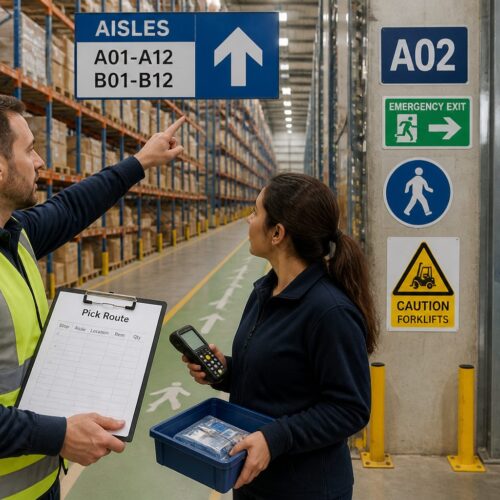

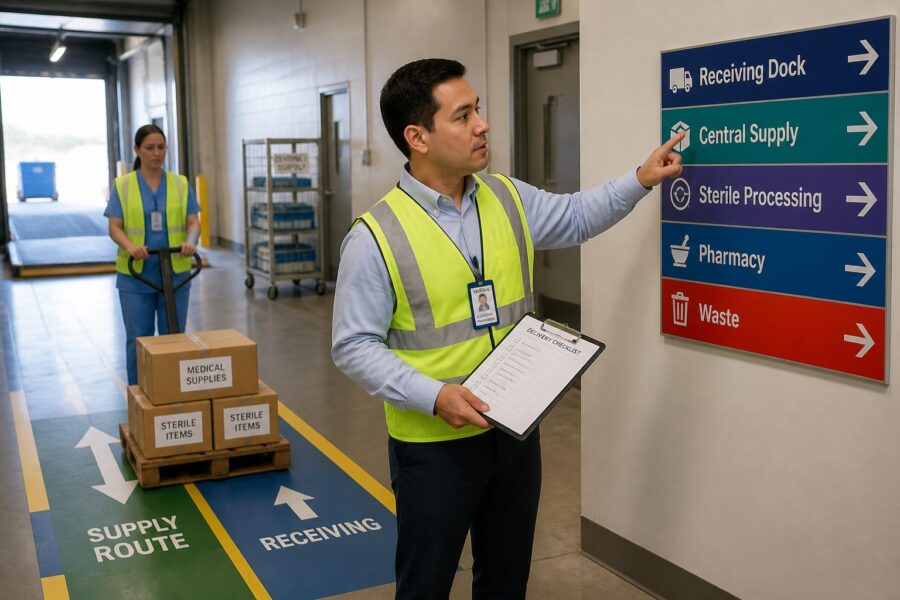
Clear signage can direct vendors to the appropriate receiving docks and supply areas within the hospital, which is vital for avoiding delays and confusion during deliveries. This clarity helps to maintain workflow and ensures that essential supplies arrive when and where they are needed.
Additionally, dedicated access routes for vendors can enhance safety and efficiency throughout the facility. By minimizing interactions with hospital staff and patients, the risk of accidents is significantly reduced, creating a safer environment for everyone involved.
Moreover, comprehensive wayfinding systems can include digital maps and guides for external drivers, providing them with real-time directions and information. This technology can further streamline the delivery process and improve overall logistics, making it easier for vendors to navigate complex hospital environments.
By investing in effective wayfinding for vendors and external delivery personnel, hospitals can optimize their supply chain operations and enhance overall productivity. This ultimately leads to better resource management and improved patient care, as staff can focus on delivering high-quality service rather than navigating logistical challenges.
Compliance Considerations for Wayfinding in Joint Commission Audited Facilities
Compliance with regulations is a critical consideration for all healthcare facilities, especially those audited by the Joint Commission, which sets rigorous standards for patient safety and care. Wayfinding systems must adhere to specific guidelines to ensure safety and efficiency, which can greatly impact hospital operations.
Signage should be clear, consistent, and accessible to all staff, patients, and visitors to comply with these established standards. Ensuring compliance with these standards can significantly reduce the risk of violations during audits, which can have serious financial and reputational consequences for the facility.
Regular reviews of wayfinding systems are essential to maintain compliance and ensure that all signage remains relevant and effective. This includes updating signs and pathways as necessary to reflect changes in hospital layout or procedures, ensuring that the wayfinding system continues to meet the needs of all users.
Additionally, staff training on the importance of wayfinding can enhance overall awareness and compliance with established protocols. This proactive approach supports not only regulatory adherence but also the smooth operation of hospital logistics, thereby contributing to a safe and efficient healthcare environment.
By prioritizing compliance in wayfinding, hospitals can foster a culture of safety and efficiency that permeates all levels of the organization. This commitment ultimately leads to better patient outcomes and operational success, reinforcing the facility’s reputation in the community as a trusted provider of healthcare services.
Effective wayfinding ensures that supplies and equipment needed for isolation patients are delivered promptly and accurately. This enhances the overall efficiency of infection control protocols within the facility, thereby bolstering the hospital’s capability to manage infectious diseases effectively.
Signage should clearly indicate isolation unit entrances and exits, which helps staff quickly navigate to the necessary areas without unnecessary delays or confusion that could put patients at risk. This clarity is essential in maintaining a high standard of care and safety within the facility.
Furthermore, utilizing color-coded signs can help differentiate between various types of isolation units, providing visual cues that are easy for staff to recognize at a glance. This visual differentiation can significantly enhance staff awareness and compliance with infection control procedures, fostering a culture of safety.
By implementing effective infection control wayfinding strategies, hospitals can create a safer environment for both patients and staff alike. This ultimately supports better health outcomes and reduces the risk of hospital-acquired infections, which are a major concern in healthcare today.
Wayfinding for Vendors and External Delivery Drivers in Hospital Facilities
Vendors and external delivery drivers play a crucial role in the healthcare supply chain, providing the necessary materials and supplies needed for daily operations. Providing effective wayfinding for these individuals is essential to ensure timely and accurate deliveries that keep the hospital functioning smoothly.
Clear signage can direct vendors to the appropriate receiving docks and supply areas within the hospital, which is vital for avoiding delays and confusion during deliveries. This clarity helps to maintain workflow and ensures that essential supplies arrive when and where they are needed.
Additionally, dedicated access routes for vendors can enhance safety and efficiency throughout the facility. By minimizing interactions with hospital staff and patients, the risk of accidents is significantly reduced, creating a safer environment for everyone involved.
Moreover, comprehensive wayfinding systems can include digital maps and guides for external drivers, providing them with real-time directions and information. This technology can further streamline the delivery process and improve overall logistics, making it easier for vendors to navigate complex hospital environments.
By investing in effective wayfinding for vendors and external delivery personnel, hospitals can optimize their supply chain operations and enhance overall productivity. This ultimately leads to better resource management and improved patient care, as staff can focus on delivering high-quality service rather than navigating logistical challenges.
Compliance Considerations for Wayfinding in Joint Commission Audited Facilities
Compliance with regulations is a critical consideration for all healthcare facilities, especially those audited by the Joint Commission, which sets rigorous standards for patient safety and care. Wayfinding systems must adhere to specific guidelines to ensure safety and efficiency, which can greatly impact hospital operations.
Signage should be clear, consistent, and accessible to all staff, patients, and visitors to comply with these established standards. Ensuring compliance with these standards can significantly reduce the risk of violations during audits, which can have serious financial and reputational consequences for the facility.
Regular reviews of wayfinding systems are essential to maintain compliance and ensure that all signage remains relevant and effective. This includes updating signs and pathways as necessary to reflect changes in hospital layout or procedures, ensuring that the wayfinding system continues to meet the needs of all users.
Additionally, staff training on the importance of wayfinding can enhance overall awareness and compliance with established protocols. This proactive approach supports not only regulatory adherence but also the smooth operation of hospital logistics, thereby contributing to a safe and efficient healthcare environment.
By prioritizing compliance in wayfinding, hospitals can foster a culture of safety and efficiency that permeates all levels of the organization. This commitment ultimately leads to better patient outcomes and operational success, reinforcing the facility’s reputation in the community as a trusted provider of healthcare services.
Emergency supply route markers further enhance this process by indicating the fastest paths to essential supplies that can make a significant difference in patient outcomes. These signs should be highly visible and strategically placed throughout the facility to ensure that they can be easily located in urgent situations.
- Crash cart locations
- Emergency equipment routes
- Medication retrieval areas
- First aid stations
- Defibrillator access points
Utilizing clear and concise signage can drastically reduce response times during crises, which is crucial in emergency medical situations. This rapid access to emergency supplies can make a significant difference in patient outcomes and overall survival rates in critical scenarios.
Next, we will discuss infection control wayfinding, focusing on the importance of directional signs for isolation unit logistics, a critical component in preventing the spread of infections in healthcare settings. Effective wayfinding is crucial in these areas to ensure that both staff and patients are safeguarded against potential infectious agents that can compromise health.
Infection Control Wayfinding: Directional Signs for Isolation Unit Logistics
Infection control is a top priority in healthcare facilities, especially in isolation units where vulnerable patients may be present. Directional signs guide staff to and from these critical areas, minimizing the risk of cross-contamination that could endanger patients and compromise treatment efforts.
Effective wayfinding ensures that supplies and equipment needed for isolation patients are delivered promptly and accurately. This enhances the overall efficiency of infection control protocols within the facility, thereby bolstering the hospital’s capability to manage infectious diseases effectively.
Signage should clearly indicate isolation unit entrances and exits, which helps staff quickly navigate to the necessary areas without unnecessary delays or confusion that could put patients at risk. This clarity is essential in maintaining a high standard of care and safety within the facility.
Furthermore, utilizing color-coded signs can help differentiate between various types of isolation units, providing visual cues that are easy for staff to recognize at a glance. This visual differentiation can significantly enhance staff awareness and compliance with infection control procedures, fostering a culture of safety.
By implementing effective infection control wayfinding strategies, hospitals can create a safer environment for both patients and staff alike. This ultimately supports better health outcomes and reduces the risk of hospital-acquired infections, which are a major concern in healthcare today.
Wayfinding for Vendors and External Delivery Drivers in Hospital Facilities
Vendors and external delivery drivers play a crucial role in the healthcare supply chain, providing the necessary materials and supplies needed for daily operations. Providing effective wayfinding for these individuals is essential to ensure timely and accurate deliveries that keep the hospital functioning smoothly.
Clear signage can direct vendors to the appropriate receiving docks and supply areas within the hospital, which is vital for avoiding delays and confusion during deliveries. This clarity helps to maintain workflow and ensures that essential supplies arrive when and where they are needed.
Additionally, dedicated access routes for vendors can enhance safety and efficiency throughout the facility. By minimizing interactions with hospital staff and patients, the risk of accidents is significantly reduced, creating a safer environment for everyone involved.
Moreover, comprehensive wayfinding systems can include digital maps and guides for external drivers, providing them with real-time directions and information. This technology can further streamline the delivery process and improve overall logistics, making it easier for vendors to navigate complex hospital environments.
By investing in effective wayfinding for vendors and external delivery personnel, hospitals can optimize their supply chain operations and enhance overall productivity. This ultimately leads to better resource management and improved patient care, as staff can focus on delivering high-quality service rather than navigating logistical challenges.
Compliance Considerations for Wayfinding in Joint Commission Audited Facilities
Compliance with regulations is a critical consideration for all healthcare facilities, especially those audited by the Joint Commission, which sets rigorous standards for patient safety and care. Wayfinding systems must adhere to specific guidelines to ensure safety and efficiency, which can greatly impact hospital operations.
Signage should be clear, consistent, and accessible to all staff, patients, and visitors to comply with these established standards. Ensuring compliance with these standards can significantly reduce the risk of violations during audits, which can have serious financial and reputational consequences for the facility.
Regular reviews of wayfinding systems are essential to maintain compliance and ensure that all signage remains relevant and effective. This includes updating signs and pathways as necessary to reflect changes in hospital layout or procedures, ensuring that the wayfinding system continues to meet the needs of all users.
Additionally, staff training on the importance of wayfinding can enhance overall awareness and compliance with established protocols. This proactive approach supports not only regulatory adherence but also the smooth operation of hospital logistics, thereby contributing to a safe and efficient healthcare environment.
By prioritizing compliance in wayfinding, hospitals can foster a culture of safety and efficiency that permeates all levels of the organization. This commitment ultimately leads to better patient outcomes and operational success, reinforcing the facility’s reputation in the community as a trusted provider of healthcare services.
Emergency supply route markers further enhance this process by indicating the fastest paths to essential supplies that can make a significant difference in patient outcomes. These signs should be highly visible and strategically placed throughout the facility to ensure that they can be easily located in urgent situations.
- Crash cart locations
- Emergency equipment routes
- Medication retrieval areas
- First aid stations
- Defibrillator access points
Utilizing clear and concise signage can drastically reduce response times during crises, which is crucial in emergency medical situations. This rapid access to emergency supplies can make a significant difference in patient outcomes and overall survival rates in critical scenarios.
Next, we will discuss infection control wayfinding, focusing on the importance of directional signs for isolation unit logistics, a critical component in preventing the spread of infections in healthcare settings. Effective wayfinding is crucial in these areas to ensure that both staff and patients are safeguarded against potential infectious agents that can compromise health.
Infection Control Wayfinding: Directional Signs for Isolation Unit Logistics
Infection control is a top priority in healthcare facilities, especially in isolation units where vulnerable patients may be present. Directional signs guide staff to and from these critical areas, minimizing the risk of cross-contamination that could endanger patients and compromise treatment efforts.
Effective wayfinding ensures that supplies and equipment needed for isolation patients are delivered promptly and accurately. This enhances the overall efficiency of infection control protocols within the facility, thereby bolstering the hospital’s capability to manage infectious diseases effectively.
Signage should clearly indicate isolation unit entrances and exits, which helps staff quickly navigate to the necessary areas without unnecessary delays or confusion that could put patients at risk. This clarity is essential in maintaining a high standard of care and safety within the facility.
Furthermore, utilizing color-coded signs can help differentiate between various types of isolation units, providing visual cues that are easy for staff to recognize at a glance. This visual differentiation can significantly enhance staff awareness and compliance with infection control procedures, fostering a culture of safety.
By implementing effective infection control wayfinding strategies, hospitals can create a safer environment for both patients and staff alike. This ultimately supports better health outcomes and reduces the risk of hospital-acquired infections, which are a major concern in healthcare today.
Wayfinding for Vendors and External Delivery Drivers in Hospital Facilities
Vendors and external delivery drivers play a crucial role in the healthcare supply chain, providing the necessary materials and supplies needed for daily operations. Providing effective wayfinding for these individuals is essential to ensure timely and accurate deliveries that keep the hospital functioning smoothly.
Clear signage can direct vendors to the appropriate receiving docks and supply areas within the hospital, which is vital for avoiding delays and confusion during deliveries. This clarity helps to maintain workflow and ensures that essential supplies arrive when and where they are needed.
Additionally, dedicated access routes for vendors can enhance safety and efficiency throughout the facility. By minimizing interactions with hospital staff and patients, the risk of accidents is significantly reduced, creating a safer environment for everyone involved.
Moreover, comprehensive wayfinding systems can include digital maps and guides for external drivers, providing them with real-time directions and information. This technology can further streamline the delivery process and improve overall logistics, making it easier for vendors to navigate complex hospital environments.
By investing in effective wayfinding for vendors and external delivery personnel, hospitals can optimize their supply chain operations and enhance overall productivity. This ultimately leads to better resource management and improved patient care, as staff can focus on delivering high-quality service rather than navigating logistical challenges.
Compliance Considerations for Wayfinding in Joint Commission Audited Facilities
Compliance with regulations is a critical consideration for all healthcare facilities, especially those audited by the Joint Commission, which sets rigorous standards for patient safety and care. Wayfinding systems must adhere to specific guidelines to ensure safety and efficiency, which can greatly impact hospital operations.
Signage should be clear, consistent, and accessible to all staff, patients, and visitors to comply with these established standards. Ensuring compliance with these standards can significantly reduce the risk of violations during audits, which can have serious financial and reputational consequences for the facility.
Regular reviews of wayfinding systems are essential to maintain compliance and ensure that all signage remains relevant and effective. This includes updating signs and pathways as necessary to reflect changes in hospital layout or procedures, ensuring that the wayfinding system continues to meet the needs of all users.
Additionally, staff training on the importance of wayfinding can enhance overall awareness and compliance with established protocols. This proactive approach supports not only regulatory adherence but also the smooth operation of hospital logistics, thereby contributing to a safe and efficient healthcare environment.
By prioritizing compliance in wayfinding, hospitals can foster a culture of safety and efficiency that permeates all levels of the organization. This commitment ultimately leads to better patient outcomes and operational success, reinforcing the facility’s reputation in the community as a trusted provider of healthcare services.
Effective pharmacy distribution signs can streamline the entire medication delivery process, making it easier for staff to locate and retrieve necessary supplies. By indicating specific areas and routes, hospitals can enhance their internal logistics systems significantly, thereby improving efficiency across the board.
Pharmacy signs should include essential information, such as medication types and storage locations, which can greatly facilitate quicker access for staff during emergencies or high-demand situations. This quick access is critical in situations where every second counts, and delays can lead to detrimental outcomes for patients.
Furthermore, visual cues can help prevent medication errors by guiding staff to the correct locations, which is crucial in ensuring patient safety at all times. This is particularly important in a high-stakes environment where errors can result in serious health consequences for patients and legal ramifications for the facility.
By integrating pharmacy distribution signs effectively into the hospital’s logistics strategy, hospitals can improve their overall workflow and operational efficiency. This enhancement in logistics is vital for delivering quality patient care and ensuring that all necessary medications are available when needed.
Crash Cart Location Signs and Emergency Supply Route Markers
In emergency situations where every second counts, quick access to crash carts is absolutely essential for patient survival and recovery. Therefore, crash cart location signs play a pivotal role in guiding staff to these critical resources, thereby facilitating rapid response during crises.
Emergency supply route markers further enhance this process by indicating the fastest paths to essential supplies that can make a significant difference in patient outcomes. These signs should be highly visible and strategically placed throughout the facility to ensure that they can be easily located in urgent situations.
- Crash cart locations
- Emergency equipment routes
- Medication retrieval areas
- First aid stations
- Defibrillator access points
Utilizing clear and concise signage can drastically reduce response times during crises, which is crucial in emergency medical situations. This rapid access to emergency supplies can make a significant difference in patient outcomes and overall survival rates in critical scenarios.
Next, we will discuss infection control wayfinding, focusing on the importance of directional signs for isolation unit logistics, a critical component in preventing the spread of infections in healthcare settings. Effective wayfinding is crucial in these areas to ensure that both staff and patients are safeguarded against potential infectious agents that can compromise health.
Infection Control Wayfinding: Directional Signs for Isolation Unit Logistics
Infection control is a top priority in healthcare facilities, especially in isolation units where vulnerable patients may be present. Directional signs guide staff to and from these critical areas, minimizing the risk of cross-contamination that could endanger patients and compromise treatment efforts.
Effective wayfinding ensures that supplies and equipment needed for isolation patients are delivered promptly and accurately. This enhances the overall efficiency of infection control protocols within the facility, thereby bolstering the hospital’s capability to manage infectious diseases effectively.
Signage should clearly indicate isolation unit entrances and exits, which helps staff quickly navigate to the necessary areas without unnecessary delays or confusion that could put patients at risk. This clarity is essential in maintaining a high standard of care and safety within the facility.
Furthermore, utilizing color-coded signs can help differentiate between various types of isolation units, providing visual cues that are easy for staff to recognize at a glance. This visual differentiation can significantly enhance staff awareness and compliance with infection control procedures, fostering a culture of safety.
By implementing effective infection control wayfinding strategies, hospitals can create a safer environment for both patients and staff alike. This ultimately supports better health outcomes and reduces the risk of hospital-acquired infections, which are a major concern in healthcare today.
Wayfinding for Vendors and External Delivery Drivers in Hospital Facilities
Vendors and external delivery drivers play a crucial role in the healthcare supply chain, providing the necessary materials and supplies needed for daily operations. Providing effective wayfinding for these individuals is essential to ensure timely and accurate deliveries that keep the hospital functioning smoothly.
Clear signage can direct vendors to the appropriate receiving docks and supply areas within the hospital, which is vital for avoiding delays and confusion during deliveries. This clarity helps to maintain workflow and ensures that essential supplies arrive when and where they are needed.
Additionally, dedicated access routes for vendors can enhance safety and efficiency throughout the facility. By minimizing interactions with hospital staff and patients, the risk of accidents is significantly reduced, creating a safer environment for everyone involved.
Moreover, comprehensive wayfinding systems can include digital maps and guides for external drivers, providing them with real-time directions and information. This technology can further streamline the delivery process and improve overall logistics, making it easier for vendors to navigate complex hospital environments.
By investing in effective wayfinding for vendors and external delivery personnel, hospitals can optimize their supply chain operations and enhance overall productivity. This ultimately leads to better resource management and improved patient care, as staff can focus on delivering high-quality service rather than navigating logistical challenges.
Compliance Considerations for Wayfinding in Joint Commission Audited Facilities
Compliance with regulations is a critical consideration for all healthcare facilities, especially those audited by the Joint Commission, which sets rigorous standards for patient safety and care. Wayfinding systems must adhere to specific guidelines to ensure safety and efficiency, which can greatly impact hospital operations.
Signage should be clear, consistent, and accessible to all staff, patients, and visitors to comply with these established standards. Ensuring compliance with these standards can significantly reduce the risk of violations during audits, which can have serious financial and reputational consequences for the facility.
Regular reviews of wayfinding systems are essential to maintain compliance and ensure that all signage remains relevant and effective. This includes updating signs and pathways as necessary to reflect changes in hospital layout or procedures, ensuring that the wayfinding system continues to meet the needs of all users.
Additionally, staff training on the importance of wayfinding can enhance overall awareness and compliance with established protocols. This proactive approach supports not only regulatory adherence but also the smooth operation of hospital logistics, thereby contributing to a safe and efficient healthcare environment.
By prioritizing compliance in wayfinding, hospitals can foster a culture of safety and efficiency that permeates all levels of the organization. This commitment ultimately leads to better patient outcomes and operational success, reinforcing the facility’s reputation in the community as a trusted provider of healthcare services.
Effective signage can help delineate clean supply distribution route signs from those meant for soiled items, creating a clear visual distinction that is easy for staff to follow. This clear separation not only aids in infection control but also promotes a safe environment for both patients and healthcare workers, fostering trust in the facility’s cleanliness.
| Route Type | Sign Color | Purpose |
|---|---|---|
| Clean Route | Green | Directs to sterile supplies |
| Soiled Route | Red | Indicates disposal of contaminated items |
| Emergency Route | Blue | For urgent supplies and equipment |
| Delivery Route | Yellow | Guides delivery vehicles |
By utilizing colors and symbols effectively, hospitals can create a user-friendly navigation system that is easy to understand at a glance. This not only aids staff in their daily tasks but also plays a significant role in maintaining the strict hygiene standards that are essential in a healthcare setting.
Now, let’s consider the importance of pharmacy distribution signs in hospital internal logistics systems, which are vital in ensuring the accuracy of medication delivery. Proper signage in pharmacy areas is essential for accurate medication distribution, which can have direct implications for patient health.
Pharmacy Distribution Signs in Hospital Internal Logistics Systems
Pharmacy distribution is a critical component of healthcare logistics that requires precise coordination and careful management. Clear signage ensures that medications are delivered to the right departments at the right time, which is essential for providing timely care to patients.
Effective pharmacy distribution signs can streamline the entire medication delivery process, making it easier for staff to locate and retrieve necessary supplies. By indicating specific areas and routes, hospitals can enhance their internal logistics systems significantly, thereby improving efficiency across the board.
Pharmacy signs should include essential information, such as medication types and storage locations, which can greatly facilitate quicker access for staff during emergencies or high-demand situations. This quick access is critical in situations where every second counts, and delays can lead to detrimental outcomes for patients.
Furthermore, visual cues can help prevent medication errors by guiding staff to the correct locations, which is crucial in ensuring patient safety at all times. This is particularly important in a high-stakes environment where errors can result in serious health consequences for patients and legal ramifications for the facility.
By integrating pharmacy distribution signs effectively into the hospital’s logistics strategy, hospitals can improve their overall workflow and operational efficiency. This enhancement in logistics is vital for delivering quality patient care and ensuring that all necessary medications are available when needed.
Crash Cart Location Signs and Emergency Supply Route Markers
In emergency situations where every second counts, quick access to crash carts is absolutely essential for patient survival and recovery. Therefore, crash cart location signs play a pivotal role in guiding staff to these critical resources, thereby facilitating rapid response during crises.
Emergency supply route markers further enhance this process by indicating the fastest paths to essential supplies that can make a significant difference in patient outcomes. These signs should be highly visible and strategically placed throughout the facility to ensure that they can be easily located in urgent situations.
- Crash cart locations
- Emergency equipment routes
- Medication retrieval areas
- First aid stations
- Defibrillator access points
Utilizing clear and concise signage can drastically reduce response times during crises, which is crucial in emergency medical situations. This rapid access to emergency supplies can make a significant difference in patient outcomes and overall survival rates in critical scenarios.
Next, we will discuss infection control wayfinding, focusing on the importance of directional signs for isolation unit logistics, a critical component in preventing the spread of infections in healthcare settings. Effective wayfinding is crucial in these areas to ensure that both staff and patients are safeguarded against potential infectious agents that can compromise health.
Infection Control Wayfinding: Directional Signs for Isolation Unit Logistics
Infection control is a top priority in healthcare facilities, especially in isolation units where vulnerable patients may be present. Directional signs guide staff to and from these critical areas, minimizing the risk of cross-contamination that could endanger patients and compromise treatment efforts.
Effective wayfinding ensures that supplies and equipment needed for isolation patients are delivered promptly and accurately. This enhances the overall efficiency of infection control protocols within the facility, thereby bolstering the hospital’s capability to manage infectious diseases effectively.
Signage should clearly indicate isolation unit entrances and exits, which helps staff quickly navigate to the necessary areas without unnecessary delays or confusion that could put patients at risk. This clarity is essential in maintaining a high standard of care and safety within the facility.
Furthermore, utilizing color-coded signs can help differentiate between various types of isolation units, providing visual cues that are easy for staff to recognize at a glance. This visual differentiation can significantly enhance staff awareness and compliance with infection control procedures, fostering a culture of safety.
By implementing effective infection control wayfinding strategies, hospitals can create a safer environment for both patients and staff alike. This ultimately supports better health outcomes and reduces the risk of hospital-acquired infections, which are a major concern in healthcare today.
Wayfinding for Vendors and External Delivery Drivers in Hospital Facilities
Vendors and external delivery drivers play a crucial role in the healthcare supply chain, providing the necessary materials and supplies needed for daily operations. Providing effective wayfinding for these individuals is essential to ensure timely and accurate deliveries that keep the hospital functioning smoothly.
Clear signage can direct vendors to the appropriate receiving docks and supply areas within the hospital, which is vital for avoiding delays and confusion during deliveries. This clarity helps to maintain workflow and ensures that essential supplies arrive when and where they are needed.
Additionally, dedicated access routes for vendors can enhance safety and efficiency throughout the facility. By minimizing interactions with hospital staff and patients, the risk of accidents is significantly reduced, creating a safer environment for everyone involved.
Moreover, comprehensive wayfinding systems can include digital maps and guides for external drivers, providing them with real-time directions and information. This technology can further streamline the delivery process and improve overall logistics, making it easier for vendors to navigate complex hospital environments.
By investing in effective wayfinding for vendors and external delivery personnel, hospitals can optimize their supply chain operations and enhance overall productivity. This ultimately leads to better resource management and improved patient care, as staff can focus on delivering high-quality service rather than navigating logistical challenges.
Compliance Considerations for Wayfinding in Joint Commission Audited Facilities
Compliance with regulations is a critical consideration for all healthcare facilities, especially those audited by the Joint Commission, which sets rigorous standards for patient safety and care. Wayfinding systems must adhere to specific guidelines to ensure safety and efficiency, which can greatly impact hospital operations.
Signage should be clear, consistent, and accessible to all staff, patients, and visitors to comply with these established standards. Ensuring compliance with these standards can significantly reduce the risk of violations during audits, which can have serious financial and reputational consequences for the facility.
Regular reviews of wayfinding systems are essential to maintain compliance and ensure that all signage remains relevant and effective. This includes updating signs and pathways as necessary to reflect changes in hospital layout or procedures, ensuring that the wayfinding system continues to meet the needs of all users.
Additionally, staff training on the importance of wayfinding can enhance overall awareness and compliance with established protocols. This proactive approach supports not only regulatory adherence but also the smooth operation of hospital logistics, thereby contributing to a safe and efficient healthcare environment.
By prioritizing compliance in wayfinding, hospitals can foster a culture of safety and efficiency that permeates all levels of the organization. This commitment ultimately leads to better patient outcomes and operational success, reinforcing the facility’s reputation in the community as a trusted provider of healthcare services.
In the complex world of healthcare logistics, effective wayfinding is absolutely crucial for ensuring the smooth operation of hospital supply chains that are often under immense pressure. As the demand for timely medical deliveries continues to increase dramatically, understanding the unique wayfinding requirements becomes essential for optimizing these processes, which not only impacts efficiency but also patient outcomes.
Healthcare facilities must navigate a variety of challenges, ranging from the rapid movement of supplies to the stringent need for strict adherence to safety protocols that safeguard both patients and staff. This blog will explore the critical aspects of wayfinding in healthcare logistics, focusing on the elements that ensure operational efficiency and compliance with established safety standards that govern medical practices.
By delving into the specific needs of different departments within a healthcare facility, we can highlight the profound importance of clear and effective signage that facilitates appropriate navigation. Let’s begin by examining the significance of receiving dock layout signs that are specifically designed for high-frequency medical supply deliveries, which are integral to the overall logistics framework.
The Unique Wayfinding Requirements of Healthcare Supply Chains
Healthcare supply chains are distinctly unique due to their critical need for rapid response and high accuracy in delivering essential medical supplies. The intricate nature of medical logistics requires a tailored approach to wayfinding that meets both operational demands and safety standards, which can vary significantly from one facility to another.
Hospitals often have multiple departments that rely on timely deliveries of medical supplies, necessitating a clear understanding of the flow of materials throughout the facility. Effective wayfinding not only assists in the movement of supplies but also enhances patient care by significantly reducing delays that can lead to adverse outcomes.
Signage throughout the facility must be strategically placed to guide staff and delivery personnel in an efficient manner, ensuring that everyone knows exactly where to go. Clear visual cues can minimize confusion and ensure that supplies reach their designated destinations without unnecessary detours that waste valuable time.
Understanding the unique characteristics of healthcare logistics can lead to improved designs and layouts that are both functional and intuitive. This results in a more streamlined process that ultimately benefits the entire healthcare system, enhancing the delivery of care and improving operational efficiencies.
Next, let’s explore the role of receiving dock layout signs specifically for high-frequency medical supply deliveries, which are essential to the functionality of any hospital. Properly designed signage at receiving docks is vital for maintaining the uninterrupted flow of essential supplies that are critical for patient care.
Receiving Dock Layout Signs for High-Frequency Medical Supply Deliveries
Receiving docks in hospitals are often busy areas where medical supplies arrive continuously throughout the day, creating a dynamic environment that requires careful management. Well-designed layout signs are essential to direct the flow of incoming deliveries efficiently to avoid congestion and confusion.
These signs help to streamline the process by clearly indicating where different types of supplies should be delivered, which is critical for operational efficiency. This ensures that staff can quickly unload and distribute items without confusion, thus keeping the workflow moving smoothly.
Clear signage can also help prevent bottlenecks during peak delivery times, allowing for a much smoother operation overall. By utilizing designated zones for various supplies, hospitals can optimize their receiving docks for high-frequency deliveries, ultimately reducing wait times for incoming materials.
Furthermore, properly marked paths can enhance safety by keeping pedestrian traffic separate from delivery vehicles, which is essential in a bustling hospital environment. This reduces the risk of accidents and ensures a safer environment for everyone, including staff, patients, and visitors.
Incorporating medical receiving dock signs that are specifically tailored to the needs of the facility can significantly improve overall logistics and workflow. Such signs are key to ensuring that the hospital supply wayfinding system operates efficiently, allowing for timely care delivery.
Separating Clean and Soiled Supply Routes Through Directional Signage
In healthcare settings, it is absolutely crucial to maintain strict separation between clean and soiled supplies to prevent contamination and ensure patient safety. Directional signage plays a vital role in guiding staff to the appropriate routes, thus minimizing contamination risks that could compromise hygiene standards.
Effective signage can help delineate clean supply distribution route signs from those meant for soiled items, creating a clear visual distinction that is easy for staff to follow. This clear separation not only aids in infection control but also promotes a safe environment for both patients and healthcare workers, fostering trust in the facility’s cleanliness.
| Route Type | Sign Color | Purpose |
|---|---|---|
| Clean Route | Green | Directs to sterile supplies |
| Soiled Route | Red | Indicates disposal of contaminated items |
| Emergency Route | Blue | For urgent supplies and equipment |
| Delivery Route | Yellow | Guides delivery vehicles |
By utilizing colors and symbols effectively, hospitals can create a user-friendly navigation system that is easy to understand at a glance. This not only aids staff in their daily tasks but also plays a significant role in maintaining the strict hygiene standards that are essential in a healthcare setting.
Now, let’s consider the importance of pharmacy distribution signs in hospital internal logistics systems, which are vital in ensuring the accuracy of medication delivery. Proper signage in pharmacy areas is essential for accurate medication distribution, which can have direct implications for patient health.
Pharmacy Distribution Signs in Hospital Internal Logistics Systems
Pharmacy distribution is a critical component of healthcare logistics that requires precise coordination and careful management. Clear signage ensures that medications are delivered to the right departments at the right time, which is essential for providing timely care to patients.
Effective pharmacy distribution signs can streamline the entire medication delivery process, making it easier for staff to locate and retrieve necessary supplies. By indicating specific areas and routes, hospitals can enhance their internal logistics systems significantly, thereby improving efficiency across the board.
Pharmacy signs should include essential information, such as medication types and storage locations, which can greatly facilitate quicker access for staff during emergencies or high-demand situations. This quick access is critical in situations where every second counts, and delays can lead to detrimental outcomes for patients.
Furthermore, visual cues can help prevent medication errors by guiding staff to the correct locations, which is crucial in ensuring patient safety at all times. This is particularly important in a high-stakes environment where errors can result in serious health consequences for patients and legal ramifications for the facility.
By integrating pharmacy distribution signs effectively into the hospital’s logistics strategy, hospitals can improve their overall workflow and operational efficiency. This enhancement in logistics is vital for delivering quality patient care and ensuring that all necessary medications are available when needed.
Crash Cart Location Signs and Emergency Supply Route Markers
In emergency situations where every second counts, quick access to crash carts is absolutely essential for patient survival and recovery. Therefore, crash cart location signs play a pivotal role in guiding staff to these critical resources, thereby facilitating rapid response during crises.
Emergency supply route markers further enhance this process by indicating the fastest paths to essential supplies that can make a significant difference in patient outcomes. These signs should be highly visible and strategically placed throughout the facility to ensure that they can be easily located in urgent situations.
- Crash cart locations
- Emergency equipment routes
- Medication retrieval areas
- First aid stations
- Defibrillator access points
Utilizing clear and concise signage can drastically reduce response times during crises, which is crucial in emergency medical situations. This rapid access to emergency supplies can make a significant difference in patient outcomes and overall survival rates in critical scenarios.
Next, we will discuss infection control wayfinding, focusing on the importance of directional signs for isolation unit logistics, a critical component in preventing the spread of infections in healthcare settings. Effective wayfinding is crucial in these areas to ensure that both staff and patients are safeguarded against potential infectious agents that can compromise health.
Infection Control Wayfinding: Directional Signs for Isolation Unit Logistics
Infection control is a top priority in healthcare facilities, especially in isolation units where vulnerable patients may be present. Directional signs guide staff to and from these critical areas, minimizing the risk of cross-contamination that could endanger patients and compromise treatment efforts.
Effective wayfinding ensures that supplies and equipment needed for isolation patients are delivered promptly and accurately. This enhances the overall efficiency of infection control protocols within the facility, thereby bolstering the hospital’s capability to manage infectious diseases effectively.
Signage should clearly indicate isolation unit entrances and exits, which helps staff quickly navigate to the necessary areas without unnecessary delays or confusion that could put patients at risk. This clarity is essential in maintaining a high standard of care and safety within the facility.
Furthermore, utilizing color-coded signs can help differentiate between various types of isolation units, providing visual cues that are easy for staff to recognize at a glance. This visual differentiation can significantly enhance staff awareness and compliance with infection control procedures, fostering a culture of safety.
By implementing effective infection control wayfinding strategies, hospitals can create a safer environment for both patients and staff alike. This ultimately supports better health outcomes and reduces the risk of hospital-acquired infections, which are a major concern in healthcare today.
Wayfinding for Vendors and External Delivery Drivers in Hospital Facilities
Vendors and external delivery drivers play a crucial role in the healthcare supply chain, providing the necessary materials and supplies needed for daily operations. Providing effective wayfinding for these individuals is essential to ensure timely and accurate deliveries that keep the hospital functioning smoothly.
Clear signage can direct vendors to the appropriate receiving docks and supply areas within the hospital, which is vital for avoiding delays and confusion during deliveries. This clarity helps to maintain workflow and ensures that essential supplies arrive when and where they are needed.
Additionally, dedicated access routes for vendors can enhance safety and efficiency throughout the facility. By minimizing interactions with hospital staff and patients, the risk of accidents is significantly reduced, creating a safer environment for everyone involved.
Moreover, comprehensive wayfinding systems can include digital maps and guides for external drivers, providing them with real-time directions and information. This technology can further streamline the delivery process and improve overall logistics, making it easier for vendors to navigate complex hospital environments.
By investing in effective wayfinding for vendors and external delivery personnel, hospitals can optimize their supply chain operations and enhance overall productivity. This ultimately leads to better resource management and improved patient care, as staff can focus on delivering high-quality service rather than navigating logistical challenges.
Compliance Considerations for Wayfinding in Joint Commission Audited Facilities
Compliance with regulations is a critical consideration for all healthcare facilities, especially those audited by the Joint Commission, which sets rigorous standards for patient safety and care. Wayfinding systems must adhere to specific guidelines to ensure safety and efficiency, which can greatly impact hospital operations.
Signage should be clear, consistent, and accessible to all staff, patients, and visitors to comply with these established standards. Ensuring compliance with these standards can significantly reduce the risk of violations during audits, which can have serious financial and reputational consequences for the facility.
Regular reviews of wayfinding systems are essential to maintain compliance and ensure that all signage remains relevant and effective. This includes updating signs and pathways as necessary to reflect changes in hospital layout or procedures, ensuring that the wayfinding system continues to meet the needs of all users.
Additionally, staff training on the importance of wayfinding can enhance overall awareness and compliance with established protocols. This proactive approach supports not only regulatory adherence but also the smooth operation of hospital logistics, thereby contributing to a safe and efficient healthcare environment.
By prioritizing compliance in wayfinding, hospitals can foster a culture of safety and efficiency that permeates all levels of the organization. This commitment ultimately leads to better patient outcomes and operational success, reinforcing the facility’s reputation in the community as a trusted provider of healthcare services.