
In industrial settings, hand injuries are alarmingly common, making hands the most frequently injured body part in workplaces across various sectors. Understanding the reasons behind this trend is essential for improving workplace safety and ensuring the well-being of employees, as these injuries can lead to prolonged recovery times and decreased productivity.
Hands are often exposed to various hazards, including cuts, crushes, and pinches from heavy machinery and equipment that operate at high speeds. The high frequency of these incidents calls for effective safety measures, including the use of hand safety pictograms that can easily communicate risks to workers in a visual format.
Employers must prioritize the use of clear and understandable symbols to communicate risks effectively to their workforce. This blog will explore essential hand safety pictograms and their applications in different industrial contexts, offering insights into how they can improve safety protocols and reduce injury rates.
Why Hands Are the Most Frequently Injured Body Part in Industry
Hands are involved in nearly every task performed in an industrial environment, making them vulnerable to a wide variety of injuries that can occur under various circumstances. The combination of complex machinery, frequent manual labor, and the need for dexterity increases the risk of accidents significantly, which can have serious consequences for workers.
Moreover, workers often underestimate the dangers associated with their tasks, leading to a sense of complacency that can be detrimental to their safety. This lack of awareness can result in severe injuries that could otherwise be prevented through proper safety protocols, regular training, and constant vigilance regarding potential hazards.
Hands are frequently exposed to sharp objects, heavy loads, and moving parts, all of which contribute to the high incidence of injuries reported in industrial workplaces. Understanding the factors that lead to hand injuries is crucial for implementing effective safety measures that can protect workers’ hands and improve overall workplace safety.
Safety training and effective communication of risks through pictograms can help mitigate these issues by increasing awareness among employees about the potential dangers they face. By raising awareness about hand safety and embedding this knowledge into the workplace culture, companies can reduce the frequency of hand injuries in the workplace and promote better safety practices.
Investing in protective measures, including gloves, safety equipment, and proper training programs, is essential for safeguarding employees from potential hazards. The implementation of hand safety pictograms can play a vital role in this process by serving as constant reminders of the risks and the precautions necessary to mitigate them.
Cut Hazard Pictograms: Blade, Sharp Edge and Laceration Symbols
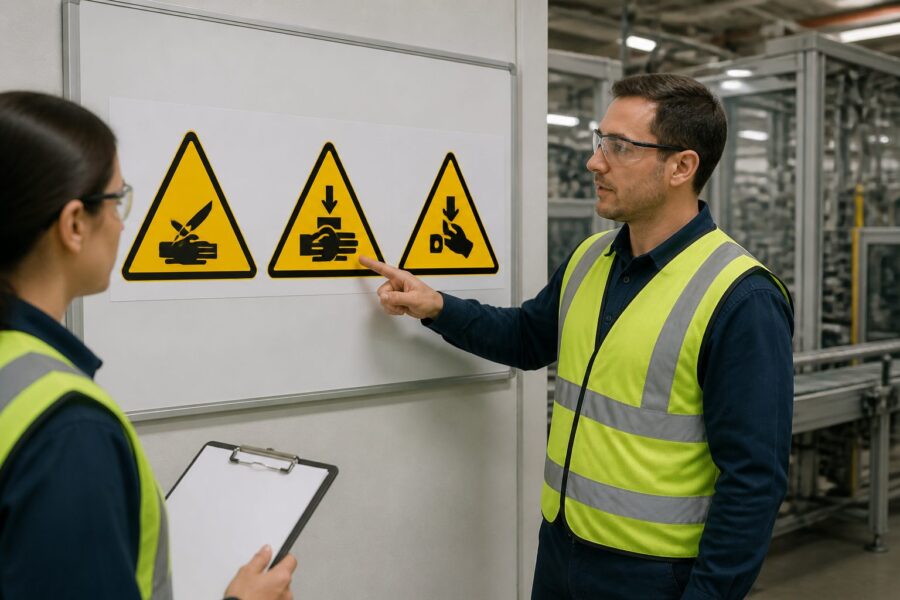
Cut hazard pictograms are crucial for warning workers about the presence of sharp edges and blades that can cause serious injuries if not handled properly. These symbols help to visualize the risks associated with various tools and equipment, thereby enhancing safety awareness among employees who may overlook these dangers.
Common cut hazard symbols include those representing blades, sharp edges, and laceration risks that could result from mishandling tools. By displaying these pictograms prominently in high-risk areas, organizations can remind employees to exercise caution and adhere to safety protocols when working near such hazards.
Using cut hazard pictograms effectively can significantly reduce the likelihood of laceration injuries, as they serve as immediate visual cues to alert workers of potential dangers. Workers are more likely to notice and heed visual warnings compared to text-only messages, which may require more time to read and comprehend, particularly in fast-paced environments.
Employers should ensure that these pictograms are visible and easy to understand, regardless of language barriers that may exist within a diverse workforce. Regular safety audits can help maintain the effectiveness of these visual warnings in the workplace by ensuring they are in good condition and appropriately placed for maximum visibility.
Integrating cut hazard pictograms into training programs can further enhance employee awareness and understanding of safety practices. This proactive approach can lead to a safer working environment where workers feel empowered to take precautions against potential risks to their hands.
Crush and Press Hazard Icons for Press Machines and Heavy Equipment
Crush and press hazards are prevalent in industries that utilize heavy machinery, such as manufacturing and construction. Pictograms indicating these hazards serve as crucial warnings that can help prevent severe injuries from occurring due to equipment malfunctions or improper operation.
These icons are essential for alerting workers to the potential dangers posed by equipment such as presses, forklifts, and conveyor systems that can exert significant force. By using clear crush hazard pictograms, employers can enhance safety protocols in their operations and reduce the risk of accidents that could lead to serious injuries.
| Hazard Type | Symbol Description | Recommended Actions |
|---|---|---|
| Crush Hazard | Symbol depicting a hand being crushed | Stay clear of moving equipment |
| Press Machine | Symbol indicating a press machine | Always use safety guards |
| Heavy Equipment | Icon representing heavy machinery | Wear protective gear |
| Forklift Operation | Symbol illustrating a forklift | Keep clear of lift paths |
Employers should incorporate these symbols in training sessions to reinforce safety measures and educate workers about the risks associated with heavy machinery. Regular inspections of equipment can also help ensure compliance with safety standards and the proper functioning of safety features designed to protect workers.
Pinch Point Pictograms: Standard Symbols and Where to Use Them
Pinch point hazards are another common risk in industrial environments, especially where machinery is involved and moving parts are prevalent. Pinch point pictograms provide clear warnings about potential areas where hands or fingers can get caught, thereby helping to prevent injuries that might otherwise occur.
- Use near conveyor belts where hands may be at risk
- Display around moving parts that could create pinch points
- Post near assembly lines where manual handling is frequent
- Mark areas with potential crush risks to alert workers
- Include in safety training materials to reinforce awareness
Clearly marking pinch points with appropriate symbols can significantly reduce the likelihood of injuries, as it creates a visual reminder for workers to exercise caution. These pictograms should be placed in high-traffic areas to ensure maximum visibility and awareness among employees who may be working in close proximity to hazardous equipment.
Employers should regularly review and update these safety symbols in accordance with industry standards to reflect any changes in machinery or work processes. This ongoing commitment to safety can foster a culture of awareness and responsibility among workers, encouraging them to prioritize their own safety and that of their colleagues.
Glove Requirement Pictograms and Selecting the Right Glove Type Symbol
Gloves are a critical component of hand safety in many industrial settings, as they provide essential protection against various hazards. Glove requirement pictograms help communicate the necessity of wearing appropriate hand protection, ensuring that workers understand the importance of safeguarding their hands while performing their tasks.
| Glove Type | Hazard Type | Recommended Use |
|---|---|---|
| Cut-Resistant | Sharp Edges | Handling blades and sharp tools |
| Heat-Resistant | High Temperatures | Working with hot materials |
| Chemical-Resistant | Hazardous Chemicals | Handling solvents and acids |
| Electrical | Electrical Risks | Working with live wires |
Selecting the right glove type is essential for ensuring adequate protection against specific hazards that workers may encounter in their roles. Workers should be trained to understand which glove to wear based on their tasks, as different gloves are designed for distinct types of risks and environments.
Employers must clearly display glove requirement pictograms in visible locations to ensure compliance with safety protocols and to remind employees of the necessity of hand protection. Ongoing training and regular reminders can reinforce the importance of proper hand protection, helping to create a culture of safety within the workplace.
Combining Hand Hazard Pictograms with Machine Point-of-Operation Signs
Combining hand hazard pictograms with machine point-of-operation signs can enhance overall safety communication in workplaces where complex machinery is operated. This dual approach ensures that workers are aware of both the machine’s operational hazards and the specific risks to their hands, ultimately contributing to a safer work environment.
- Display together near machinery to reinforce messaging
- Use in training materials to educate workers effectively
- Ensure visibility from a distance to catch workers’ attention
- Reinforce safety messages through regular updates and reminders
- Update regularly based on equipment changes or new hazards
Employers should develop a cohesive safety strategy that integrates both types of symbols, creating a comprehensive visual communication system that workers can rely on. This comprehensive approach can significantly reduce the risk of hand injuries in the workplace by ensuring that all potential hazards are clearly communicated.
Regular evaluations of the effectiveness of these combined symbols can provide insights into their impact on worker safety and help identify areas for improvement. Adjustments based on feedback and observations can further enhance their clarity and effectiveness, leading to a more informed and cautious workforce.
Sizing and Contrast Standards for Small-Format Hand Safety Labels
Proper sizing and contrast are critical for the effectiveness of small-format hand safety labels that are used throughout industrial settings. Labels must be easily readable and visually distinct to ensure that workers can quickly identify hazards and take appropriate action to protect themselves.
Organizations should adhere to established standards for size and color contrast when designing these labels to ensure consistency and effectiveness in communication. Compliance with these guidelines can enhance visibility and comprehension among workers, thereby reducing potential hazards and promoting a safer work environment.
Inadequate sizing can lead to confusion and misinterpretation of safety messages, which can have serious consequences in a busy industrial setting. Ensuring that small-format labels meet visibility requirements is essential for maintaining a safe working environment where employees are aware of the risks they face.
Regular audits of label placement and effectiveness can help identify areas for improvement and ensure that all safety messages are communicated clearly. By prioritizing clear communication through well-designed labels, employers can foster a culture of safety that encourages workers to be vigilant about their surroundings.
Continuous training on the importance of label visibility can further enhance worker awareness of hazards and the necessary precautions to take. A commitment to clear communication through well-designed safety labels is vital for minimizing risks associated with hand injuries and creating a proactive safety culture.
Training Effectiveness of Hand Hazard Pictograms vs. Text-Only Warnings
Training effectiveness can vary significantly between hand hazard pictograms and text-only warnings, as different formats resonate differently with workers. Studies have shown that visual symbols tend to be more memorable and easier to understand than written instructions, making them a powerful tool for safety communication.
Workers are more likely to recognize and respond to pictograms, particularly in high-stress situations where quick recognition is paramount. This heightened awareness can lead to a reduction in hand injuries across various industrial settings, as employees are more prepared to take immediate action when they see visual warnings.
| Training Method | Effectiveness Rating | Notes |
|---|---|---|
| Pictograms | High | Quick recognition and recall |
| Text-Only | Medium | Requires literacy and comprehension |
| Combined Approach | High | Reinforces learning and retention |
| Hands-On Training | Very High | Practical application enhances retention of safety knowledge |
Employers should consider integrating pictograms into their training programs to maximize safety effectiveness and ensure that workers are well-informed about potential hazards. This strategy can lead to a more informed workforce, ultimately reducing the incidence of hand injuries and promoting a culture of safety throughout the organization.
Auditing Hand Hazard Pictograms in Metalworking and Assembly Areas
Regular audits of hand hazard pictograms are essential in metalworking and assembly areas, where the potential for hand injuries is particularly high. These reviews help ensure that safety symbols are current and effective in communicating risks to workers, allowing for timely updates and adjustments as necessary.
Employers should establish a routine audit schedule to assess the visibility, clarity, and relevance of these pictograms, ensuring that they align with the latest safety standards and practices. Engaging workers in the audit process can provide valuable feedback and enhance overall safety awareness, creating a collaborative approach to workplace safety.
Addressing any deficiencies identified during audits can significantly improve safety conditions and help prevent hand injuries in the workplace. Continuous improvement in safety communication is vital for reducing hand injury rates and fostering a culture of safety that prioritizes the well-being of all employees.
Employers must take proactive measures to ensure the effectiveness of hand hazard pictograms, including regular updates and employee training on safety protocols. This commitment to safety and clear communication can foster a culture of awareness and responsibility, encouraging workers to prioritize safety in their daily tasks.
By prioritizing hand safety and maintaining effective communication about potential hazards, organizations can create a safer work environment that benefits both employees and the organization as a whole. This commitment to safety not only protects workers but also contributes to increased productivity and morale in the workplace.