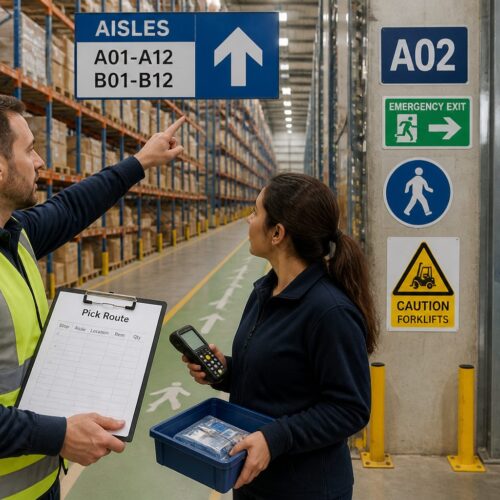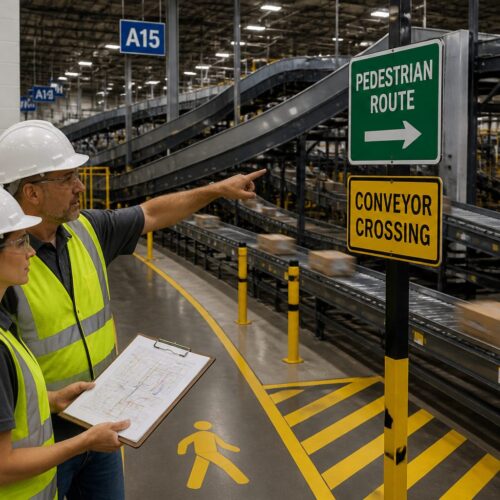


Effective wayfinding in an airport cargo terminal is essential for ensuring smooth operations and safety for all personnel and visitors who navigate these complex environments. With the inherent complexity of air freight handling environments, the implementation of clear signage and navigation aids becomes absolutely vital for helping all personnel involved, from staff to visitors, to find their way efficiently and safely.
The layout of an air cargo terminal typically includes various zones dedicated to different functions, which can create significant wayfinding challenges for everyone involved. Understanding these challenges is crucial for enhancing efficiency in cargo handling and logistics operations, as it directly impacts the speed and quality of the service provided by the terminal.
In this article, we will explore the various aspects of airport cargo terminal wayfinding, focusing on the specific signs and systems that facilitate navigation throughout these essential spaces. By addressing each component in detail, we aim to provide valuable insights into improving air freight zones and overall terminal functionality, thereby supporting better operational practices.
Air Cargo Terminal Layout and the Wayfinding Complexity It Creates
The layout of an air cargo terminal consists of multiple zones, including landside and airside areas, each serving distinct purposes and requiring specific operational protocols. This complexity can lead to confusion for both workers and visitors if effective wayfinding measures are not implemented, potentially compromising the efficiency of cargo operations.
Different cargo operations, such as loading, unloading, and security screenings, require specific pathways and access points to function smoothly and efficiently. As a result, having a comprehensive understanding of the terminal layout is essential for optimizing air freight handling and logistics, ensuring that all operations are conducted seamlessly.
Wayfinding signage must be strategically placed throughout the terminal to guide personnel and visitors effectively through the various zones and functions. This includes a range of directional signs, informative displays, and essential regulatory notices that enhance navigation and safety for all users of the terminal.
Clear signage helps reduce confusion and disorientation, enabling staff to locate essential areas such as cargo build-up zones and security screening areas quickly and efficiently. By improving the flow of information through effective signage, terminals can enhance operational efficiency and safety, ensuring that cargo handling processes run smoothly.
Ultimately, a well-designed air cargo terminal layout, complemented by effective wayfinding strategies, can significantly improve overall operational performance and user experience. Understanding the relationship between terminal design and navigation is critical for successful air freight operations, as it directly influences the speed and safety of cargo processing.
Landside vs. Airside Zone Boundary Signs and Access Control
The distinction between landside and airside zones is crucial in airport cargo terminals, as each serves different functions and requires specific security protocols to ensure safe operations. Effective boundary signs are essential to prevent unauthorized access and ensure compliance with safety regulations, thereby maintaining the security of sensitive cargo areas.
Landside areas typically include access points for trucks and personnel, while airside zones are restricted to authorized personnel only, reflecting the different security needs of each zone. Signage must clearly indicate these boundaries to facilitate smooth transitions between zones, ensuring that only those with proper authorization can access sensitive areas.
Access control measures, including gates and checkpoints, should be complemented by informative signage indicating restrictions and procedures that must be followed by all personnel. This ensures that only authorized individuals can access sensitive areas, thereby enhancing security and maintaining the integrity of cargo operations.
Incorporating clear wayfinding elements at these boundary points can help mitigate risks associated with unauthorized access and improve the flow of cargo movement throughout the terminal. Both landside and airside signs must comply with international standards to maintain uniformity and clarity, which is particularly important in busy transit environments.
Overall, well-designed boundary signs and effective access control systems are vital for maintaining safety and security in airport logistics operations. Proper signage not only protects sensitive cargo but also improves operational efficiency by streamlining the movement of personnel and vehicles throughout the terminal.
Cargo Build-Up Area Directional Signs for ULD Assembly Operations
Directional signs for cargo build-up areas are essential for guiding personnel during ULD (Unit Load Device) assembly operations, which are critical for efficient air freight handling. Clear and effective signage reduces delays and enhances the efficiency of air freight handling processes by ensuring that all personnel know exactly where to go and what to do.
These signs should indicate the locations of build-up areas, assembly points, and any relevant operational instructions that personnel must follow. Properly placed directional signage can significantly streamline cargo handling and ensure timely departures, directly impacting the overall efficiency of air cargo operations.
| Sign Type | Location | Purpose |
|---|---|---|
| Build-Up Area | Near Cargo Entrance | Guide for ULD Assembly |
| Assembly Point | Central Cargo Zone | Indicate ULD Assembly Area |
| Operational Instructions | At Build-Up Areas | Provide Handling Guidelines |
| Exit Sign | End of Assembly Line | Guide Personnel to Next Step |
By implementing efficient cargo build-up area signs, facilities can enhance the communication of critical information to staff and ensure everyone is aware of their roles and responsibilities. This ultimately leads to improved safety and operational efficiency within the terminal, allowing for better cargo flow and handling.
X-Ray and Security Screening Zone Routing Signage
Signage for X-ray and security screening zones plays a crucial role in maintaining safety and compliance in air cargo terminals, where rigorous security checks are mandatory. These signs must clearly indicate the routing and procedures for cargo entering screening areas, guiding both personnel and cargo through these critical checkpoints.
Effective routing signage helps guide personnel and cargo through security checkpoints, reducing wait times and enhancing operational efficiency by ensuring that everyone is aware of the correct procedures. Properly designed signs also communicate the importance of adhering to security protocols, reinforcing safe practices among staff.
Incorporating visual cues, such as arrows and easily recognizable symbols, can further enhance understanding and compliance with security procedures. This is particularly important in high-traffic areas where quick navigation is essential for maintaining flow and avoiding bottlenecks during peak operational times.
Signage should also provide clear instructions for cargo handlers on what to expect during the screening process, including information on prohibited items and any additional procedures that must be followed. By ensuring that all personnel are informed about security expectations, terminals can improve compliance and reduce the likelihood of security breaches.
Ultimately, effective X-ray and security screening zone routing signage is vital for ensuring the safety and security of air freight operations. By facilitating clear communication through well-designed signage, terminals can improve compliance and operational performance, contributing to a safer and more efficient cargo handling environment.
Temperature-Controlled Storage Zone Signs in Pharma and Perishable Cargo Areas
Temperature-controlled storage zones are essential for the handling of pharmaceutical and perishable cargo, where maintaining strict temperature guidelines is crucial. Clear signage in these areas helps ensure that temperature-sensitive items are stored and handled according to established protocols, minimizing the risk of spoilage and ensuring compliance with industry standards.
These signs should indicate the specific temperature ranges required for various types of cargo, from pharmaceuticals to fresh produce, to prevent any mishaps. Proper navigation through temperature-controlled areas minimizes the risk of spoilage and maintains compliance with industry standards, safeguarding the integrity of valuable cargo.
- Temperature Range Indicators
- Storage Instructions
- Handling Guidelines
- Inspection Procedures
- Emergency Protocols
By providing clear and concise signage, facilities can enhance the safety and integrity of sensitive cargo, ensuring that all personnel understand the importance of following proper procedures. This ultimately leads to better outcomes for both the cargo and the end customers, who rely on the integrity of their shipments.
Dangerous Goods Acceptance Area Wayfinding for Air Freight Handlers
Wayfinding signage in dangerous goods acceptance areas is crucial for ensuring the safe handling of hazardous materials, which require strict adherence to safety protocols. Effective signage helps to inform air freight handlers about proper procedures and safety measures, significantly reducing the risk of accidents and ensuring compliance with regulations.
These signs should clearly identify acceptance areas and outline the necessary safety protocols that personnel must follow when handling dangerous goods. By providing detailed instructions, facilities can enhance compliance with regulations and minimize risks associated with the handling of hazardous materials.
Moreover, distinguishing between the various classes of dangerous goods is essential for proper handling and ensuring that appropriate safety measures are taken. This can be achieved through color-coded signage and clear labeling that helps personnel quickly identify the nature of the materials they are dealing with.
Implementing comprehensive wayfinding strategies in these areas can significantly improve safety and efficiency by ensuring that all employees understand their responsibilities when dealing with hazardous materials. Proper signage ensures that everyone is aware of the potential risks and the necessary precautions to take, ultimately promoting a safer work environment.
Ultimately, effective wayfinding for dangerous goods acceptance areas is vital for maintaining safety in air freight operations. Enhanced communication through signage helps to protect both personnel and cargo, ensuring that hazardous materials are handled appropriately and safely.
Aircraft Loading and Ramp Zone Pedestrian Exclusion Signs
Pedestrian exclusion signs in aircraft loading and ramp zones are essential for maintaining safety and preventing accidents. These signs help keep unauthorized personnel away from high-risk areas during loading and unloading operations, where the potential for injury is significant.
Clear signage should indicate restricted areas, along with instructions for authorized personnel, ensuring that only trained individuals are permitted in these zones. This is crucial for preventing accidents and ensuring the safety of both cargo and ground staff, as well as the integrity of the aircraft itself.
Effective pedestrian exclusion signage enhances situational awareness for all personnel working in the vicinity of aircraft, promoting a culture of safety within the terminal. By clearly marking hazards and restricted areas, facilities can reduce the likelihood of accidents and injuries, creating a safer working environment.
It is important for organizations to regularly assess and update their signage to ensure continued compliance with safety regulations and best practices. This proactive approach enhances safety culture and operational efficiency, demonstrating a commitment to the well-being of all personnel.
Ultimately, well-placed pedestrian exclusion signs are critical for protecting both personnel and cargo during loading operations. A strong focus on safety will lead to improved operational outcomes in air freight handling, benefiting everyone involved in the process.
Wayfinding Signs for Known Consignor and Regulated Agent Cargo Lanes
Wayfinding signs for known consignor and regulated agent cargo lanes are vital for ensuring compliance with security protocols that govern air cargo operations. Clear signage helps to guide cargo through designated lanes, effectively reducing the risk of unauthorized access and maintaining security throughout the terminal.
These signs should indicate the specific lanes for known consignors and regulated agents, facilitating smooth operations and ensuring that all cargo is handled according to established security protocols. Proper wayfinding enhances security and efficiency in cargo handling processes, which is essential in a busy airport environment.
Implementing standardized signage across all cargo lanes can help maintain uniformity and clarity, ensuring that everyone understands the layout and the requirements for each lane. This is especially important in busy airports where high volumes of cargo are processed daily, as clear communication minimizes confusion and delays.
In addition, regular training for personnel on the importance of these signs can further enhance compliance and operational efficiency. A well-informed workforce is crucial for maintaining security and ensuring that all procedures are followed diligently, reducing the risk of errors in cargo handling.
Ultimately, effective wayfinding for known consignor and regulated agent cargo lanes is essential for maintaining safety and security in airport logistics. Enhanced communication through signage leads to improved compliance and operational outcomes, fostering a secure and efficient cargo transport environment.
IATA and TSA Compliance Considerations for Air Cargo Facility Signage
Adhering to IATA and TSA compliance regulations is critical for air cargo facilities, particularly when it comes to signage that governs operations and safety. Proper signage must meet international standards to ensure safety and operational efficiency in air freight handling, reflecting the importance of regulatory compliance in maintaining security.
Compliance considerations include the clarity, visibility, and strategic placement of signs throughout the terminal, ensuring that they are easily seen and understood by all personnel. Regular assessments and updates to signage help ensure ongoing compliance with evolving regulations, which is crucial in the fast-paced world of air cargo.
Furthermore, facilities should prioritize training for personnel on the significance of compliance with signage regulations to promote a culture of safety and awareness. A well-informed staff is essential for maintaining safety and efficiency in air freight operations, as they are the first line of defense against potential hazards.
By integrating compliance considerations into the design and implementation of signage, facilities can enhance their operational performance and ensure that all personnel are aware of their responsibilities. This proactive approach contributes to a culture of safety and efficiency, benefiting everyone involved in air cargo operations.
Ultimately, understanding and implementing IATA and TSA compliance requirements for signage is vital for the success of air cargo operations, as it ensures that all necessary procedures are clearly communicated and followed. Proper signage not only facilitates wayfinding but also ensures regulatory adherence and safety, which are paramount in the aviation industry.