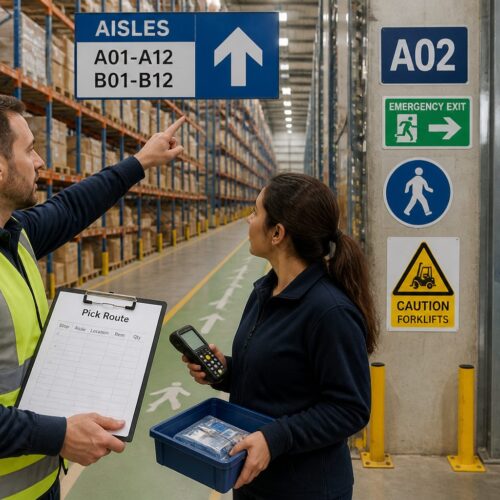

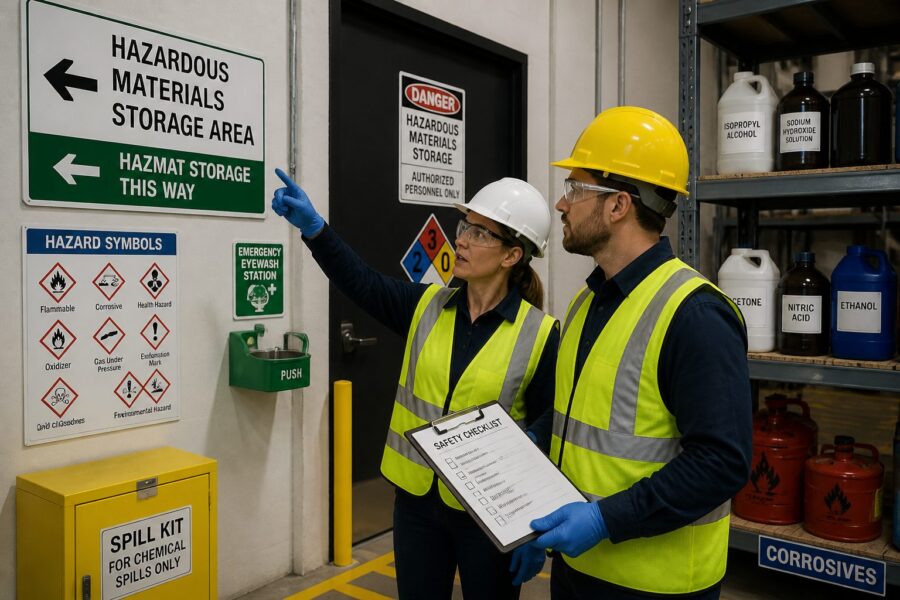
Storing hazardous materials demands precision and an unwavering commitment to safety. You can’t just stack chemicals wherever there’s an empty corner; that’s an invitation to disaster. Effective wayfinding for hazmat storage is more than just putting up a few signs; it’s about creating an intuitive, foolproof system that guides personnel and emergency responders alike.
Ignoring proper chemical storage navigation can lead to severe consequences, from accidental spills and worker injuries to environmental contamination and hefty regulatory fines. A well-planned system ensures that everyone knows where to find specific materials, how to handle them, and what to do if something goes wrong. This proactive approach minimizes risks and keeps operations running smoothly.
Implementing clear hazardous material signage and consistent safety regulations protects your team and your assets. It also demonstrates a serious commitment to responsible business practices. Let’s look at how a robust wayfinding strategy can transform your hazmat storage into a model of safety and efficiency.
Properly executed wayfinding for hazmat storage isn’t just a regulatory checkbox; it’s a fundamental aspect of operational integrity. It allows for quick identification, retrieval, and secure placement of substances, preventing potentially catastrophic errors. Every minute counts when you’re dealing with volatile or toxic compounds, and clear guidance can save lives.
Importance of Clear Wayfinding in Hazmat Storage Areas
Clear wayfinding in hazmat storage areas is absolutely essential for preventing accidents and ensuring rapid response during emergencies. Without a logical system, even experienced personnel can waste precious time searching for specific materials or understanding their risks. This confusion increases the likelihood of mishandling, spills, or exposures.
Imagine a scenario where a fire breaks out, and emergency services arrive on site, only to find a labyrinth of unmarked aisles and containers. Their ability to quickly identify and mitigate threats is severely hampered without precise hazardous material signage and a clear path to the source. This delay can escalate a minor incident into a major catastrophe.
A well-designed wayfinding system minimizes human error by reducing cognitive load on workers. They can focus on the task at hand, knowing that the navigation cues are reliable and easy to follow. This improves overall operational efficiency and reduces stress in a high-stakes environment.
Beyond daily operations, clear chemical storage navigation is a non-negotiable requirement for compliance with numerous safety regulations. Regulators expect facilities to have robust systems in place to manage risks associated with hazardous substances. Failing these inspections can result in hefty fines and operational shutdowns.
Investing in comprehensive wayfinding for hazmat storage is not an expense, but a critical investment in safety and continuity. It protects your employees, your property, and the surrounding environment from potential harm. This commitment reflects a responsible approach to managing dangerous goods.
It also streamlines inventory management and auditing processes, making it easier to track materials and ensure proper rotation. When everything has its designated place, stock takes become quicker and more accurate. This helps prevent overstocking or the accidental storage of expired materials.
Finally, a clear system fosters a culture of safety within the workplace. When management prioritizes easy and intuitive navigation, it sends a clear message about the value placed on employee well-being. This can boost morale and encourage greater adherence to safety protocols.
Designating Specific Areas for Hazardous Material Storage
Designating specific areas for hazardous material storage is the bedrock of any effective wayfinding for hazmat storage strategy. You simply cannot mix incompatible chemicals or store flammable liquids next to ignition sources without inviting trouble. Each type of hazardous material demands its own carefully considered environment.
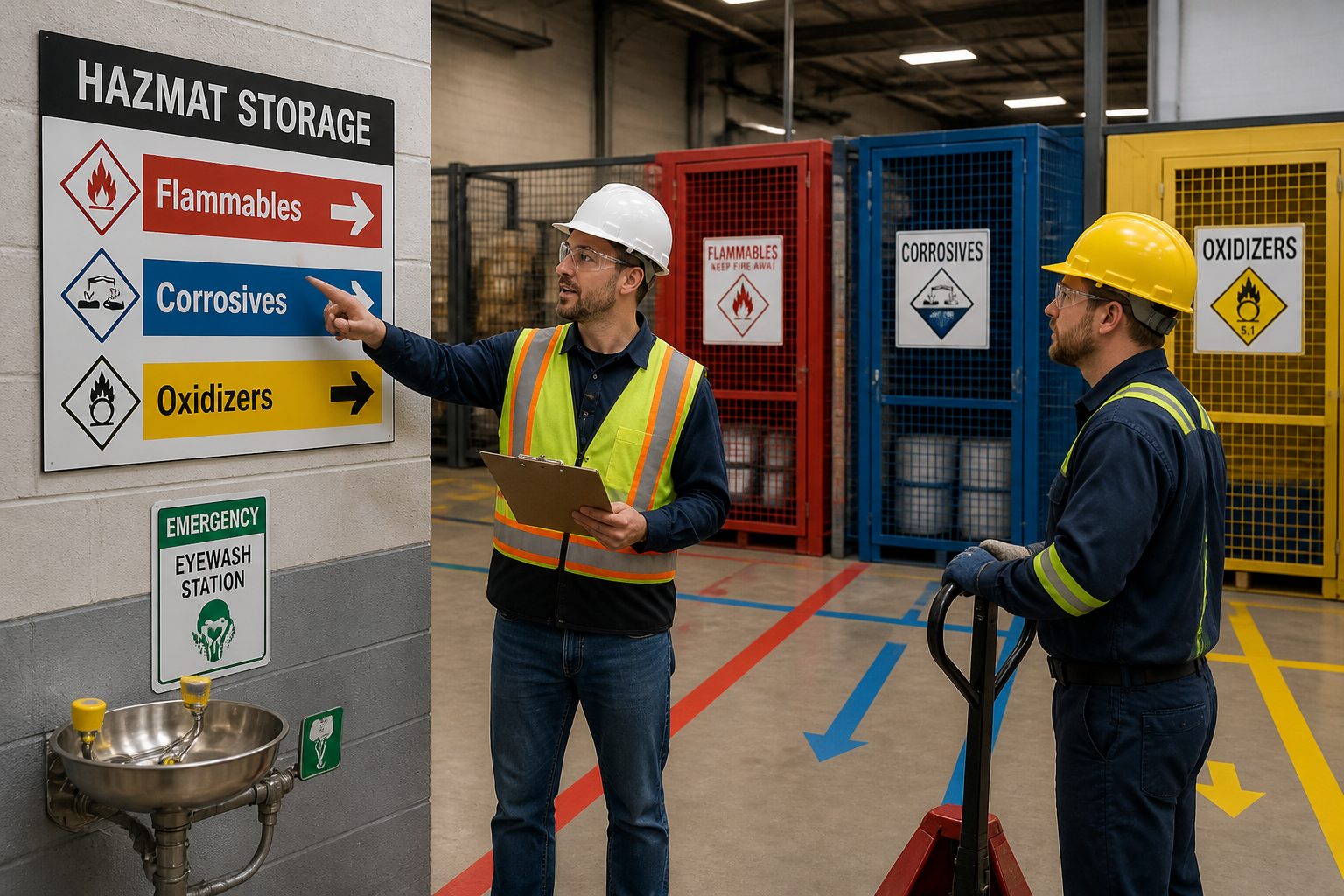
This means establishing zones for corrosives, flammables, oxidizers, and toxic substances, ensuring physical separation and appropriate containment. Proper chemical storage navigation starts with knowing exactly where each category belongs to prevent dangerous reactions. This initial planning prevents many potential hazards.
Clearly marking these designated areas with prominent hazardous material signage makes identification instant and unambiguous. Workers should be able to tell at a glance what type of materials are stored in a particular section, even before approaching individual containers. This reduces the risk of incorrect material handling.
Think about the structural requirements of each storage zone. Flammable liquid storage, for example, often requires fire-resistant cabinets, proper ventilation, and grounded shelving to minimize static electricity. These specific environmental controls are non-negotiable for safety.
Incompatible materials must be physically separated, sometimes by significant distances or even in different buildings. This separation prevents accidental mixing or reactions if a spill occurs in one area. Strict adherence to this principle is a cornerstone of safety regulations.
Consider the access points and pathways within and around these designated storage zones. Wayfinding for hazmat storage also includes ensuring clear, unobstructed routes for personnel and emergency equipment. You need enough space for safe movement and quick evacuation if necessary.
Regular audits of these designated areas are crucial to ensure ongoing compliance and address any changes in inventory or regulations. You can’t just set it up once and forget about it; continuous vigilance is key. This proactive monitoring helps identify and rectify potential issues before they escalate.
Furthermore, each storage area should have its own specific safety equipment readily available, such as spill kits, fire extinguishers, or emergency showers. Clear hazardous material signage should point directly to these resources. This ensures immediate access when an incident occurs.
Implementing Clear Signage for Identifying Hazardous Materials
Implementing clear hazardous material signage is fundamental to effective wayfinding for hazmat storage, serving as the first line of defense against accidents. These signs communicate critical information instantly, even to those unfamiliar with the specific contents of a facility. Everyone needs to understand the risks at a glance.
Standardized symbols, colors, and text ensure universal understanding, cutting down on confusion and misinterpretation. This consistency is vital for chemical storage navigation, especially when multiple languages or varied levels of training are present among personnel. A unified system prevents dangerous misunderstandings.
| Symbol/Pictogram | Hazard Type | Example Application |
|---|---|---|
| Flame | Flammables, Pyrophorics, Self-heating, Emits Flammable Gas, Self-reactives, Organic Peroxides | Storage cabinet for acetone or gasoline |
| Skull and Crossbones | Acute Toxicity (Fatal or Toxic) | Area storing cyanide or highly toxic pesticides |
| Exploding Bomb | Explosives, Self-reactives, Organic Peroxides | Magazine for unstable chemicals or explosives |
| Gas Cylinder | Gases Under Pressure | Storage rack for nitrogen or oxygen cylinders |
| Corrosion | Skin Corrosion/Burns, Eye Damage, Corrosive to Metals | Acid storage room, caustic material containers |
| Health Hazard | Carcinogen, Mutagenicity, Reproductive Toxicity, Respiratory Sensitizer, Target Organ Toxicity, Aspiration Toxicity | Area with benzene or formaldehyde |
| Exclamation Mark | Irritant (skin and eye), Skin Sensitizer, Acute Toxicity (harmful), Narcotic Effects, Respiratory Tract Irritation, Hazardous to Ozone Layer (non-mandatory) | General chemical storage with cleaners, glues |
| Environment | Aquatic Toxicity | Waste storage for contaminated water, certain pesticides |
The table above showcases common symbols used in hazardous material signage, each conveying a specific threat. These pictograms, often part of the Globally Harmonized System (GHS), provide immediate visual cues about the dangers present. Understanding these symbols is paramount for anyone working near hazardous materials.
Beyond GHS, clear labels on individual containers must include product identifiers, hazard statements, precautionary statements, and supplier information. This detailed labeling ensures that the exact nature of the substance is always known. It’s a critical component of safety regulations and prevents dangerous mix-ups.
Providing Instructions for Handling Hazardous Materials
Providing clear instructions for handling hazardous materials is an indispensable part of any comprehensive wayfinding for hazmat storage system. Signage pointing to storage locations is just the beginning; personnel also need to know exactly how to interact with these dangerous substances safely. This information prevents accidents during routine tasks.
Safety Data Sheets (SDS) are the authoritative source for handling instructions and must be readily accessible for every hazardous material on site. These detailed documents provide critical information on safe handling, storage, emergency procedures, and first aid. Workers should know where to find these SDS and how to interpret them.
Beyond the SDS, specific handling guidelines should be posted prominently in each storage area, possibly adjacent to the hazardous material signage. These might include requirements for personal protective equipment (PPE), ventilation needs, or specific pouring and transferring procedures. Visual aids and concise bullet points can make these instructions easier to absorb.
Training programs are also essential, ensuring that all employees understand and can execute these handling instructions correctly. Knowledge is power when it comes to hazardous materials, and practical training reinforces the theoretical information. Regular refreshers help keep safety protocols top of mind.
For chemical storage navigation, instructions might also include protocols for spill containment and cleanup, specific to the types of chemicals stored in that zone. Having these procedures clearly outlined and practiced minimizes environmental damage and worker exposure during an incident. Everyone needs to know their role in an emergency.
Emergency contact information and procedures should also be posted clearly within these areas. This includes internal contacts, external emergency services, and steps to take in various emergency scenarios. Quick access to this information can be life-saving.
Supervisors must regularly observe handling practices to ensure compliance with established procedures and correct any deviations promptly. Hands-on supervision reinforces the importance of following instructions and catches potential issues before they become serious problems. This continuous oversight is a key element of safety.
Finally, encourage open communication where employees feel comfortable reporting concerns or suggesting improvements to handling procedures. A culture that values feedback can identify weaknesses in instructions or training. This collaborative approach leads to more robust safety measures.
Streamlining the Flow of Hazardous Materials Through the Storage Process
Streamlining the flow of hazardous materials through the storage process is a crucial element of efficient wayfinding for hazmat storage. It’s not just about where things sit, but how they move in and out of the facility safely and logically. A smooth flow minimizes handling risks and improves operational speed.
Design your storage layout to support a one-way or linear flow if possible, reducing crisscrossing paths and potential bottlenecks. This clear chemical storage navigation ensures that incoming materials move directly to their designated spots and outgoing materials proceed efficiently to dispatch. Such a system reduces confusion and the chance of collisions.
Implement clear receiving and dispatch protocols with dedicated hazardous material signage for these zones. Incoming shipments should be inspected, labeled, and moved to storage without unnecessary delays or temporary holding in unsafe areas. Similarly, outgoing materials need swift, secure preparation for transport.
Utilize color-coding or distinct floor markings to delineate pathways for different types of materials or equipment. This visual guidance enhances wayfinding for hazmat storage, ensuring that, for example, forklifts carrying flammables don’t inadvertently enter a corrosive storage zone. Clear pathways reduce the likelihood of accidental spills or contact.
Consider the placement of frequently accessed materials closer to their points of use, but always within their correct hazardous material storage zones. This reduces travel distance and handling time, boosting efficiency without compromising safety. Optimize layout for both safety and practical access.
Automation and technology, such as barcode scanning or RFID tags, can significantly streamline inventory tracking and movement. These systems provide real-time data on material locations, reducing manual errors and speeding up retrieval. Such tools enhance the precision of chemical storage navigation.
Regularly review and optimize material flow paths, especially after changes in inventory or operational procedures. What worked yesterday might not be the most efficient or safest approach today. Continuous improvement is key to maintaining an efficient and secure system.
Ensure that all personnel involved in material handling are thoroughly trained on the established flow procedures and the significance of each piece of hazardous material signage. Understanding the ‘why’ behind the system encourages greater adherence to protocols. Well-informed staff are safer staff.
Ensuring Compliance with Safety Regulations
Ensuring compliance with safety regulations is not merely a legal obligation; it’s a fundamental commitment to protecting lives and the environment. Failing to meet these standards can lead to severe penalties, operational shutdowns, and irreversible damage to your reputation. Wayfinding for hazmat storage plays a direct role in meeting these requirements.
Regulatory bodies like OSHA, EPA, and DOT impose strict guidelines on how hazardous materials are stored, handled, and transported. Your entire wayfinding system, from hazardous material signage to chemical storage navigation, must align perfectly with these specific rules. Ignoring these detailed requirements is never an option.
- Regularly review and update safety protocols
- Conduct mandatory employee training sessions
- Maintain accurate Safety Data Sheet (SDS) records
- Perform routine facility inspections and audits
- Ensure all hazardous material signage is current
- Verify proper container labeling and integrity
- Implement emergency response plans and drills
- Document all compliance efforts and findings
The list above outlines key actions to maintain regulatory compliance, each directly supported by robust wayfinding for hazmat storage practices. Each item on that list contributes to a safer working environment and helps you pass inspections. These are not optional steps but essential components of your safety program.
Staying informed about changes in safety regulations is also a continuous effort; laws and best practices evolve. Designate a responsible person or team to monitor regulatory updates and integrate them into your facility’s procedures. Proactive adaptation prevents costly non-compliance issues.
Conclusion
Effective wayfinding for hazmat storage is far more than just a convenience; it’s a non-negotiable cornerstone of operational safety and regulatory compliance. By implementing clear hazardous material signage, designating specific storage areas, and streamlining material flow, businesses create environments that protect both people and the planet. This commitment reflects a mature approach to risk management.
A well-thought-out system minimizes the potential for accidents, ensures quick and effective emergency response, and fosters a culture of safety among all personnel. It’s about building an intuitive framework for chemical storage navigation that leaves no room for error or ambiguity. Prioritizing these systems is a smart business decision.
Investing in robust wayfinding solutions for your hazardous materials not only meets stringent safety regulations but also enhances efficiency and reduces long-term costs associated with incidents. It demonstrates a genuine dedication to responsible operations and employee well-being. Ultimately, safety should always be the top priority.
Take the time to assess your current systems, identify areas for improvement, and implement changes that make your hazmat storage truly navigable and safe. The effort put into clear wayfinding for hazmat storage pays dividends in peace of mind and operational excellence. This proactive stance is essential in today’s demanding industrial landscape.