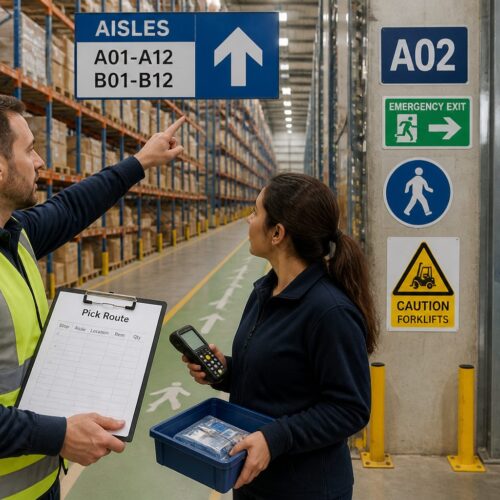

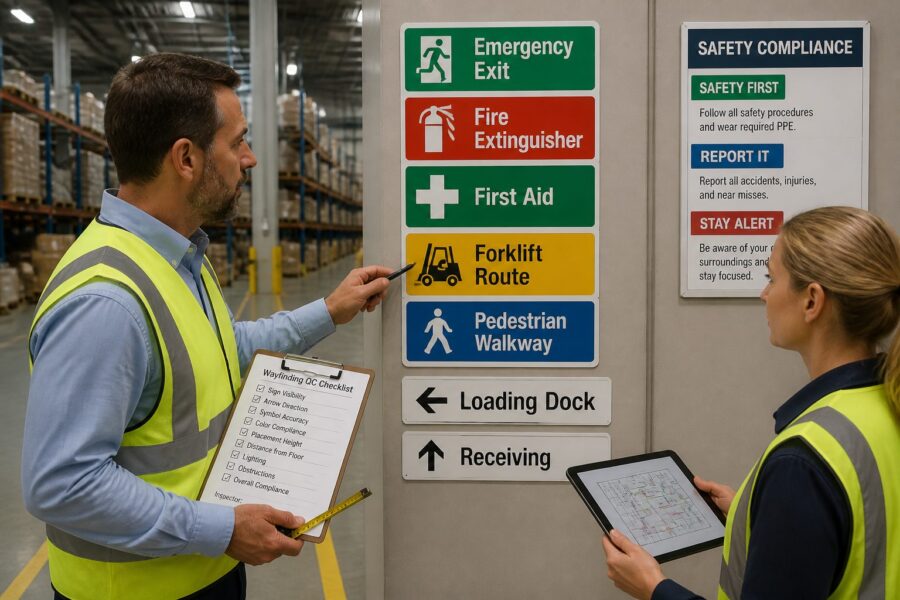
In the fast-paced world of manufacturing and production, maintaining high-quality standards is paramount. Effective wayfinding for quality control areas is essential for ensuring products meet the required specifications and for minimizing errors.
Implementing a clear and concise system of visual cues and signs can significantly improve the efficiency and accuracy of quality control processes. This article explores the importance of wayfinding in quality control, providing insights into designing, implementing, and maintaining an effective system.
By optimizing wayfinding for quality control areas, businesses can reduce defects, improve productivity, and enhance overall product quality. Let’s examine the key elements of inspection area signage and quality assurance wayfinding.
Importance of Clear Wayfinding in Quality Control
Clear wayfinding in quality control is more than just placing signs; it’s about creating an intuitive and efficient system. This system guides personnel through the various stages of inspection, ensuring no step is missed.
Well-designed wayfinding helps to minimize confusion, reduce the time spent searching for specific areas, and improve the overall flow of the quality control process. Effective wayfinding can also contribute to a safer working environment by clearly marking hazardous areas and providing instructions for safe operation.
By implementing a robust wayfinding system, organizations can streamline their quality control processes, leading to higher productivity and reduced costs. The correct inspection area signage ensures that employees can quickly identify and access the necessary areas for their tasks.
Ultimately, investing in quality assurance wayfinding is an investment in the overall quality and efficiency of the organization. It improves product quality, reduces errors, and enhances the work environment.
A clear and well-maintained wayfinding system not only benefits employees but also contributes to a positive impression for visitors and auditors. It showcases the organization’s commitment to quality and attention to detail.
Furthermore, effective wayfinding can facilitate better communication between different departments involved in the quality control process. It ensures that everyone is on the same page and that information flows smoothly, reducing the risk of misunderstandings and errors.
Consider the integration of digital wayfinding solutions, such as interactive maps and digital signage, to further enhance the effectiveness of the system. These technologies can provide real-time information, personalized guidance, and interactive features that improve the overall user experience.
The importance of clear wayfinding extends beyond the immediate benefits of improved efficiency and reduced errors. It also contributes to a culture of quality within the organization, where everyone is committed to maintaining high standards and continuously improving processes.
Designating Specific Areas for Quality Inspection
Designating specific areas for quality inspection is a fundamental step in establishing an effective quality control process. These areas should be strategically located to optimize the flow of materials and products through the inspection process.
Consider factors such as the size and nature of the products being inspected, the equipment required, and the number of personnel involved. It’s essential to create distinct zones for different types of inspections, such as incoming material inspection, in-process inspection, and final product inspection.
Each designated area should be clearly marked with appropriate signage, including the name of the inspection area, any specific instructions or procedures, and relevant safety information. Proper lighting and ventilation are also crucial to ensure accurate and comfortable inspection conditions.
By carefully planning and designating specific areas for quality inspection, businesses can create a more organized and efficient quality control process. This leads to improved accuracy, reduced errors, and enhanced overall product quality.
The layout of these designated areas should also consider ergonomic principles to minimize strain and fatigue on inspectors. Adjustable workstations, comfortable seating, and proper lighting can all contribute to a more comfortable and productive work environment.
Furthermore, the designated areas should be designed to minimize distractions and interruptions. This may involve creating separate rooms or using partitions to create a more private and focused environment.
Consider the use of visual aids, such as checklists, diagrams, and reference samples, to assist inspectors in their tasks. These aids should be readily accessible and clearly displayed in the designated areas.
Regularly evaluate the effectiveness of the designated areas and make adjustments as needed. This may involve relocating areas, reconfiguring layouts, or adding new equipment to improve the efficiency and accuracy of the quality control process.
Implementing Clear Signage for Identifying Defective Products
Clear and consistent signage is essential for identifying defective products and preventing them from entering the production stream. A well-designed system of defect identification ensures that all personnel can quickly and easily recognize non-conforming items.
Use standardized labels, tags, or color-coded systems to clearly mark defective products. These markings should include information such as the type of defect, the date of identification, and the person responsible for the identification.
| Defect Type | Label Color | Tag Description |
|---|---|---|
| Cosmetic Defect | Yellow | “Cosmetic – Do Not Ship” |
| Functional Defect | Red | “Functional – Repair Required” |
| Missing Component | Orange | “Missing Component – Hold” |
| Dimensional Error | Blue | “Dimensional – Rework” |
Designated holding areas for defective products should be clearly marked to prevent accidental use or shipment. Regular training for all personnel on the defect identification system is essential to ensure consistency and accuracy.
The signage used to identify defective products should be durable and resistant to wear and tear. Consider using materials that are waterproof, chemical-resistant, and UV-resistant to ensure that the signage remains legible over time.
The size and placement of the signage should be carefully considered to ensure that it is easily visible from a distance. Use large, bold fonts and clear, concise language to convey the message effectively.
Regularly inspect the signage to ensure that it is in good condition and that it is still accurate and relevant. Replace any damaged or outdated signage promptly.
The defect identification system should be integrated with the organization’s overall quality management system. This ensures that defective products are properly tracked, analyzed, and addressed to prevent future occurrences.
Providing Instructions for Reporting Quality Issues
Establishing a clear and accessible system for reporting quality issues is critical for continuous improvement. This system should empower employees to report defects, non-conformances, or any other quality-related concerns without fear of reprisal.
Provide clear and concise instructions on how to report quality issues, including the steps to follow, the information to include, and the designated contact person or department. Make reporting forms readily available in all relevant areas, both in physical and electronic formats.
Ensure that all reports are promptly investigated and addressed, and provide feedback to the person who submitted the report. This demonstrates a commitment to quality and encourages employees to actively participate in the quality improvement process.
Regularly review and update the reporting system to ensure its effectiveness and accessibility. A robust reporting system ensures that quality issues are identified and addressed promptly, preventing them from escalating into larger problems.
Consider implementing a digital reporting system that allows employees to submit reports electronically. This can streamline the reporting process and make it easier to track and analyze quality issues.
Provide training to all employees on how to use the reporting system and what types of issues should be reported. Emphasize the importance of reporting all quality concerns, no matter how small they may seem.
Establish a clear process for escalating quality issues that require immediate attention. This ensures that critical problems are addressed promptly and effectively.
Publicize the results of quality investigations and the corrective actions that have been taken. This demonstrates a commitment to transparency and accountability and reinforces the importance of reporting quality issues.
Streamlining the Flow of Items Through the Quality Control Process
Optimizing the flow of items through the quality control process is essential for maximizing efficiency and minimizing delays. This involves carefully analyzing the steps involved in the process and identifying potential bottlenecks or areas for improvement.
Implement a streamlined workflow that minimizes unnecessary movement of materials and products. Use visual cues and signage to guide personnel through the process, ensuring that items are routed to the correct inspection areas and that defective products are properly segregated.
- Clearly defined process steps
- Strategic placement of inspection areas
- Visual cues and signage
- Designated holding areas for defective products
- Regular process reviews and updates
Regularly review and update the workflow to ensure it remains efficient and effective. A streamlined flow of items reduces the time required for quality control, improves productivity, and minimizes the risk of errors.
Consider using automation to streamline the flow of items through the quality control process. This may involve using robots or automated conveyor systems to move materials and products between different inspection areas.
Implement a system for tracking the movement of items through the quality control process. This allows you to identify bottlenecks and areas where delays are occurring.
Use lean manufacturing principles to eliminate waste and improve efficiency in the quality control process. This may involve reducing inventory, minimizing movement, and eliminating unnecessary steps.
Regularly solicit feedback from employees who work in the quality control process. They can provide valuable insights into areas where the workflow can be improved.
Ensuring Compliance with Quality Standards
Compliance with quality standards is a critical aspect of quality control. This involves adhering to industry regulations, company policies, and customer requirements to ensure that products meet the required specifications.
Implement a system for documenting and tracking all quality control activities, including inspections, tests, and corrective actions. Ensure that all personnel are thoroughly trained on the relevant quality standards and procedures, and provide regular updates and refresher courses.
Conduct regular audits to verify compliance with quality standards and identify areas for improvement. Use the findings of these audits to implement corrective actions and prevent future non-conformances.
By maintaining a strong focus on compliance with quality standards, organizations can ensure that their products consistently meet the required specifications. This builds customer confidence, enhances reputation, and reduces the risk of costly recalls or liabilities.
Stay up-to-date on the latest changes to quality standards and regulations. This ensures that your quality control processes remain compliant and effective.
Implement a system for managing and controlling documents related to quality standards. This ensures that all personnel have access to the latest versions of these documents.
Conduct regular risk assessments to identify potential areas of non-compliance. This allows you to proactively address these risks and prevent future problems.
Establish a culture of quality within the organization. This encourages all employees to take ownership of quality and to strive for continuous improvement.
The Role of Color Coding in Wayfinding for Quality Control Areas
Color coding is a powerful tool that can enhance wayfinding in quality control areas. By assigning specific colors to different areas, processes, or types of defects, you can create a visual system that is easily understood and followed.
For example, you could use green to indicate areas where products have passed inspection, red to indicate areas where defective products are held, and yellow to indicate areas where products are undergoing inspection. Be sure to choose colors that are easily distinguishable and that are consistent with industry standards and best practices.
Incorporate color coding into signage, floor markings, and equipment labeling to create a cohesive and intuitive wayfinding system. Provide training to all personnel on the meaning of the different colors and how they relate to the quality control process.
A well-designed color-coding system can significantly improve the efficiency and accuracy of quality control processes. It reduces confusion, minimizes errors, and enhances overall product quality.
When implementing a color-coding system, consider the potential for color blindness among employees. Choose colors that are easily distinguishable by people with different types of color blindness.
Ensure that the color-coding system is consistently applied throughout the facility. This helps to avoid confusion and ensures that everyone understands the meaning of the different colors.
Regularly review and update the color-coding system to ensure that it remains effective and relevant. This may involve adding new colors or changing the meaning of existing colors.
Consider using color coding to differentiate between different types of equipment or tools. This can help to prevent accidental use of the wrong equipment and improve safety.
Regularly Reviewing and Updating Wayfinding Systems
Wayfinding systems are not static; they should be regularly reviewed and updated to ensure they remain effective and relevant. Changes in production processes, facility layouts, or quality standards may necessitate modifications to the wayfinding system.
Solicit feedback from employees who use the wayfinding system to identify areas for improvement. Conduct regular audits to assess the effectiveness of the system and identify any areas where it may be confusing or misleading.
When making changes to the wayfinding system, communicate these changes clearly to all personnel. Provide training on any new signage, procedures, or color codes to ensure that everyone understands the updated system.
By regularly reviewing and updating your wayfinding system, you can ensure that it continues to support efficient and effective quality control processes. This proactive approach helps to minimize errors, improve productivity, and maintain high-quality standards.
Document all changes made to the wayfinding system. This provides a record of the evolution of the system and can be helpful for future reference.
Consider using a formal change management process when making significant changes to the wayfinding system. This helps to ensure that all stakeholders are involved and that the changes are implemented smoothly.
Regularly test the wayfinding system to ensure that it is functioning as intended. This may involve having employees navigate the facility using only the wayfinding system.
Use the results of audits and testing to identify areas where the wayfinding system can be further improved. This continuous improvement approach helps to ensure that the system remains effective over time.
The Impact of Wayfinding on Employee Training and Onboarding
A well-designed wayfinding system can significantly enhance employee training and onboarding processes. New employees can quickly learn the layout of the facility, the location of different inspection areas, and the flow of materials through the quality control process.
Incorporate wayfinding elements into training materials, such as maps, diagrams, and photographs. Use the wayfinding system as a guide during facility tours, pointing out key areas and explaining their function.
Provide new employees with a wayfinding guide that they can refer to as needed. This guide should include information on the location of different areas, the meaning of different signs and symbols, and the procedures for reporting quality issues.
By leveraging wayfinding to support employee training and onboarding, you can accelerate the learning process and reduce the time it takes for new employees to become productive members of the quality control team. This leads to improved efficiency, reduced errors, and enhanced overall product quality.
Consider creating interactive training modules that use the wayfinding system to guide employees through different scenarios. This can help them to learn how to navigate the facility and respond to different situations.
Provide ongoing training on the wayfinding system to ensure that employees remain familiar with it. This is especially important when changes are made to the system.
Use the wayfinding system to reinforce key quality control procedures and policies. This can help to ensure that employees are aware of these procedures and policies and that they are following them correctly.
Incorporate wayfinding into the performance evaluation process. This can help to ensure that employees are using the wayfinding system effectively and that they are contributing to the overall quality control effort.
Conclusion
Effective wayfinding is a critical component of a successful quality control program. By implementing a clear, concise, and well-maintained wayfinding system, businesses can streamline their quality control processes, reduce defects, and improve overall product quality.
Investing in inspection area signage and quality assurance wayfinding is an investment in the long-term success of the organization. It creates a safer, more efficient, and more productive work environment, leading to improved customer satisfaction and enhanced profitability.