
In the world of shipping, getting the details right is essential. One aspect that might seem minor but plays a significant role is the shipping label size. Ensuring your packages have the correct label dimensions isn’t just about aesthetics; it’s about making sure your packages arrive at their destination efficiently and without complications.
This article will guide you through everything you need to know about shipping label size standards. We’ll cover why label size matters, how to measure your package for the right fit, and common mistakes to avoid, providing you with the knowledge to navigate the world of package labeling with confidence.
Whether you’re a small business owner shipping products daily or an individual sending a one-off package, understanding the nuances of shipping label size standards can save you time, money, and potential headaches. Let’s get started on this journey to mastering shipping label sizes and optimizing your shipping process.
Understanding Standard Shipping Label Sizes
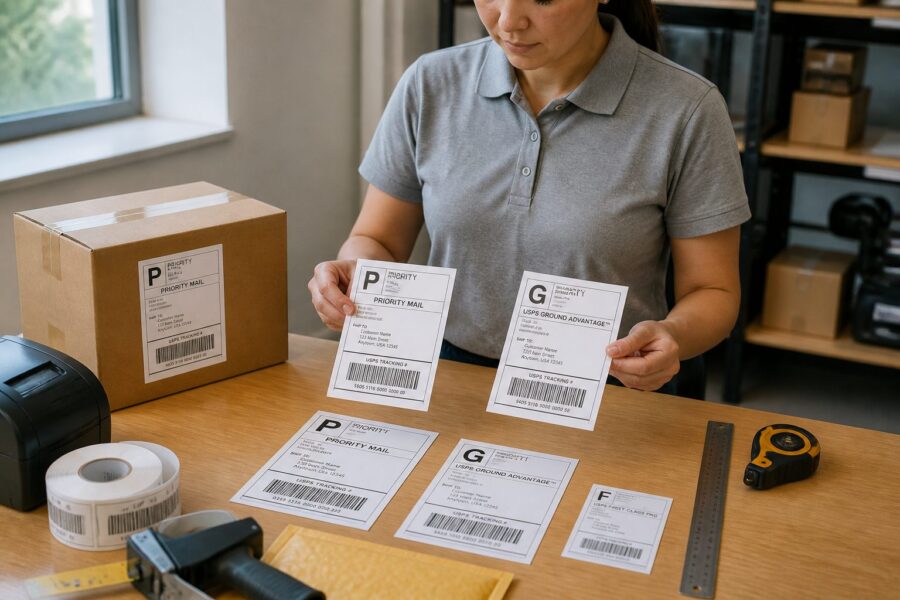
When it comes to shipping, there are a few standard label dimensions that are commonly used across various carriers. The most frequently used size is the 4×6 inch label, which has become something of an industry standard for a good reason.
This size provides ample space for all the necessary information, including the recipient’s address, the sender’s address, tracking numbers, and any special handling instructions. While 4×6 is the most common, other sizes like 4×4 and 4×8 inches are also used, depending on the amount of information that needs to be displayed and the size of the package itself.
Different carriers, such as UPS, FedEx, and USPS, generally accept the 4×6 inch label, making it a versatile choice for most shipping needs. However, it’s always a good idea to check the specific shipping requirements of your chosen carrier to ensure compliance.
Deviating from these standard sizes can sometimes lead to issues, such as the label not being properly scanned or the information being illegible. Understanding these standard shipping label size standards will help streamline your shipping process and reduce the risk of errors.
The 4×6 inch label’s popularity stems from its ability to balance readability with practicality. It’s large enough to accommodate barcodes, addresses, and other essential details without being excessively bulky or difficult to manage. This size also works well with most thermal label printers, which are commonly used in shipping operations.
For smaller items or packages with limited surface area, a 4×4 inch label might be more appropriate. This smaller size still provides enough space for basic information but takes up less room on the package. However, it’s crucial to ensure that all the necessary details are still clearly visible and scannable on a smaller label.
On the other hand, larger packages or shipments that require extensive information, such as international shipments with customs declarations, may benefit from a 4×8 inch label. This larger size allows for more detailed descriptions, special handling instructions, and additional barcodes or QR codes. It’s important to consider the trade-off between label size and the amount of information that needs to be included, ensuring that the label remains easy to read and scan.
Beyond the standard sizes, some carriers or specific shipping scenarios may require custom label dimensions. For example, oversized packages or shipments with unique requirements might necessitate a non-standard label size. In these cases, it’s essential to consult with the carrier and follow their specific guidelines to ensure compliance and avoid any shipping delays or issues.
Why Label Size Matters for Shipping
The size of your shipping label is more than just a detail; it directly impacts the efficiency and accuracy of the shipping process. A correctly sized label ensures that all critical information is clearly visible and scannable.
When labels are too small, the information might be cramped and difficult to read, leading to scanning errors and potential delays. On the other hand, labels that are too large can be cumbersome and may not adhere properly to the package, increasing the risk of the label detaching during transit.
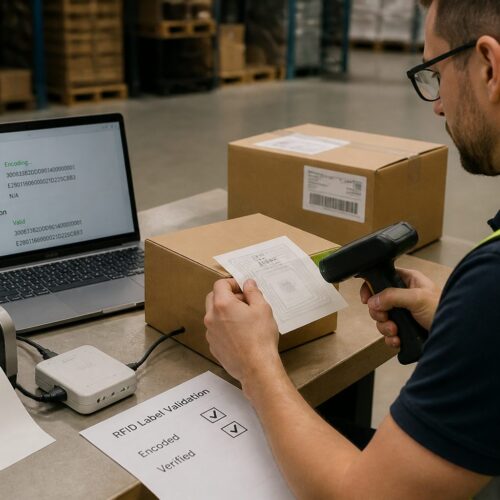
Carriers rely heavily on automated systems to sort and track packages, and these systems depend on the scannability of the barcodes on the labels. If a label is damaged, obscured, or improperly sized, it can’t be scanned, forcing manual handling, which slows down the delivery process and increases the chance of misrouting.
Moreover, using the correct label size contributes to a professional appearance, reflecting positively on your business. It shows that you pay attention to detail and care about ensuring your packages arrive safely and on time, ultimately enhancing customer satisfaction.
Imagine a scenario where a small business consistently uses undersized labels to save on printing costs. While the initial savings might seem appealing, the long-term consequences could be detrimental. Customers might experience delays due to scanning errors, leading to frustration and negative reviews. The business might also incur additional costs from having to reship packages that were misrouted due to illegible labels.
Conversely, using oversized labels can also create problems. A label that is too large might wrap around the edges of the package, making it difficult to scan. It could also be more prone to damage or detachment during transit, especially if it’s not properly adhered. This can lead to lost packages and dissatisfied customers, ultimately harming the business’s reputation.
The importance of label size extends beyond just the scannability of barcodes. A well-sized label also provides ample space for other critical information, such as the recipient’s address, the sender’s address, and any special handling instructions. This ensures that carriers have all the necessary information to deliver the package to the correct destination and handle it appropriately.
Ultimately, choosing the right label size is an investment in the efficiency and accuracy of your shipping process. It demonstrates a commitment to professionalism and customer satisfaction, which can have a significant impact on your business’s success. By paying attention to this seemingly small detail, you can avoid costly errors and ensure that your packages arrive safely and on time.
How to Measure Your Package for the Right Label
Choosing the right shipping label size starts with accurately measuring your package. This ensures that the label fits appropriately and all the necessary information is visible.
Start by measuring the largest surface area of your package where you plan to affix the label. Consider the dimensions of this area and ensure that the label you choose will fit comfortably without overlapping edges or bending around corners.
When measuring, use a ruler or measuring tape to determine the length and width of the surface. Make sure to measure the area accurately, as even a small discrepancy can affect the fit of the label. If your package has an irregular shape, focus on measuring the flattest and most accessible surface for label placement.
Once you have the dimensions of the surface, compare them to the standard label sizes to determine the best fit. Remember to leave some margin around the edges of the label to ensure that it adheres properly and doesn’t overlap any seams or corners. If you’re unsure about which size to choose, it’s generally better to err on the side of a slightly larger label rather than a smaller one.
For cylindrical or irregularly shaped packages, the process of measuring becomes a bit more complex. In these cases, you’ll need to determine the circumference of the package and the length of the area where you want to place the label. You can use a flexible measuring tape to measure the circumference and then divide by pi (approximately 3.14) to calculate the diameter.
Once you have the diameter and length, you can choose a label size that will wrap comfortably around the package without overlapping excessively. It’s also important to consider the adhesive properties of the label when applying it to a curved surface. Choose a label with a strong adhesive that will adhere securely to the package and not peel off easily.
In addition to the physical dimensions of the package, it’s also important to consider the amount of information that needs to be included on the label. If you have a lot of information to display, such as a long address, tracking number, or special handling instructions, you’ll need to choose a larger label size to accommodate everything. Make sure that the text and barcodes are still legible and scannable, even on a larger label.
By taking the time to accurately measure your package and consider the amount of information that needs to be included on the label, you can choose the right label size and ensure that your packages are delivered efficiently and accurately. This simple step can save you time, money, and potential headaches in the long run.
| Package Type | Typical Label Size | Notes |
|---|---|---|
| Small Box | 4×4 inches | Suitable for minimal information |
| Medium Box | 4×6 inches | Standard size for most shipments |
| Large Box | 4×8 inches | For packages with extensive details |
| Tube or Cylinder | Custom size, adjust as needed | Ensure label adheres properly |
The table above provides a general guideline for choosing label sizes based on package type. However, it’s important to remember that these are just typical sizes, and the actual size you need may vary depending on the specific dimensions of your package and the amount of information you need to include on the label.
Choosing the Right Label Material for Different Sizes
Selecting the appropriate label material is as important as choosing the right size. The material should be durable enough to withstand the rigors of shipping and compatible with your printer.
For standard 4×6 inch labels, thermal labels are a popular choice. Thermal labels are designed for use with thermal printers, which use heat to transfer the image onto the label, eliminating the need for ink or toner.
These labels are generally resistant to smudging and scratching, making them ideal for shipping. For larger labels, consider using a more robust material, such as a thicker paper stock or a synthetic material like polypropylene.
These materials offer increased durability and resistance to tearing, moisture, and chemicals, ensuring that the label remains intact and legible throughout the shipping process. Additionally, consider whether you need a permanent or removable adhesive, depending on the surface to which the label will be applied.
Thermal labels are a cost-effective and efficient option for high-volume shipping operations. They eliminate the need for ink or toner, reducing maintenance costs and downtime. Direct thermal labels are suitable for shipments with a shorter transit time, while thermal transfer labels offer greater durability and resistance to fading, making them ideal for longer shipments or those exposed to harsh conditions.
When choosing a label material, consider the environment in which the package will be shipped. If the package will be exposed to moisture, chemicals, or extreme temperatures, a synthetic material like polypropylene or polyester is a better choice than paper. These materials are waterproof, chemical-resistant, and can withstand a wide range of temperatures, ensuring that the label remains legible and intact throughout the shipping process.
The type of adhesive is also an important consideration. Permanent adhesives are designed to create a strong, lasting bond with the package, making them ideal for most shipping applications. Removable adhesives, on the other hand, allow the label to be easily removed without leaving any residue, which can be useful for certain applications, such as temporary labeling or product identification.
Finally, make sure that the label material is compatible with your printer. Check the printer’s specifications to ensure that it can handle the type of label material you’ve chosen. Using an incompatible label material can damage the printer or result in poor print quality. By carefully considering these factors, you can choose the right label material for your shipping needs and ensure that your labels are durable, legible, and adhere properly to your packages.
Printing Tips for Clear and Readable Labels
Even with the right label size and material, the quality of your printed label is crucial for ensuring it can be easily scanned and read. Start by using a high-resolution printer setting to ensure that the text and barcodes are sharp and clear.
Regularly clean your printer heads to prevent smudging or streaking, which can make the label unreadable. Always use high-quality ink or toner that is compatible with your printer and label material.
Before printing a large batch of labels, print a test label to check for any issues with alignment, clarity, or color. Make sure that all the necessary information is included on the label and that it is easy to read.
Adjust the font size and spacing if necessary to ensure that everything fits comfortably within the label dimensions. Also, avoid using decorative fonts or colors that may reduce readability, opting instead for clear, sans-serif fonts in black ink.
When printing barcodes, ensure that the barcode symbology is correct and that the barcode is large enough to be easily scanned. Avoid printing barcodes that are too small, distorted, or faded, as these can be difficult or impossible to scan. Use a barcode verifier to check the quality of your printed barcodes and ensure that they meet industry standards.
If you’re using a thermal printer, make sure that the print head is properly calibrated and that the heat settings are adjusted correctly. Too much heat can cause the label to darken or smudge, while too little heat can result in a faint or incomplete print. Regularly clean the print head with a specialized cleaning solution to remove any debris or residue that could affect print quality.
When printing labels with variable data, such as addresses or tracking numbers, use a software program that supports dynamic data merging. This will ensure that the data is accurately and consistently printed on each label. Avoid manually typing in the data, as this can lead to errors and inconsistencies.
Finally, store your label rolls in a cool, dry place to prevent them from becoming damaged or degraded. Avoid exposing the labels to direct sunlight or extreme temperatures, as this can affect the adhesive properties and print quality. By following these printing tips, you can ensure that your shipping labels are clear, readable, and easily scannable, reducing the risk of errors and delays in the shipping process.
Software and Tools for Creating Labels
Creating professional-looking shipping labels doesn’t have to be complicated, thanks to the wide array of software and online tools available. Many popular shipping platforms, such as ShipStation, Shippo, and EasyPost, offer built-in label creation tools that integrate directly with your carrier accounts.
These platforms allow you to import order information, generate labels in the correct size and format, and track your shipments all in one place. If you prefer a more DIY approach, you can use graphic design software like Adobe Illustrator or simpler programs like Microsoft Word to create your own labels.
There are also free online label templates available that you can customize with your own information. These templates often come pre-formatted with the correct dimensions and layouts for standard shipping labels.
Regardless of the tool you choose, make sure it supports the label size you need and allows you to include all the necessary information, such as addresses, tracking numbers, and barcodes, for efficient shipping.
Shipping platforms like ShipStation and Shippo offer a comprehensive suite of features for managing your shipping operations. These platforms integrate with various e-commerce platforms and marketplaces, allowing you to import orders automatically and generate labels with just a few clicks. They also provide tools for tracking shipments, managing inventory, and generating reports.
For businesses that require more customization and control over their label design, graphic design software like Adobe Illustrator or CorelDRAW is a good option. These programs allow you to create custom label templates with your own branding and design elements. However, they require more technical expertise and can be more time-consuming to use.
If you’re looking for a simpler and more affordable option, Microsoft Word or Google Docs can be used to create basic shipping labels. These programs offer a variety of templates and formatting options that can be used to create labels with the necessary information. However, they may not be as flexible or feature-rich as dedicated shipping platforms or graphic design software.
Regardless of the software or tool you choose, make sure it supports the label size you need and allows you to include all the necessary information. Consider the ease of use, cost, and features offered by each option to determine the best fit for your business needs. By using the right software and tools, you can streamline your label creation process and ensure that your shipping labels are professional, accurate, and efficient.
Adhering Labels Properly to Packages
Once you’ve printed your labels, it’s crucial to adhere them properly to your packages to ensure they stay in place throughout the shipping process. Start by cleaning the surface of the package to remove any dust, dirt, or moisture that could prevent the label from sticking.
Peel off the backing of the label and carefully align it with the desired location on the package. Press the label firmly onto the surface, smoothing out any air bubbles or wrinkles to ensure a secure bond.
- Use a clean, dry surface
- Avoid placing labels over seams or edges
- Ensure the entire label is flat against the package
- Consider using clear tape to protect the label
- Double-check the label is securely attached
When cleaning the package surface, use a clean, dry cloth to wipe away any dust, dirt, or debris. Avoid using harsh chemicals or solvents, as these can damage the package or interfere with the adhesive properties of the label. If the package is damp or wet, allow it to dry completely before applying the label.
When aligning the label, make sure that it is straight and centered on the package. Avoid placing the label over seams, edges, or corners, as these areas are more prone to damage or detachment. If the package has an irregular shape, choose a flat surface for label placement.
When pressing the label onto the package, apply even pressure to ensure a secure bond. Use your fingers or a smooth, flat object to smooth out any air bubbles or wrinkles. If the label is not adhering properly, try using a stronger adhesive or applying heat to the label with a heat gun or hair dryer.
To protect the label from damage during shipping, consider covering it with clear tape. Use a wide, durable tape that is resistant to tearing and moisture. Overlap the edges of the tape to create a waterproof seal. By following these tips, you can ensure that your shipping labels are securely attached to your packages and remain legible throughout the shipping process.
Common Mistakes to Avoid When Selecting Label Sizes
Selecting the wrong shipping label size can lead to a variety of problems, so it’s important to be aware of common mistakes and how to avoid them. One frequent error is choosing a label that is too small, which can result in cramped and illegible information.
This can cause scanning errors and delays, as well as a less professional appearance. Another mistake is using a label that is too large, which can be cumbersome and may not adhere properly to the package.
Failing to check the specific requirements of your chosen carrier is another common pitfall. Different carriers may have slightly different guidelines for label sizes and formats, so it’s always best to verify before printing your labels.
Additionally, neglecting to consider the material of your label can lead to issues with durability and readability. Make sure to choose a label material that is appropriate for the type of package you are shipping and the conditions it will be exposed to during transit.
Another common mistake is assuming that all shipping carriers have the same label size requirements. While the 4×6 inch label is widely accepted, some carriers may have specific guidelines for label sizes and formats, especially for international shipments or oversized packages. Always check the carrier’s website or contact their customer service department to verify their label requirements before printing your labels.
Failing to account for the amount of information that needs to be included on the label is another frequent error. Before choosing a label size, make a list of all the information that needs to be included, such as the recipient’s address, the sender’s address, the tracking number, and any special handling instructions. Then, choose a label size that will comfortably accommodate all of this information without crowding or obscuring any of the details.
Neglecting to test print a sample label before printing a large batch is another common mistake. Always print a test label to check for any issues with alignment, clarity, or readability. Make sure that the text and barcodes are sharp and clear and that the label adheres properly to the package.
Finally, failing to properly store and handle label rolls can lead to problems with print quality and adhesion. Store label rolls in a cool, dry place away from direct sunlight and extreme temperatures. Avoid touching the adhesive side of the labels, as this can transfer oils and dirt that can interfere with adhesion. By avoiding these common mistakes, you can ensure that your shipping labels are the right size, material, and quality for your shipping needs.
Addressing Special Cases and Unique Packaging
While standard shipping label sizes work well for most packages, there are certain situations that require a more tailored approach. For oddly shaped packages, such as tubes or cylinders, you may need to use a custom-sized label that wraps around the item.
In these cases, it’s particularly important to choose a label material that is flexible and has a strong adhesive to ensure it stays in place. When shipping internationally, be sure to include all the necessary customs information on your label, such as a detailed description of the contents and the value of the shipment.
This may require a larger label size to accommodate all the additional information. If you are shipping fragile items, consider adding a “Fragile” sticker to your package in addition to the standard shipping label.
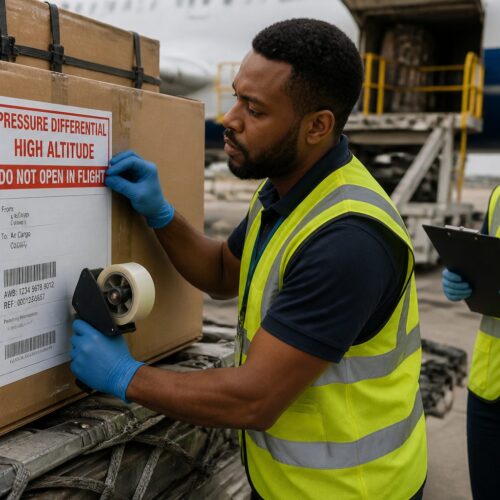
This can help alert carriers to handle your package with extra care. For packages that require special handling, such as those containing hazardous materials, be sure to follow all applicable regulations and include the appropriate warning labels.
When shipping items in poly mailers or padded envelopes, it’s important to choose a label that is specifically designed for these types of packaging. These labels typically have a stronger adhesive that will adhere securely to the smooth surface of the poly mailer or the cushioned surface of the padded envelope. They may also be made of a more durable material that is resistant to tearing and moisture.
For packages that are being shipped internationally, it’s crucial to include all the necessary customs information on the label. This may include a detailed description of the contents, the value of the shipment, the country of origin, and any applicable tariff codes. Failure to include this information can result in delays or even rejection of the shipment by customs officials.
When shipping hazardous materials, it’s essential to follow all applicable regulations and include the appropriate warning labels. These labels typically include a hazard symbol, a description of the hazard, and instructions for handling the material safely. Failure to comply with these regulations can result in fines, penalties, and even criminal charges.
In some cases, you may need to create a custom-sized label to fit a unique package or shipping requirement. Many label printing software programs allow you to create custom label templates with your own dimensions and layouts. This can be a useful option for businesses that ship a wide variety of products or have special labeling needs. By addressing these special cases and unique packaging scenarios, you can ensure that your shipping labels are accurate, compliant, and effective.
The Future of Shipping Labels: Trends and Innovations
The world of shipping labels is constantly evolving, with new trends and innovations emerging all the time. One notable trend is the increasing use of digital labels, which allow for real-time updates and tracking information.
These labels can be updated remotely, providing carriers and customers with the most current information about the shipment’s location and status. Another innovation is the development of smart labels, which use sensors to monitor the conditions of the package during transit, such as temperature, humidity, and shock.
This information can be used to ensure that sensitive items, such as pharmaceuticals or electronics, are handled properly. Sustainability is also becoming a major focus in the shipping industry, with many companies exploring the use of eco-friendly label materials and printing processes.
As technology continues to advance, we can expect to see even more innovative solutions for shipping labels that improve efficiency, accuracy, and sustainability. These advancements aim to make the shipping process easier for businesses and customers alike.
One exciting development is the potential for interactive labels that provide customers with additional information about the product or the company. These labels could include QR codes that link to product videos, customer reviews, or special offers. This could enhance the customer experience and build brand loyalty.
Another trend is the use of blockchain technology to track shipments and verify their authenticity. This could help to prevent counterfeiting and fraud, as well as improve transparency and accountability in the supply chain. Blockchain-based labels could also be used to track the provenance of products, providing consumers with information about their origin and ethical sourcing.
The rise of e-commerce is also driving innovation in the shipping label industry. As more and more consumers shop online, there is a growing need for labels that are easy to print, apply, and track. This is leading to the development of new label materials, printing technologies, and tracking systems that are specifically designed for e-commerce shipments.
Finally, the increasing focus on sustainability is driving the development of eco-friendly label materials and printing processes. Companies are exploring the use of recycled paper, biodegradable adhesives, and water-based inks to reduce the environmental impact of shipping labels. This is helping to create a more sustainable and responsible shipping industry. The future of shipping labels is bright, with many exciting trends and innovations on the horizon that promise to improve efficiency, accuracy, and sustainability.
Conclusion
Choosing the right shipping label size is a critical aspect of ensuring your packages are delivered efficiently and accurately. By understanding standard label dimensions, selecting appropriate materials, and following best practices for printing and adhering labels, you can streamline your shipping process and minimize the risk of errors.
Whether you’re a small business owner or an individual shipper, taking the time to get your shipping labels right can save you time, money, and potential headaches. As the shipping industry continues to evolve, staying informed about the latest trends and innovations in label technology will help you stay ahead of the curve and optimize your shipping operations.
Remember that the seemingly small detail of label size plays a significant role in the overall shipping process. By paying attention to this detail, you can ensure that your packages are delivered safely, on time, and with a professional appearance. This can enhance customer satisfaction, build brand loyalty, and ultimately contribute to the success of your business.
So, take the time to learn about standard label sizes, choose the right materials, and follow best practices for printing and adhering labels. Stay informed about the latest trends and innovations in label technology. By doing so, you can optimize your shipping operations and ensure that your packages are delivered efficiently and accurately, every time.