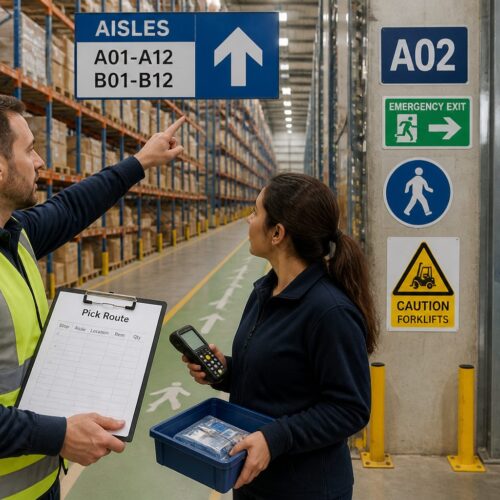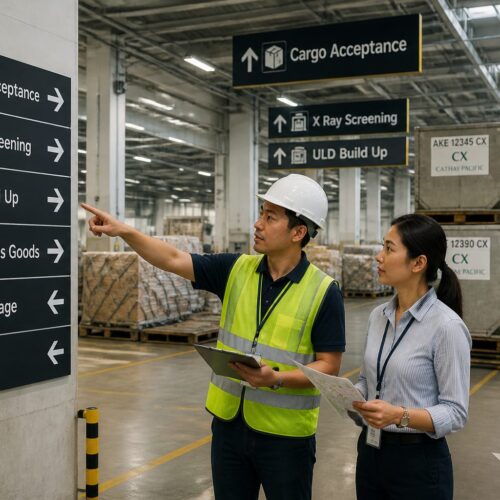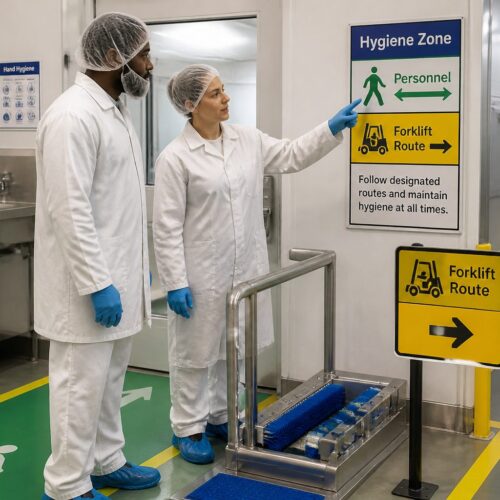

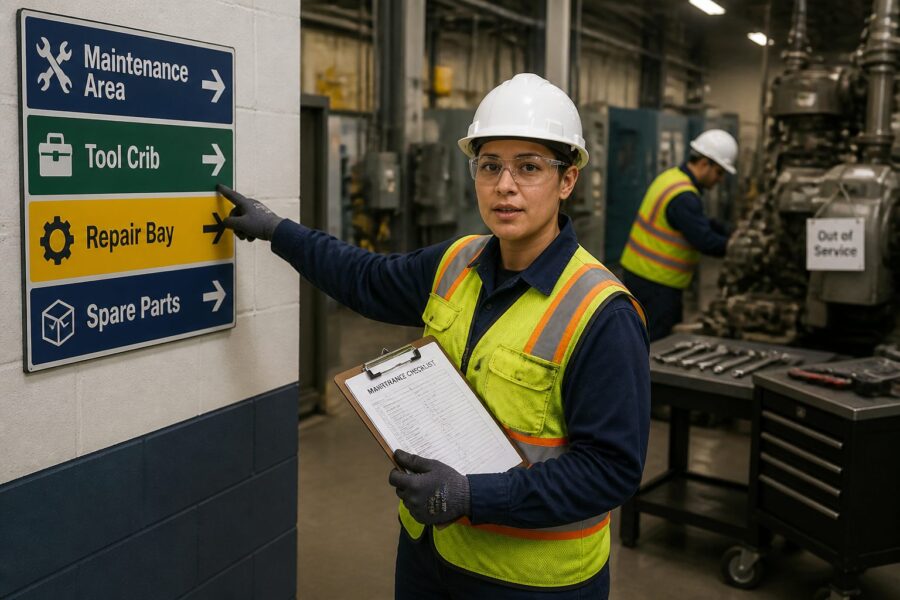
Maintenance areas are the unsung heroes of any operation that relies on equipment. Ensuring these spaces are well-organized and safe is not just a matter of efficiency, but also a critical component of workplace safety. Wayfinding for maintenance areas plays a surprisingly important role in achieving these goals.
Clear and effective signage and layout can significantly reduce the risk of accidents, improve workflow, and ultimately save time and money. This article will explore the various aspects of wayfinding for maintenance areas, focusing on how it supports equipment upkeep and repairs.
We will cover everything from designating specific areas for repair to ensuring compliance with international safety standards. By implementing these strategies, organizations can create maintenance areas that are not only functional but also contribute to a safer and more productive work environment.
Importance of Clear Wayfinding in Maintenance Areas
The importance of clear wayfinding in maintenance areas cannot be overstated. These areas are often complex environments, filled with machinery, tools, and various hazards.
Without proper wayfinding, workers can easily become disoriented, leading to increased risks of accidents and injuries. Effective wayfinding systems guide personnel safely and efficiently through the maintenance area.
This includes directing them to specific work stations, emergency exits, and safety equipment. Equipment maintenance signage is a key component of this system, providing crucial information at the point of use.
Moreover, clear wayfinding contributes to a more organized and productive work environment. When tools and equipment are easily located, technicians spend less time searching and more time performing maintenance tasks.
This streamlined workflow not only increases efficiency but also reduces frustration among workers. A well-designed wayfinding system also supports training and onboarding processes.
New employees can quickly learn the layout of the maintenance area and understand the location of essential resources. This reduces the learning curve and allows them to become productive members of the team more quickly.
Designating Specific Areas for Equipment Repair
Designating specific areas for equipment repair is a fundamental aspect of effective maintenance area organization. This practice involves creating dedicated zones for different types of repair activities.
Separating these activities reduces clutter, minimizes the risk of cross-contamination, and improves overall safety. For instance, areas for welding should be separate from areas for electrical repairs.
This prevents flammable materials from coming into contact with sparks and reduces the risk of electrical shock. Similarly, designating a specific area for cleaning and degreasing parts can help contain spills and prevent contamination of other work areas.
Each designated area should be clearly marked with appropriate signage, indicating the type of work performed there and any associated hazards. This helps workers quickly identify the correct area for their task and take necessary precautions.
In addition to physical separation, it is important to establish clear procedures for using each designated area. This includes guidelines for storing tools and equipment, handling waste materials, and cleaning up after each task.
Regular audits and inspections should be conducted to ensure that these procedures are being followed and that the designated areas are being maintained in a safe and orderly condition. By implementing these measures, organizations can create maintenance areas that are both efficient and safe.
Implementing Clear Signage for Tool Storage and Organization
Clear signage for tool storage and organization is essential for maintaining an efficient and safe maintenance area. Without proper signage, tools can become misplaced, leading to wasted time and potential hazards.
Implementing a clear and consistent signage system ensures that tools are stored in their designated locations and can be easily found when needed. This system should include labels for toolboxes, cabinets, and storage racks, indicating the type and size of tools stored within.
| Tool Category | Storage Location | Signage Details |
|---|---|---|
| Wrenches | Toolbox Drawer 1 | “Wrenches – Metric & Standard” |
| Screwdrivers | Toolbox Drawer 2 | “Screwdrivers – Phillips & Flathead” |
| Pliers | Toolbox Drawer 3 | “Pliers – Assorted Types” |
| Measuring Tools | Cabinet Shelf 1 | “Measuring Tools – Calipers, Rulers, Tape Measures” |
In addition to labeling storage locations, it is also helpful to use color-coding to further differentiate tool categories. For example, all tools related to electrical work could be stored in containers with yellow labels, while tools related to plumbing could be stored in containers with blue labels.
This visual cue makes it even easier for technicians to quickly identify the tools they need. Regular audits should be conducted to ensure that tools are being returned to their proper locations and that the signage is being maintained in good condition.
Providing Instructions for Reporting Equipment Issues
Providing clear instructions for reporting equipment issues is a crucial step in maintaining a safe and efficient maintenance area. When equipment malfunctions or shows signs of wear, it is important that these issues are reported promptly so that they can be addressed before they lead to more serious problems.
These instructions should be readily accessible and easy to understand. The reporting process should be simple and straightforward, encouraging workers to report issues without hesitation.
One effective method is to provide a standardized reporting form, either in paper or electronic format, that includes fields for describing the equipment, the nature of the issue, and the location of the equipment. This form should be available at designated reporting stations throughout the maintenance area.
These stations should be clearly marked with signage, indicating the purpose of the station and providing instructions for completing the reporting form. Another option is to implement an online reporting system, allowing workers to submit reports directly from their computers or mobile devices.
This system should include features such as automatic email notifications to the maintenance team and a tracking system to monitor the status of reported issues. Regardless of the reporting method used, it is important to provide regular training to workers on how to identify and report equipment issues.
This training should emphasize the importance of reporting even minor issues, as these can often be indicators of larger problems. By providing clear instructions and promoting a culture of proactive reporting, organizations can ensure that equipment issues are addressed promptly, minimizing downtime and preventing accidents.
Streamlining the Flow of Equipment Through the Maintenance Process
Streamlining the flow of equipment through the maintenance process is essential for maximizing efficiency and minimizing downtime. This involves optimizing the sequence of steps involved in equipment maintenance, from initial inspection to final repair and testing.
One key aspect of streamlining this process is to establish a clear and logical layout for the maintenance area. This layout should be designed to minimize unnecessary movement of equipment and personnel, reducing the risk of congestion and delays.
- Establish a receiving area for incoming equipment
- Create a designated inspection station
- Set up specialized repair areas for different types of equipment
- Implement a testing and quality control station
- Designate a storage area for repaired equipment
Another important factor is to implement a tracking system to monitor the status of equipment as it moves through the maintenance process. This system can be as simple as a whiteboard with color-coded tags or as sophisticated as a computerized tracking system.
The goal is to provide real-time visibility into the location and status of each piece of equipment, allowing maintenance personnel to prioritize tasks and allocate resources effectively. Regular process reviews should be conducted to identify bottlenecks and areas for improvement.
Ensuring Compliance with Safety Standards
Ensuring compliance with safety standards is paramount in any maintenance area. These standards are designed to protect workers from hazards and prevent accidents.
Compliance with these standards not only reduces the risk of injuries but also minimizes the potential for costly fines and legal liabilities. One of the most important aspects of safety compliance is to provide workers with appropriate personal protective equipment (PPE).
This includes items such as safety glasses, gloves, respirators, and hearing protection, depending on the specific hazards present in the maintenance area. Workers should be trained on how to properly use and maintain their PPE, and regular inspections should be conducted to ensure that PPE is in good condition and being used correctly.
Another key element of safety compliance is to implement lockout/tagout procedures for equipment that is being serviced or repaired. These procedures are designed to prevent accidental startup of equipment, which can result in serious injuries.
Lockout/tagout procedures involve isolating the equipment from its energy source and attaching a lock and tag to the energy isolation device, indicating that the equipment is being serviced and should not be operated. Regular safety audits should be conducted to identify potential hazards and ensure that safety procedures are being followed.
These audits should be conducted by qualified personnel who are familiar with the applicable safety standards and regulations. By prioritizing safety compliance, organizations can create maintenance areas that are not only productive but also safe and healthy for workers.
Leveraging Color-Coding for Enhanced Safety and Efficiency
Color-coding is a powerful tool that can significantly enhance safety and efficiency in maintenance areas. By assigning specific colors to different types of equipment, hazards, or areas, organizations can create a visual language that is easily understood by workers.
This visual language can help workers quickly identify potential hazards, locate specific tools or equipment, and navigate the maintenance area more efficiently. For example, red could be used to indicate fire-related equipment, such as fire extinguishers and fire hydrants.
Yellow could be used to indicate caution or potential hazards, such as slippery floors or low-hanging objects. Green could be used to indicate safety equipment, such as first aid kits and emergency showers.
Blue could be used to indicate information or instructions, such as safety procedures or equipment operating manuals. In addition to color-coding equipment and hazards, color-coding can also be used to designate specific areas within the maintenance area.
For example, a specific color could be used to mark off areas where hazardous materials are stored or where welding is being performed. This helps to create a clear visual separation between different types of activities, reducing the risk of cross-contamination and accidents.
When implementing a color-coding system, it is important to ensure that the colors used are consistent with industry standards and regulations. Workers should be trained on the meaning of each color and how to respond appropriately.
Regularly Reviewing and Updating Wayfinding Systems
Wayfinding systems are not static; they should be regularly reviewed and updated to ensure that they remain effective and relevant. Maintenance areas are dynamic environments, with equipment and processes constantly evolving.
As these changes occur, it is important to assess the impact on the wayfinding system and make necessary adjustments. This includes updating signage to reflect changes in equipment locations, hazard zones, and safety procedures.
It also involves reviewing the overall layout of the maintenance area to identify any potential bottlenecks or areas where the flow of equipment and personnel could be improved. One effective method for reviewing wayfinding systems is to conduct regular walk-throughs with maintenance personnel.
These walk-throughs provide an opportunity to observe how workers interact with the wayfinding system and identify any areas where improvements could be made. Feedback from maintenance personnel should be actively solicited and used to inform updates to the wayfinding system.
This feedback can be gathered through surveys, interviews, or focus groups. In addition to internal reviews, it is also helpful to consult with external experts on wayfinding and safety to obtain an objective assessment of the system.
These experts can provide valuable insights and recommendations based on their experience with other organizations. By regularly reviewing and updating wayfinding systems, organizations can ensure that their maintenance areas remain safe, efficient, and compliant with safety standards.
Training and Communication for Effective Wayfinding
Effective wayfinding is not just about having clear signage and a logical layout; it also requires proper training and communication. Workers need to be trained on how to use the wayfinding system effectively and how to respond to different types of signage and markings.
This training should include both classroom instruction and hands-on practice. Workers should be taught how to interpret different types of signage, such as directional signs, hazard warnings, and safety instructions.
They should also be trained on how to use the wayfinding system to navigate the maintenance area efficiently and safely. In addition to initial training, regular refresher training should be provided to reinforce key concepts and ensure that workers remain proficient in using the wayfinding system.
This refresher training can be delivered through short presentations, online modules, or toolbox talks. Communication is also essential for effective wayfinding. Workers should be encouraged to report any issues or concerns they have with the wayfinding system.
This feedback should be taken seriously and used to inform updates and improvements to the system. Regular communication should also be provided to workers about any changes or updates to the wayfinding system.
This communication can be delivered through email, newsletters, or postings on bulletin boards. By providing proper training and communication, organizations can ensure that their wayfinding systems are used effectively, contributing to a safer and more productive work environment.
Conclusion
In conclusion, wayfinding for maintenance areas is a critical component of workplace safety and efficiency. By implementing clear signage, designating specific areas for repair, and providing instructions for reporting equipment issues, organizations can create maintenance areas that are both functional and safe.
Streamlining the flow of equipment through the maintenance process, ensuring compliance with safety standards, and leveraging color-coding can further enhance safety and efficiency. Regular review and updating of wayfinding systems, along with proper training and communication, are essential for maintaining an effective wayfinding system.
By prioritizing wayfinding in maintenance areas, organizations can create a safer and more productive work environment for their employees. This will lead to reduced accidents, increased efficiency, and improved overall performance.